

Free Delivery
From €50 in BE and NL.

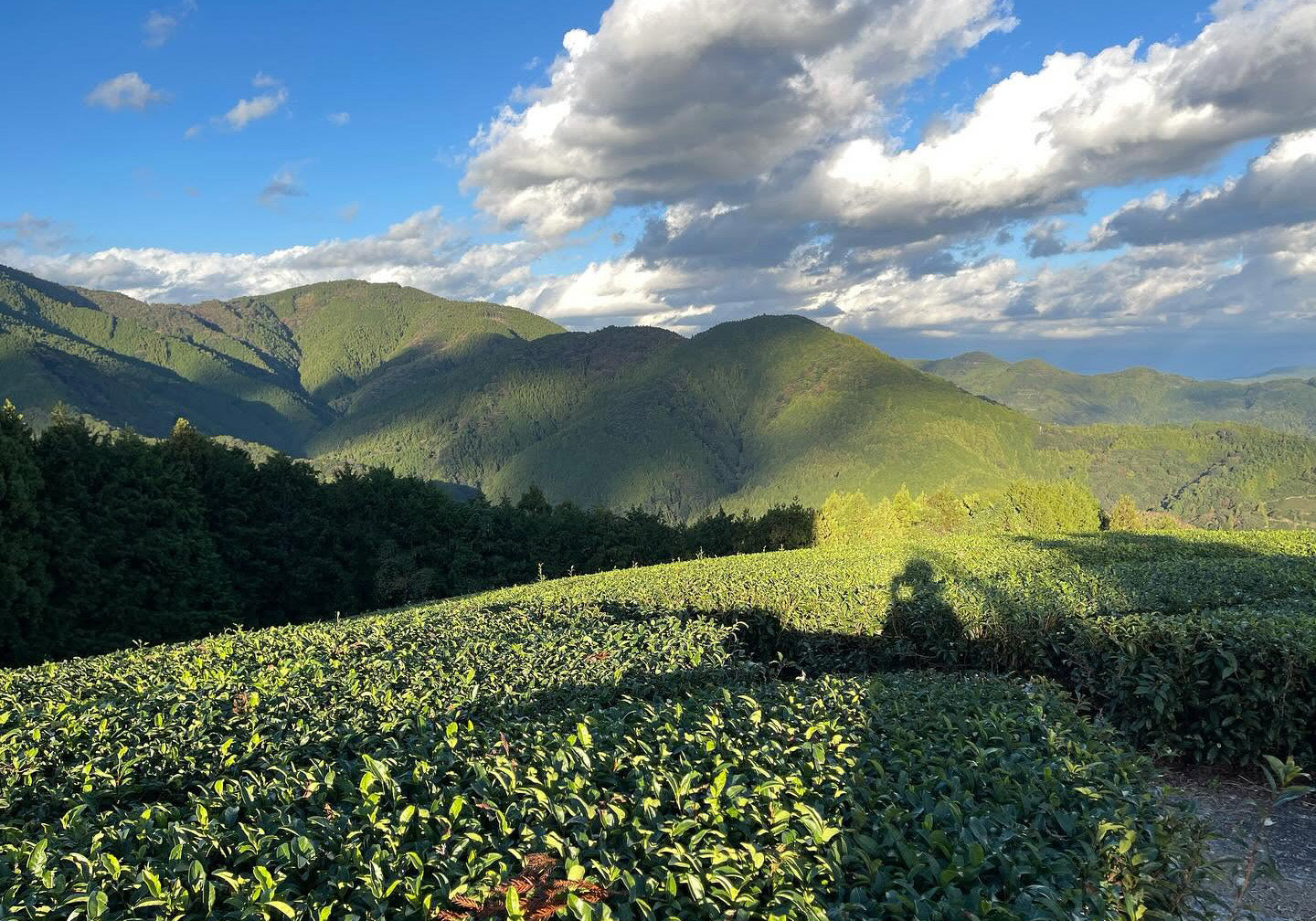
In the mountains above Fujieda, in Japan’s Shizuoka prefecture, the Kinezuka family has grown tea for many generations. In 1976, most tea farmers in the area still worked according to conventional farming methods, using synthetic fertiliser and pesticides.
At that point, Toshiaki Kinezuka resolutely chose a different path, a decision that cost him his place within the local cooperative. Today, however, the family, with Kazuki and Tamiko Kinezuka at the helm, runs one of the region’s best-known organic tea businesses.
Expelled by the cooperative
Until the 1970s, tea sales in Japan largely ran through the JA, the Japanese agricultural cooperative. That system left farmers little autonomy: the cooperative supplied the chemicals and decided how much of each to use. Anyone who refused risked expulsion and the loss of the only market for their tea. The word “organic” barely existed in Japan at the time.
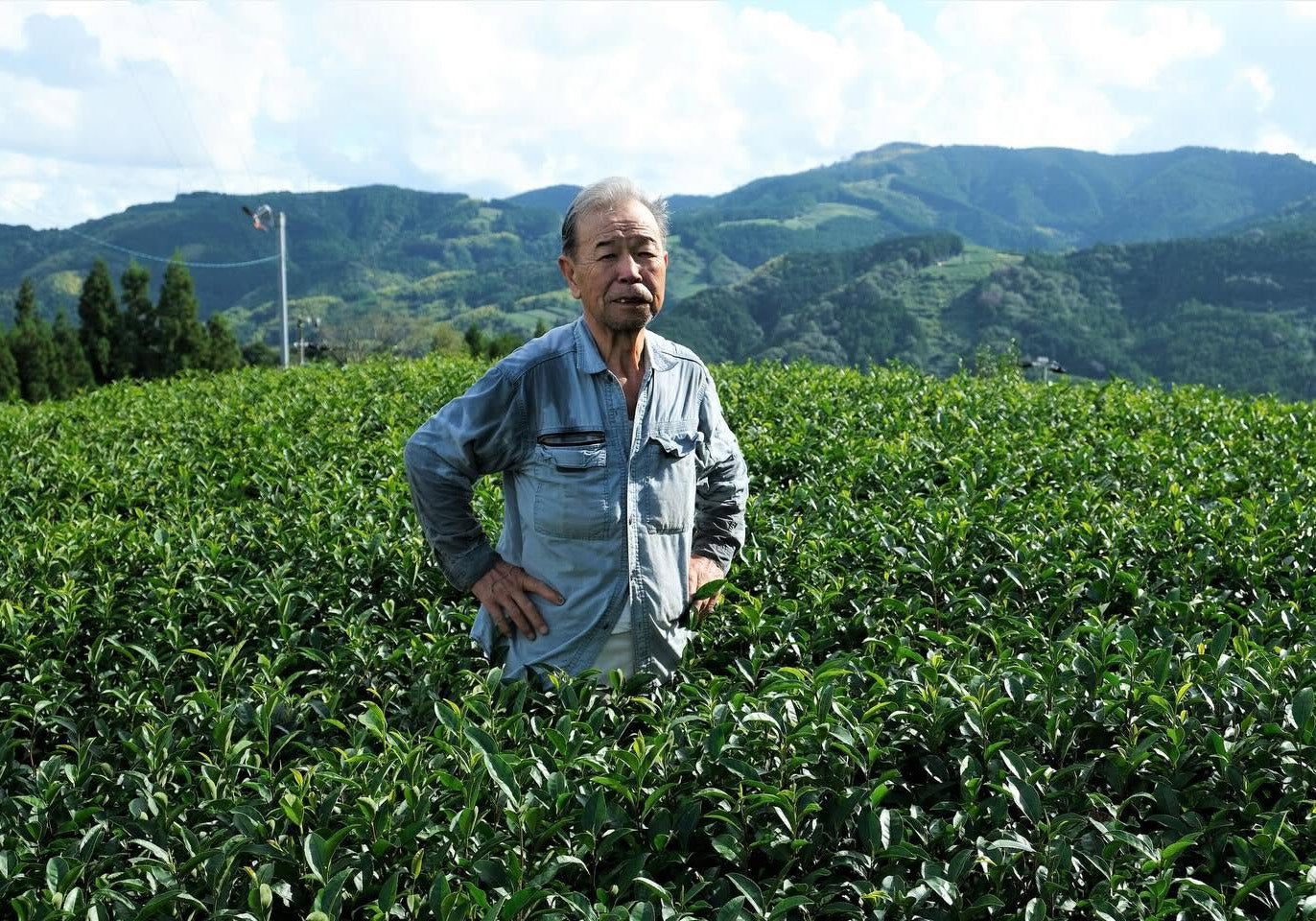
Toshiaki Kinezuka had doubts about that approach. Tests had shown chemical residues in the urine of children from farming communities. He watched fish stocks decline in the nearby rivers and fireflies, once abundant in the area, slowly disappear. He decided to stop using chemicals. The cooperative expelled him.
A fresh start
With no access to a sales channel, Toshiaki had to rebuild everything himself: production method, processing and market alike. It took three years before he had a harvest that met his own quality standards. Together with ten other families from the area, he founded Hito to Nō, Shizen wo Tsunagu Kai, meaning “association connecting people, farming and nature”. It was a partnership between farmers and consumers who worked together to find out how tea, rice and vegetables could be grown without chemicals.
Over time, the quality of his tea spoke for itself. The resistance he initially faced gave way to recognition. In 2021, Toshiaki Kinezuka received a Special Grand Prize from the World Green Tea Association in recognition of 45 years of organic farming.
A family business today
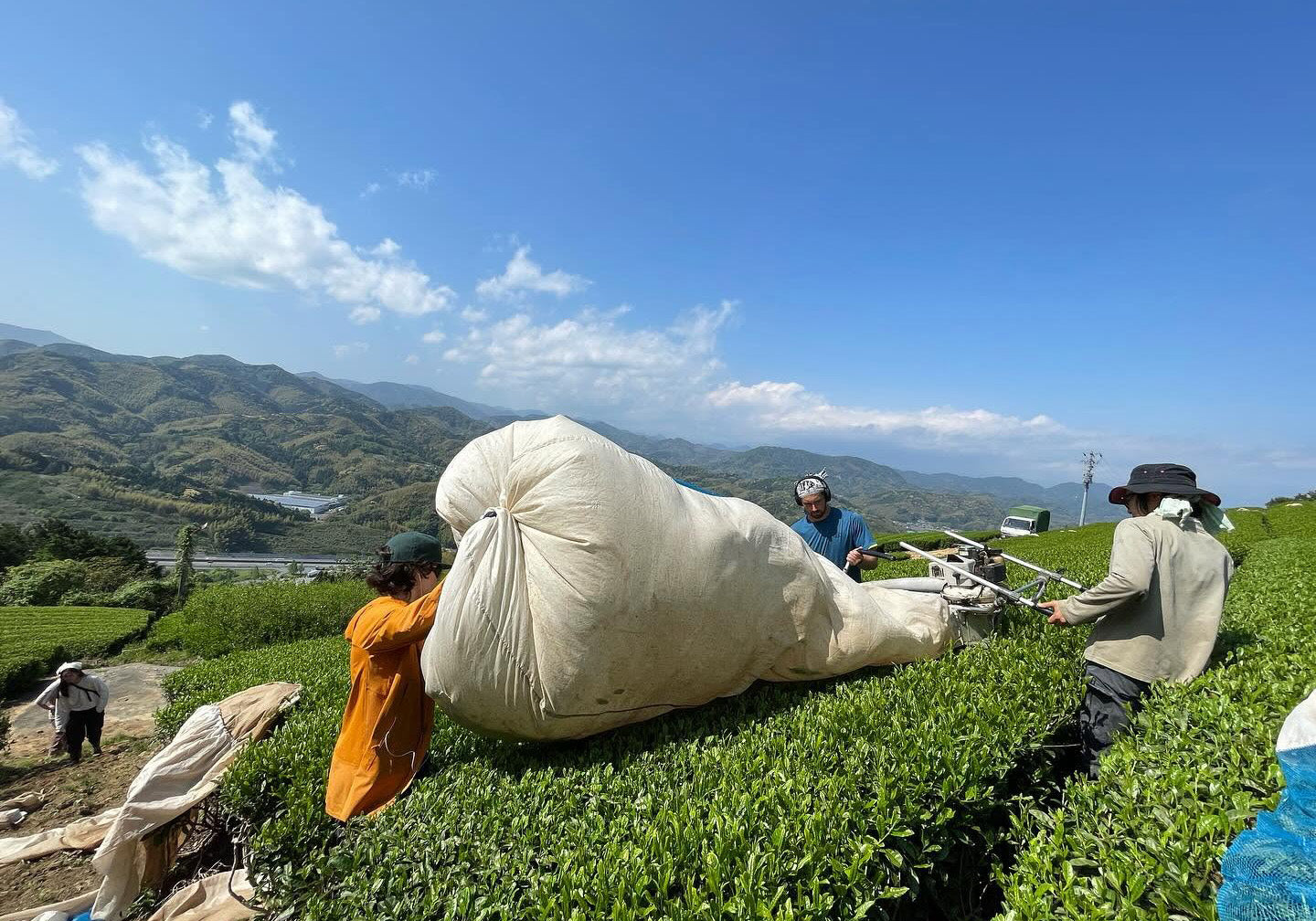
At Naturalitea, every step from planting to sale stays in the family’s own hands. Son Kazuki handles the cultivation and the first processing of the leaf into aracha (raw tea). Daughter Tamiko is responsible for the final processing, quality control and day-to-day management.
The business holds certification under JAS, Japan’s official standard for organic farming. Naturalitea also functions as a cooperative, processing tea leaves from partner farmers in the Setoya region in its own factory.
The field as habitat
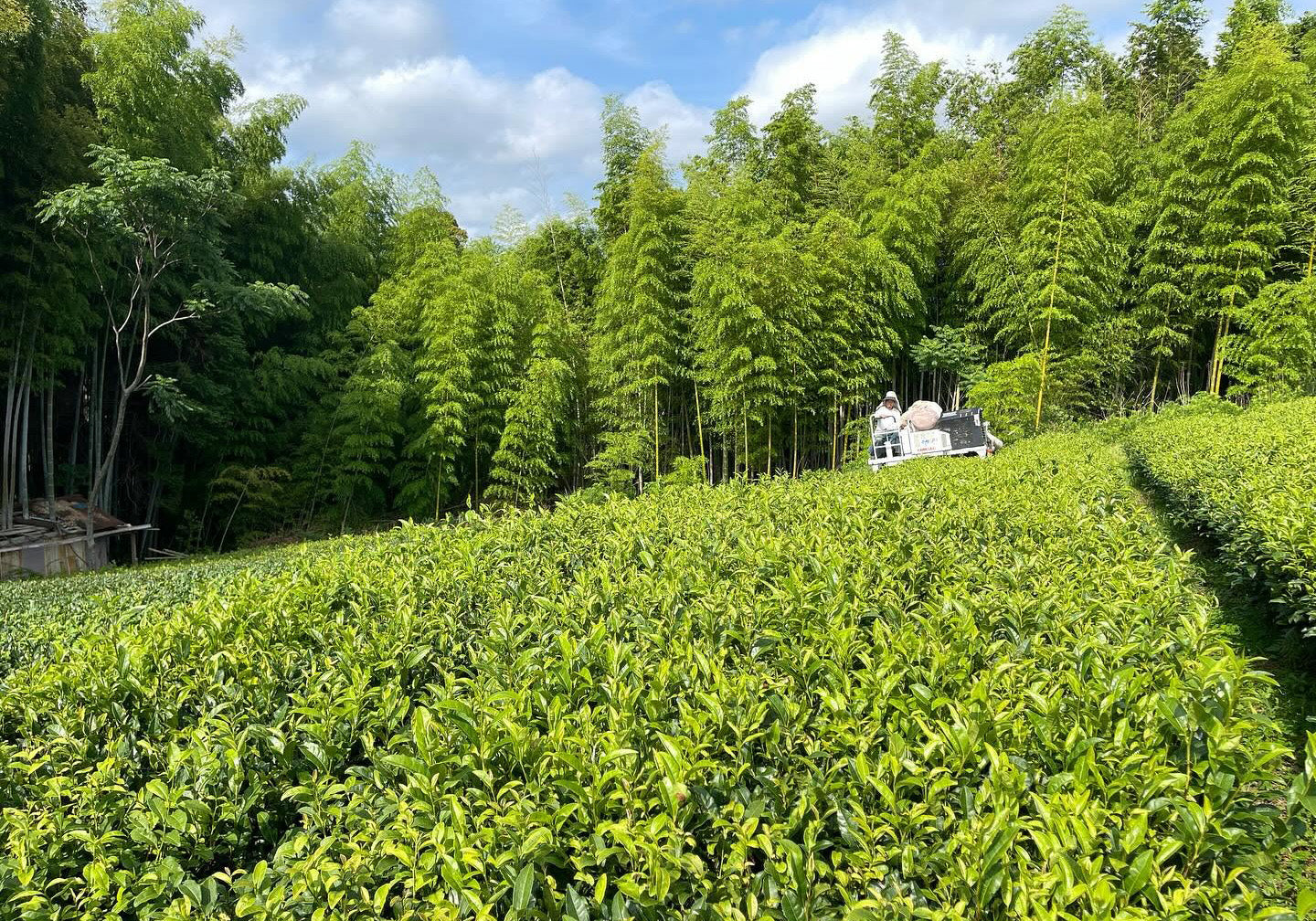
For the Kinezuka family, organic farming means more than avoiding prohibited products. No pesticides, herbicides, fungicides or synthetic fertiliser are used on the tea fields. Weeds are removed by hand, but only when they hinder the crop; the rest is left standing to return its nutrients to the soil.
Fertiliser comes from the land itself. After the rice harvest, the Kinezukas lay rice stalks between the rows of tea bushes, where they break down into compost over the winter, later holding moisture and nutrients through spring. Additional mulch comes from horse manure, garden and kitchen waste, and hay. Predatory insects such as spiders, grasshoppers and praying mantises keep pests in check and, in turn, attract birds and reptiles, strengthening biodiversity around the tea fields. Mycorrhizal fungi help keep the tea bushes resistant to disease.
More than Yabukita alone
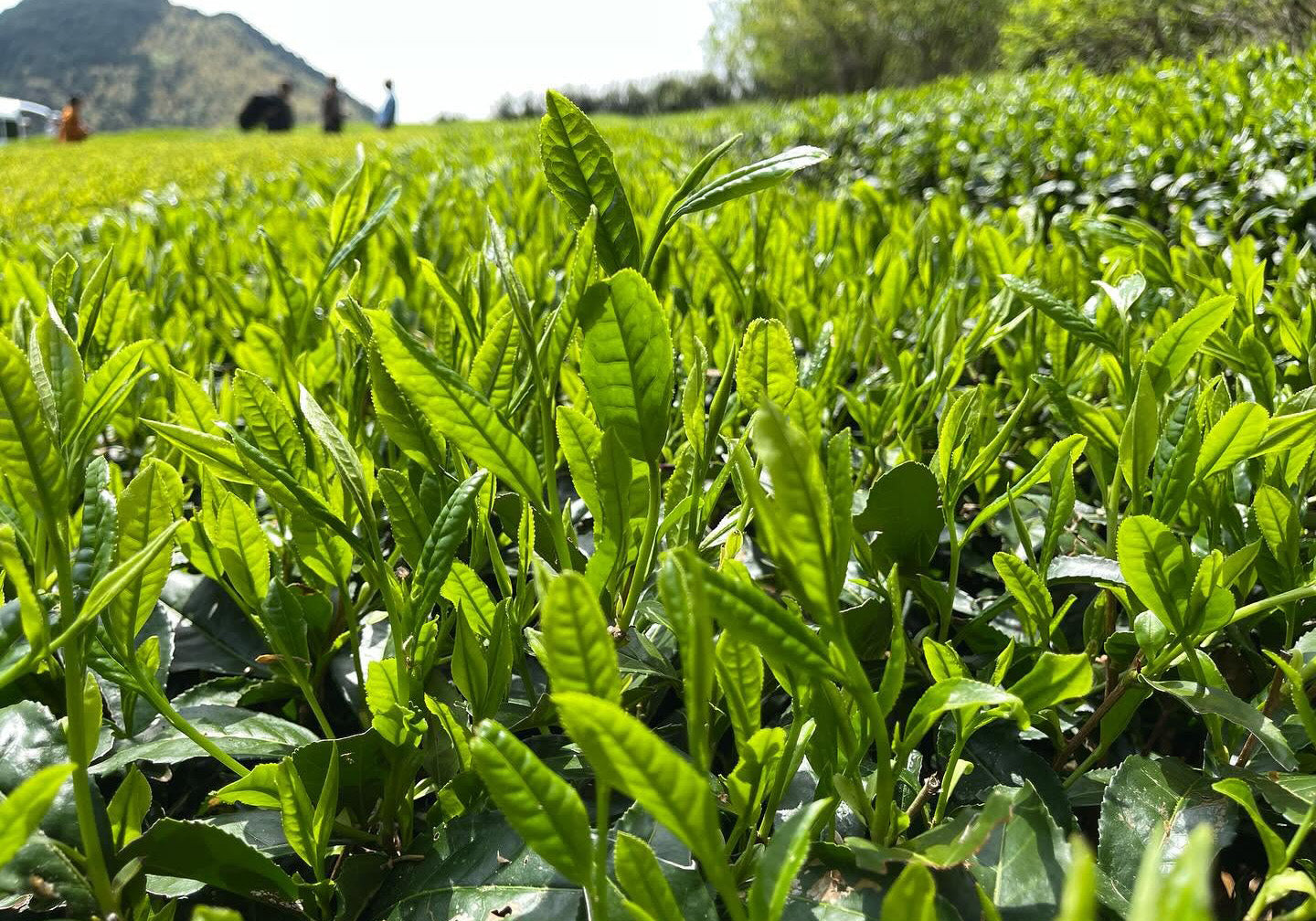
Most Japanese tea comes from a single cultivar, Yabukita. Naturalitea works with a much wider range: ten cultivars in total, spread across twelve fields in the Setoya mountains. Each cultivar is chosen for its specific qualities: some bud early, spreading the harvest work over several weeks instead of a few days, while others stand out for a strong floral aroma or a soft umami depth.
Alongside Yabukita, they grow, among others, Tsuyuhikari and Yamanoibuki, two early cultivars with a fresh, sweet character, and Fujieda Kaori, a cross developed in Fujieda itself.
Shade and steam
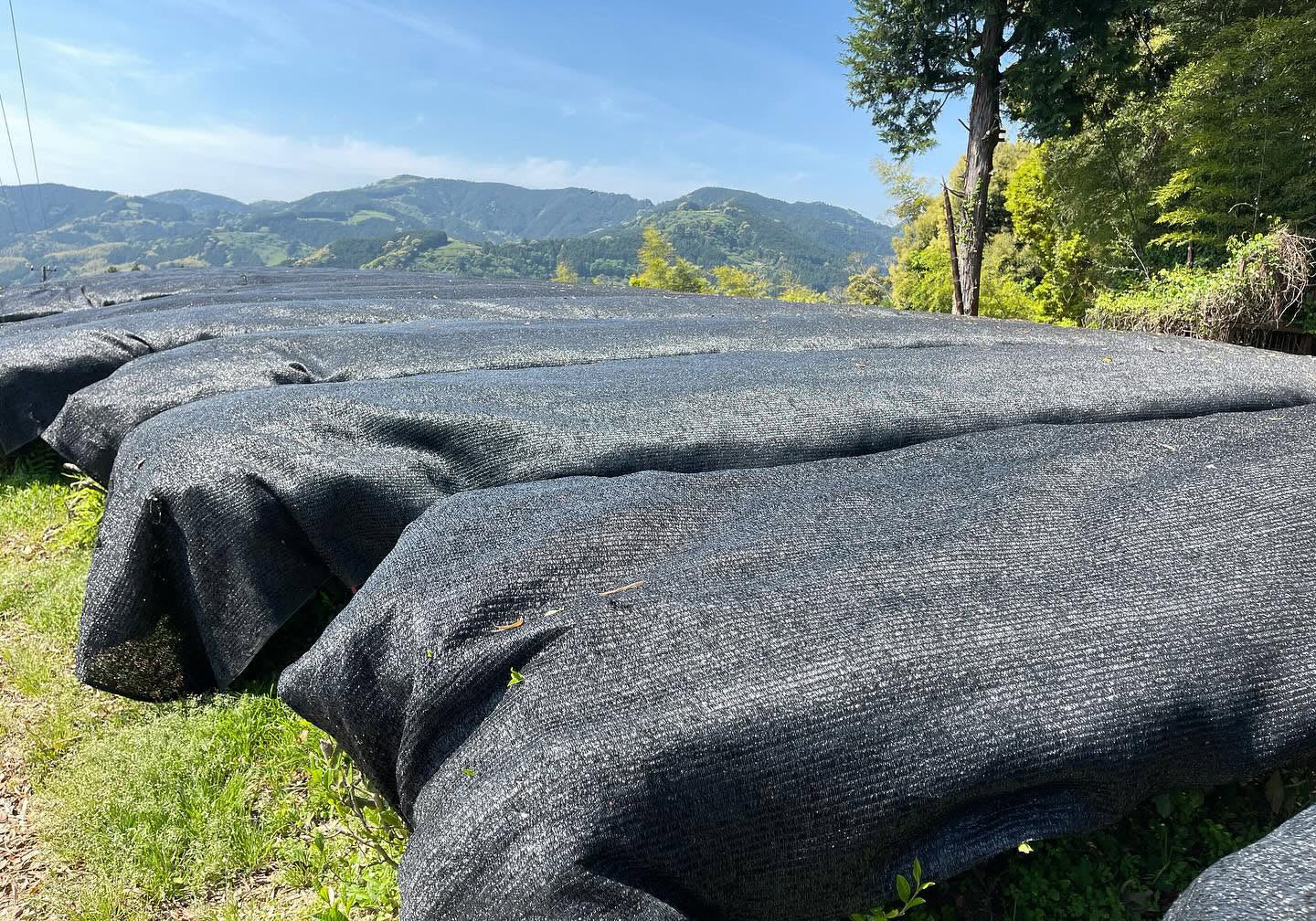
For kabusecha, a premium green tea, the Kinezukas cover several fields with shade cloth for twenty days from early April, right up until picking. That shade raises the levels of chlorophyll and L-theanine, the amino acid behind umami sweetness. The result is a sweeter tea that sits somewhere between an ordinary sencha and a full gyokuro.
For steaming, Naturalitea usually uses the asamushi method: a light steam of thirty to forty seconds. Leaves from higher-altitude areas, like Naturalitea’s, are thinner than leaves from lower areas, a result of cooler temperatures and less sunlight. Those thinner leaves show best with a shorter steaming time.
From aracha to black tea
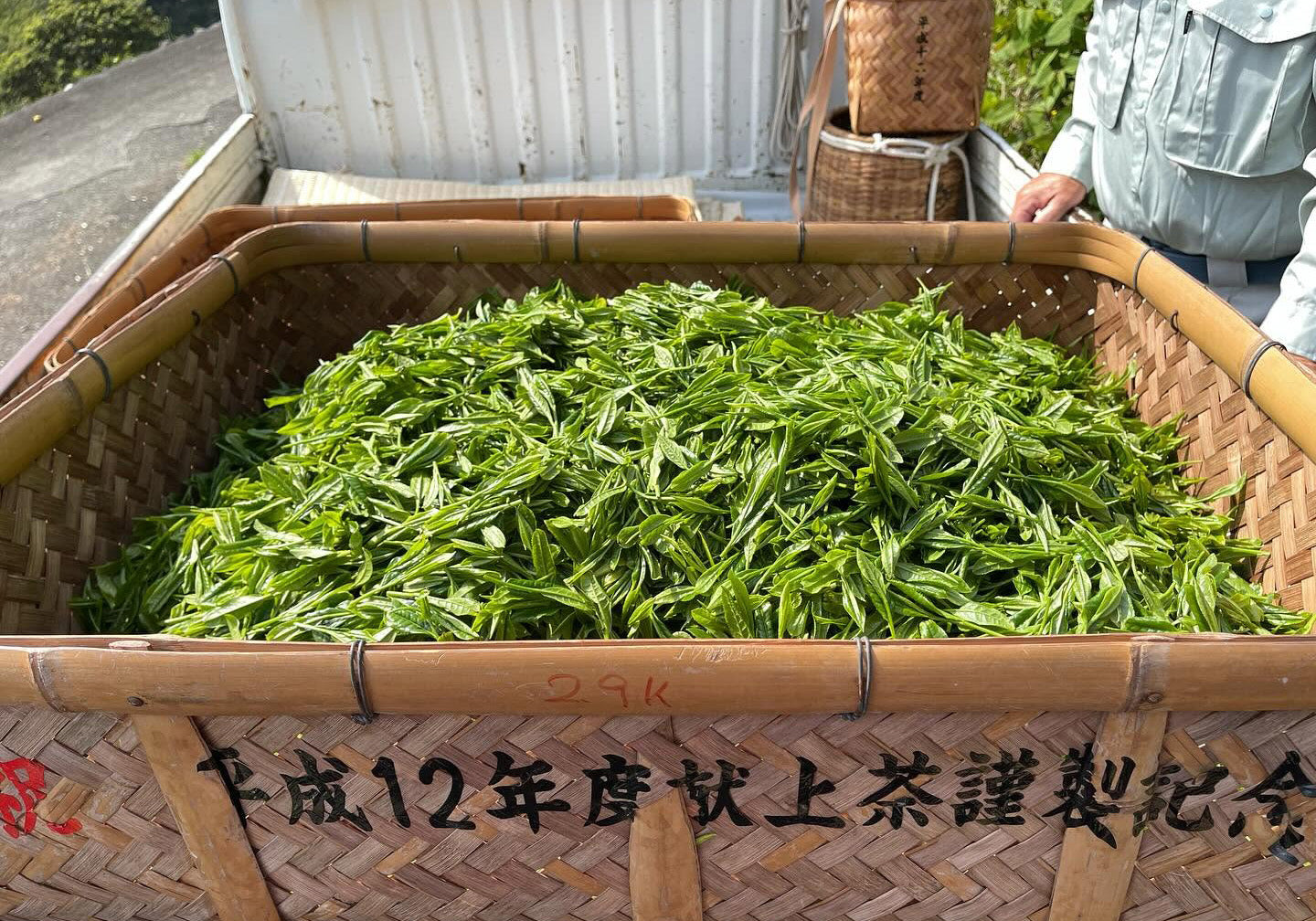
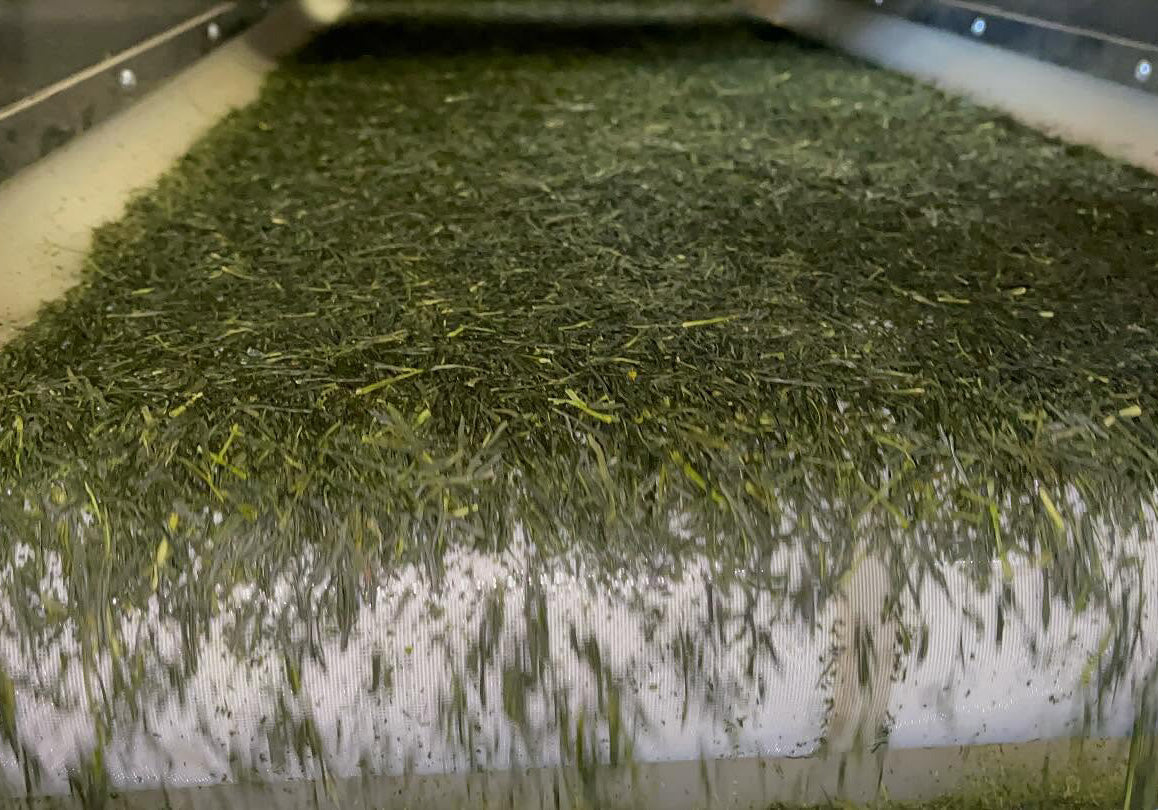
Steaming is followed by several rounds of rolling and drying until the tea reaches the form of aracha. The whole process, from fresh leaf to raw tea, takes about six hours.
In summer, the business also makes black tea under the name Setoya Momiji. For this harvest, the unka, a small leafhopper, plays an important role: its bites on the living leaf trigger oxidation before picking even takes place, a phenomenon also known from Taiwan’s Oriental Beauty oolong.
Roasting, grinding and the finishing touch
For houjicha, Naturalitea roasts both spring leaf, for a finer premium version, and autumn leaf, for more everyday use. For matcha, the bushes are shaded for twenty to thirty days to produce tencha, after which traditional stone mills grind the leaf into powder at a rate of thirty to forty grams an hour.
The final processing, shiage, is Tamiko’s work. She sorts the aracha by size, separates the stems from the leaf and applies hi-ire, the last drying and firing treatment that determines each tea’s final character. Most of Naturalitea’s teas are blends of aracha from different fields and harvest days, put together to achieve a consistent flavour profile.
Community and hospitality
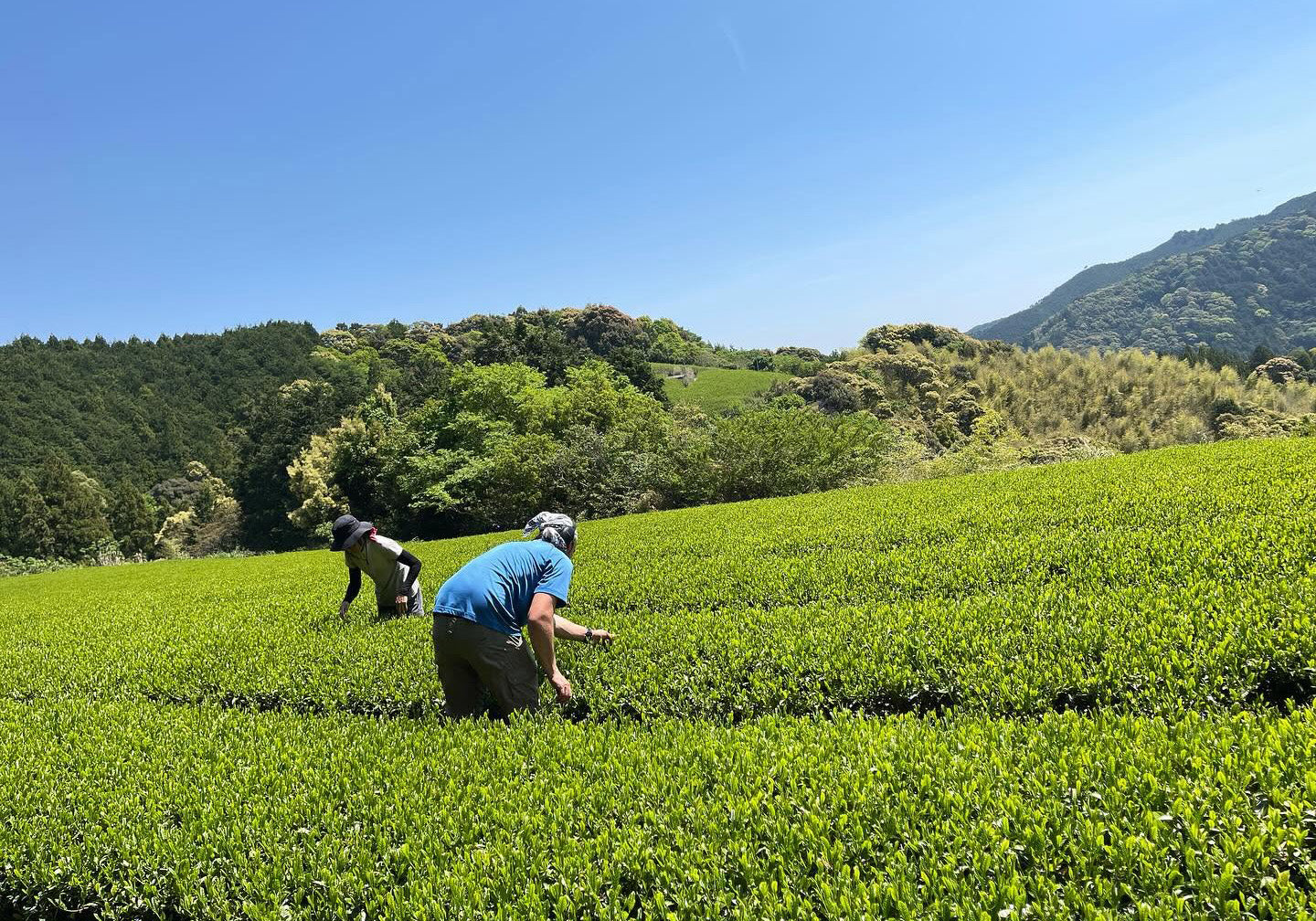
Naturalitea hosts international volunteers who help out in the tea fields, in the factory or with composting. Those who prefer a shorter visit can book a field tour with a tasting, or stay overnight at Tsubaki Tei, a Japanese farmhouse more than a hundred years old that the family converted into guest accommodation in the mountains of Setoya.
Tea Kulture and Naturalitea
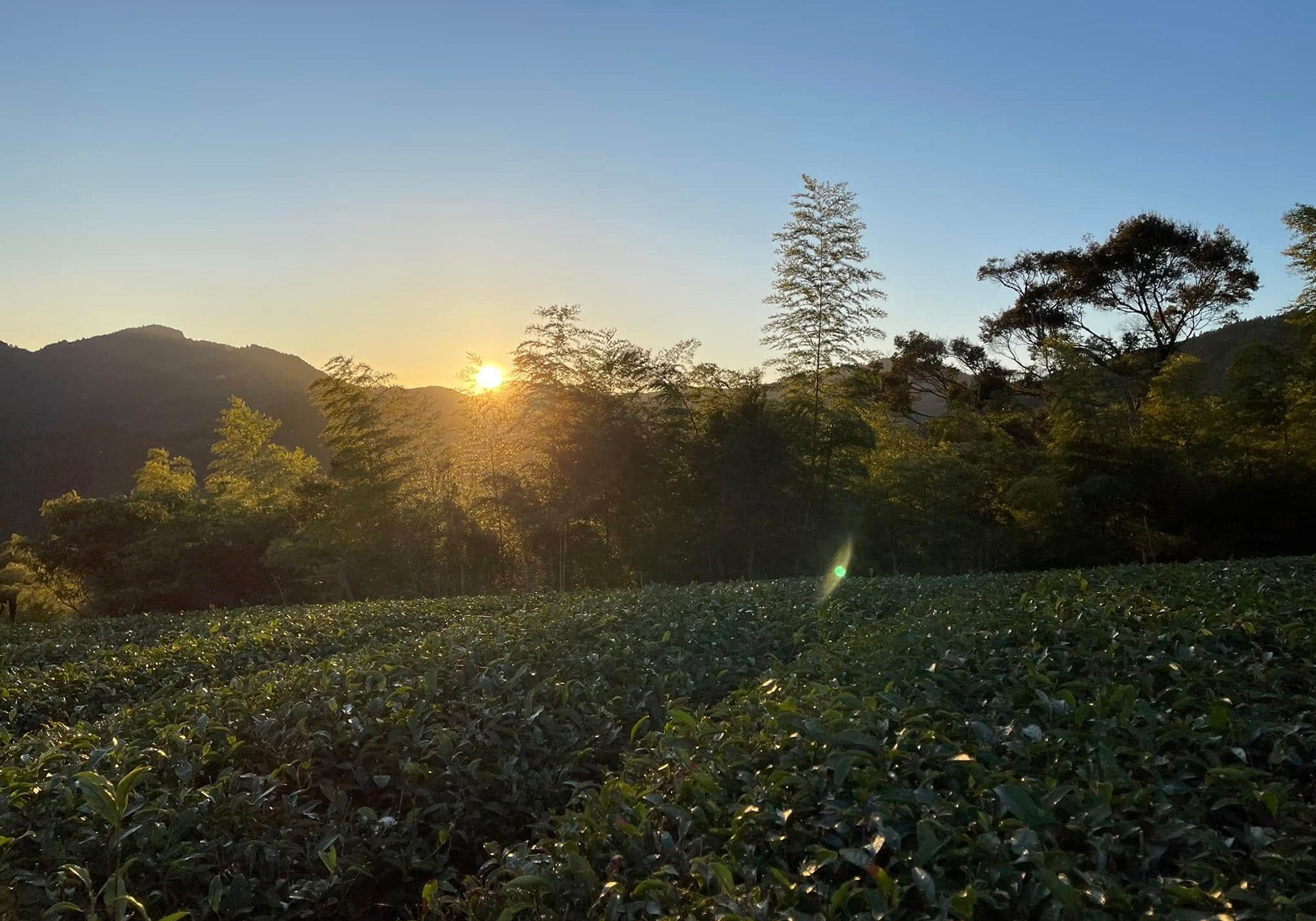
The way Naturalitea works closely matches what Tea Kulture looks for in its partners. It is not about a label on a package, but about a tea farmer who can explain what his choices mean for the soil and the surrounding environment, and a family that keeps every step from cultivation to sale in its own hands. That openness makes the origin of this tea fully traceable.
By working directly with Naturalitea, Tea Kulture gains access to a unique part of the Japanese tea world.
Free Delivery
From €50 in BE and NL.

Pickup Available
In Zonhoven and Hasselt (BE).

Fast Shipping
Within 2-3 business days.

Secure Payment
Multiple payment options.