



Free Delivery
From €50 in BE and NL
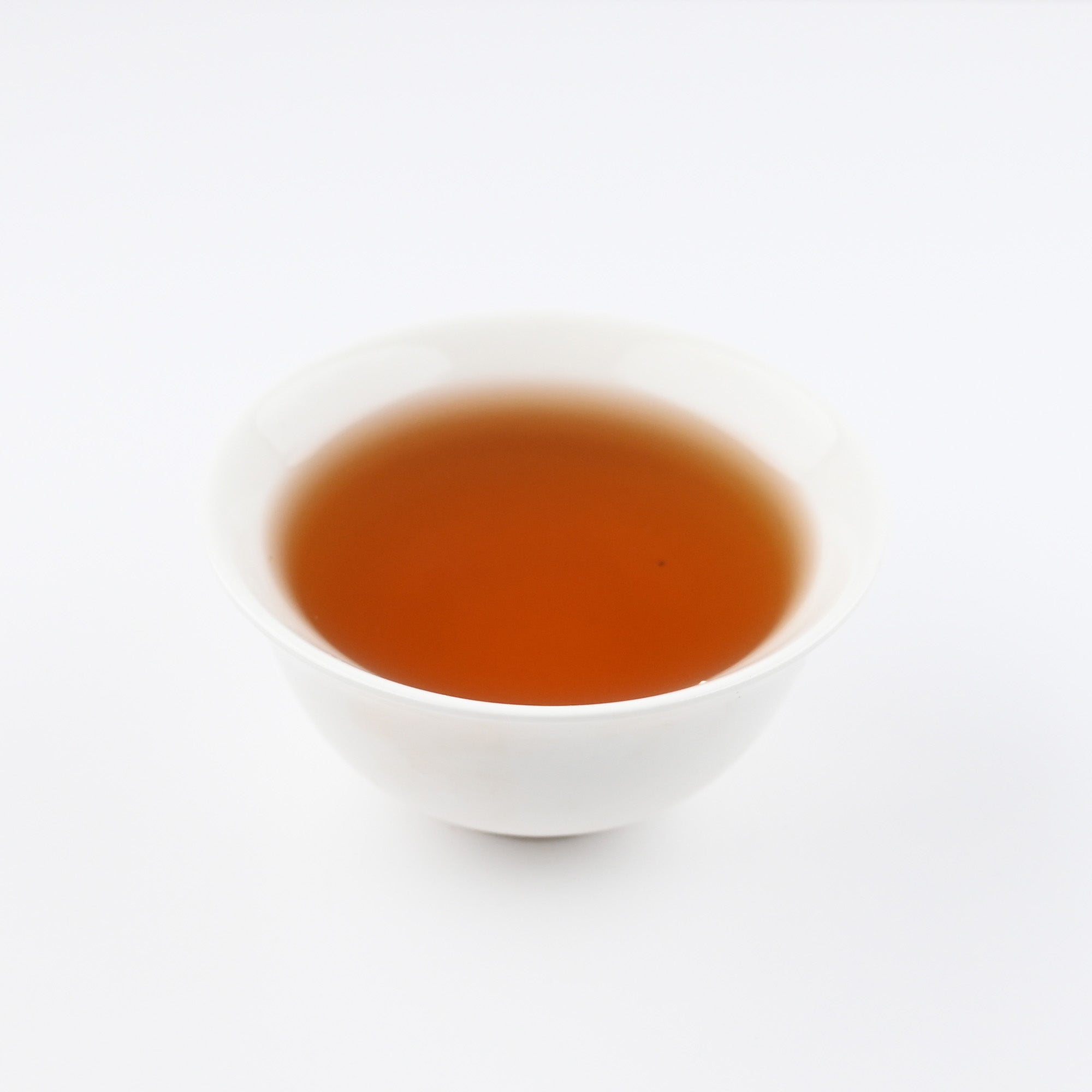
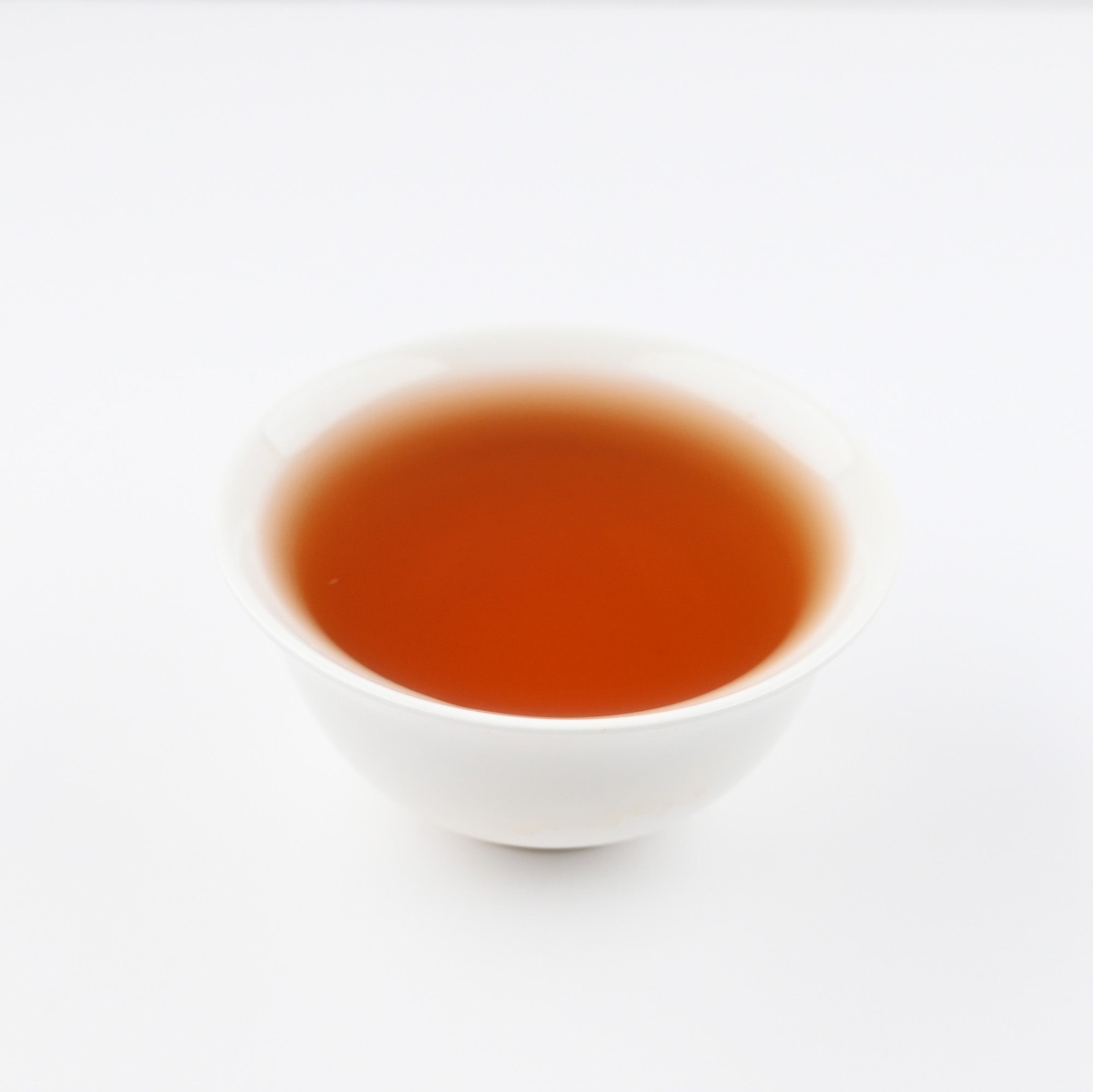
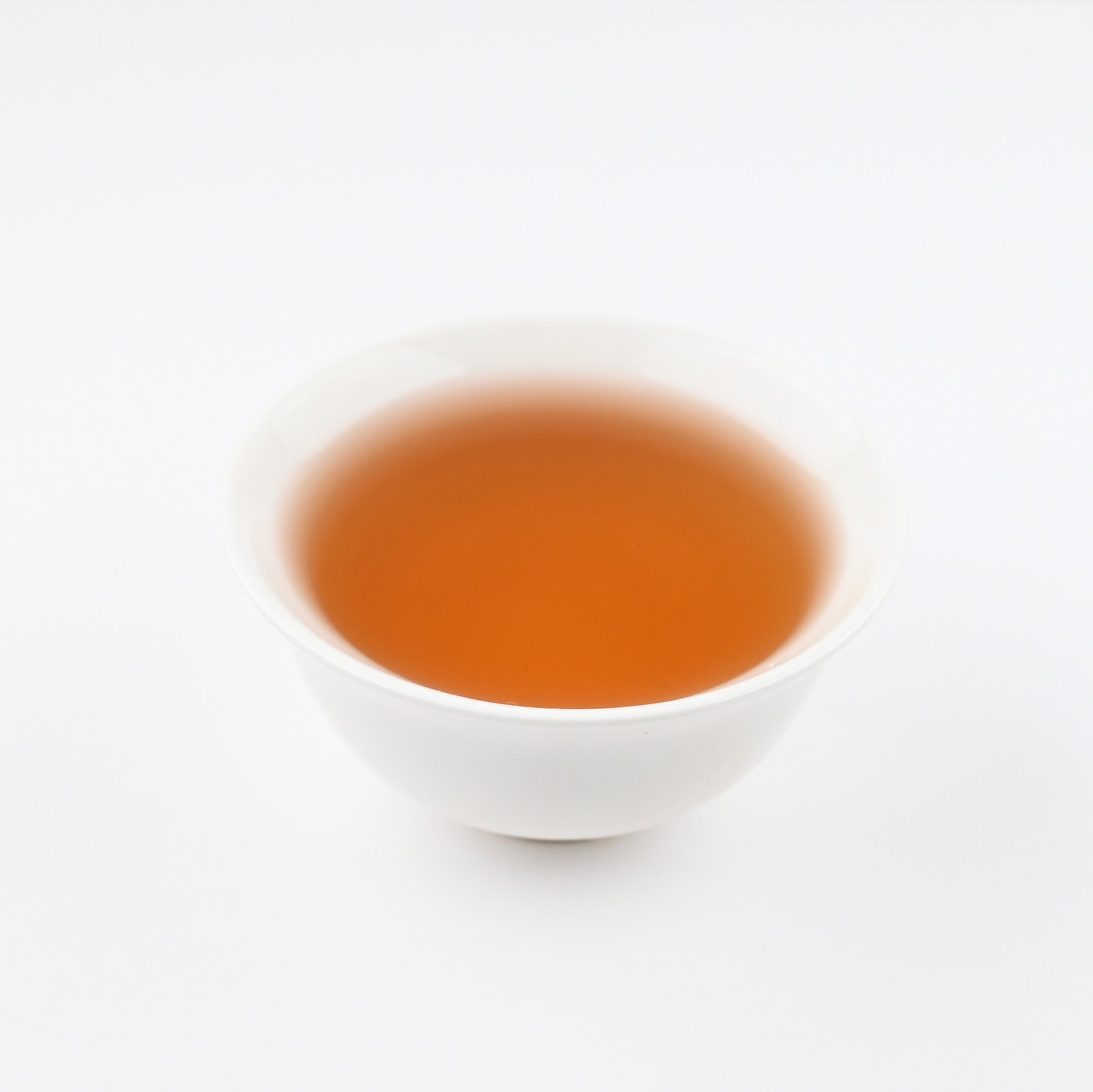
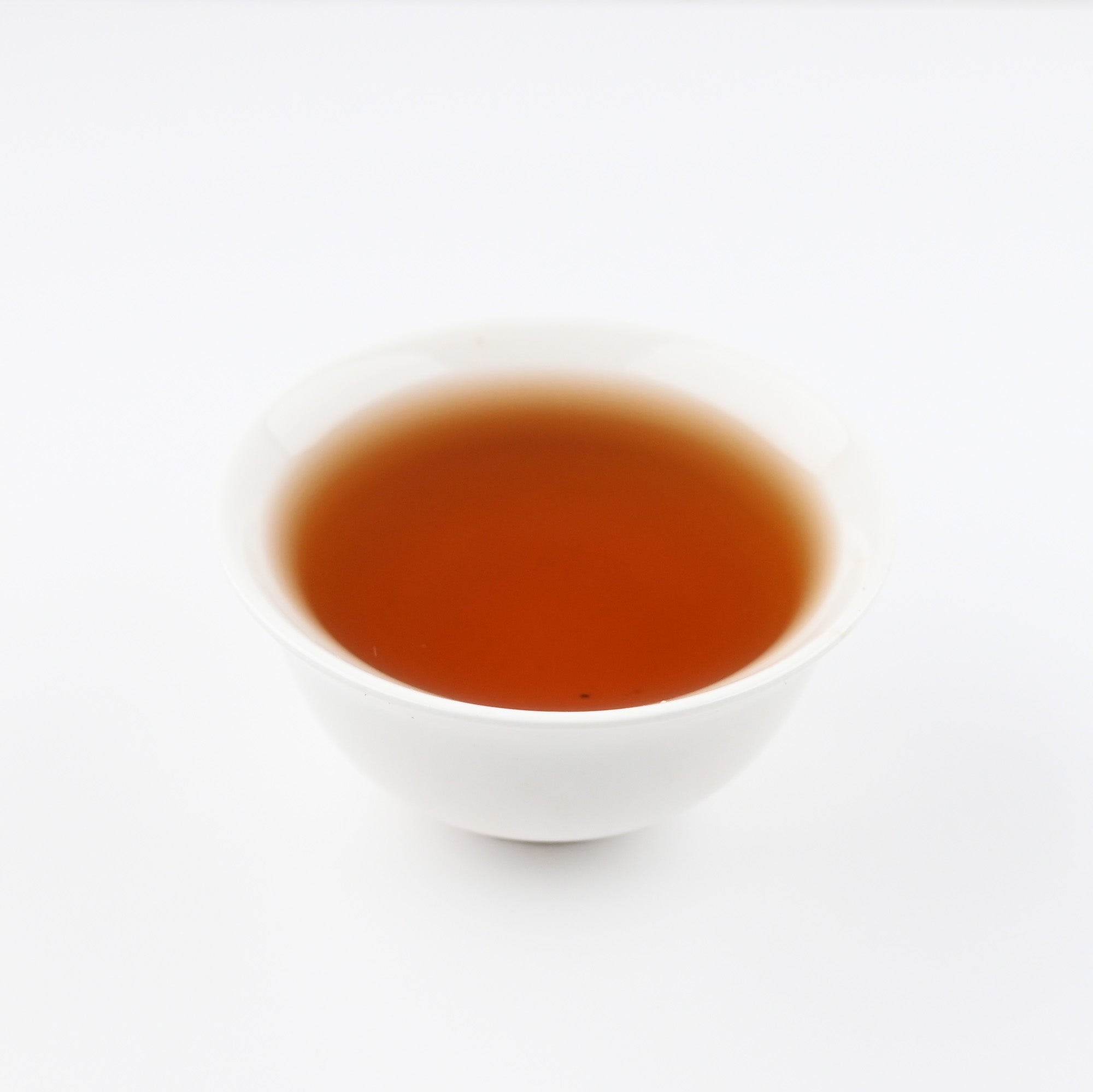
From malty and full-bodied to fruity and floral: black tea owes its rich flavour to the full oxidation of the leaves. Discover our loose-leaf black tea, direct from small tea farmers in Myanmar, Malawi, Sri Lanka, and other origins.
Filters
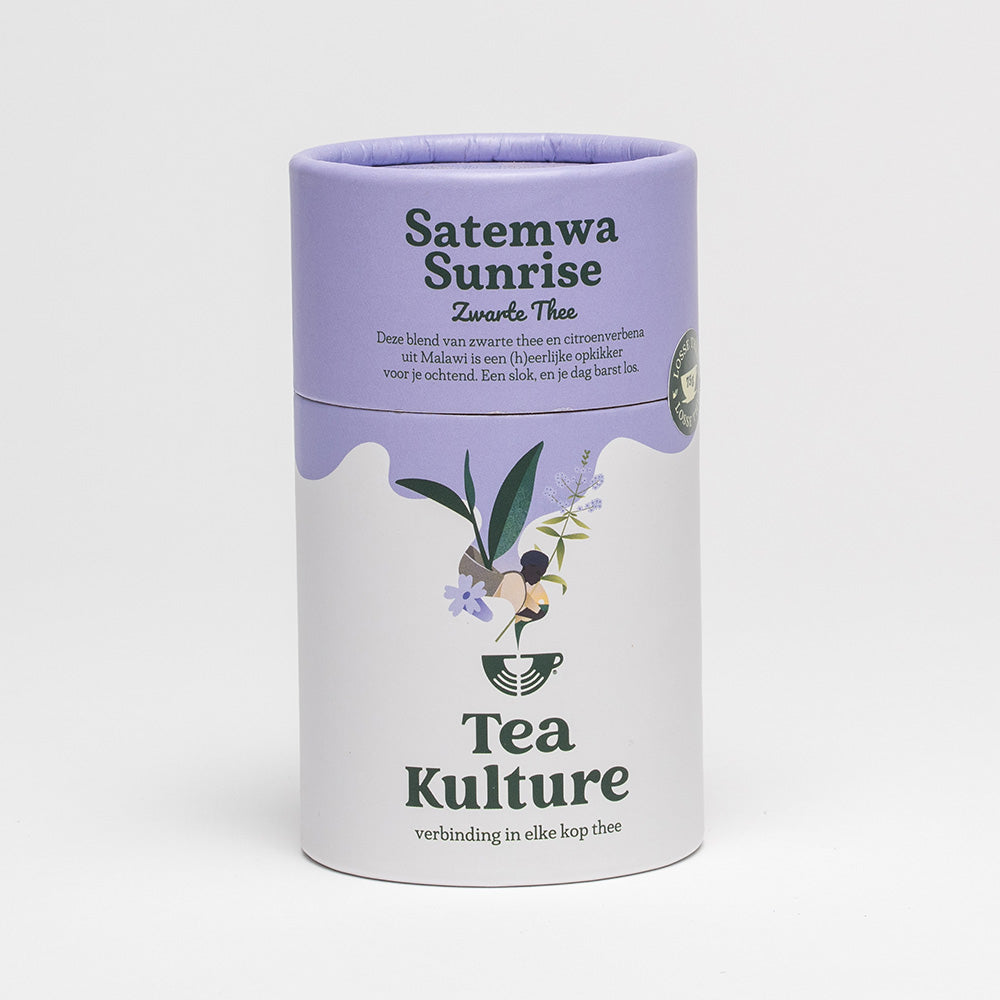
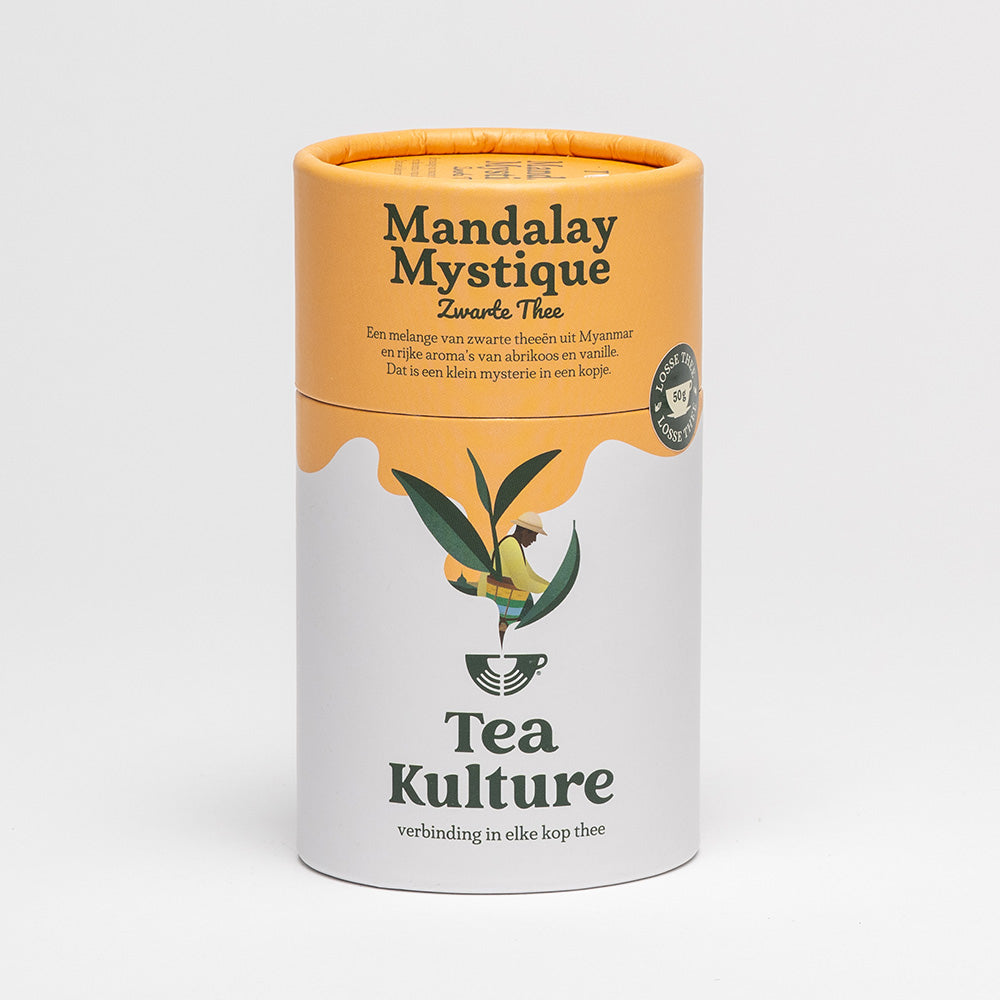
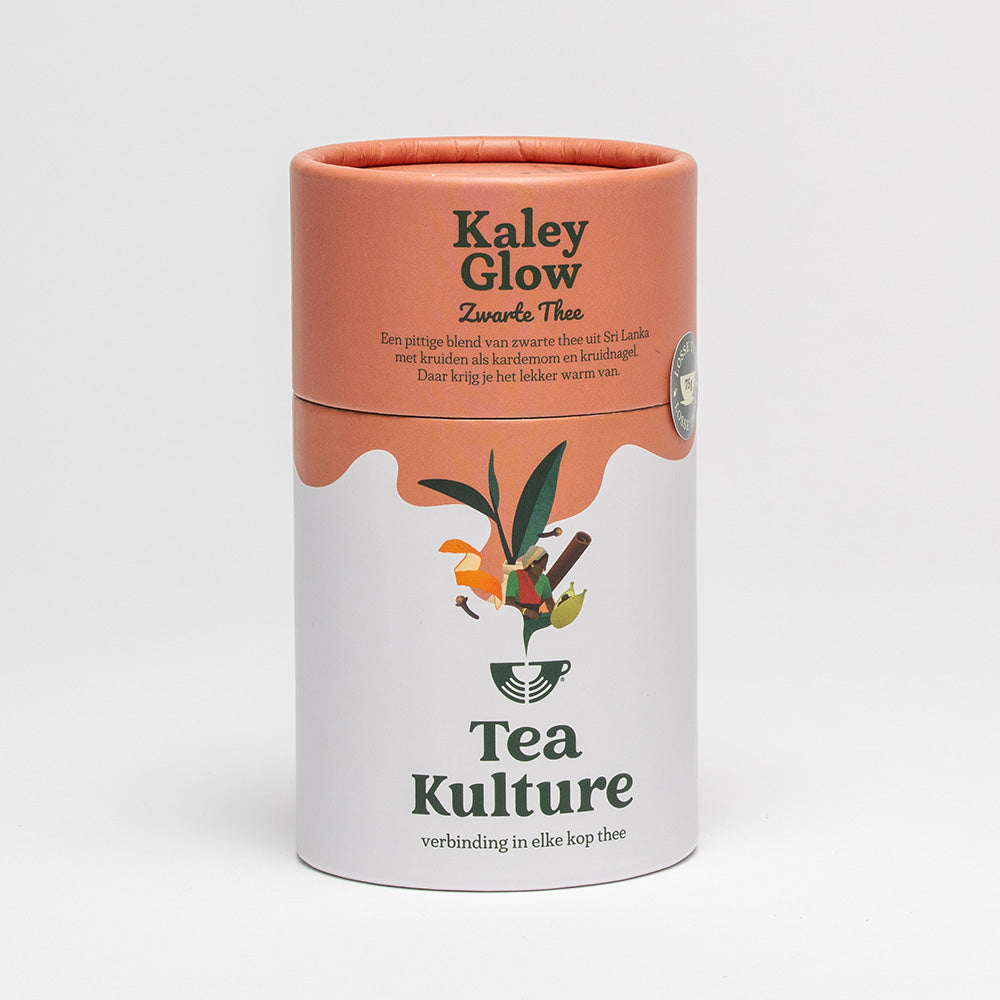
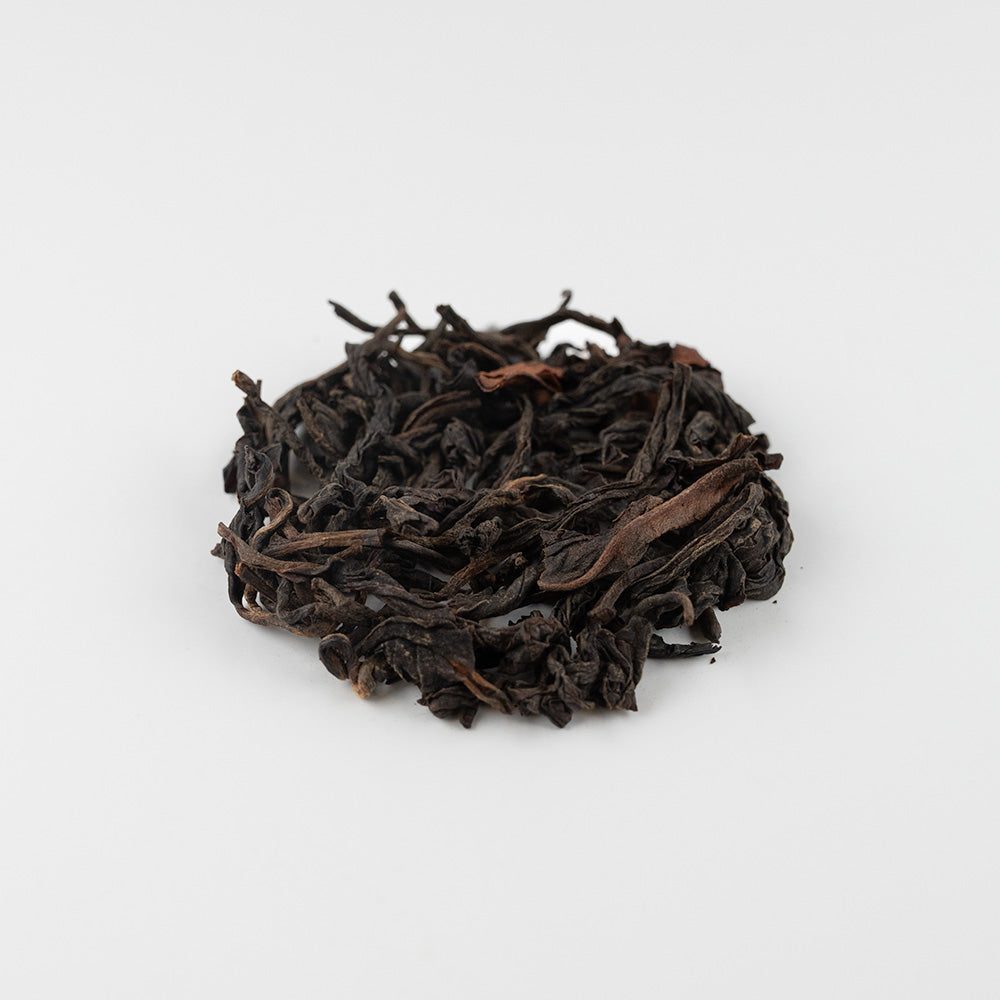
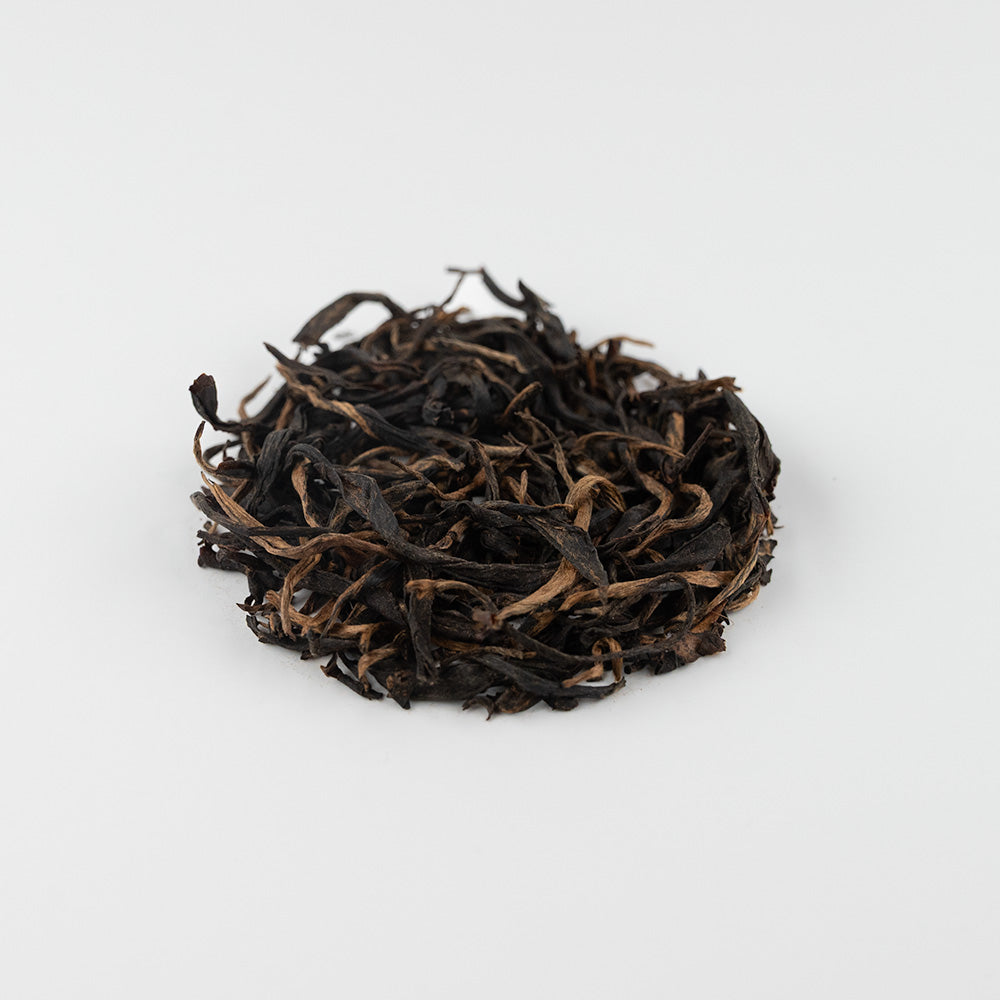
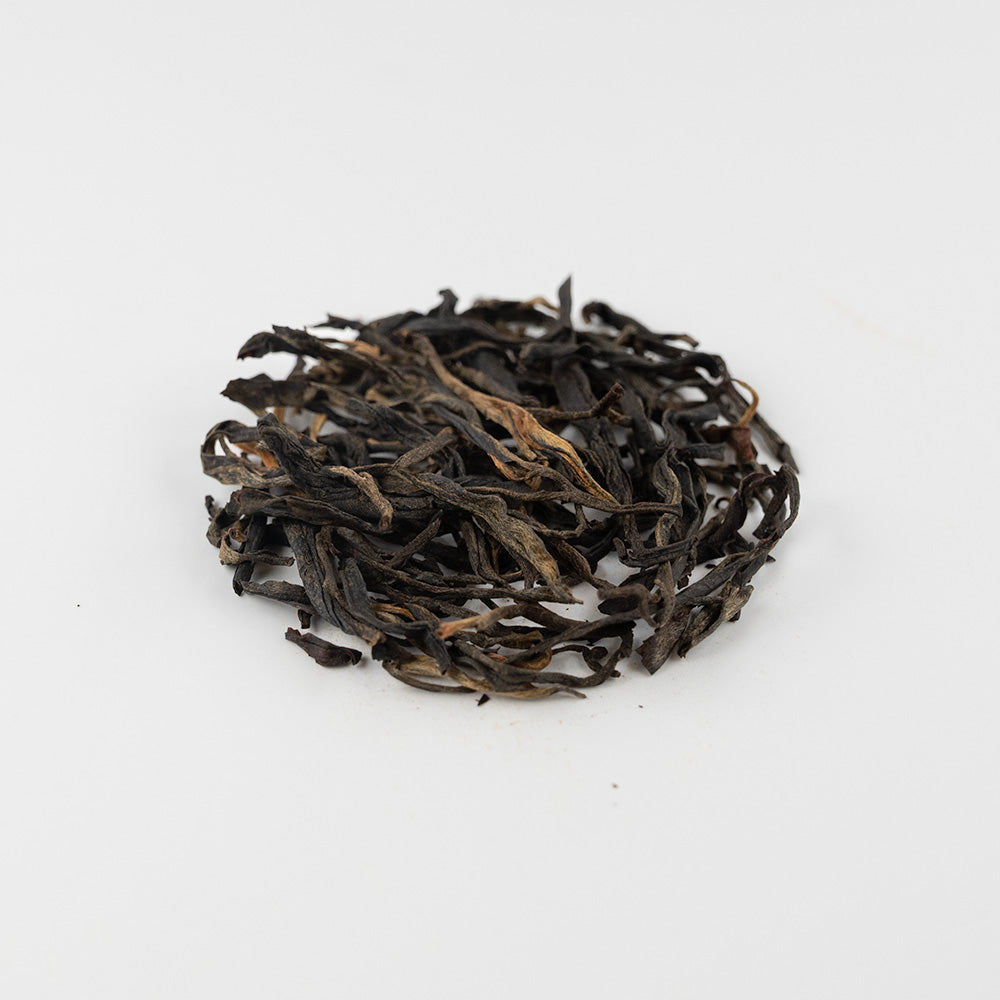
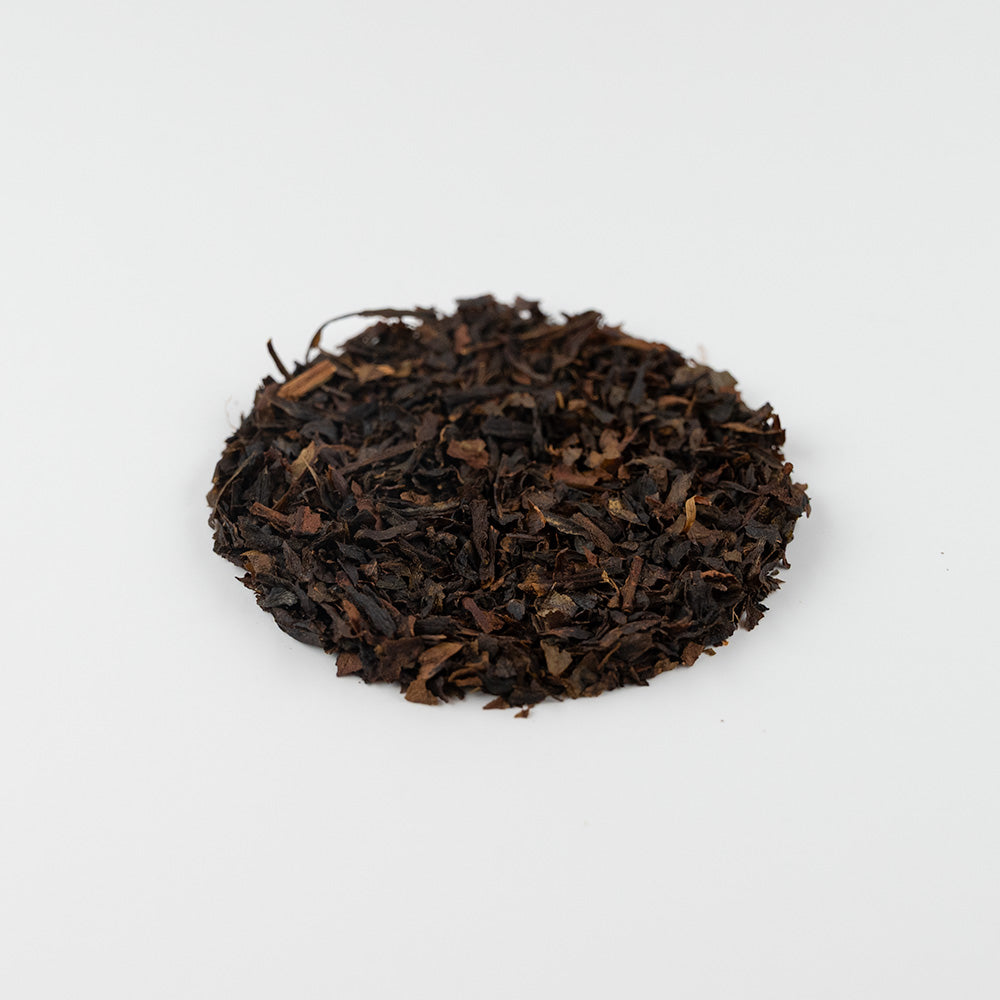
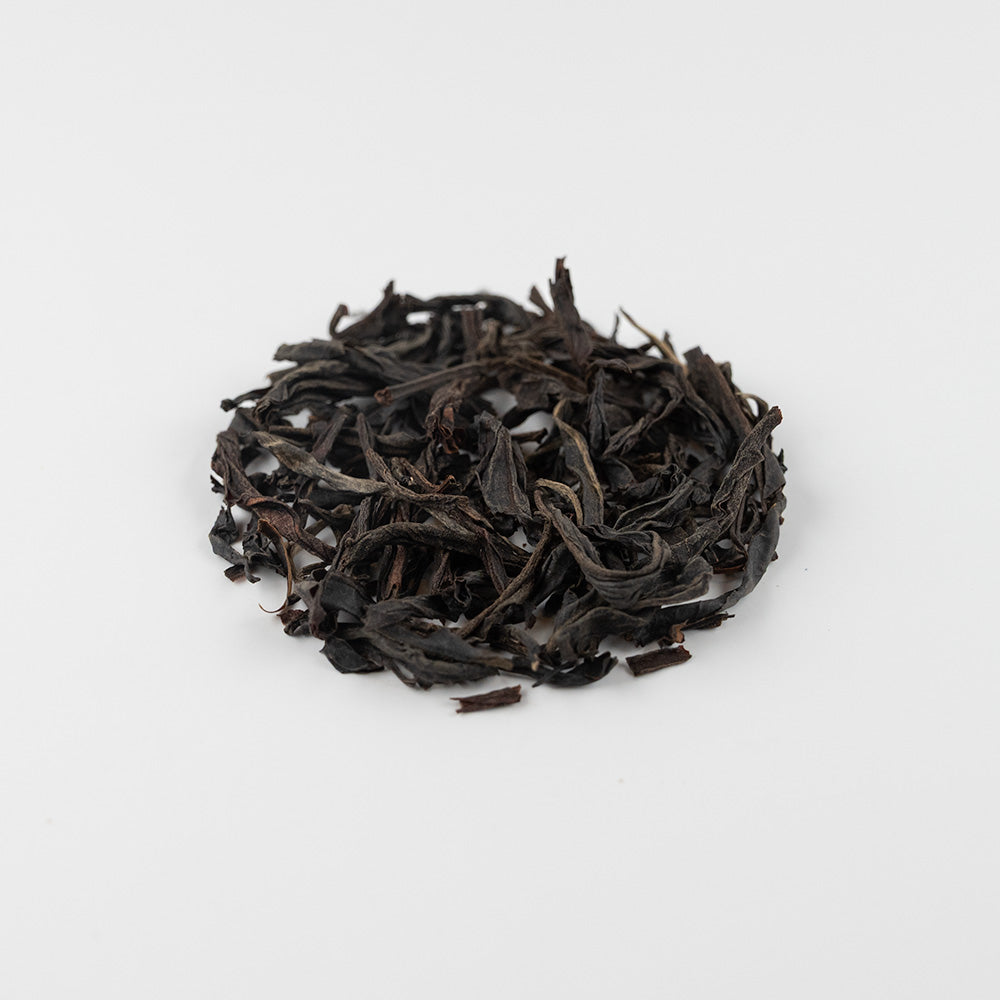
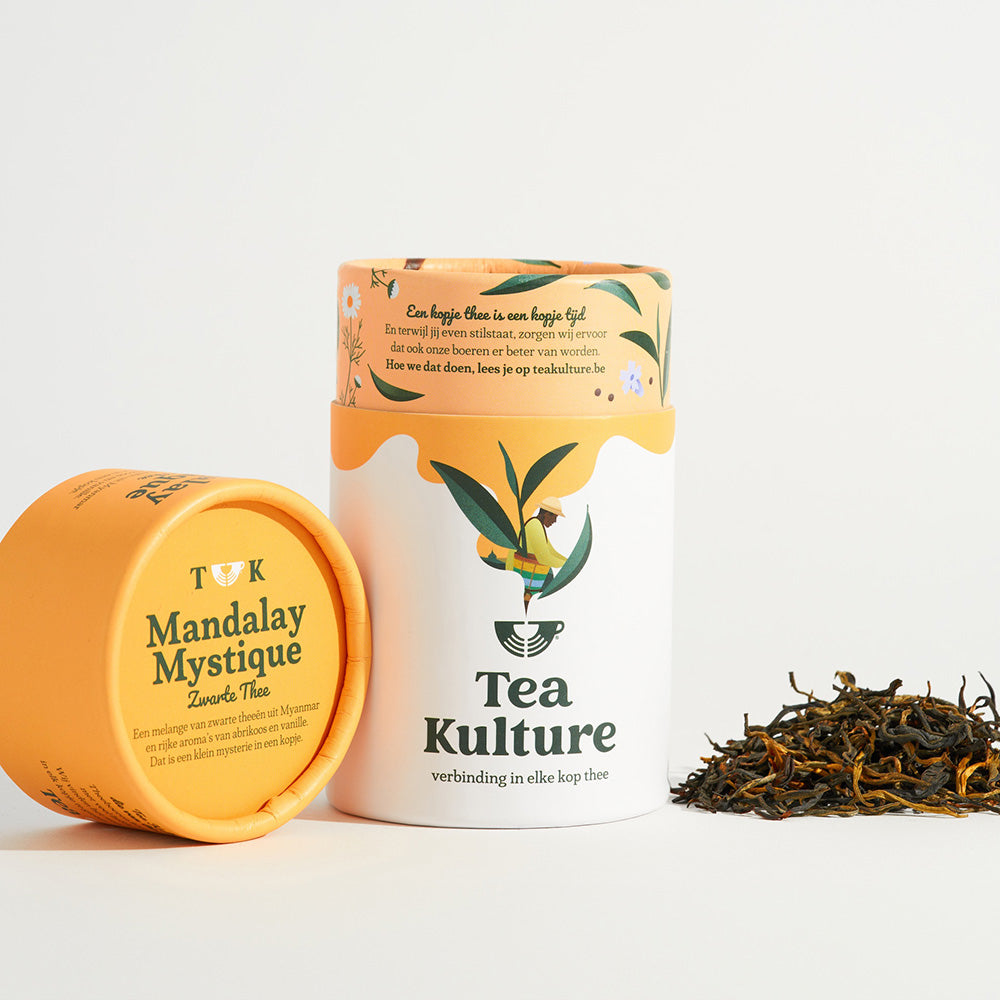
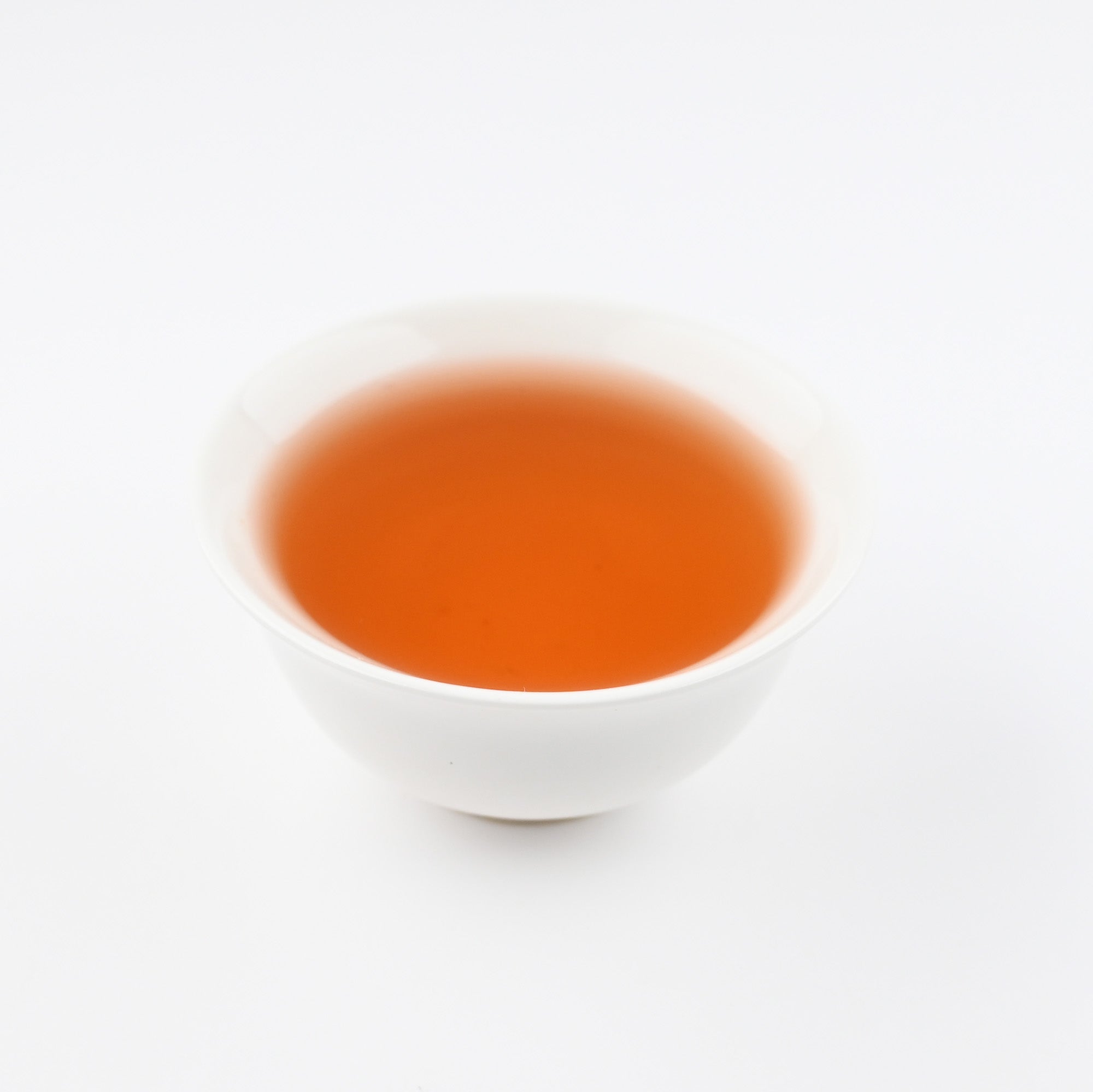
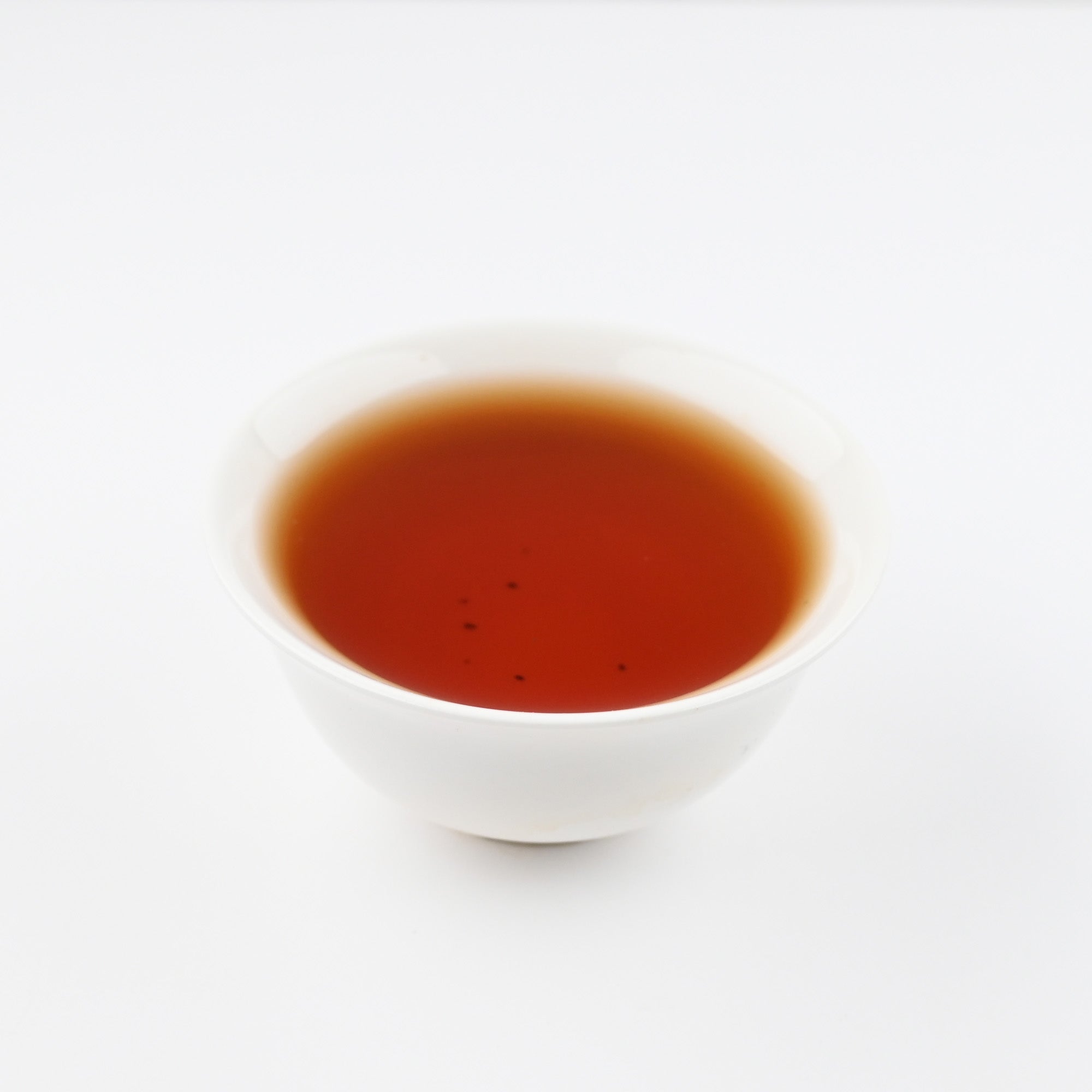
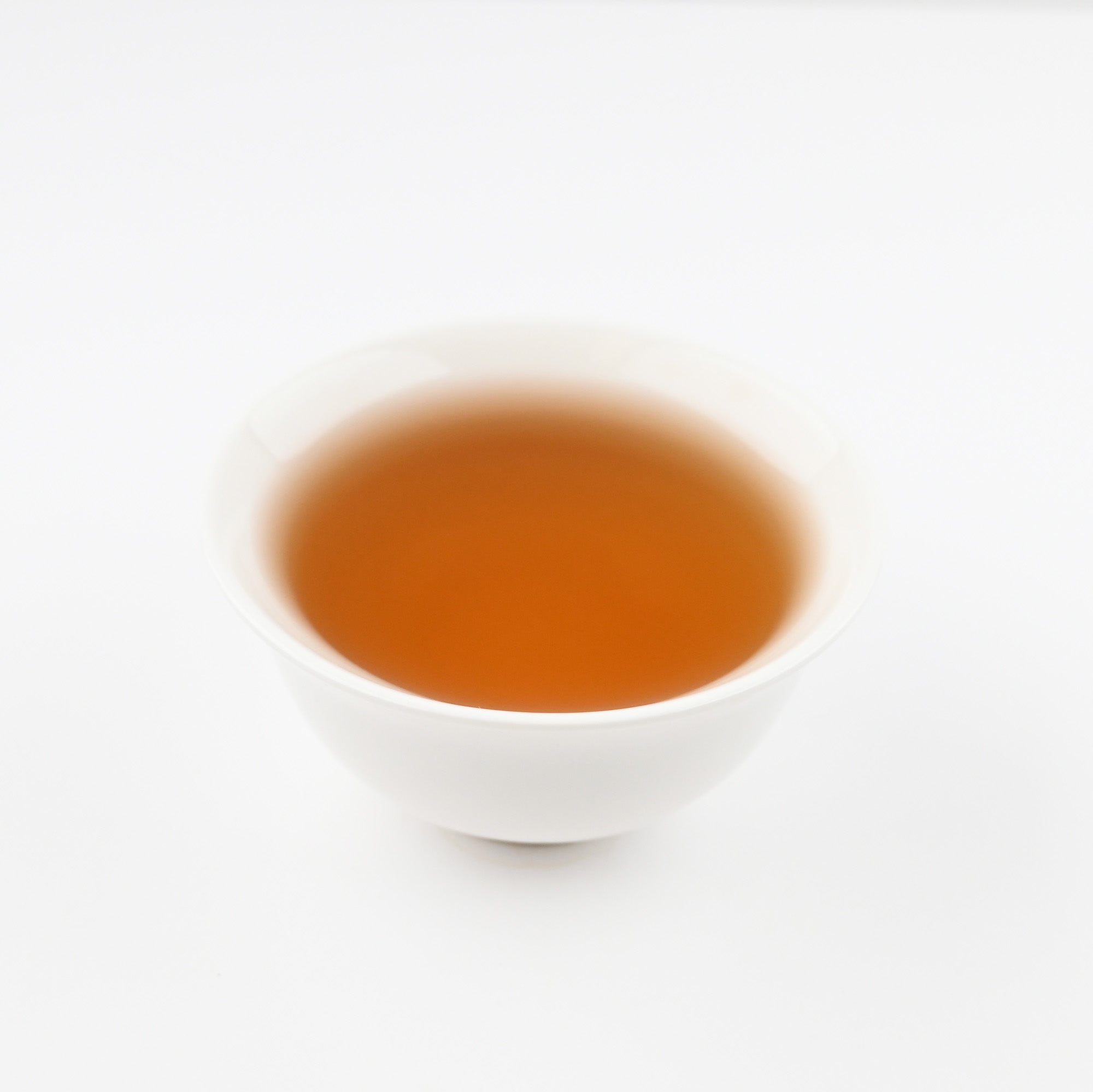
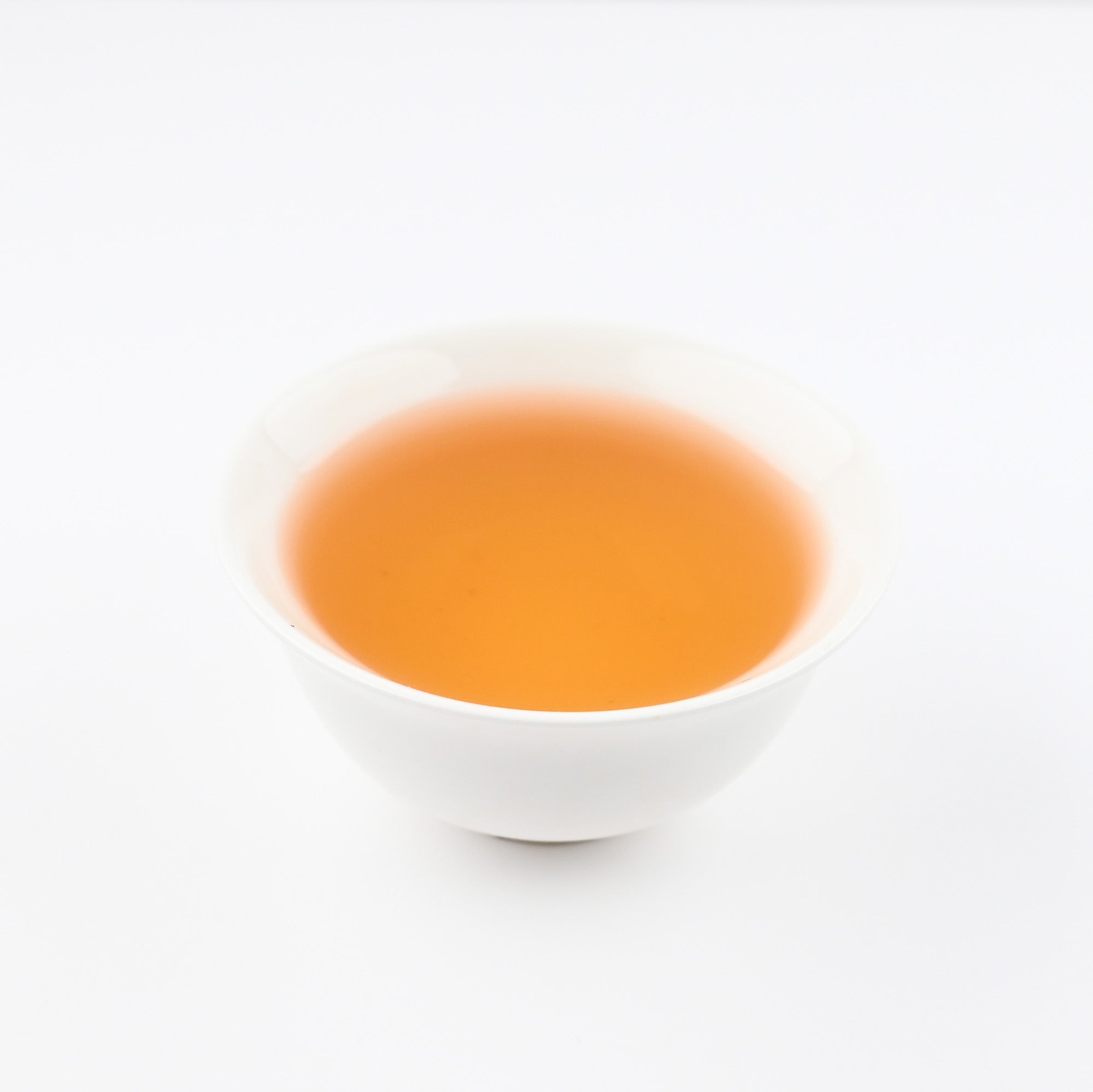
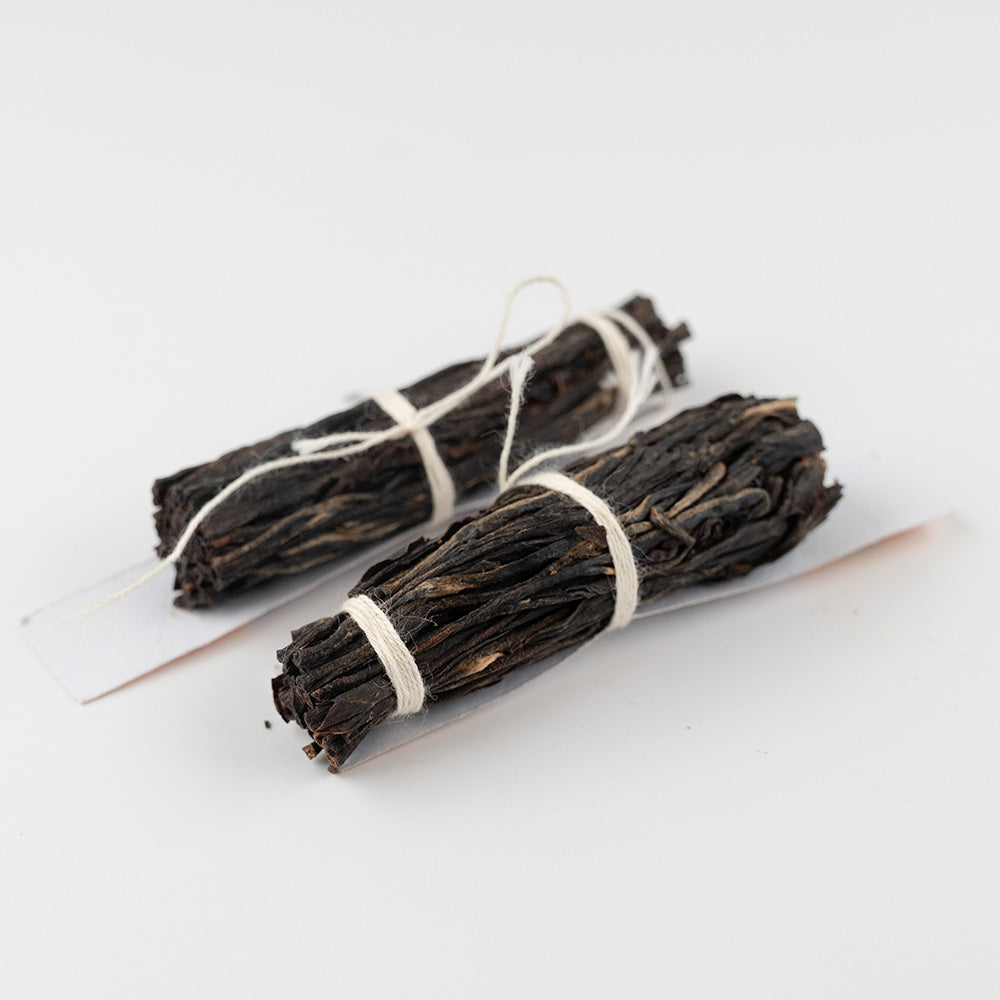
A rare black tea, only made in small batches and carefully hand-rolled.
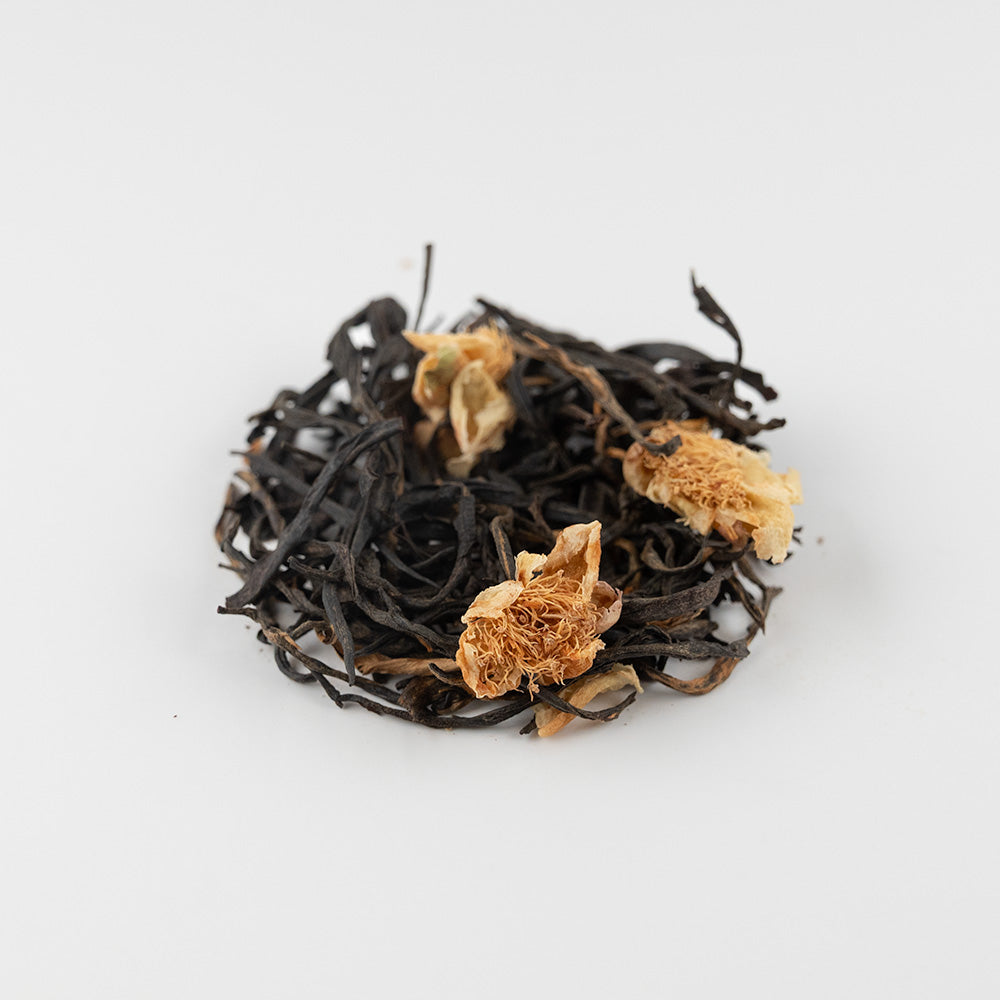
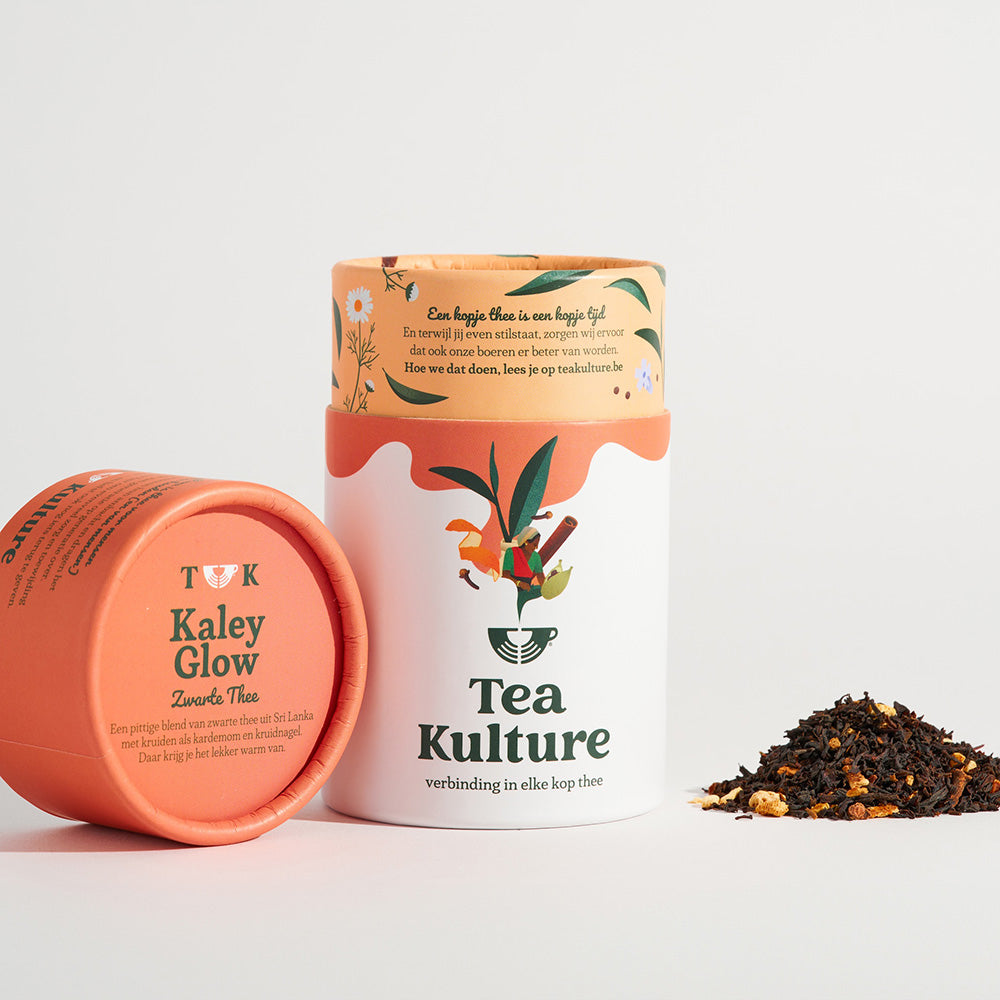
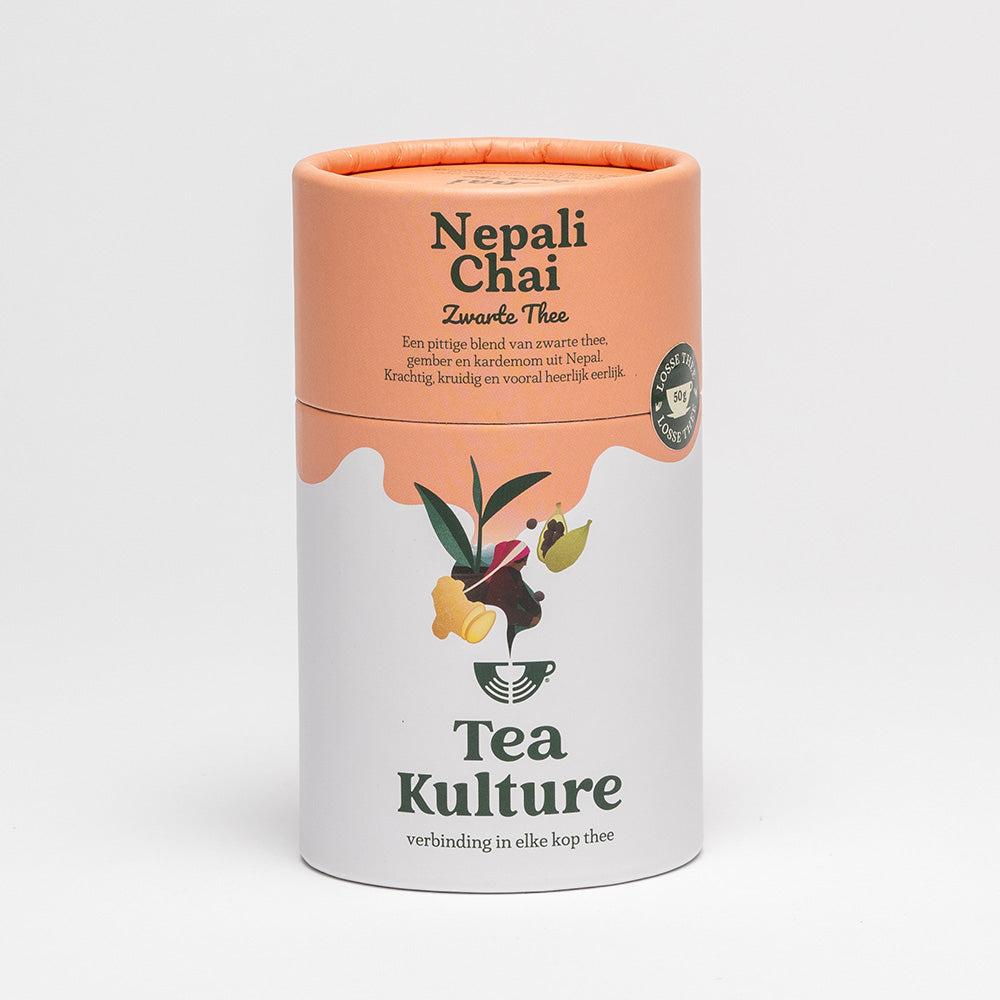
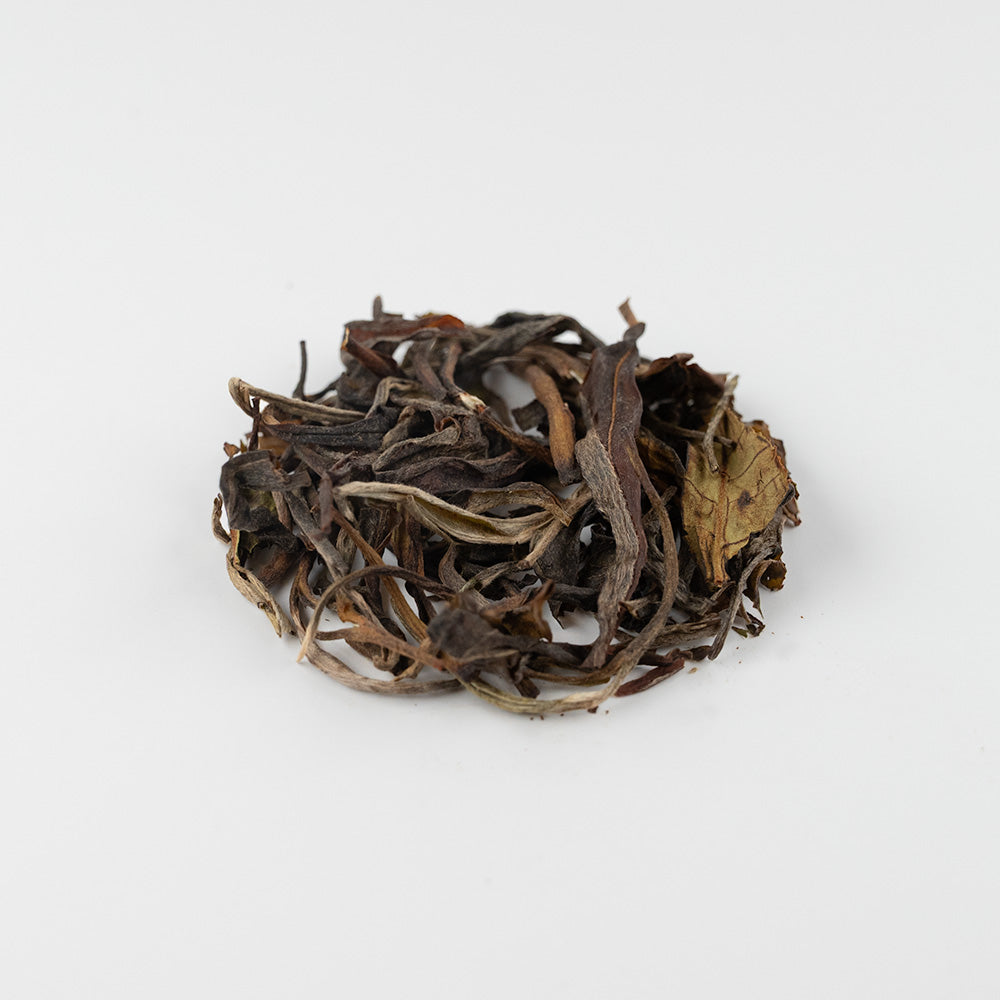
A black tea and the crown jewel of Amba Tea Estate In Sri Lanka.
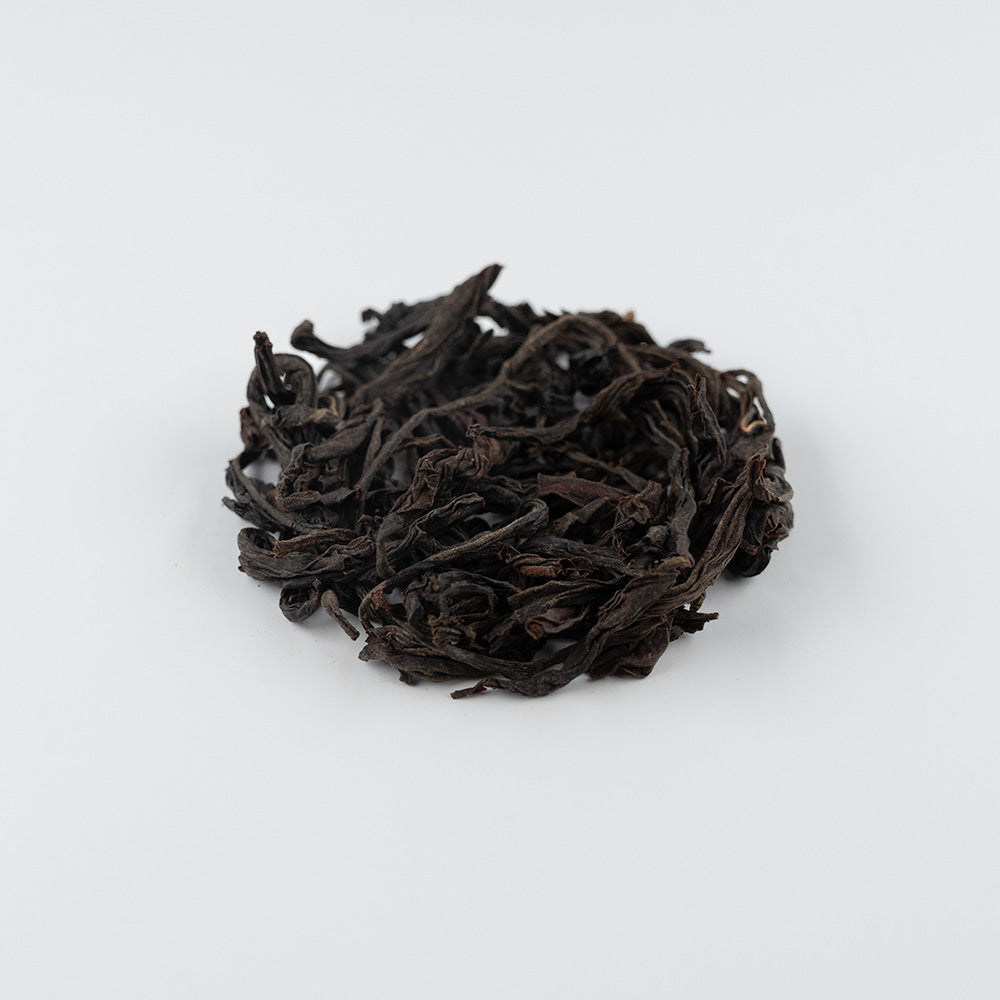
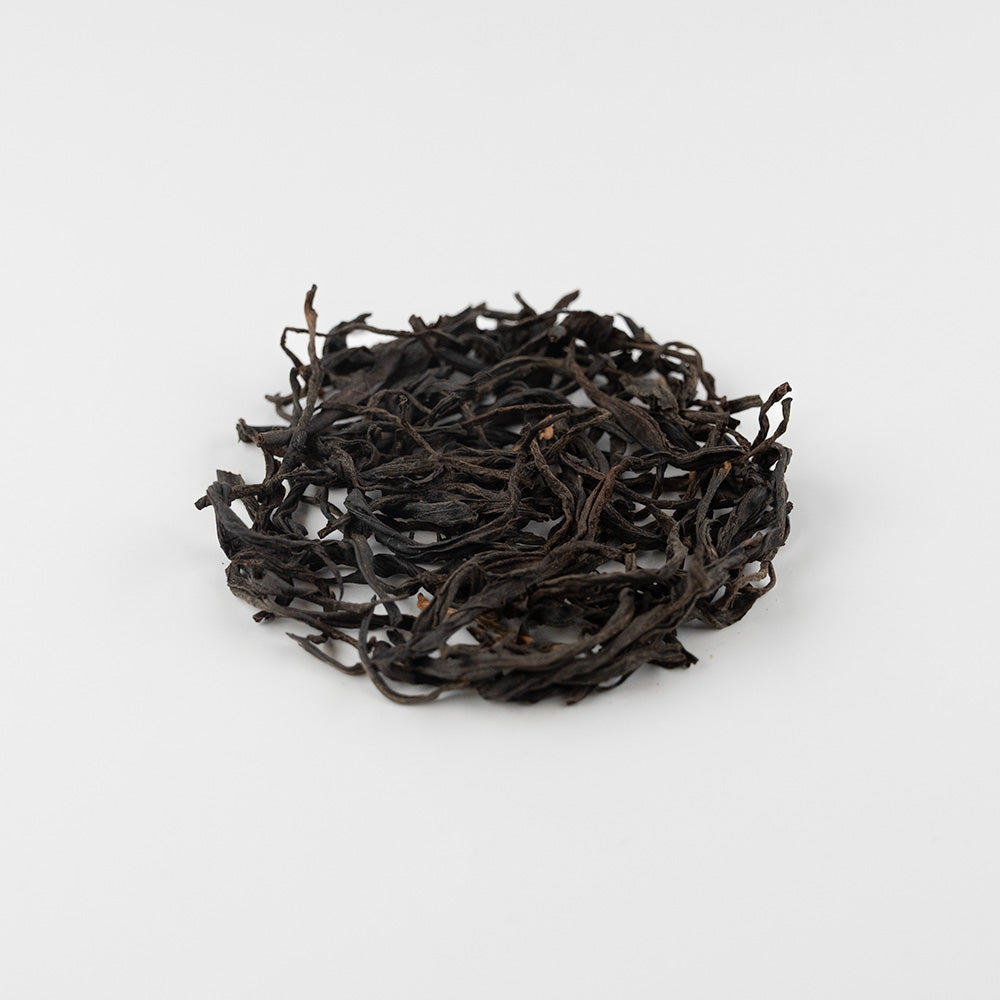
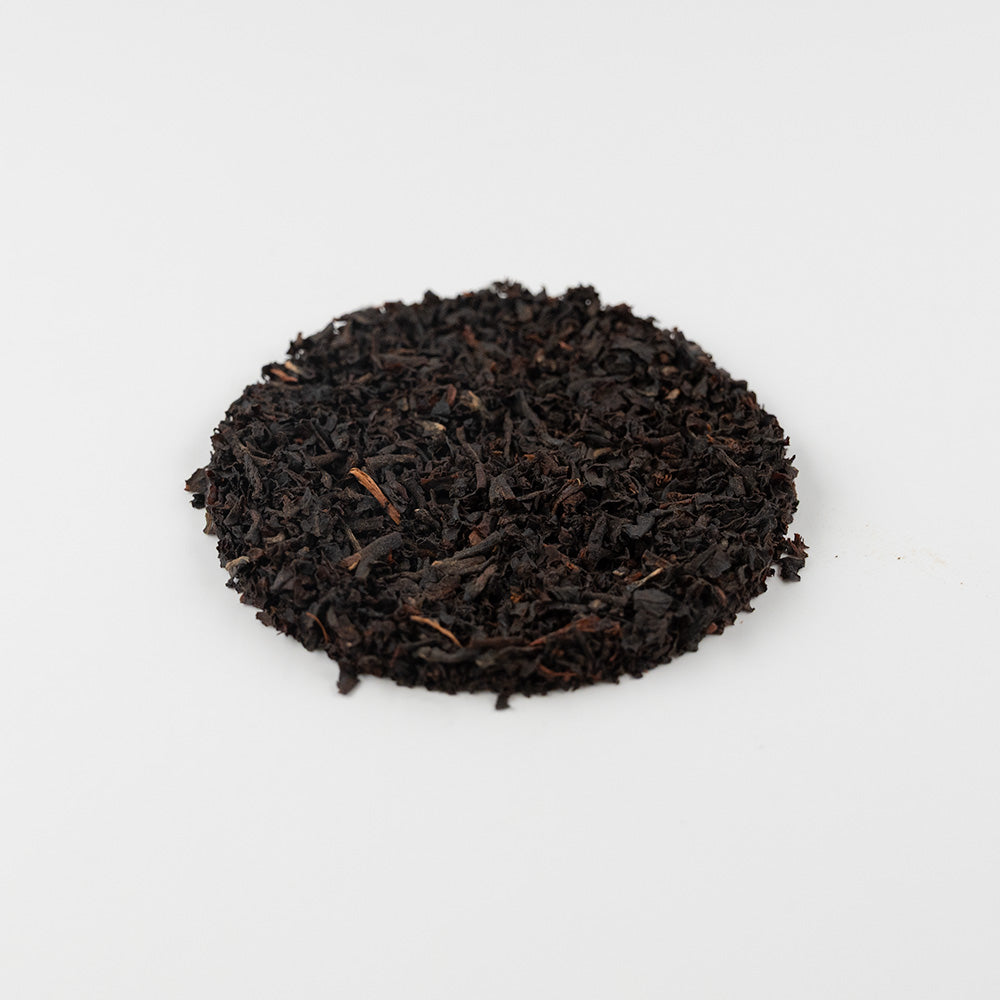
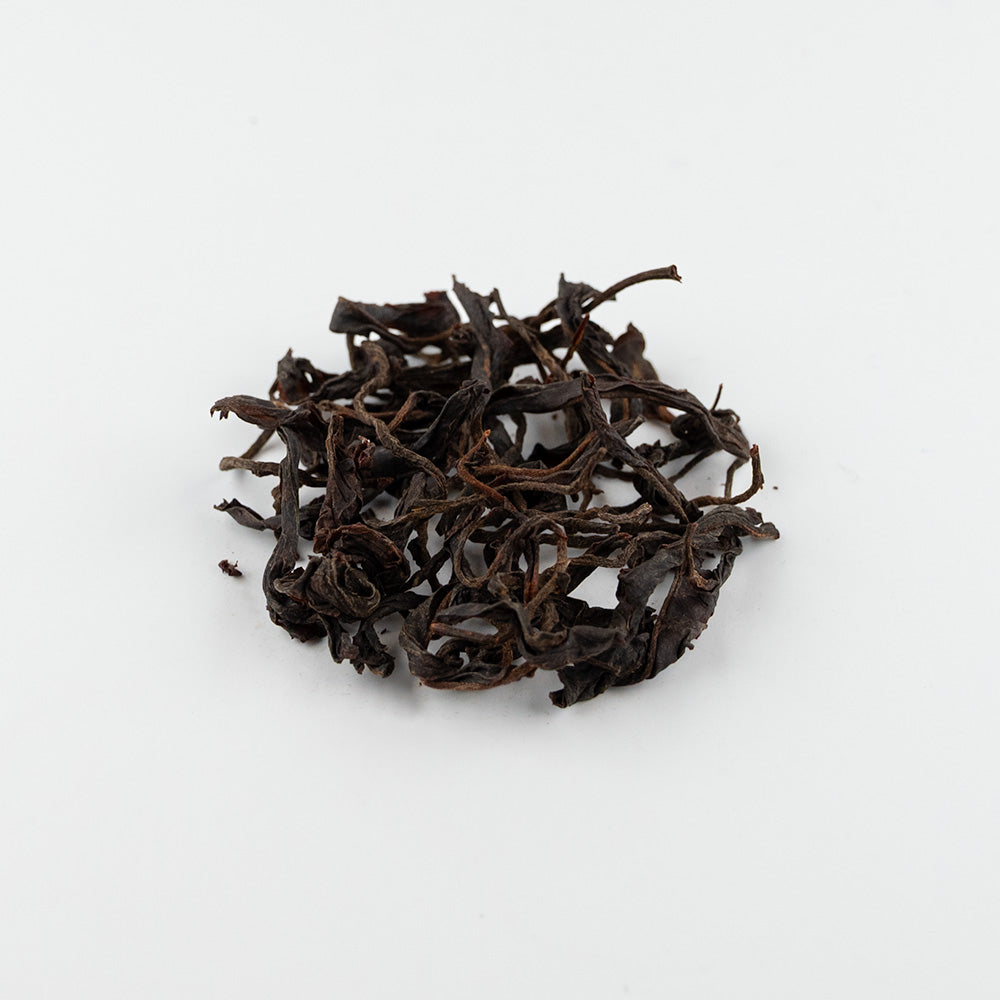
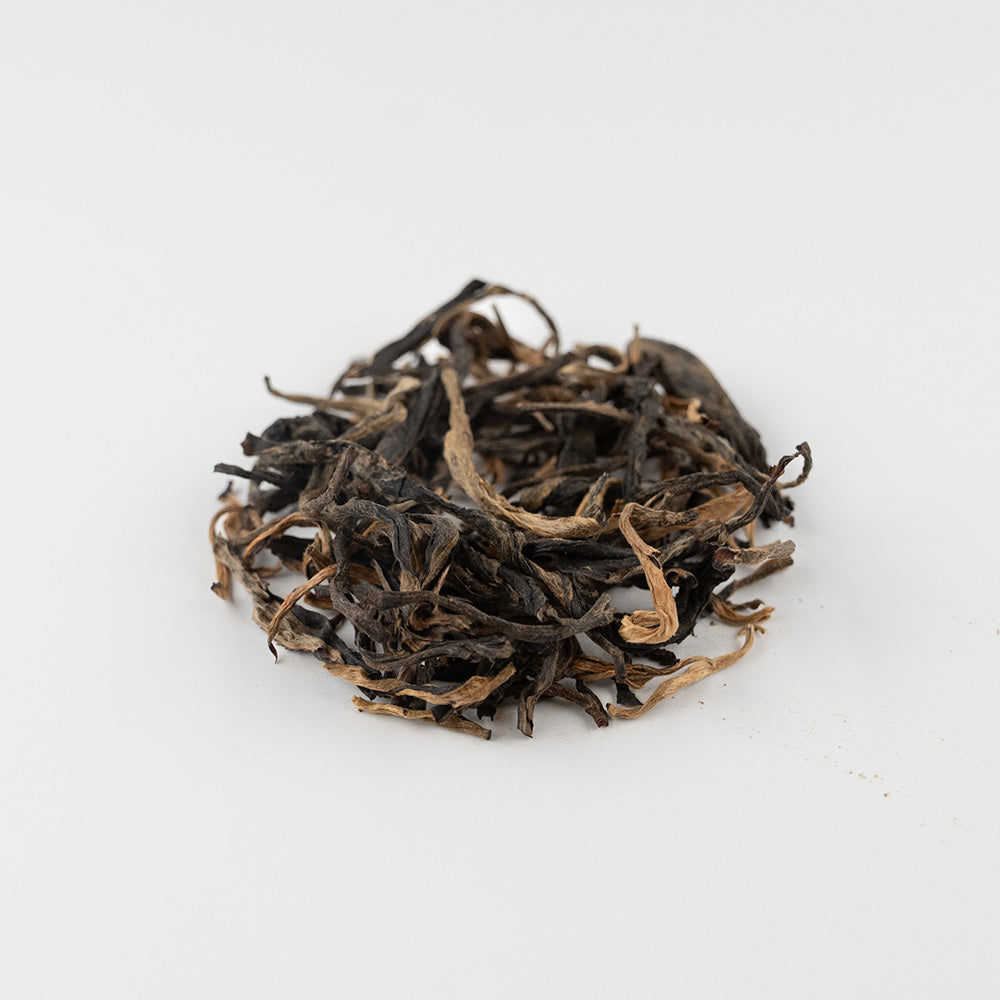
A black tea, processed using Chinese techniques, from the Teesta Valley (India).
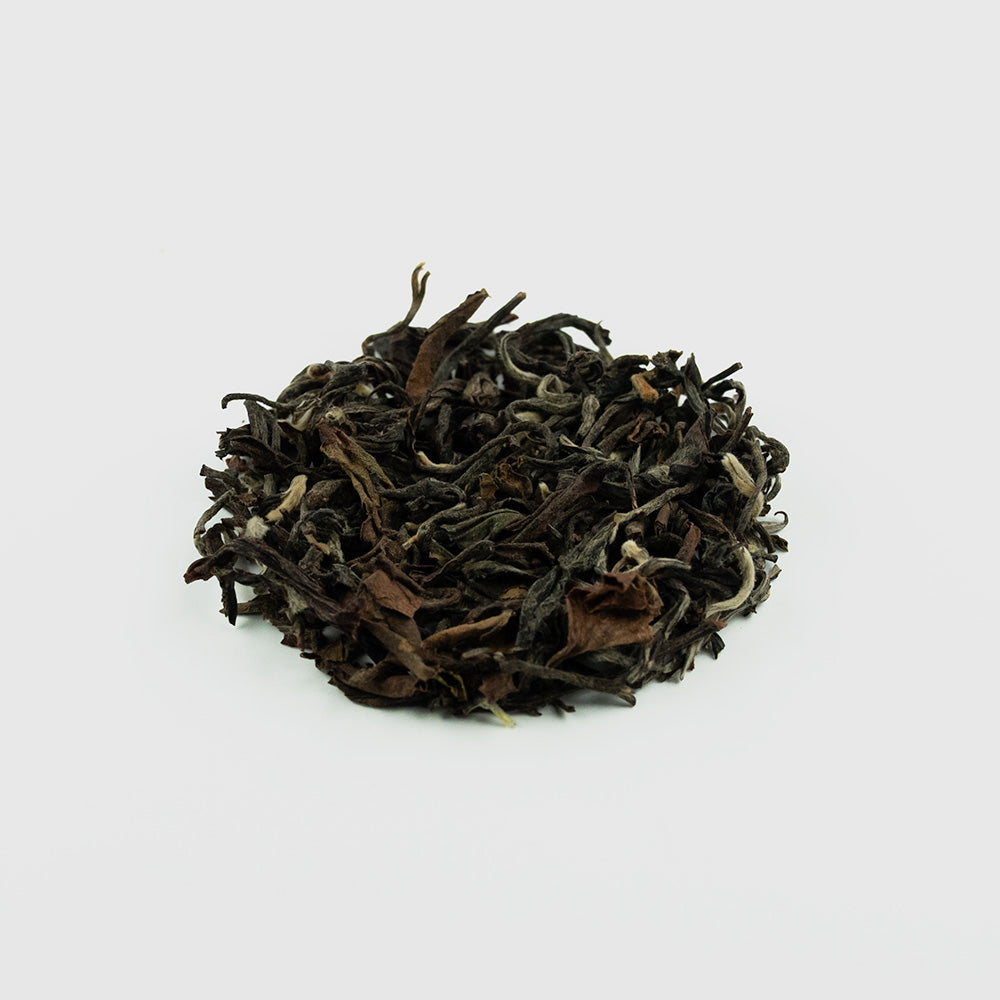
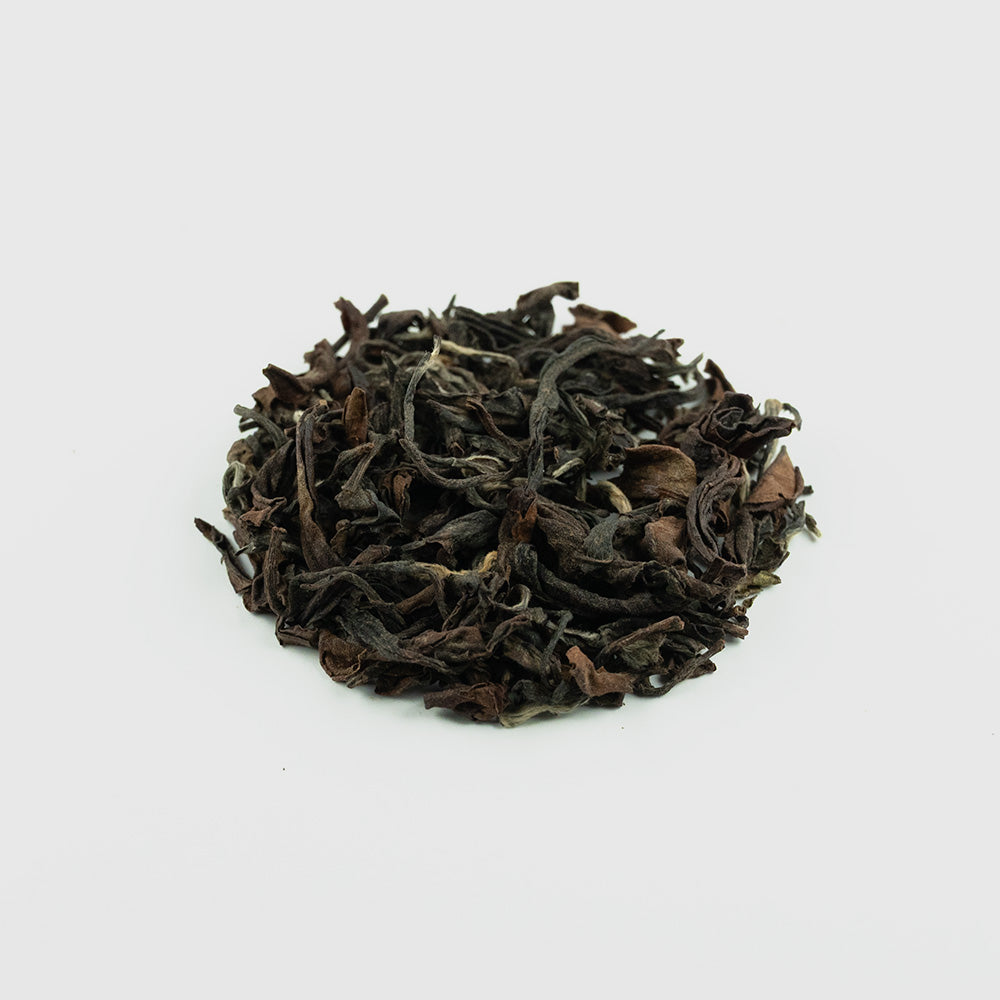
A black tea from an estate among the forests of the Teesta Valley (India).
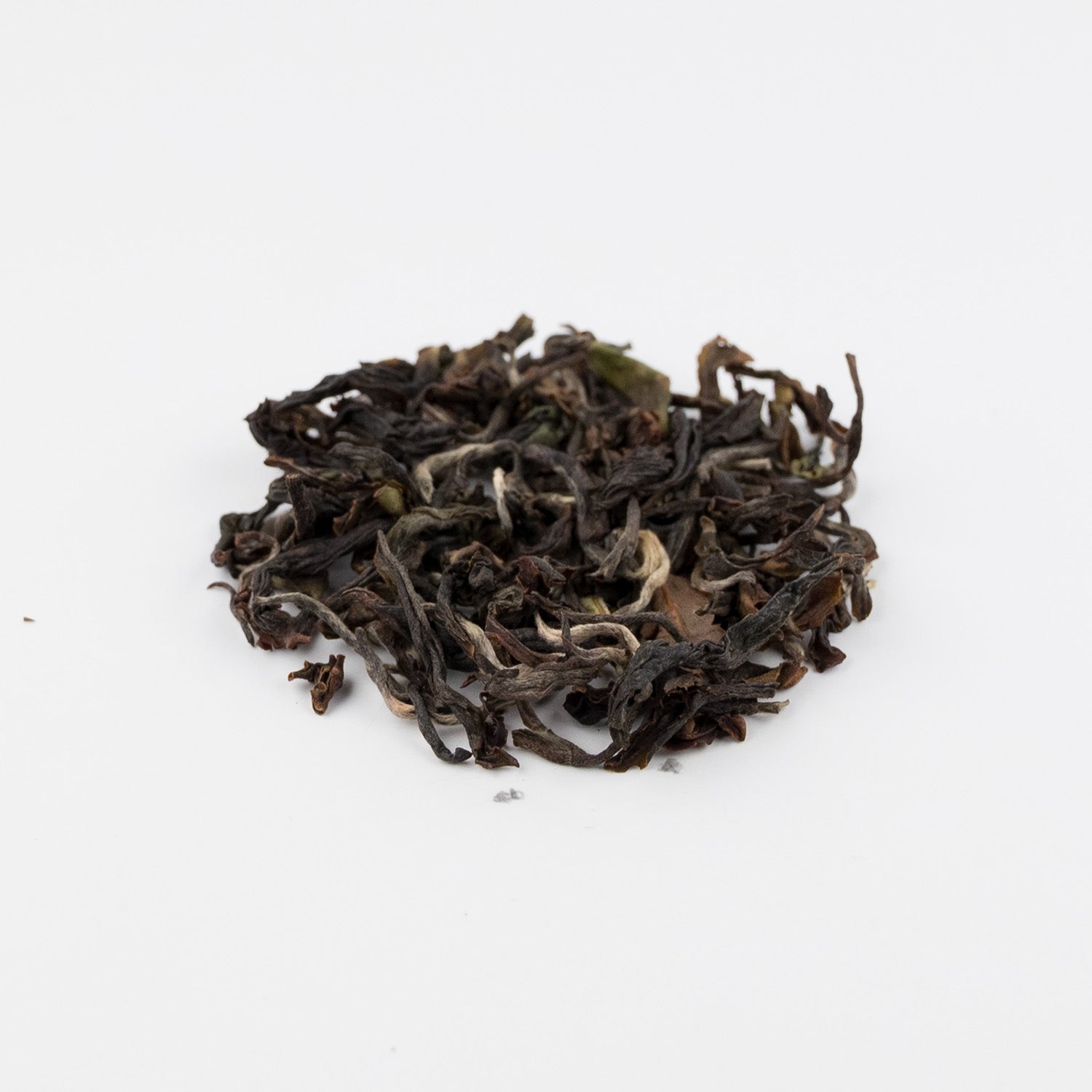
A black tea from Meghalaya, India, between Assam and Darjeeling.
Free Delivery
From €50 in BE and NL

Pickup Available
In Zonhoven and Hasselt (BE)

Fast Shipping
Within 1-2 business days

Secure Payment
Multiple payment options
Often referred to as fully oxidised tea, black tea undergoes a fascinating journey from fresh leaves to your teacup.
The nomenclature of black tea becomes a fascinating puzzle when cultural nuances and global perspectives come into play. While the Western world commonly refers to it as black tea due to the colour of the finished leaves, in Asian countries like China, Japan, South Korea, Vietnam, etc., it is known as red tea (hong cha), which refers to the colour of the infusion.
This naming distinction gains significance as the Chinese already have a tea category called hei cha, translating to dark tea, which belongs to the post-fermented tea category.
Adding to the complexity, the Western world uses the term red tea for African rooibos, a herbal infusion from the Aspalathus linearis bush.
The intricate tapestry of tea names and classifications continues to unfold, keeping tea enthusiasts on their toes and deepening the intrigue surrounding this beloved beverage.
The magic of black tea production unfolds through a process that transforms freshly plucked tea leaves into the dark, flavourful brew we cherish. It commences with withering, where the plucked leaves lose some moisture, rendering them pliable. The process then advances to rolling, breaking down cell walls and initiating the crucial oxidation stage.
Contrary to common belief about the production methods for black tea, achieving complete oxidation without grinding the leaves into a fine powder (as in CTC tea) is chemically impossible. Thus, whole-leaf orthodox black tea is almost fully oxidised rather than achieving 100% oxidation.
The pace of oxidation is carefully controlled by the ambient temperature and humidity in the oxidation space.
The final act, drying, encapsulates the rich flavours and aromas, completing the metamorphosis from fresh leaves to the bold essence of black tea.
China, the birthplace of tea, holds a special place in the heart of tea connoisseurs, with Yunnan province often considered the place of origin, now famous for black teas like Dian Hong. Boasting a legacy dating back thousands of years, Chinese black teas offer a deep, amber infusion with bold, sweet aromas: a testament to China’s mastery in tea production.
Venture eastwards to Fujian, renowned for outstanding black teas like Golden Eyebrow (Jin Jun Mei) and the smoky Lapsang Souchong from Wuyi, showcasing the diversity within Chinese black teas. Heading north to Anhui province, Keemun enchants with its smooth, tobacco-like infusion and fruit, floral, and pine notes, once a favourite among European royals.
Traversing west to India, the story of black tea takes a different turn with Assam’s robust and malty teas, and the superbly fruity Darjeeling teas from the Himalayan foothills.
Formerly known as Ceylon, Sri Lanka boasts teas named after its historical moniker, capturing the essence of Ceylon with its unique, full taste, fruity aromas, and a distinct citrus aftertaste.
Additionally, African countries like Malawi and Kenya contribute to the global terroirs, adding their unique flavours to the symphony of black teas.
Altitude is an important indicator of the essential character of black teas. Low-elevation farms tend to produce more malty and full-bodied black teas, whereas high-elevation gardens often yield brisk black teas with floral or fruity aromatics.
Essentially, all tea-producing countries make black tea, and yet are distinct in their own unique way.
The infusion method for your tea can vary based on the tea type selected. Given that black tea is highly oxidised, it is advisable to use hotter water, around 90-100°C. The parameters, including the water temperature, steeping time, and water and dry tea ratio may change according to your preferred brewing method, whether it’s European style, using a large teapot and adding sugar and a splash of milk, or Asian style, utilising smaller teaware with multiple infusions.
Cold brewing black teas is also an option, resulting in enhanced sweetness and fruity tones. If uncertain about the brewing process, you can refer to the specific tea guidance on the product page or embark on a bit of experimentation to discover the method that aligns best with your taste preferences.
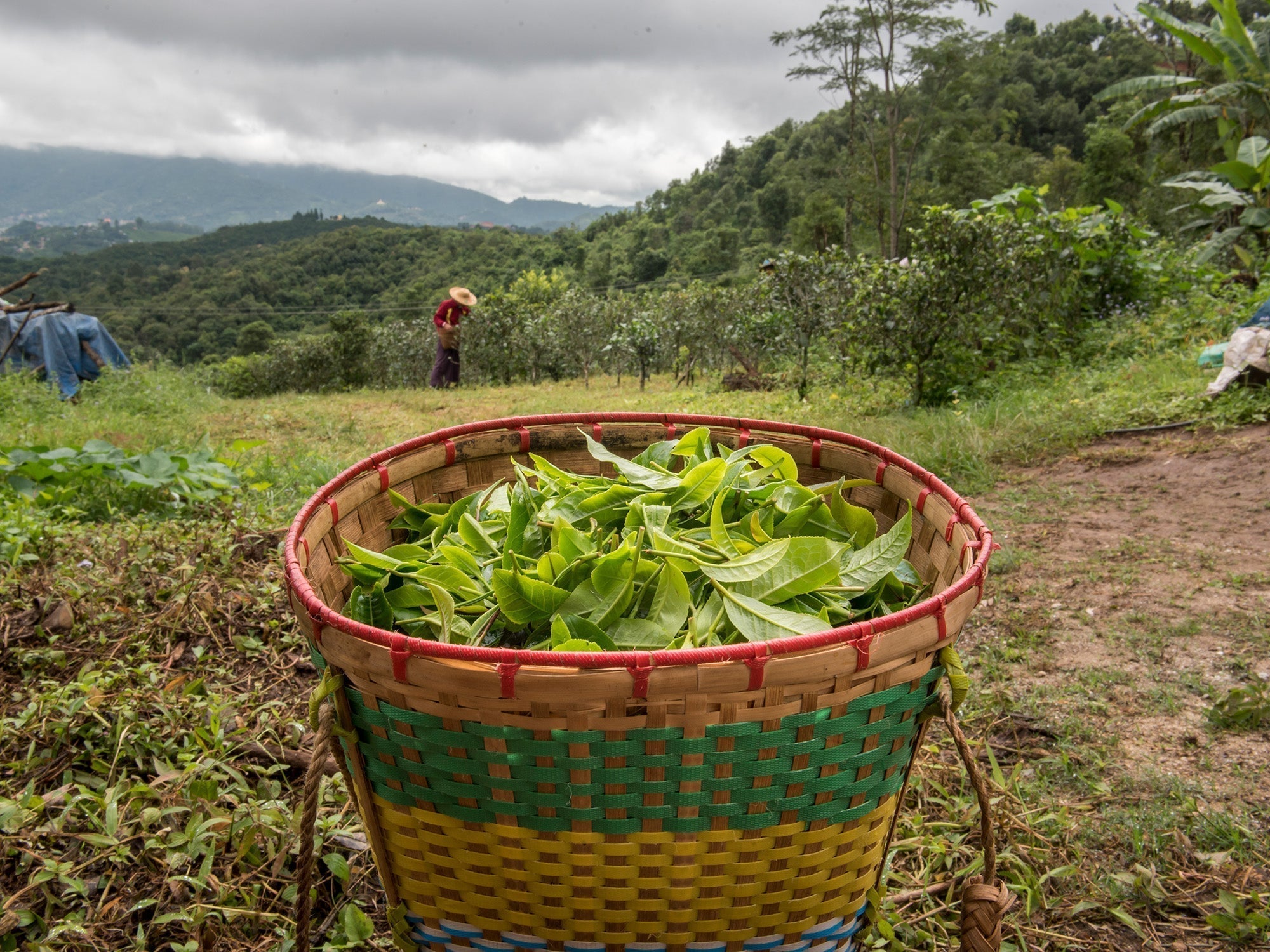
An introduction to the world of tea
Tea comes in many forms: orthodox tea, CTC tea, organic tea, herbal infusions. The range is vast and the traditions are diverse. In this article, we provide an overview of the key concepts and what...
Read more
How to brew a great cup of tea
The world of tea is enormously diverse: there are many different forms, sizes, flavours, and emotions. Brewing tea is an art form in many countries. Consider the authentic Chinese or Japanese tea c...
Read more
The subtle role of caffeine in tea leaves
Caffeine in tea is a complex interplay of chemistry, the terroir of the tea plant, and different production methods. In this article, we take a closer look at the presence of caffeine in the variou...
Read more