




Free Delivery
From €50 in BE and NL
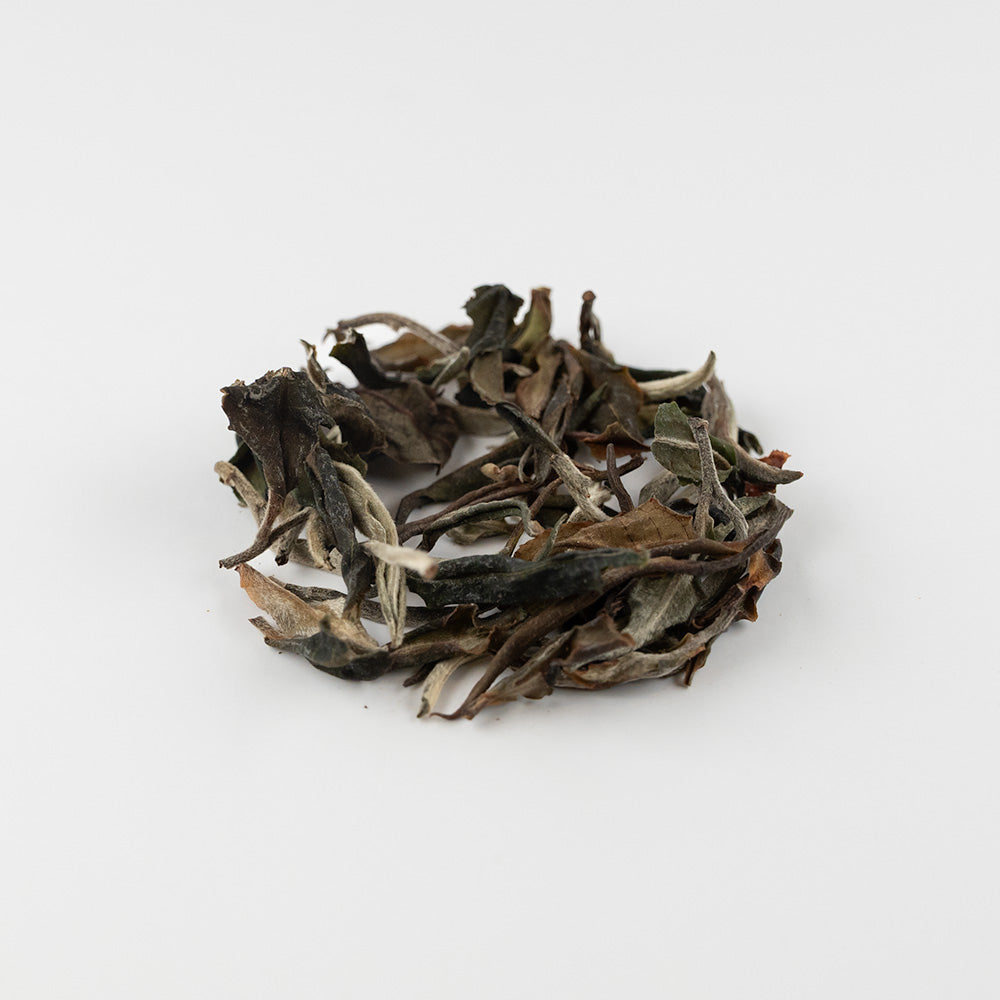
White tea is the least processed tea: young buds and leaves are simply picked and dried. The result is a soft, refined flavour. Discover our loose-leaf white tea, direct from small tea farmers in Malawi, Sri Lanka, and other origins.
Filters



Free Delivery
From €50 in BE and NL

Pickup Available
In Zonhoven and Hasselt (BE)

Fast Shipping
Within 2-3 business days

Secure Payment
Multiple payment options
Like green and black tea, white tea comes from the Camellia sinensis plant. In ancient China, white tea was especially popular among the literati. It was known as a “scholar’s tea” that promoted wakefulness and focus.
White tea, known as bái chá in Chinese, has a history dating back to the Song dynasty (960-1279). Emperor Huizong of Song celebrated its uniqueness in his ‘Treatise on Tea’. At that time, it was not yet comparable to the white tea of today. During the Ming dynasty (1368-1644), methods akin to modern white tea processing emerged, with sun-drying as the central element.
Legend has it that the very first tea tree grew on Taimu Mountain in China. Its tea was initially known as “green snow bud” (Lu Xue Ya) and later renamed “white fuzz” (Bai Hao).
White tea production originated in China’s Fujian province (Fuding, Zhenghe, and Songxi) and later expanded to other regions, such as the provinces of Henan and Yunnan. Today, white tea is also produced outside China, including in Sri Lanka, India, and Nepal. Some countries adhere strictly to traditional Chinese production methods, such as Silver Needle from Indonesia and Thailand. This geographical diversity brings unique flavours and aromas to the tea.
White tea is as delicate as the freshly picked buds and leaves it is made from. Yet the process is comparatively simple. The leaves are dried using a specialised technique: in the sun, in the shade, or in a drying room. Other steps, such as fixation and rolling, are skipped entirely. Thus, white tea preserves its rich flavour and internal content, including active enzymes and polyphenols.
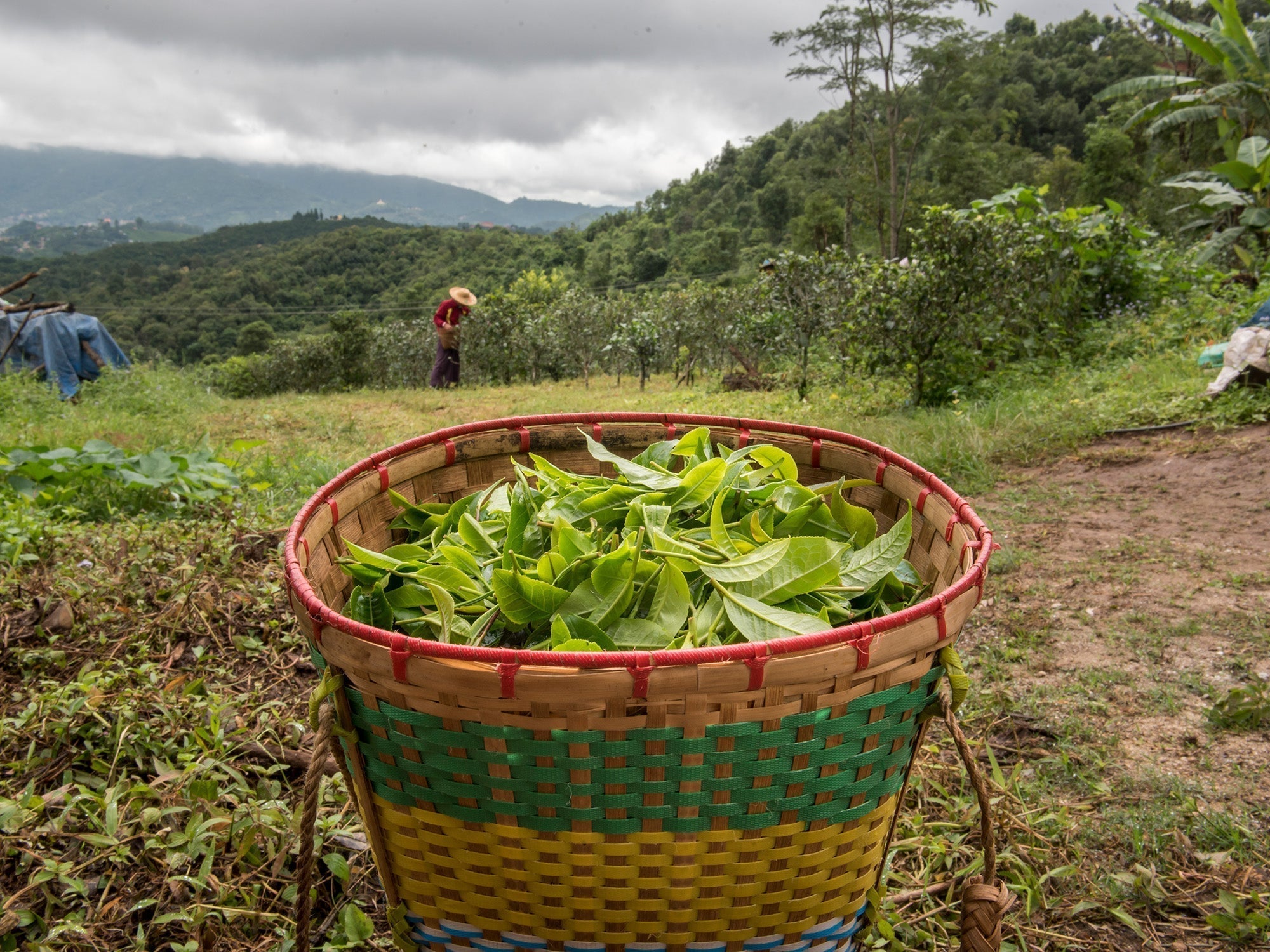
White tea is typically harvested in spring. Only the most tender buds and leaves are selected, to achieve the highest quality. During the 1-2 days of withering, the moisture within the leaves gradually evaporates. The leaves cure in their own juices, which intensifies their sweet aromas. This withering period also induces a gentle enzymatic oxidation.
Yes. Despite common misconceptions, white tea is not caffeine-free. Some varieties even have a relatively high caffeine content. The plant produces caffeine to protect its young leaves from insects. L-theanine, an amino acid also present in the tea, moderates the stimulating effects of caffeine.
Classification depends on the plucking standards and the leaf composition:
The flavour of white tea changes depending on the picking standard and processing techniques. Some leaves require lower temperatures, while others release more flavour with hotter water. Like any other tea, white tea can also be enjoyed as a delicious cold brew. If uncertain about the brewing process, refer to the guidance on the product page, or experiment to discover the method that best suits your taste.
An introduction to the world of tea
Tea comes in many forms: orthodox tea, CTC tea, organic tea, herbal infusions. The range is vast and the traditions are diverse. In this article, we provide an overview of the key concepts and what...
Read more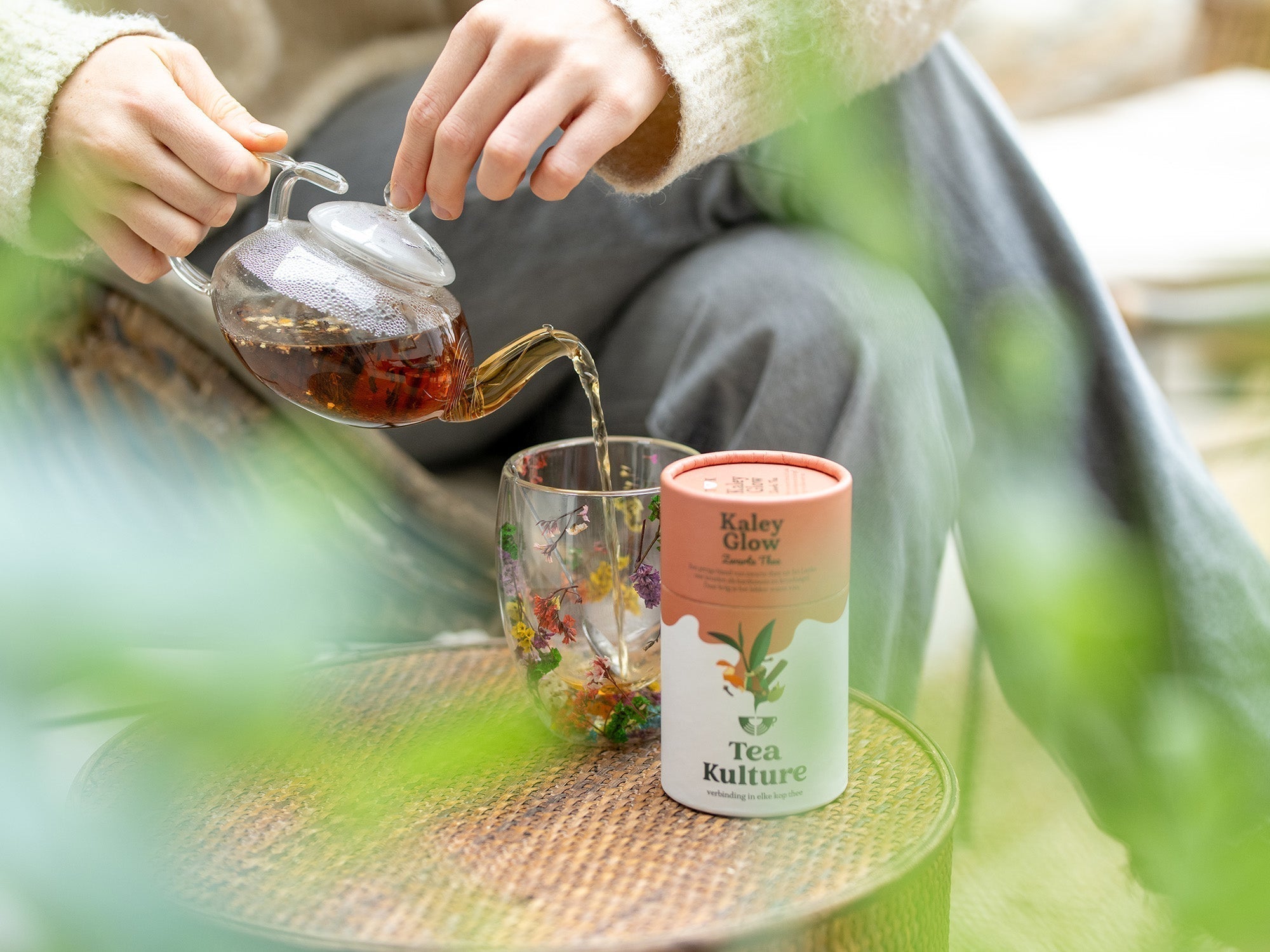
How to brew a great cup of tea
The world of tea is enormously diverse: there are many different forms, sizes, flavours, and emotions. Brewing tea is an art form in many countries. Consider the authentic Chinese or Japanese tea c...
Read more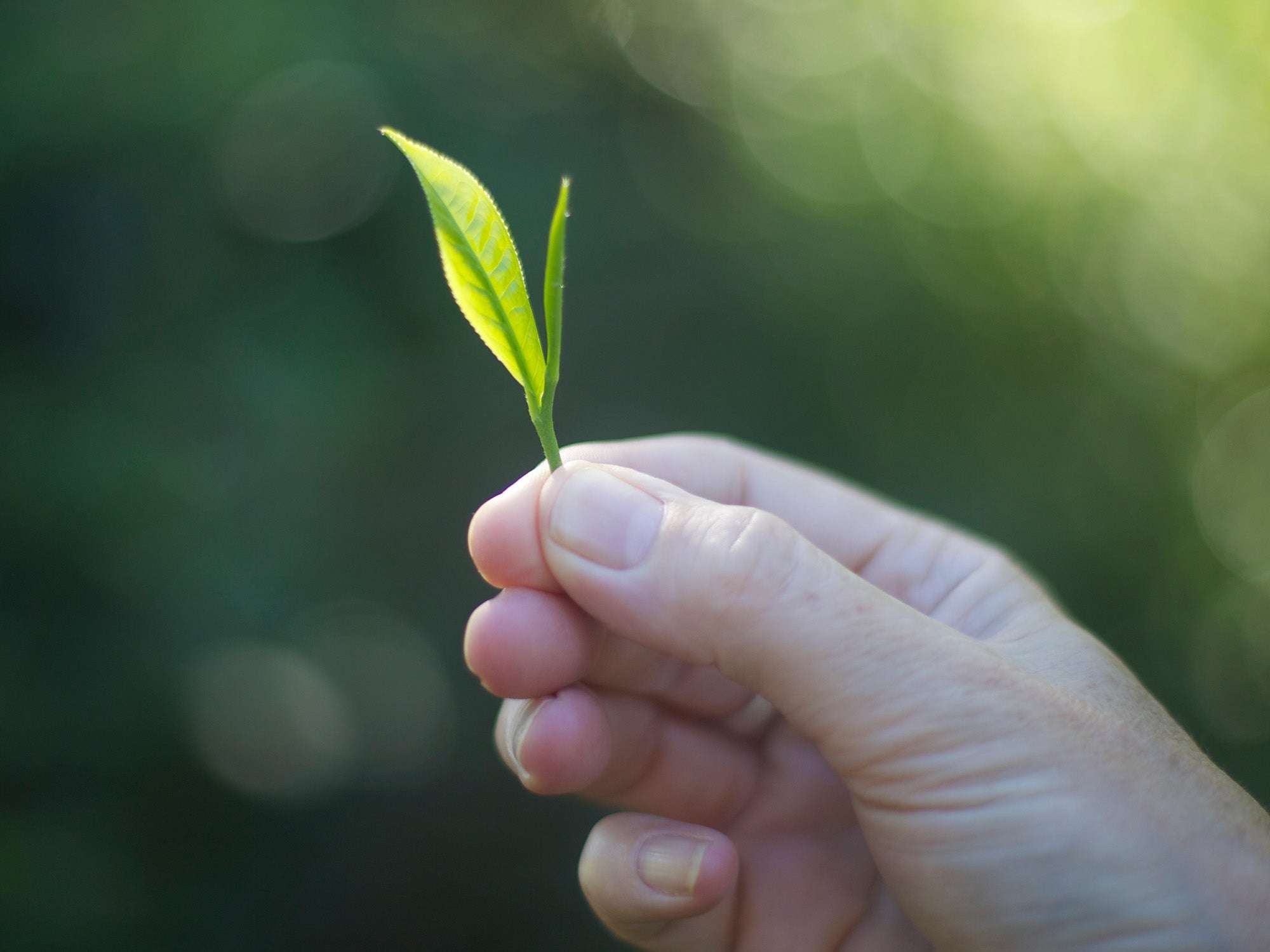
The subtle role of caffeine in tea leaves
Caffeine in tea is a complex interplay of chemistry, the terroir of the tea plant, and different production methods. In this article, we take a closer look at the presence of caffeine in the variou...
Read more