

Free Delivery
From €50 in BE and NL.

Nagasaki, a Japanese prefecture on the southern island of Kyushu, is known to most people for the atomic bomb of 1945. When it comes to tea, the region is far less well known. Yet the port of Hirado, in present-day Nagasaki, was once an important link in the early tea trade between Japan and Europe.
Today, the prefecture accounts for less than 1% of total Japanese tea production, a footnote next to regions such as Shizuoka and Kagoshima. Ikedoki Tea, a small team based in the village of Sonogi, brings together small, independent tea makers from the region and tells their story.
From Kyushu to Kyoto
Tea first arrived in Japan via Kyushu. Around 1191, the Zen monk Eisai returned from a pilgrimage to China carrying tea seeds. He planted them near Hirado, a port town in present-day Nagasaki. Only later did cultivation spread further, to Kyoto and the Uji region, today the best-known name among tea lovers.
A trading post in Hirado
Centuries later, the same port once again played a role in tea history, this time in the opposite direction. In 1609, the Dutch East India Company opened a trading post there. From that post, around 1610, the Dutch shipped one of the first cargoes of tea ever to reach Europe.
Historians disagree on exactly where that tea came from. It may have been Chinese tea the Dutch had bought earlier in Macau and forwarded via Hirado. What is certain is that the port was one of the hubs on the route by which tea found its way to Europe.
Isolation and reopening
Fearing growing Christian and foreign influence, the Tokugawa shogunate imposed a strict policy of isolation from 1639 onwards. Foreign trade was heavily restricted and limited to a few selected partners. Hirado itself lost its role in the process: in 1641, the Dutch trading post moved to Dejima, an artificial island in Nagasaki Bay.
From that point on, Nagasaki, through Dejima, remained for more than two centuries the only place in Japan where limited trade with the West was still possible. That monopoly only ended once the country fully reopened in 1859. Nagasaki nevertheless remained relevant and became one of the first ports from which Japan again exported tea abroad.
A footnote in the Japanese tea world
That history stands in sharp contrast to Nagasaki’s position today. The prefecture produces barely 1% of all Japanese tea, around 750 tonnes a year.
Processing methods have changed there over recent decades: until about thirty years ago, tea farmers in Nagasaki typically pan-fired their leaves, as elsewhere in Japan. After that, more and more producers switched to steaming to stop the leaves oxidising. Pan-firing disappeared almost entirely from most Japanese tea regions, but survived in a handful of places in Nagasaki.
Sonogi, the heart of the tea region
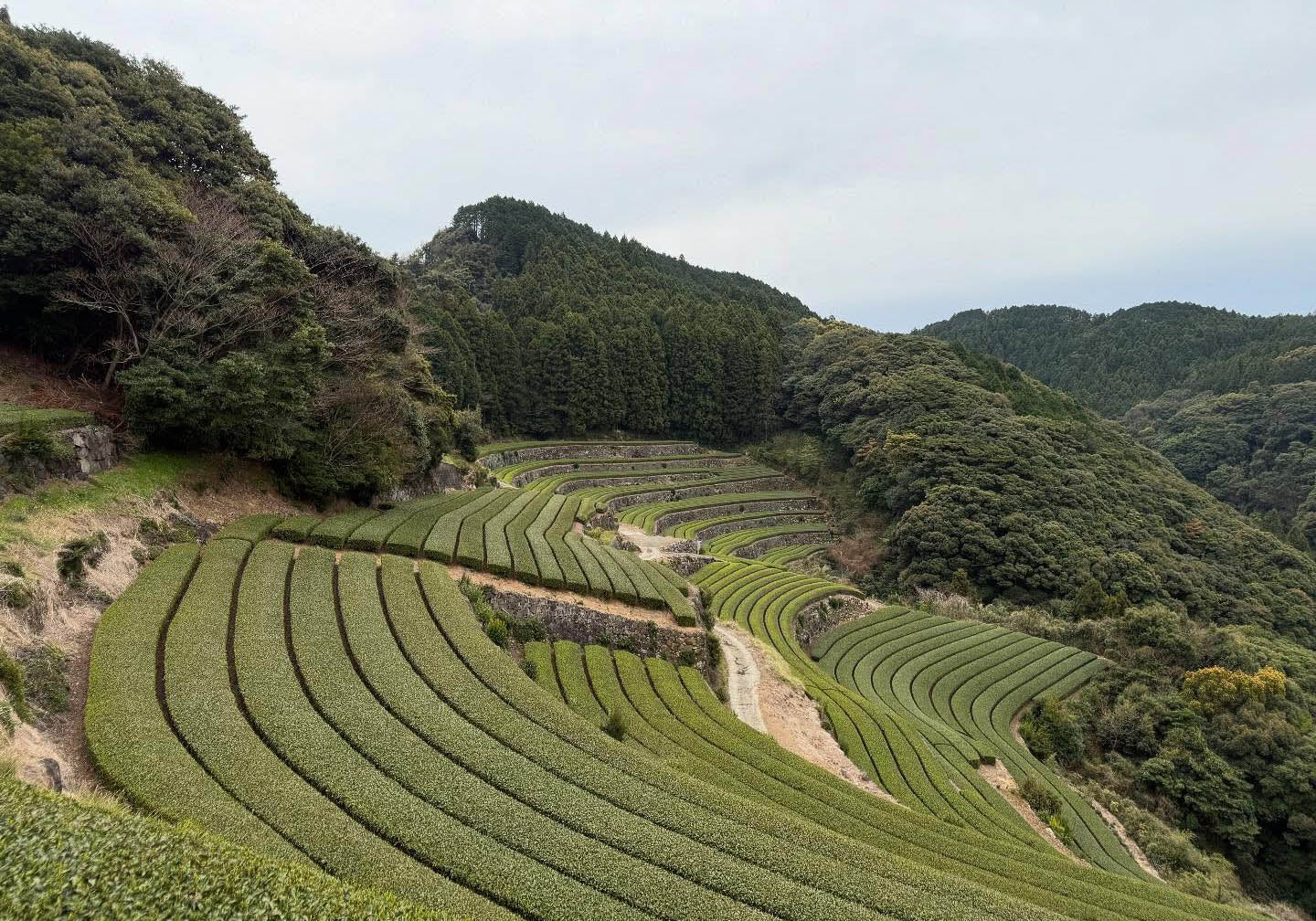
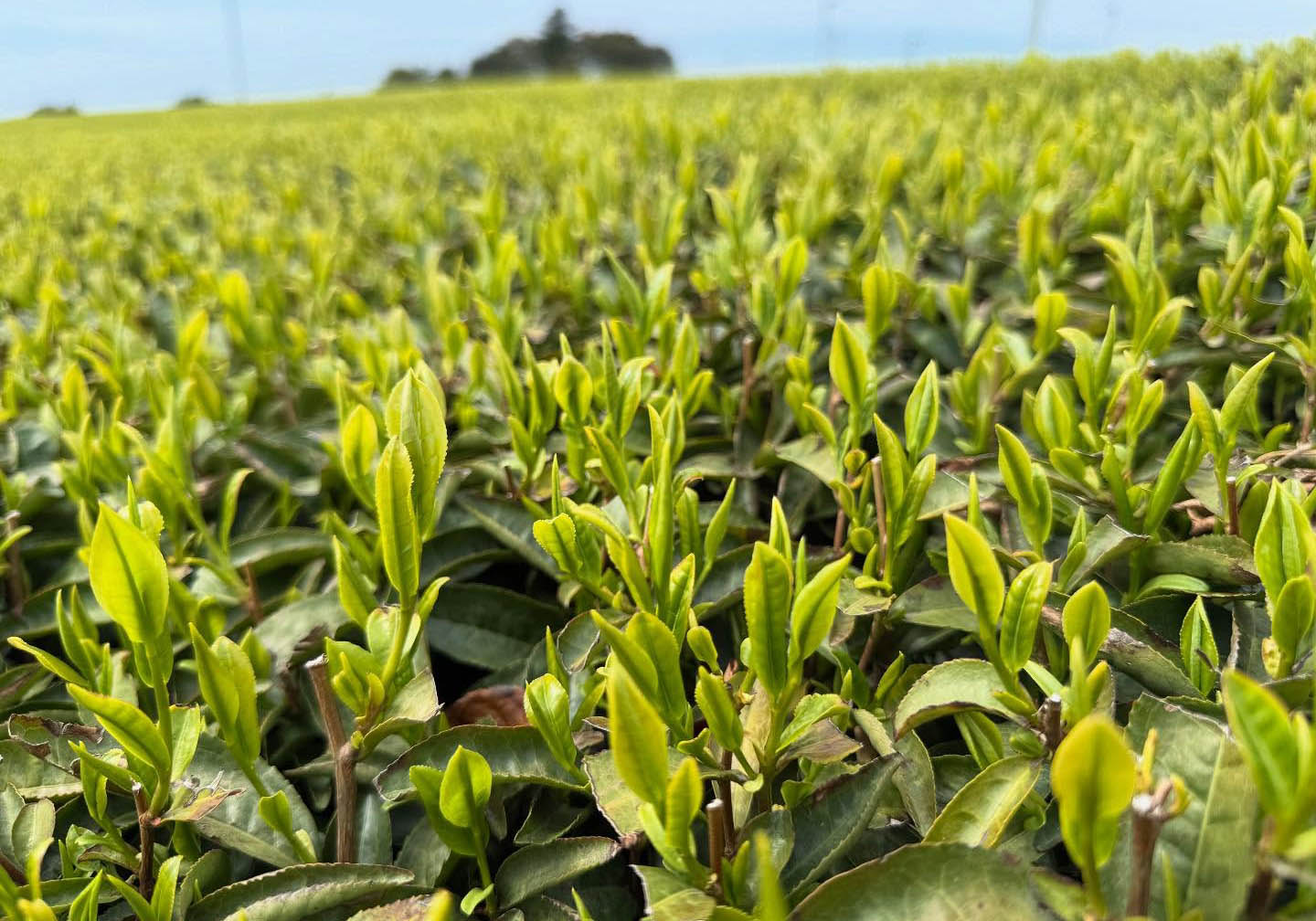
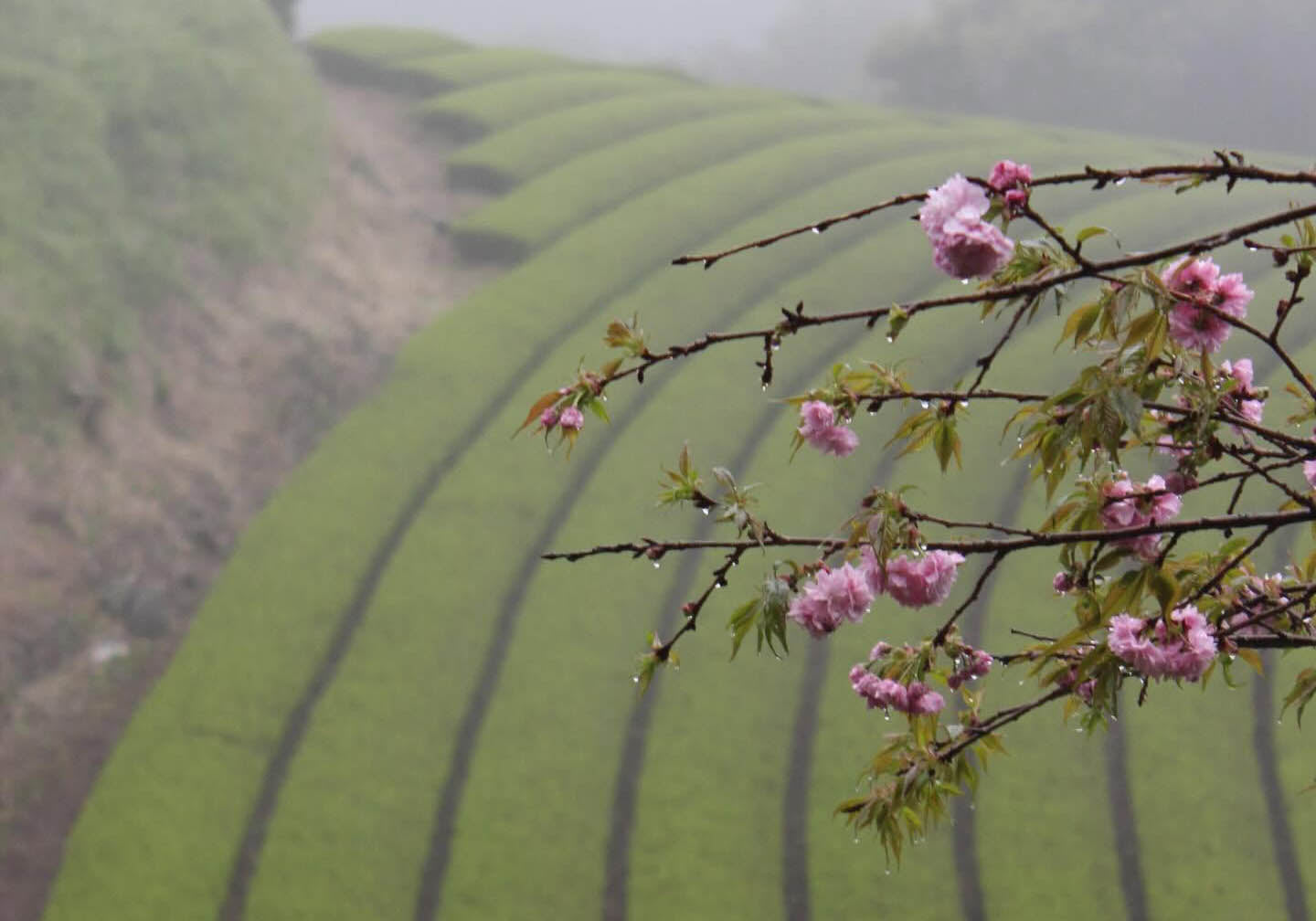
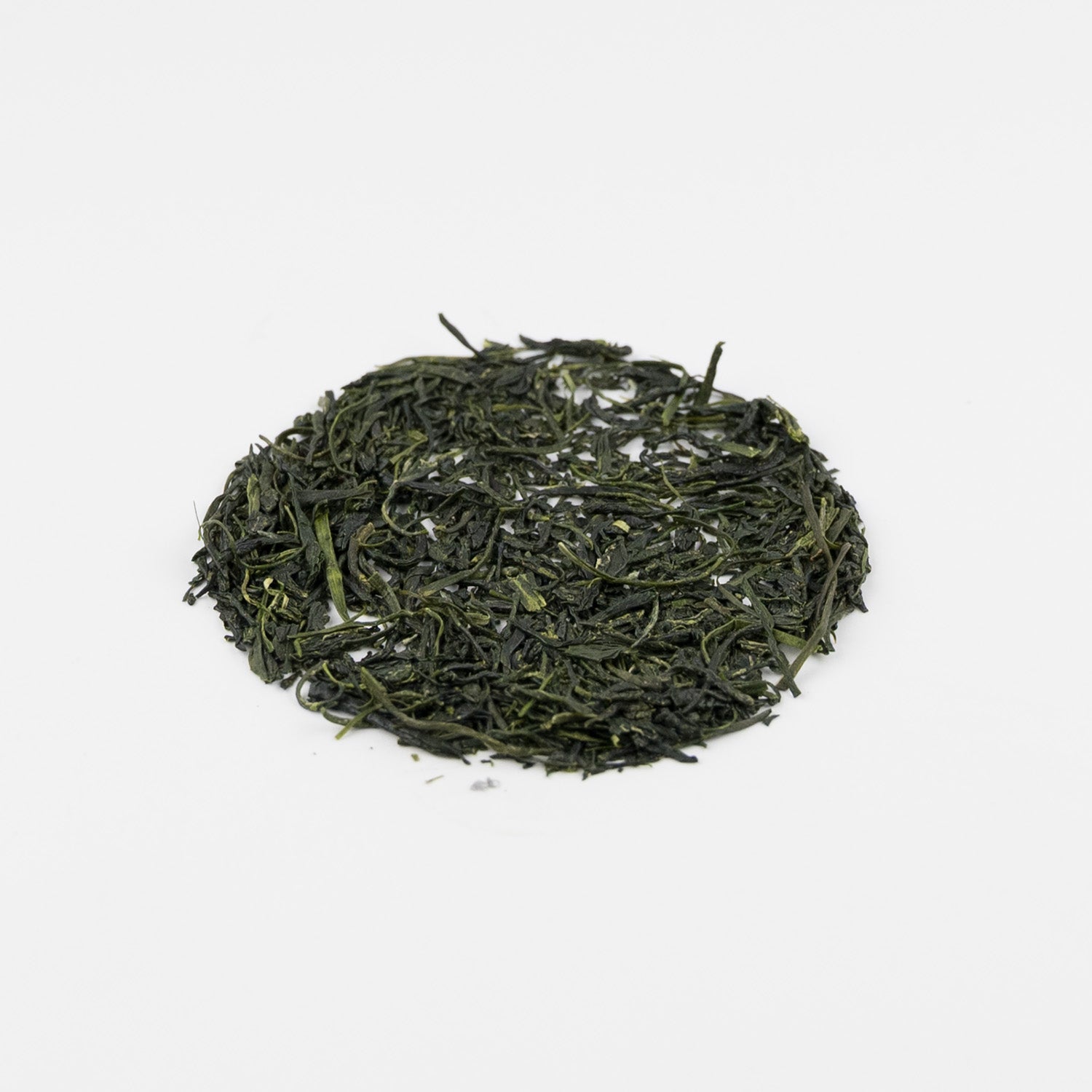
Sonogi, in full Higashisonogi, lies on the slopes of the Tara mountains. With around 300 tea farmers across roughly four hundred hectares, it is, according to Ikedoki, the largest tea-growing area in the prefecture, accounting for about 60% of Nagasaki’s total production. The area specialises in tamaryokucha, a steamed green tea whose leaves stay curled during rolling.
When people in Nagasaki say “ocha”, the ordinary word for tea, they automatically mean tamaryokucha. In the rest of Japan, that word almost always means sencha.
Saza and the kamairicha tradition
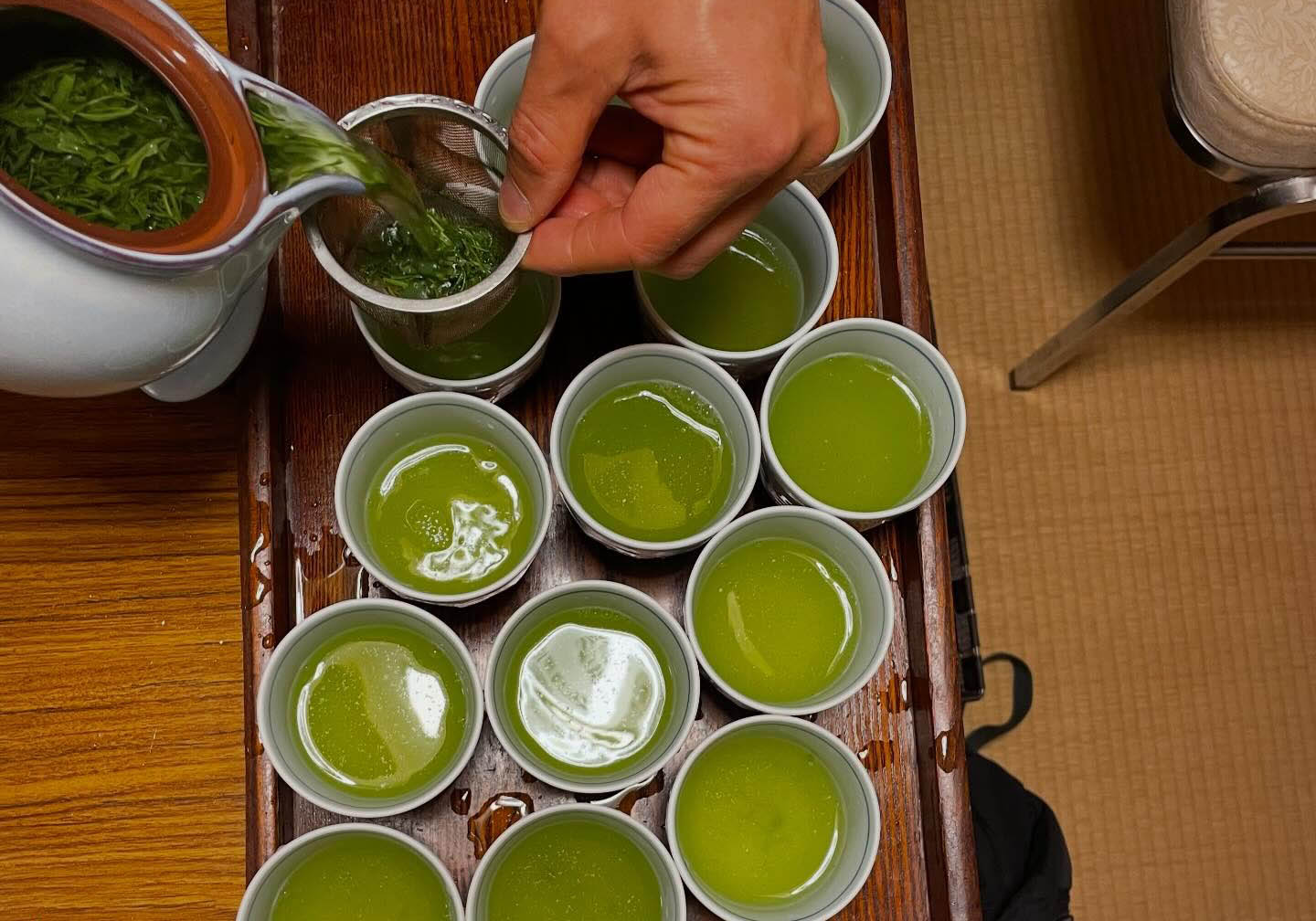
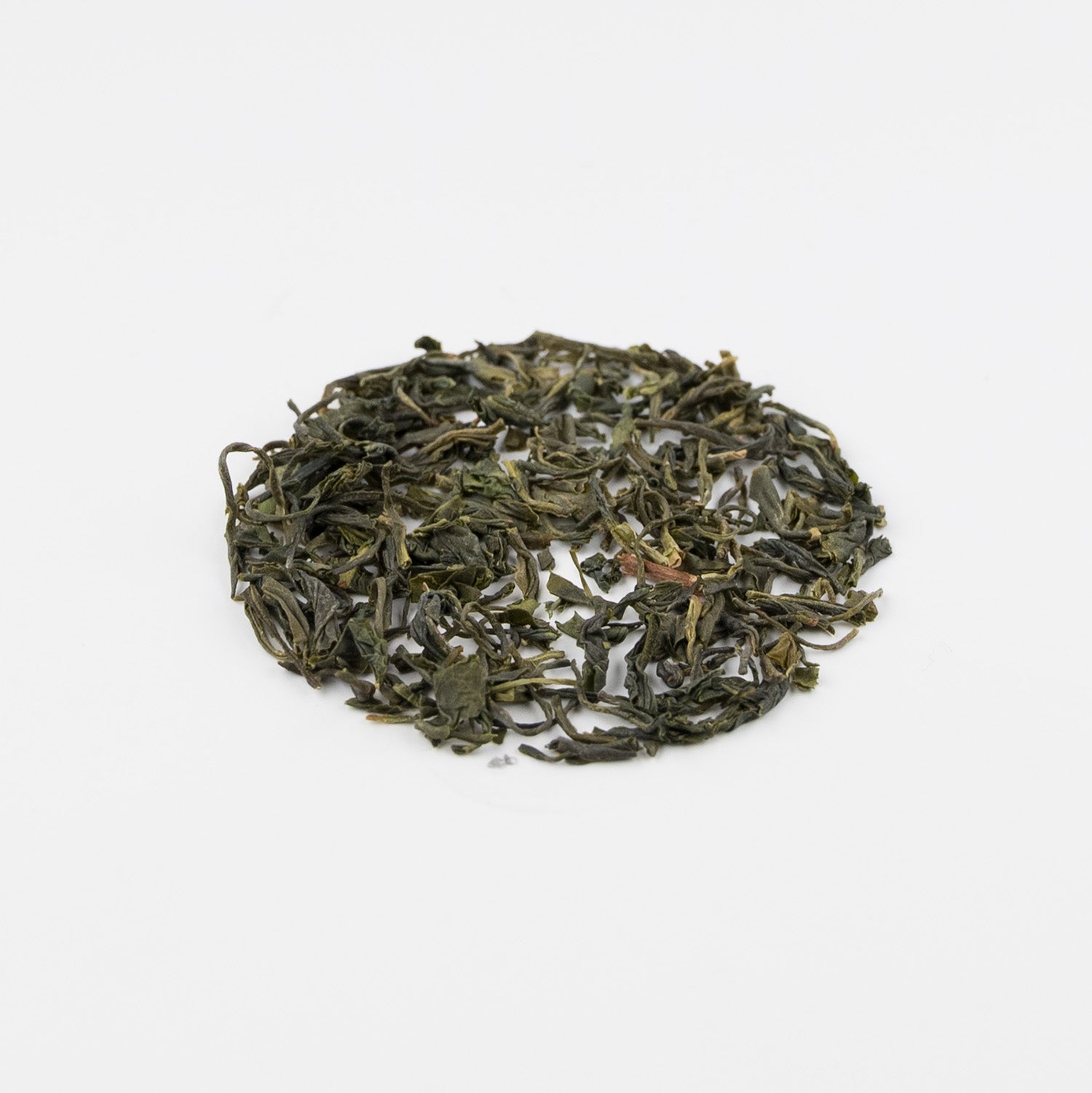
Saza, another tea-growing area in Nagasaki at the foot of Mount Niradake, follows a different tradition. Here, tea is processed using the kamairicha method: after picking, the leaves are briefly pan-heated rather than steamed to stop oxidation. Kamairicha has become extremely rare in Japan.
Who is Ikedoki Tea
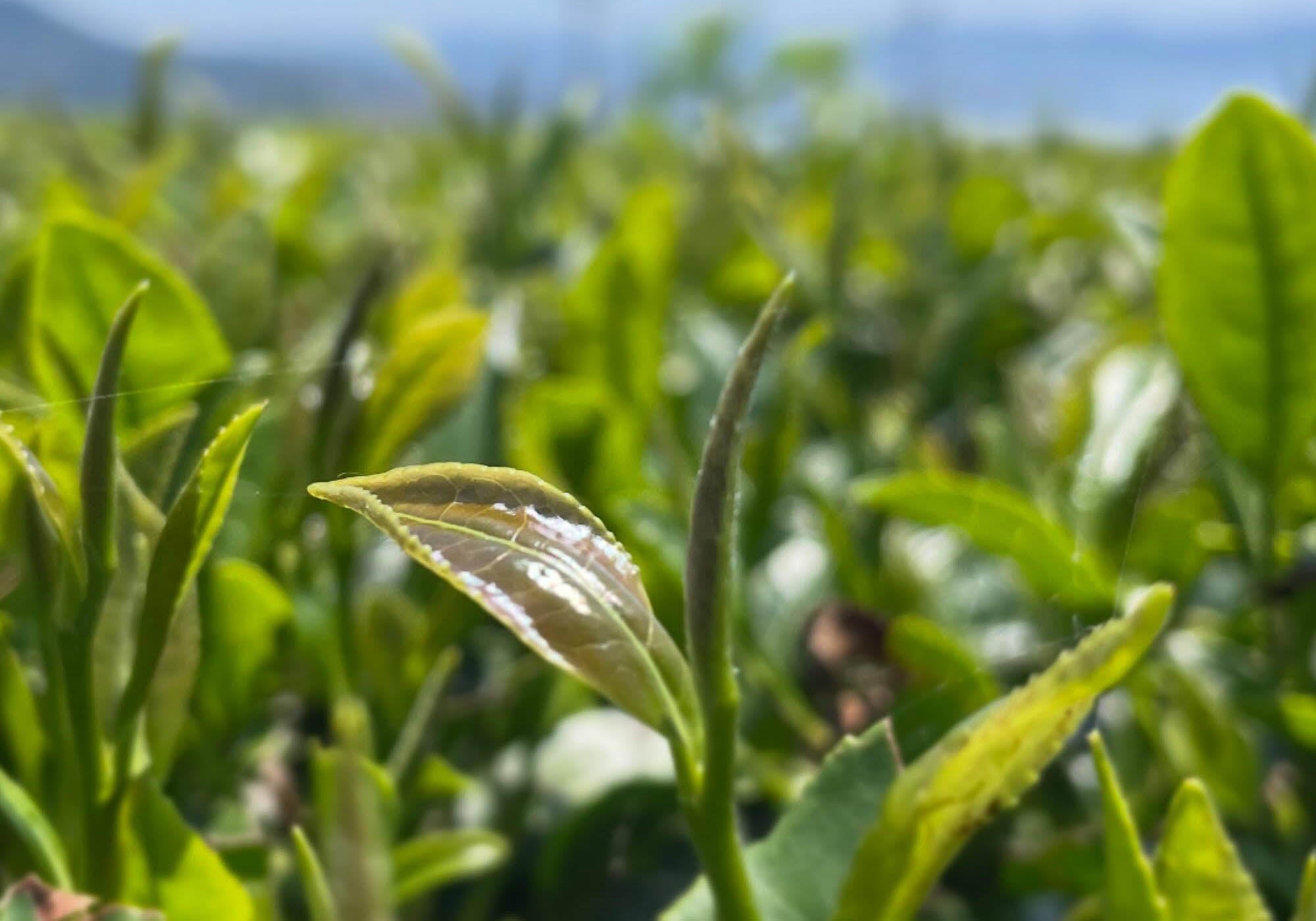
Ikedoki Tea was founded in September 2020 by Yasuharu Matsumoto, known locally as Matsu. He has worked in the Japanese tea world since 2004 and is a certified tea instructor (nihoncha instructor) and co-founder of both the Global Japanese Tea Association and the Obubu tea garden in Kyoto. In 2020, working closely with the Higashisonogi municipal government, he set up a new model to promote Nagasaki tea through both tourism and online sales.
The team on the ground
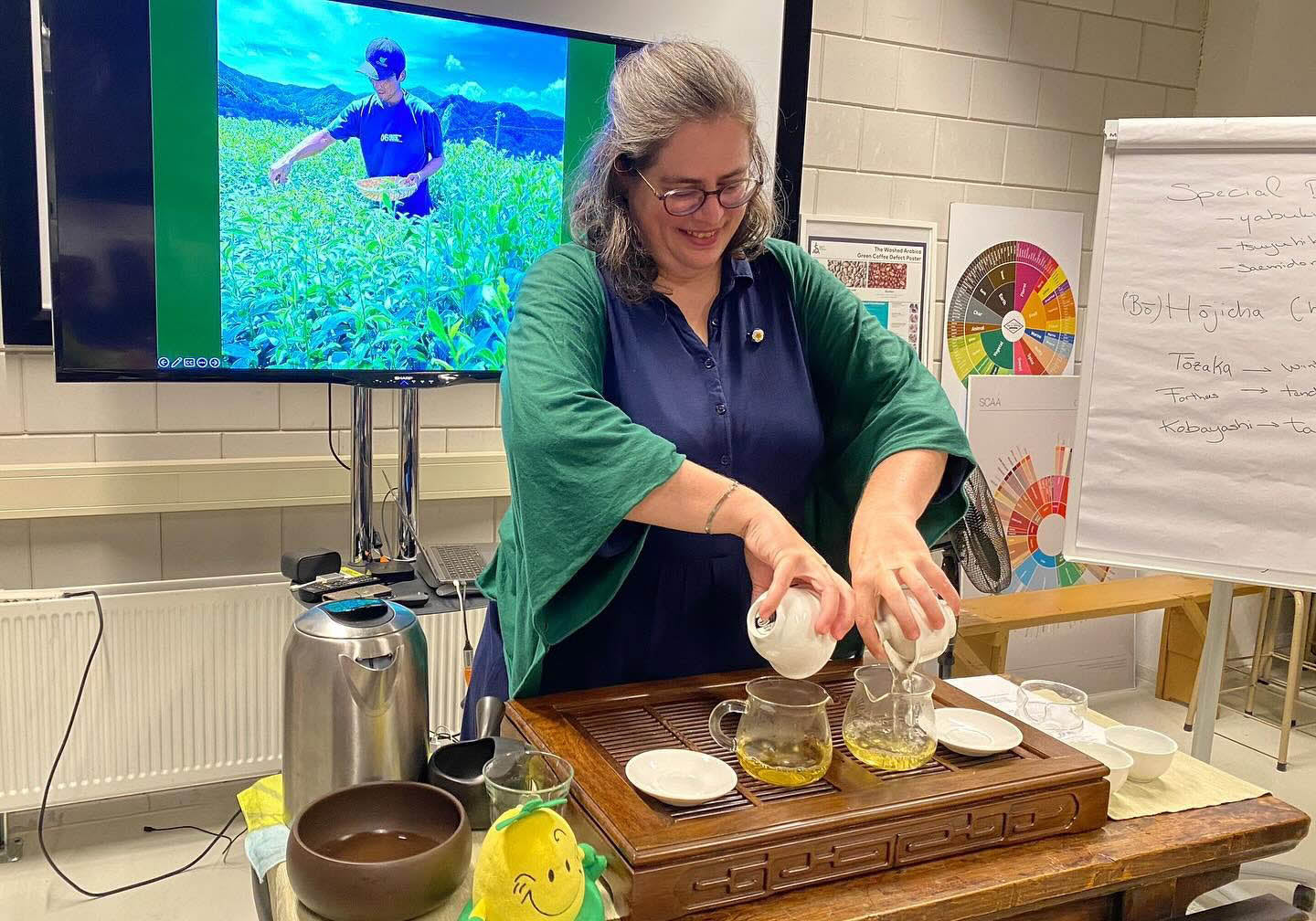
Since 2023, Dutch tea sommelier Marjolein Raijmakers has led the team on the ground. She had previously travelled through China, Japan, Sri Lanka and South Korea, and stayed with tea farmers in Sonogi during one of those trips.
Shoji Iizuka, born in Chiba and for many years a catalogue designer near Tokyo, completes the team. He moved to Higashisonogi a few years ago, works for the local tourism association and leads the tea tours.
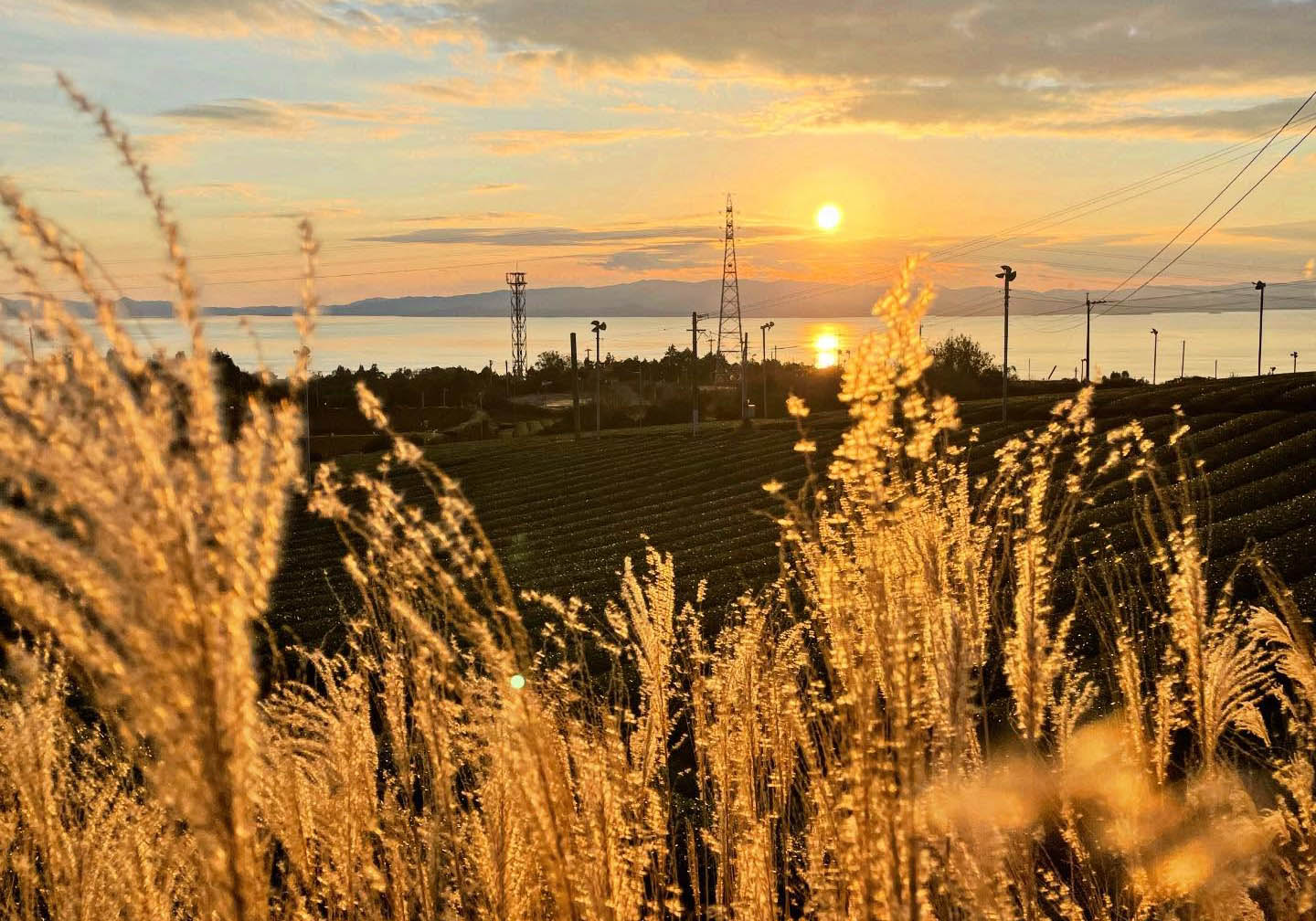
A shared tea moment
The name Ikedoki comes from the local dialect of the Omura region and means “a shared tea moment”, a brief pause in which people come together. That meaning sums up the team’s mission well: “share a peaceful world through Japanese tea”. Nagasaki is known worldwide chiefly for the atomic bomb of 1945. Ikedoki’s team also wants to connect the region with something else: calm, hospitality and a cup of tea as a bridge between people.
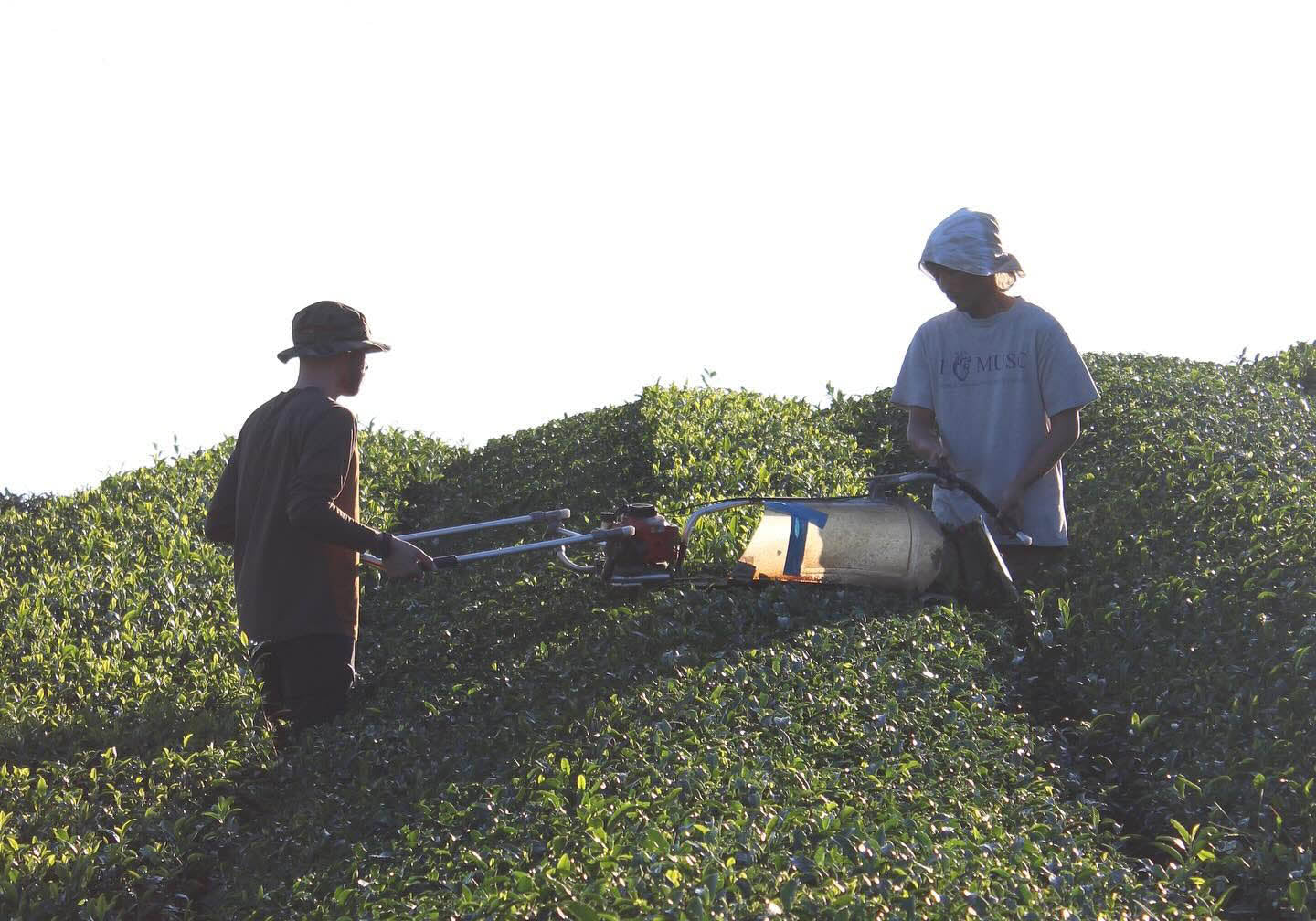
A bridge, not a farm
In practice, Ikedoki works on three fronts: an online shop offering a selection of local teas, tours where visitors see fields and processing sites, and the Tea for Peace initiative. The latter includes a Sonogicha ambassador programme, set up with a local tea instructor and the municipal government, aimed at introducing foreign language teachers in the prefecture to the regional tea.
Unlike most of Tea Kulture’s partners, Ikedoki does not produce tea itself. The team acts as a link between a number of independent tea makers in Sonogi and Saza on one side, and tea drinkers worldwide on the other. Ikeda Chaen and Uenohara Seichaen are among these tea makers.
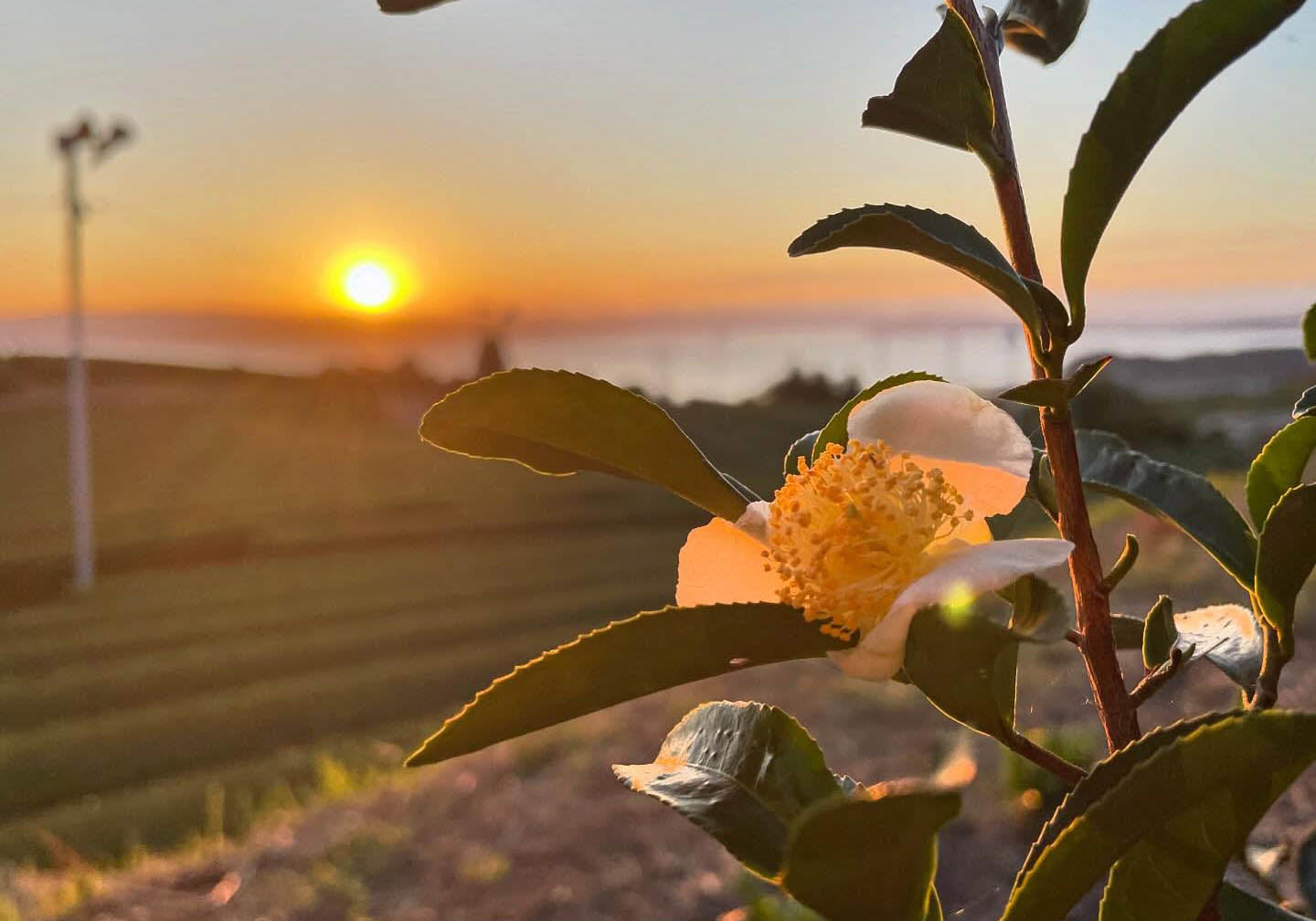
Ikeda Chaen
Ikeda Ryō runs the family business as the fourth generation. When his father decided in 1941 to become a buyer at the Ureshino tea auction, the family had to stop growing tea: auction rules do not allow buyers to also be farmers. Ikeda Chaen has specialised in shiage, the refining of tea, ever since.
Ikeda buys aracha, raw unprocessed tea, at the auction and selects, sorts and blends it into finished tamaryokucha, wakōcha (Japanese black tea) and genmaicha. In 2023, he won the Platinum Award at the Nihoncha Awards for his Yui Tsuyuhikari tamaryokucha, followed a year later by a Fine Product award for the same tea.
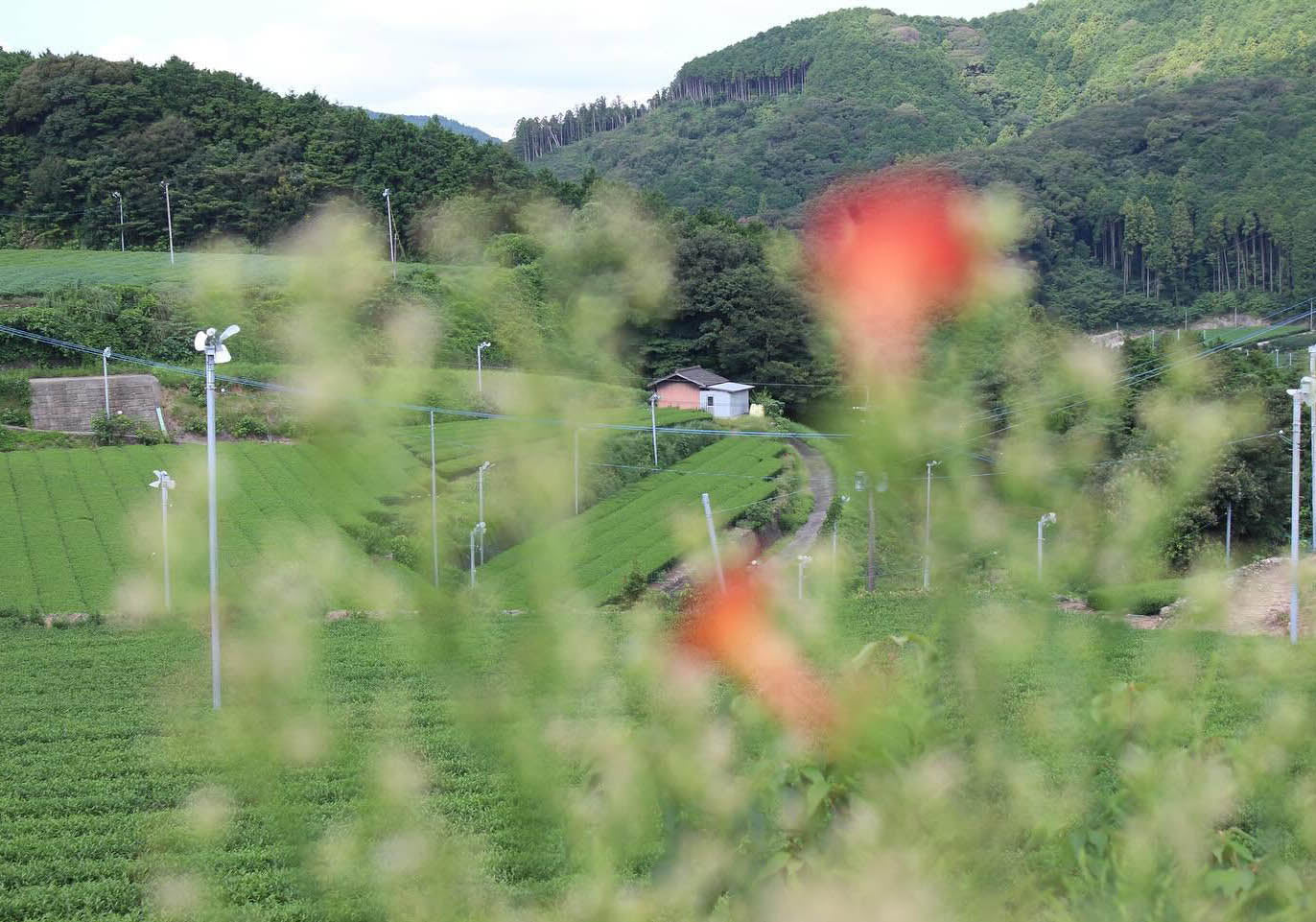
Uenohara Seichaen
Uenohara Kouji works on the slopes of Mount Niradake in Saza, where his grandfather brought an abandoned tea field back into use some seventy years ago. As the third generation, Uenohara has continued the shift towards shizensaibai, a form of natural cultivation in which the plants receive only what the environment offers on its own. They use no synthetic fertiliser or pesticides.
What further sets Uenohara apart is his processing method. While almost all Japanese tea is steamed today, he heats his leaves in a pan after picking, the kamairicha method. That choice is partly down to chance: in the 1970s, his family invested in pan-heating machines just before the sector switched to steaming on a large scale. What seemed outdated then is his trademark now. He wants as many people as possible to discover the unique charm of kamairicha, so different from sencha.
Tea Kulture and Ikedoki
Our partnership with Ikedoki differs from the direct relationship we have with an individual tea farm. Even so, the model fits what Tea Kulture stands for: small, independent makers who each pursue quality in their own way.
Through Ikedoki, we bring the tea of Ikeda Chaen and Uenohara Seichaen to Belgium, two makers who each show, in their own way, how versatile a small tea region like Nagasaki can be.
Free Delivery
From €50 in BE and NL.

Pickup Available
In Zonhoven and Hasselt (BE).

Fast Shipping
Within 2-3 business days.

Secure Payment
Multiple payment options.