

Free Delivery
From €50 in BE and NL.

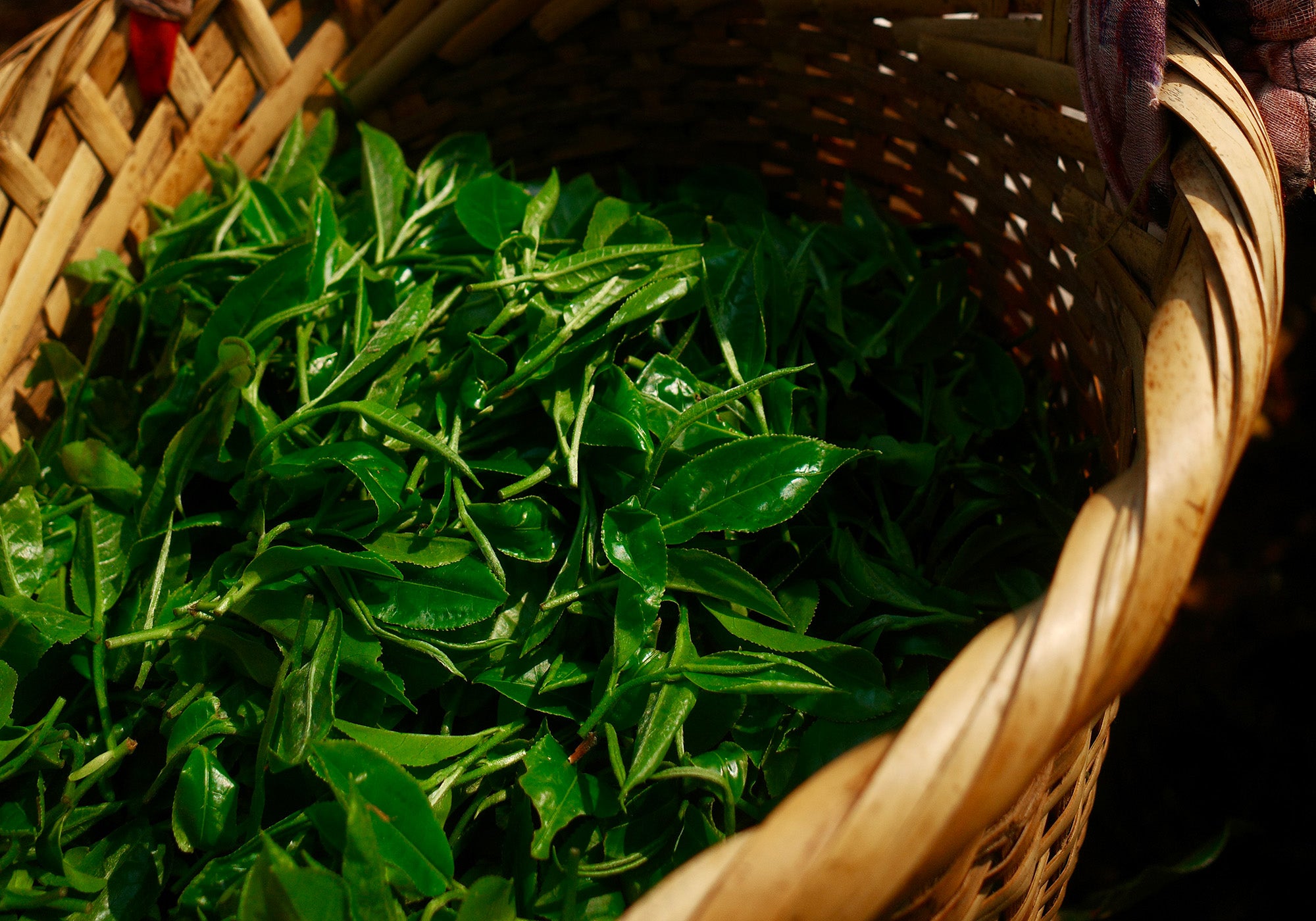
India is the world’s second-largest tea producer after China. Production is concentrated in three regions that have almost nothing in common with one another: Assam in the northeast, a vast, hot lowland fed by the Brahmaputra river; Darjeeling in the Himalayan foothills of West Bengal, cool and high-altitude; and the Nilgiri Hills in the south of Tamil Nadu, shrouded in mist at over a thousand metres. Each of these regions has its own climate and its own processing methods.
From wild plant to plantation agriculture
By the early nineteenth century, tea had become indispensable to daily life in Britain, and China held a monopoly on its supply. The East India Company, the British trading enterprise that governed large parts of the Indian subcontinent, sought to break that total dependence on China and looked for suitable areas to produce tea itself.
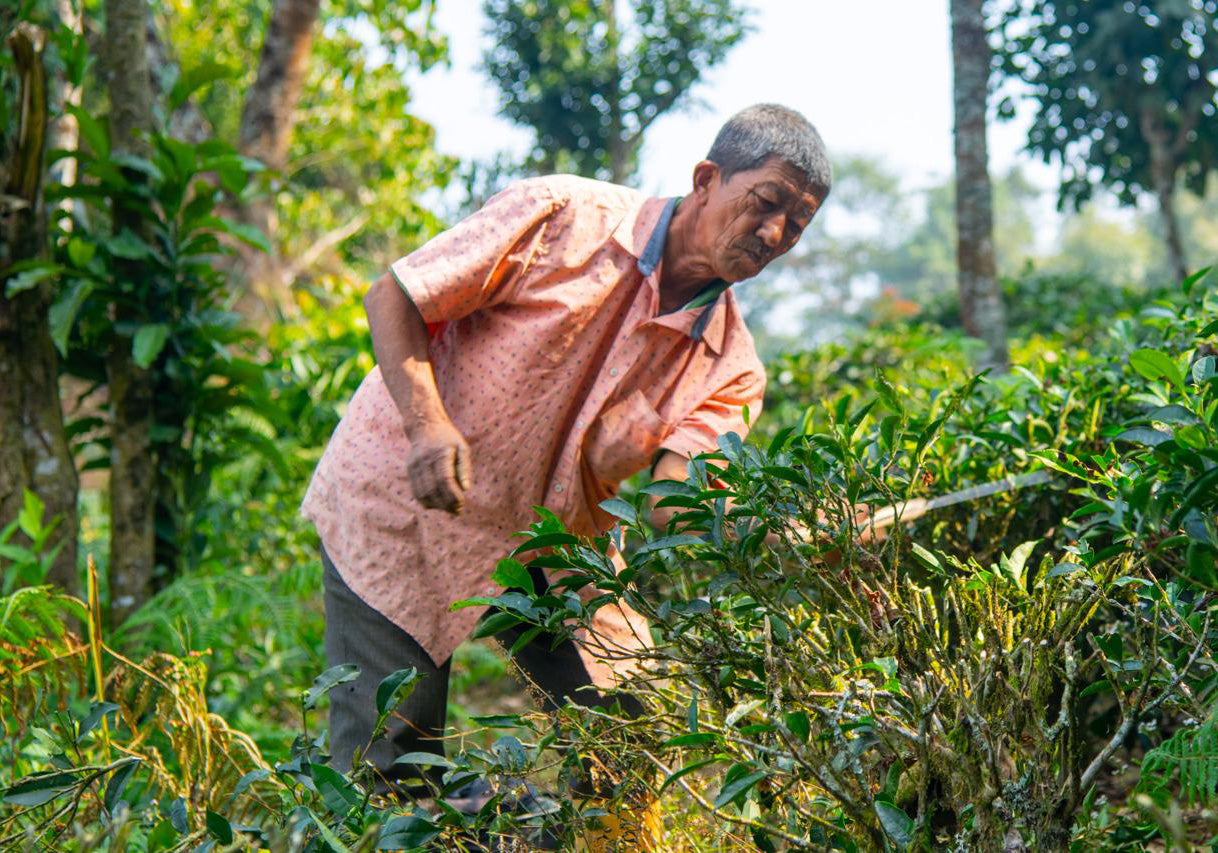
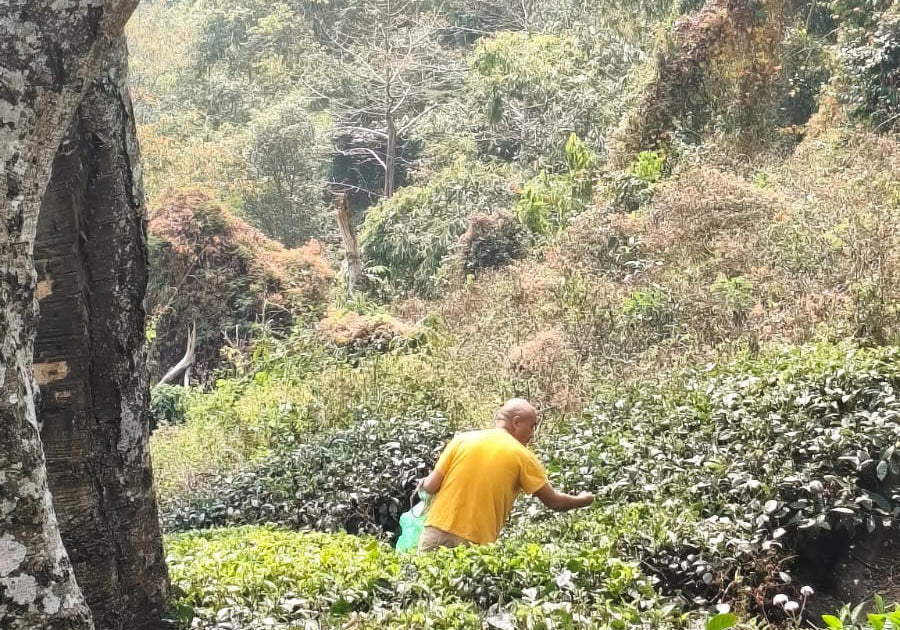
Assam proved promising: wild tea plants (Camellia sinensis var. assamica) grew there naturally and had been used for generations by the local Singpho community. In the 1820s, the Scottish adventurer Robert Bruce came across those plants. After his death, his brother Charles brought the discovery to the attention of the East India Company. The first commercial plantings got under way in the late 1830s, with the founding of the Assam Tea Company in 1839. Darjeeling followed in the 1840s, and the Nilgiri Hills in the south in the 1850s and 1860s.
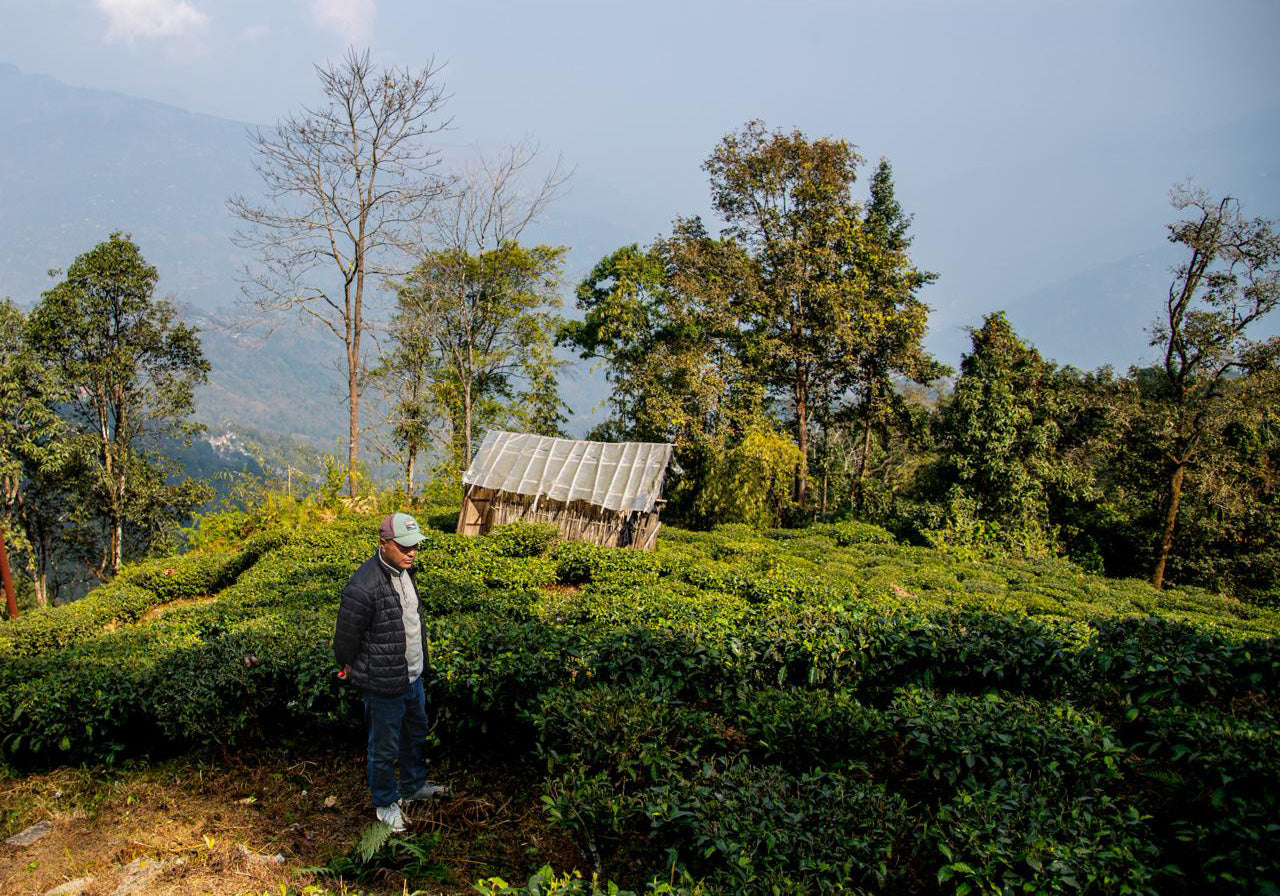
That expansion had a dark side. To staff the plantations, workers from Bihar and other remote regions were brought to Assam and Darjeeling under a contract system that allowed little freedom. The social legacy of that period, including low wages and isolated estates with limited access to education and healthcare, is still felt in parts of India today.
Assam: the engine of Indian tea production
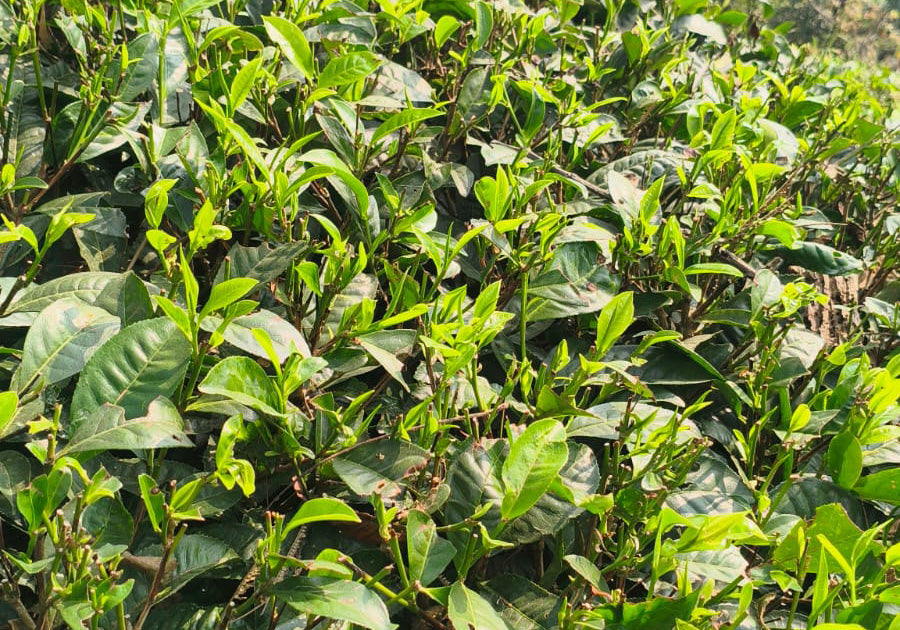
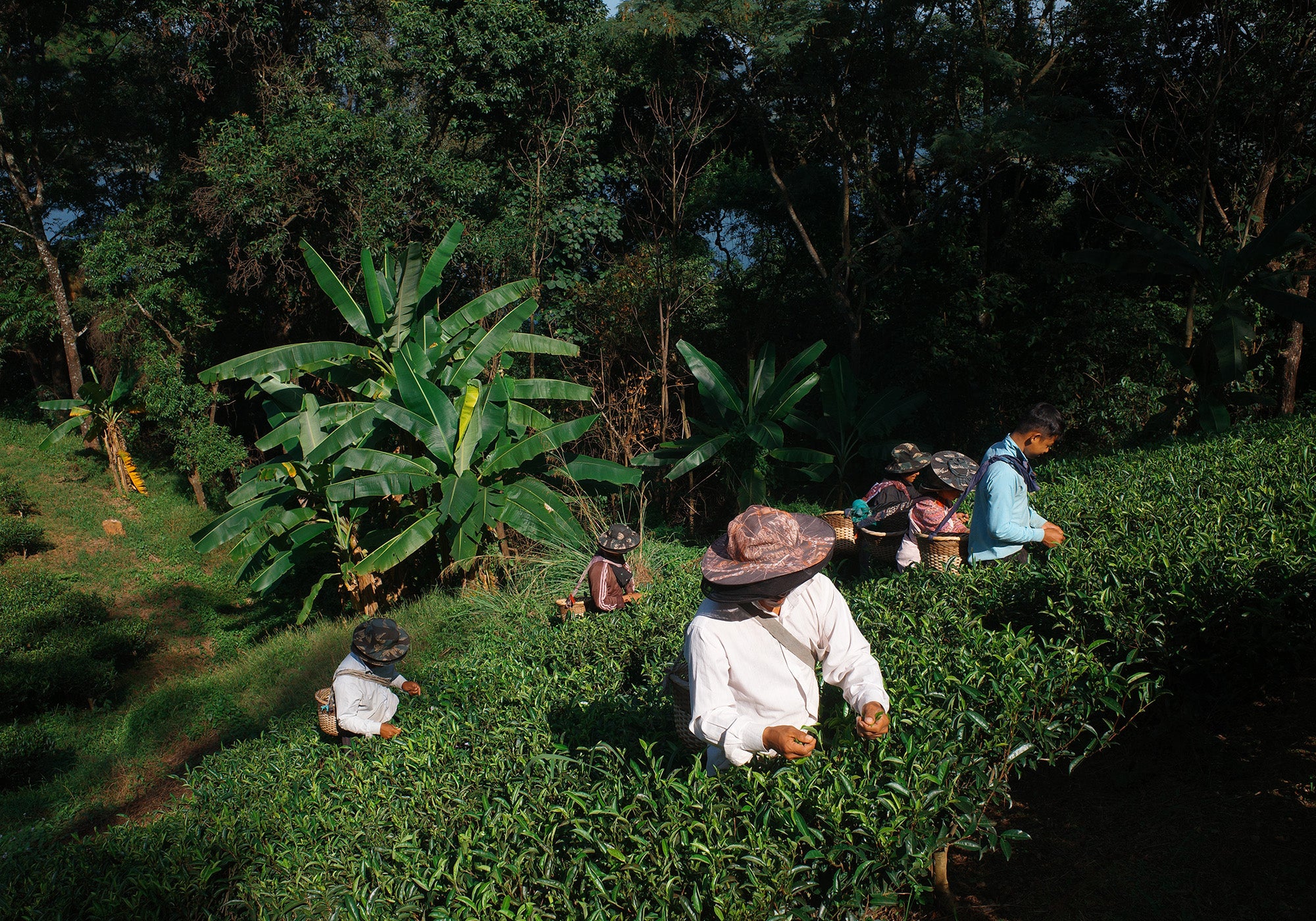
Assam forms the heart of Indian tea production. The region is the largest contiguous tea-growing area in the world and accounted for more than half of India’s total harvest in 2024. The tea plant thrives in the hot, humid lowland, fed by the monsoons and the rich alluvial soil of the Brahmaputra valley.
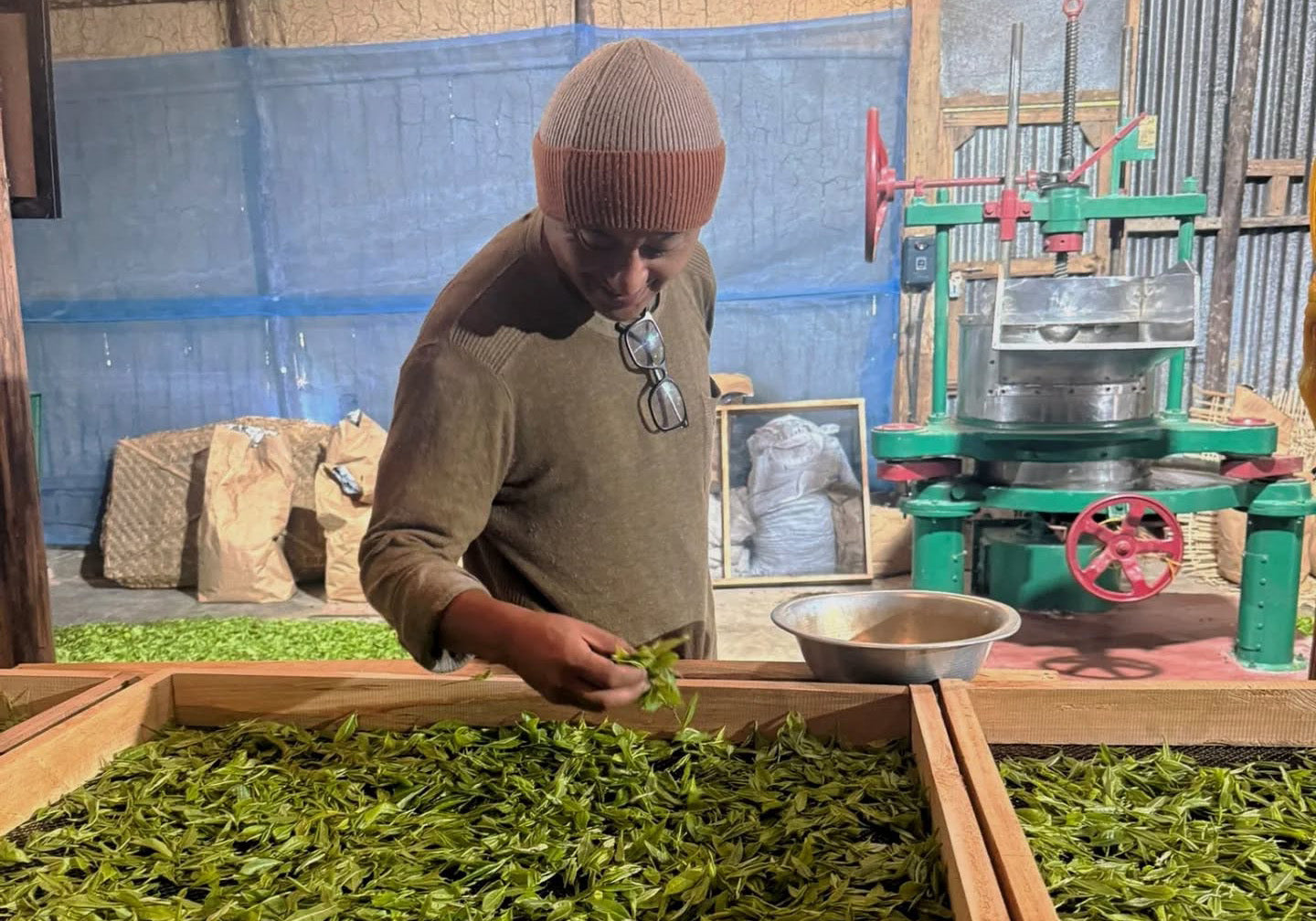
The great majority of Assam tea is processed using the CTC method (crush, tear, curl), in which cylinders press the tea leaves into small pellets. The result is a strong infusion that forms the base of many international breakfast blends. For more on the difference between this method and orthodox tea, see An introduction to the world of tea.
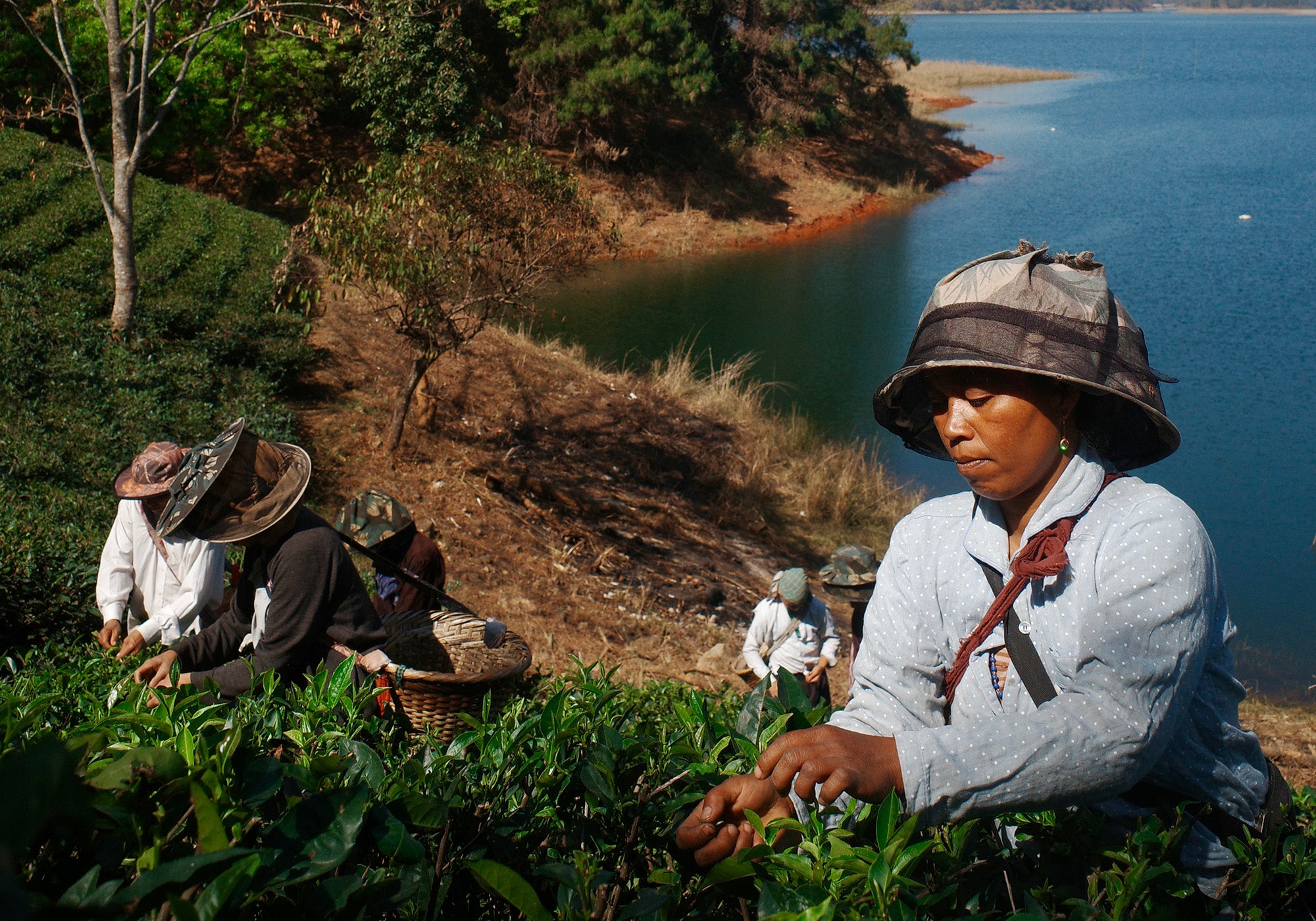
Not all tea in Assam comes from large estates. A significant share of production comes from small independent tea farmers who sell their leaves to nearby factories for processing. This group is economically vulnerable and rarely in the spotlight, yet forms an important part of the supply chain.
Darjeeling: tea at altitude
Darjeeling lies in West Bengal, in the foothills of the Himalayas, at elevations between 600 and well over 2,000 metres. Its 87 tea gardens together cover approximately 17,500 hectares. As the first Indian product to receive official geographical indication (GI) protection, only tea from this defined area may carry the name Darjeeling — just as only sparkling wine from the Champagne region of France may be called Champagne.
The 87 Darjeeling gardens together produce around 8 to 9 million kilograms of tea per year, while a multiple of that amount is sold worldwide as “Darjeeling”. Counterfeiting and misleading labelling have been a problem in the sector for decades.
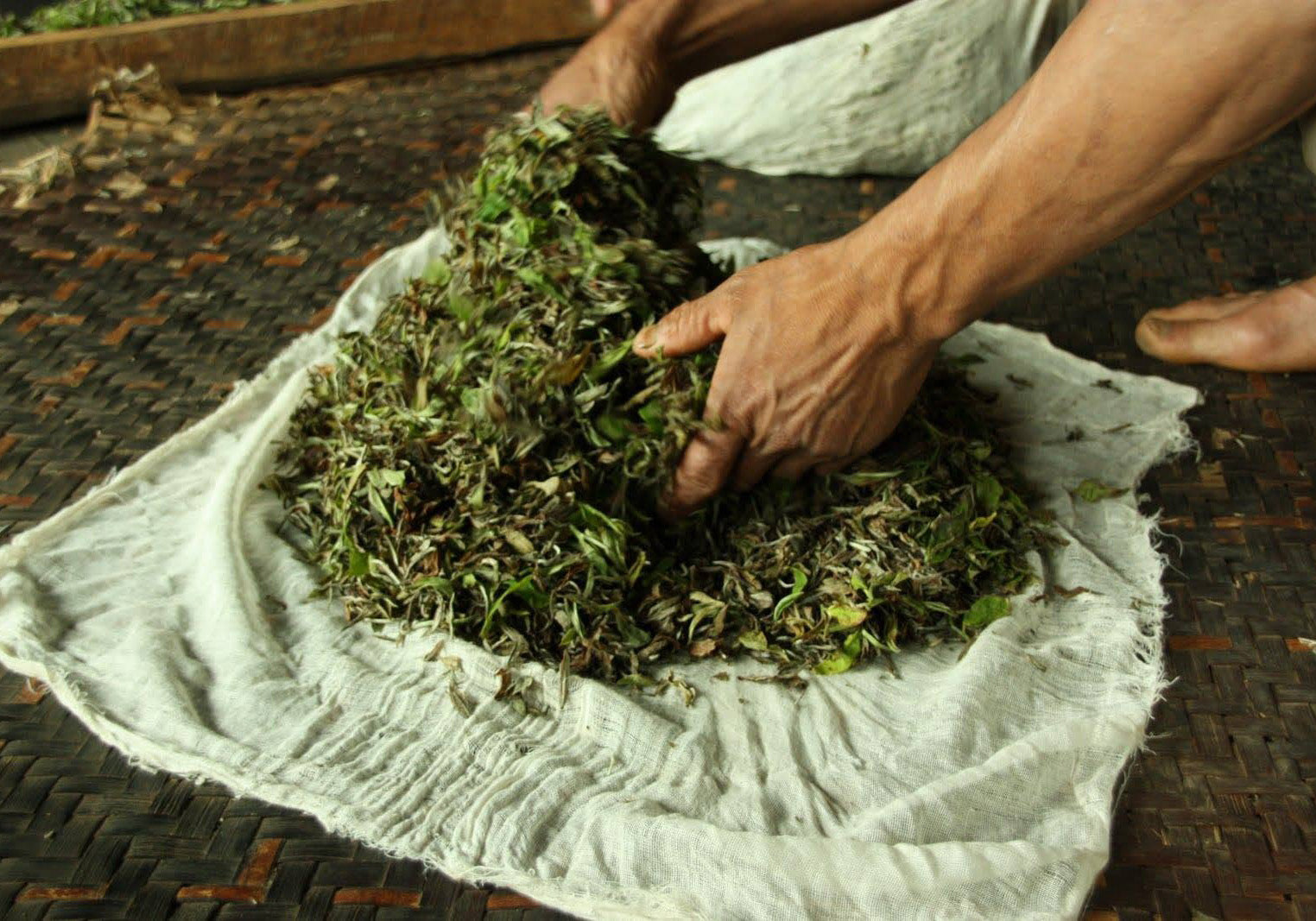
What distinguishes genuine Darjeeling tea is its muscatel character: a floral, lightly fruity aroma that results from a combination of the cool climate, the unique terroir, and the presence of a specific leafhopper (Empoasca flavescens) that triggers a distinctive response in the plant.
The harvest takes place in several picking rounds, known as flushes, each with its own character. The first flush in early spring yields the most delicate infusion. The second flush, harvested in May and June, is the most sought-after and commands the highest prices on the world market.
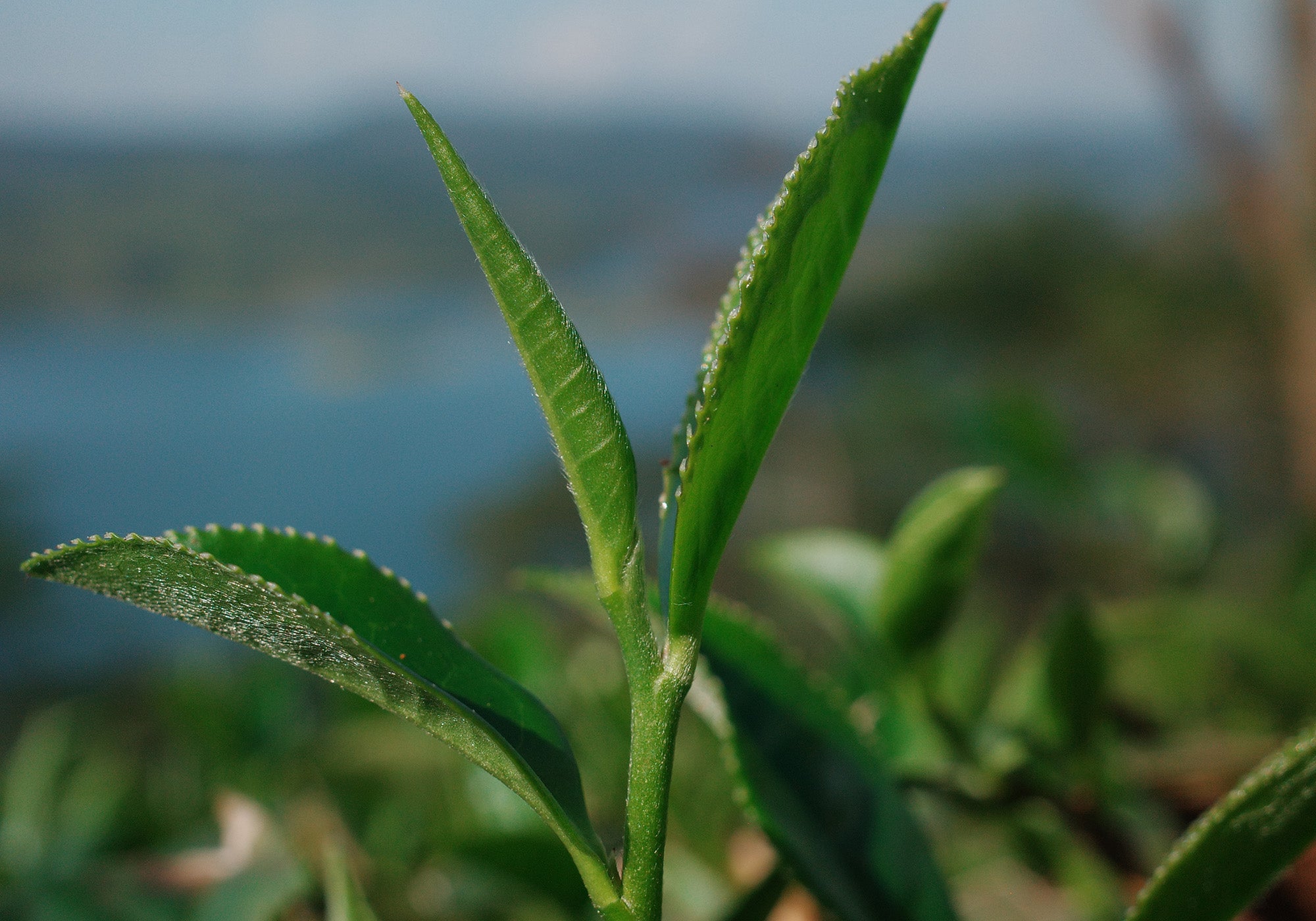
Part of the difference in flavour between Assam and Darjeeling comes down to the tea plant itself. In Assam, the predominant variety is the large-leafed tropical Camellia sinensis var. assamica. In Darjeeling, many gardens work with the small-leafed var. sinensis, or crosses between the two. Both varieties respond differently to climate and processing, which contributes to the pronounced difference in flavour profile. For more on how varieties and cultivars shape the aroma of tea, see Varieties and cultivars: the foundation of every tea aroma.
The Nilgiri Hills: the south
In the state of Tamil Nadu, the Nilgiri Hills extend at altitudes of between 1,000 and well over 2,500 metres. The name means “blue mountains” in Tamil. The tea grown here is bright in colour, fresh in flavour, and mild in character. Nilgiri tea is widely used in international blends, including English breakfast teas.
The south of India accounted for around 17 per cent of national production in 2024, with Kerala and Karnataka alongside Tamil Nadu as producing states. A modest share, but the southern gardens are strongly export-oriented and supply a relatively large proportion to the world market.
Meghalaya and Sikkim: a different scale
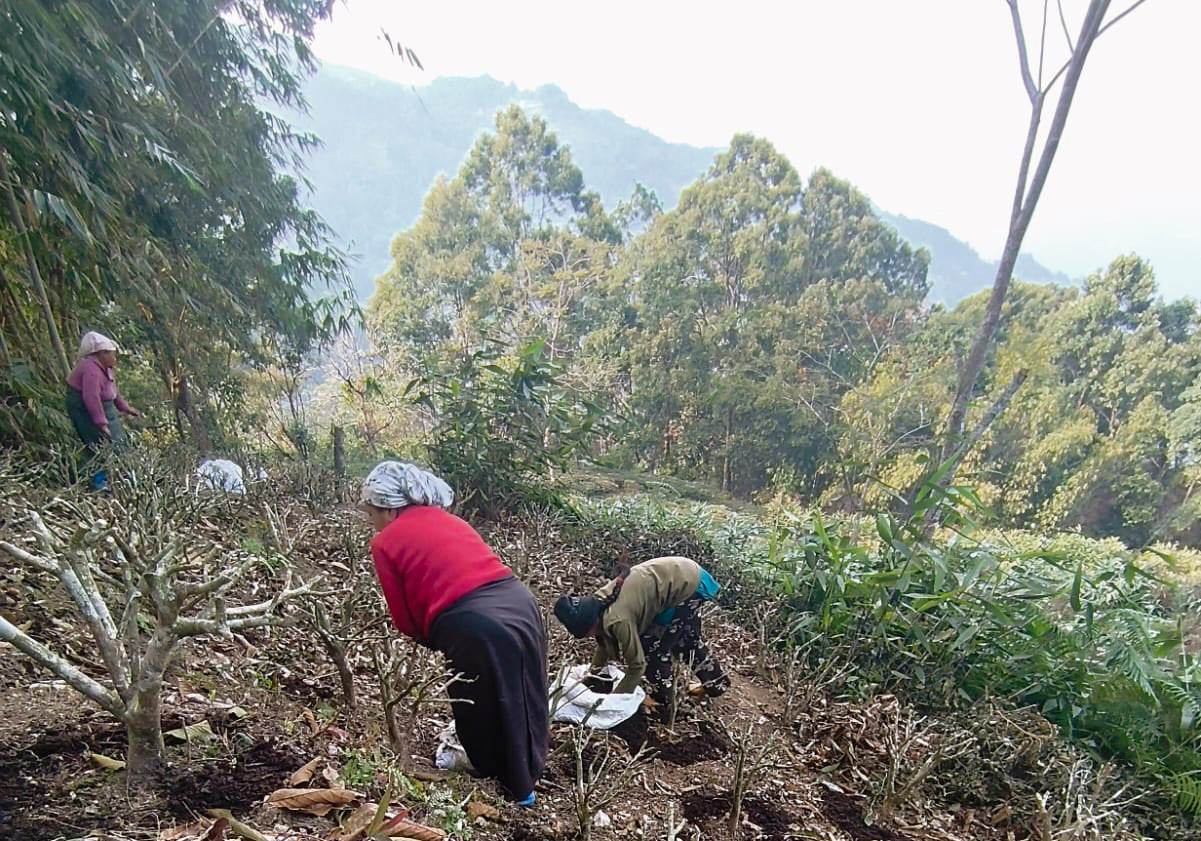
Not all Indian tea comes from large estates with colonial origins. In the northeastern state of Meghalaya, wedged between Assam and Bangladesh, small family tea gardens are found on slopes between 980 and 1,300 metres. The East India Company explored the region as early as the 1840s but withdrew: the local Khasi community resisted large-scale planting by outsiders on their land.
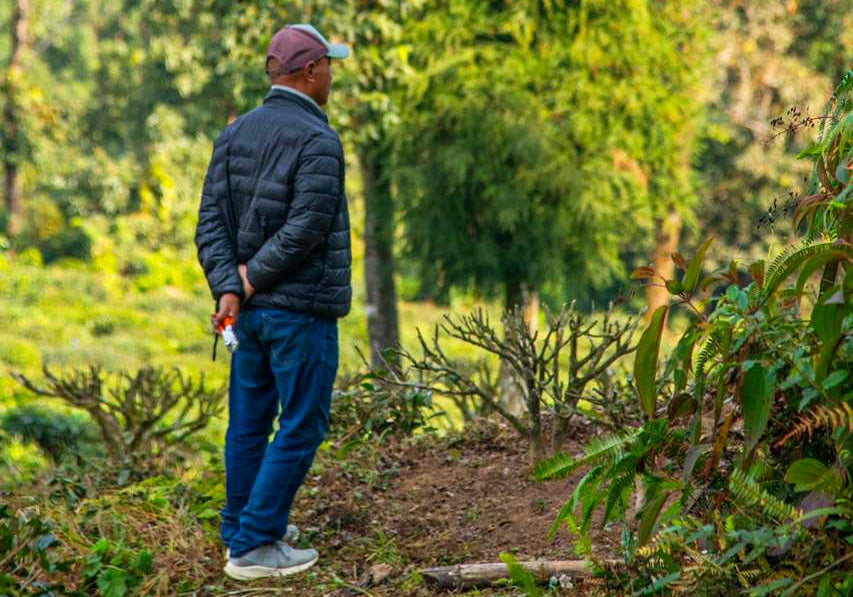
That resistance has spared the region from the plantation scale and social problems that characterise Assam and Darjeeling. One of the few Meghalaya gardens to have gained international recognition is Lakyrsiew Tea Garden, founded in the early 2000s by Nayantara Linnebank, a Khasi woman who converted her inherited land into an organic micro-garden.
The neighbouring state of Sikkim has taken a similar direction. Its entire tea production is organically certified, and Sikkim is pursuing its own GI label. It is a small sector, but one that demonstrates that quality and small-scale production are a fully viable alternative to the bulk model in India.
India in figures
India produced approximately 1,400 million kilograms of tea in 2024, placing it firmly in second position after China. The greater part of that production stays within the country: chai is so deeply embedded in daily life that India itself is one of the world’s largest tea consumers. Exports in 2024 amounted to around 255 million kilograms, with the UAE, Iraq, Iran, Russia, and the United Kingdom as the main markets.
Notable is that India earns less per kilogram exported than countries such as Sri Lanka. The reason: the vast majority of exports consist of bulk CTC tea with little added value. The growing international demand for specialty tea and single-origin lots offers the sector an opportunity to change that, but requires a different approach from the one large estates have pursued for decades.
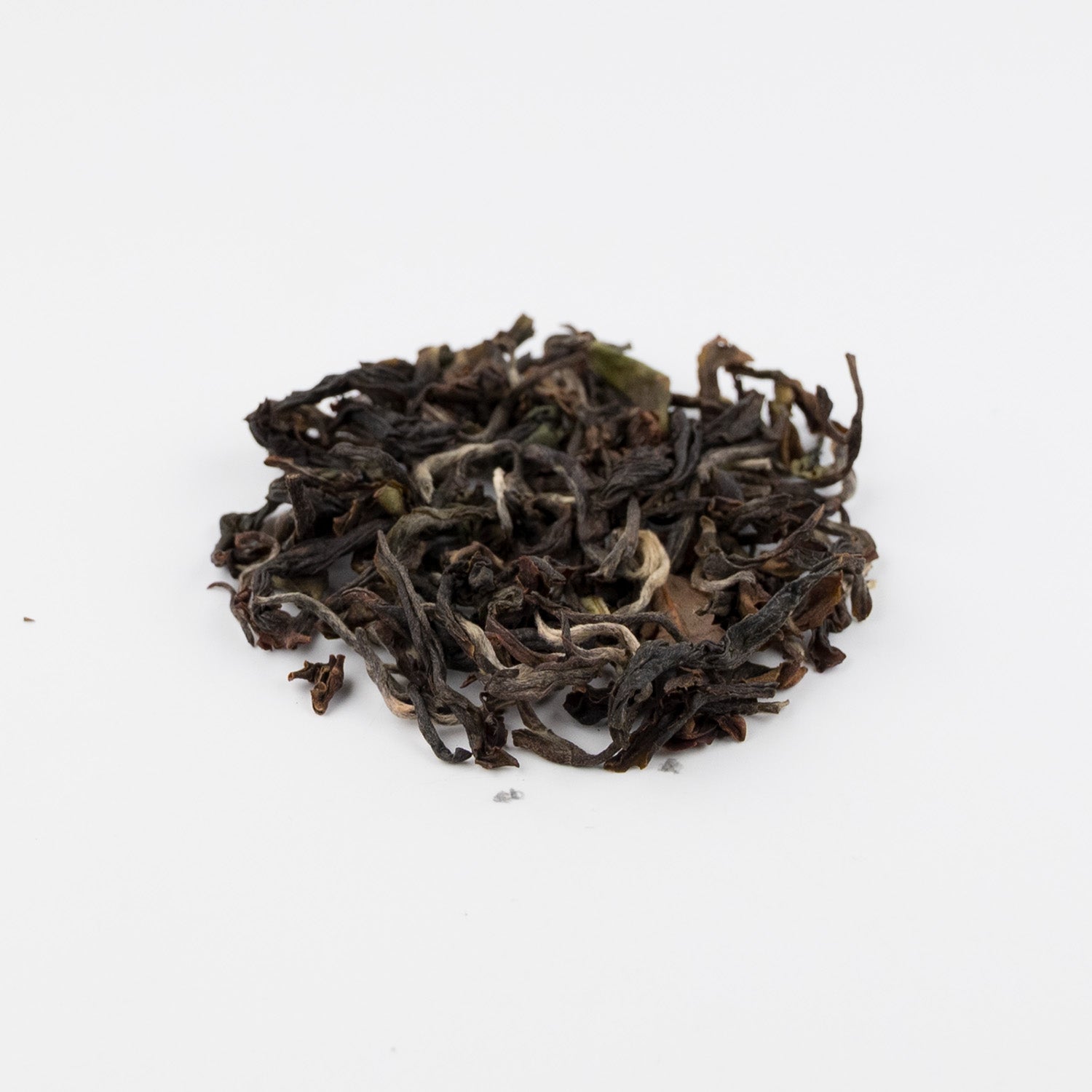
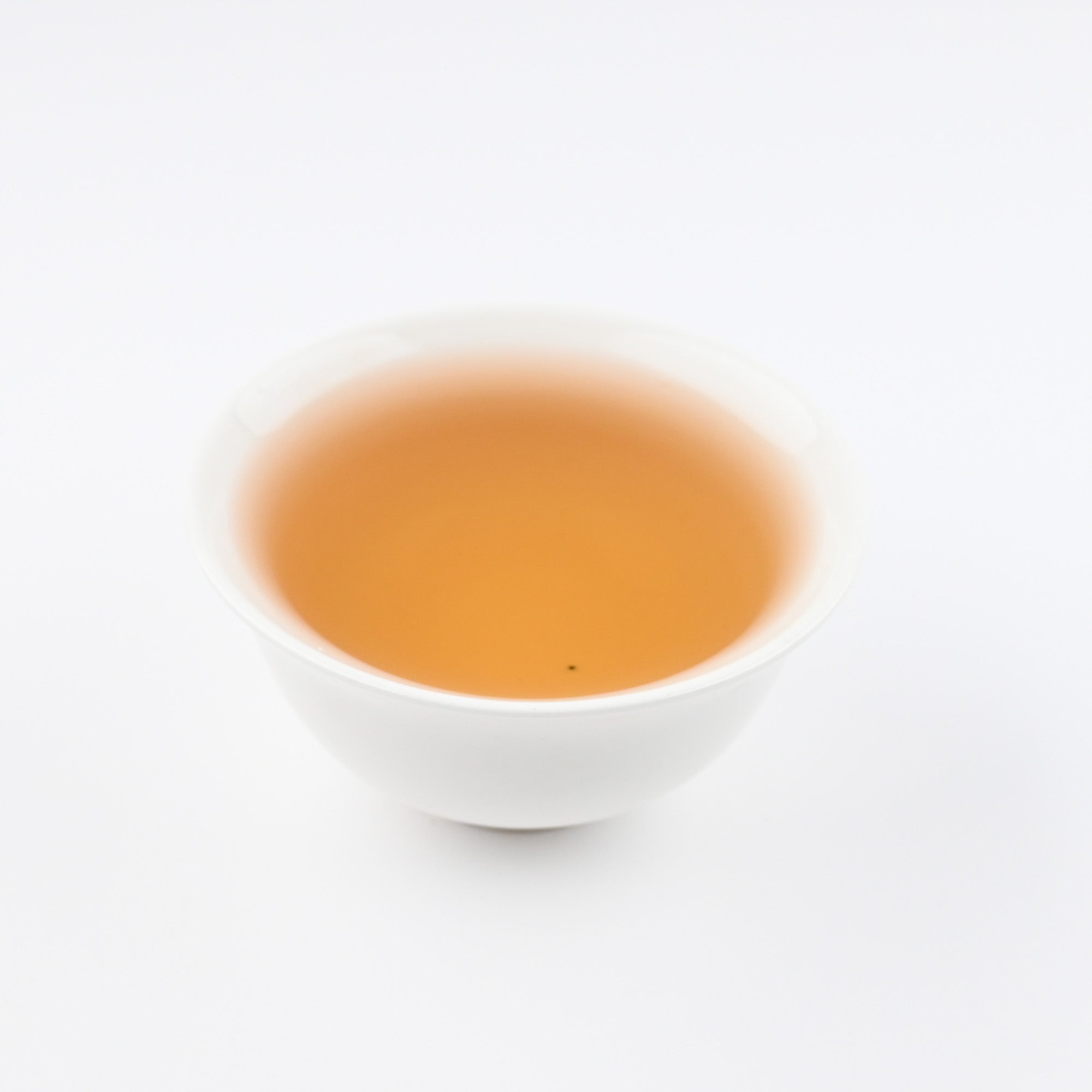
A black tea from Meghalaya, India, between Assam and Darjeeling.
Free Delivery
From €50 in BE and NL.

Pickup Available
In Zonhoven and Hasselt (BE).

Fast Shipping
Within 2-3 business days.

Secure Payment
Multiple payment options.