

Free Delivery
From €50 in BE and NL.

Rooibos grows in only one place in the world: a narrow strip of shrubland in the Cape region of South Africa. The reddish-brown herb is one of the best-known caffeine-free teas worldwide. But the story of South African tea goes further than that single icon. Alongside rooibos, the country is also home to honeybush, a less well-known but equally distinctive herbal tea.
Rooibos
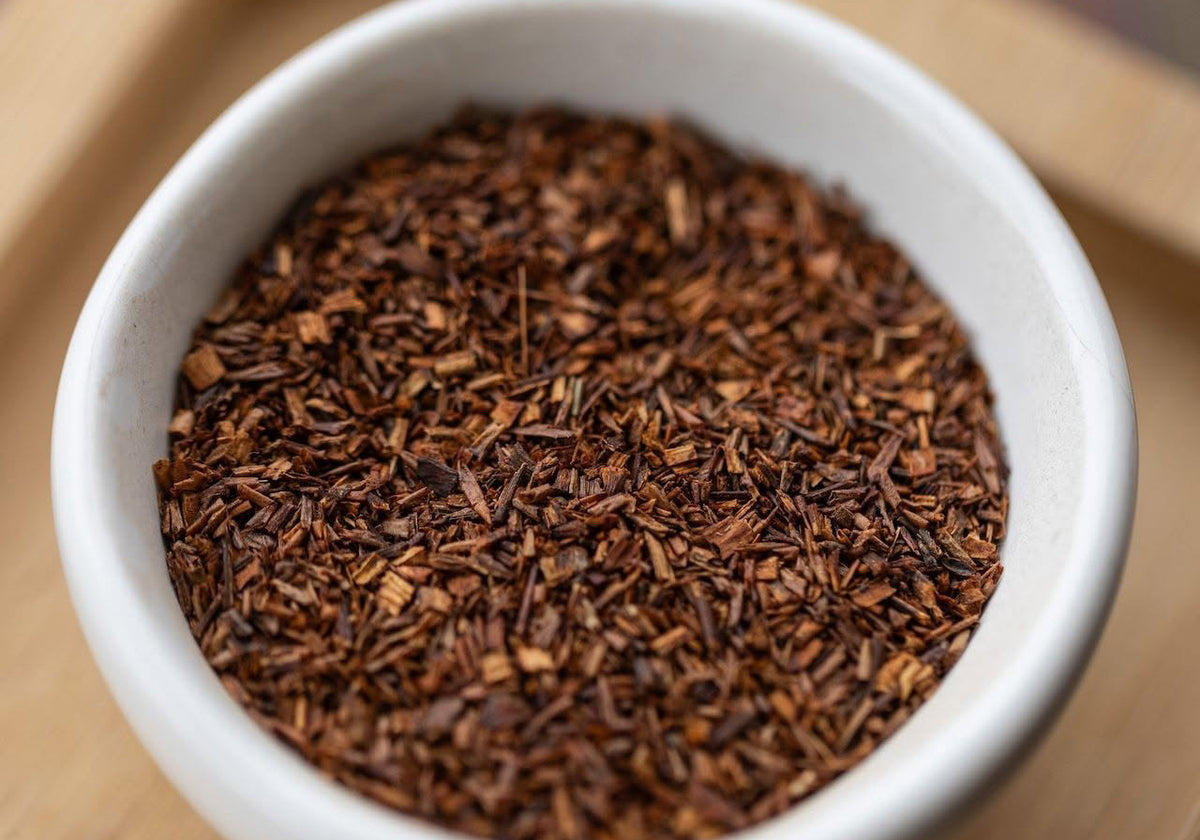
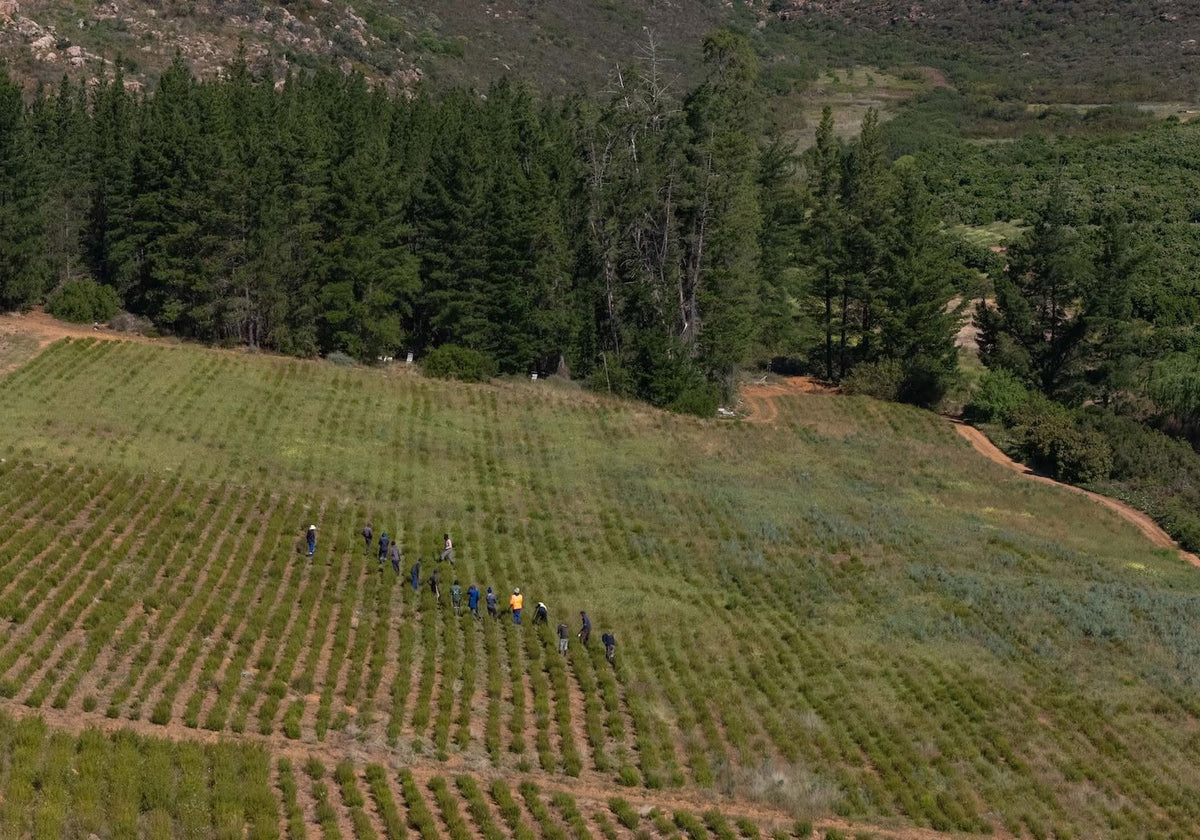
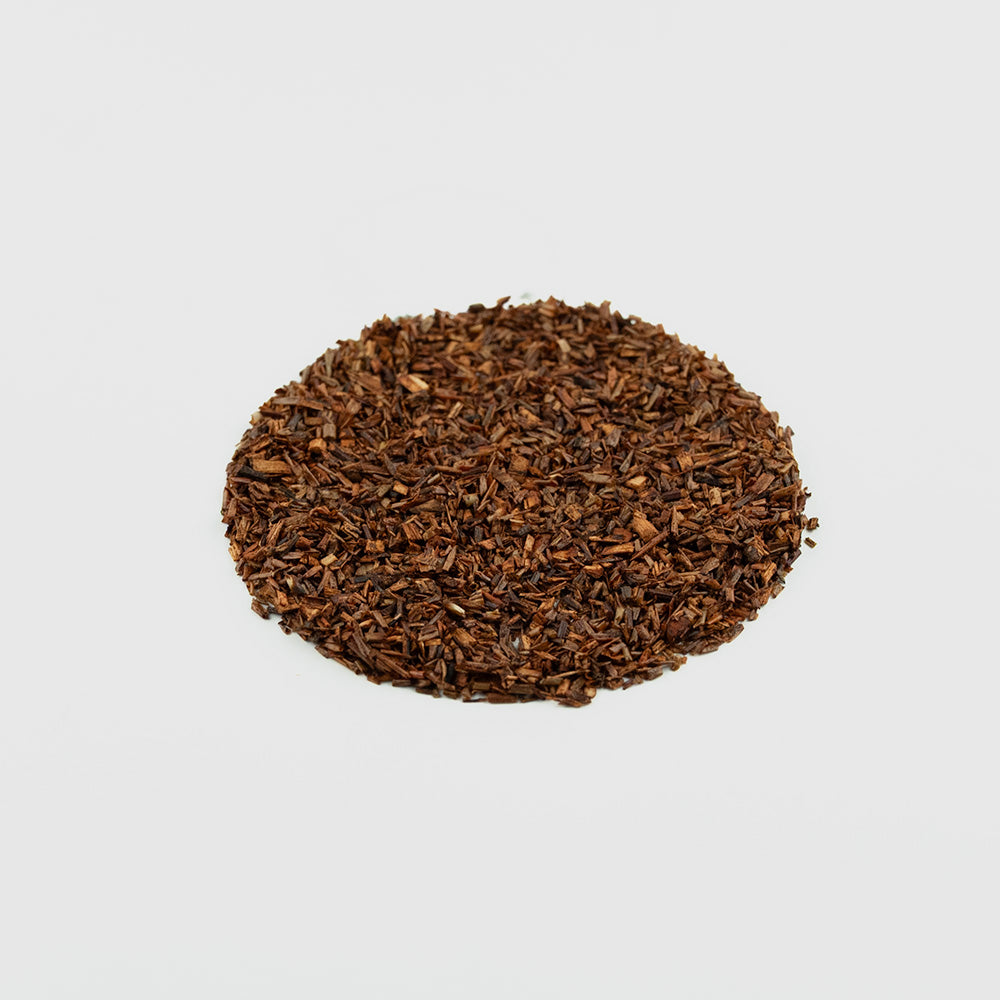
Rooibos (Aspalathus linearis) is an herbal infusion made from the leaves and stems of a shrub that grows exclusively in the fynbos, a unique shrubland landscape in the Cape region. The fynbos is known for its exceptional plant diversity and for species found nowhere else on earth. The plant grows in a specific climatic zone: the Cederberg and surrounding areas in the Western Cape and Northern Cape, with hot dry summers and cold wet winters.

The name comes from Afrikaans and means “red bush”, referring to the characteristic reddish-brown colour that develops during oxidation, the process by which the leaves come into contact with oxygen and change in both colour and flavour.
Rooibos is naturally caffeine-free and low in tannins. For more on caffeine and related compounds in tea, see The subtle power of caffeine in tea leaves.
Alongside the classic red version, green rooibos has also existed since 1995. This variant is not oxidised, has a milder, more grassy flavour, and a higher antioxidant content.
A contested history
According to popular tradition, the Khoisan, the oldest inhabitants of southern Africa, used rooibos for centuries as a drink and a remedy. The reality is more nuanced. The earliest documentation of tea made from Aspalathus plants dates from 1772, when the Swedish botanist Carl Peter Thunberg described the local herbal tea during his travels through the Cape. The current commercial tradition is, however, considerably more recent.
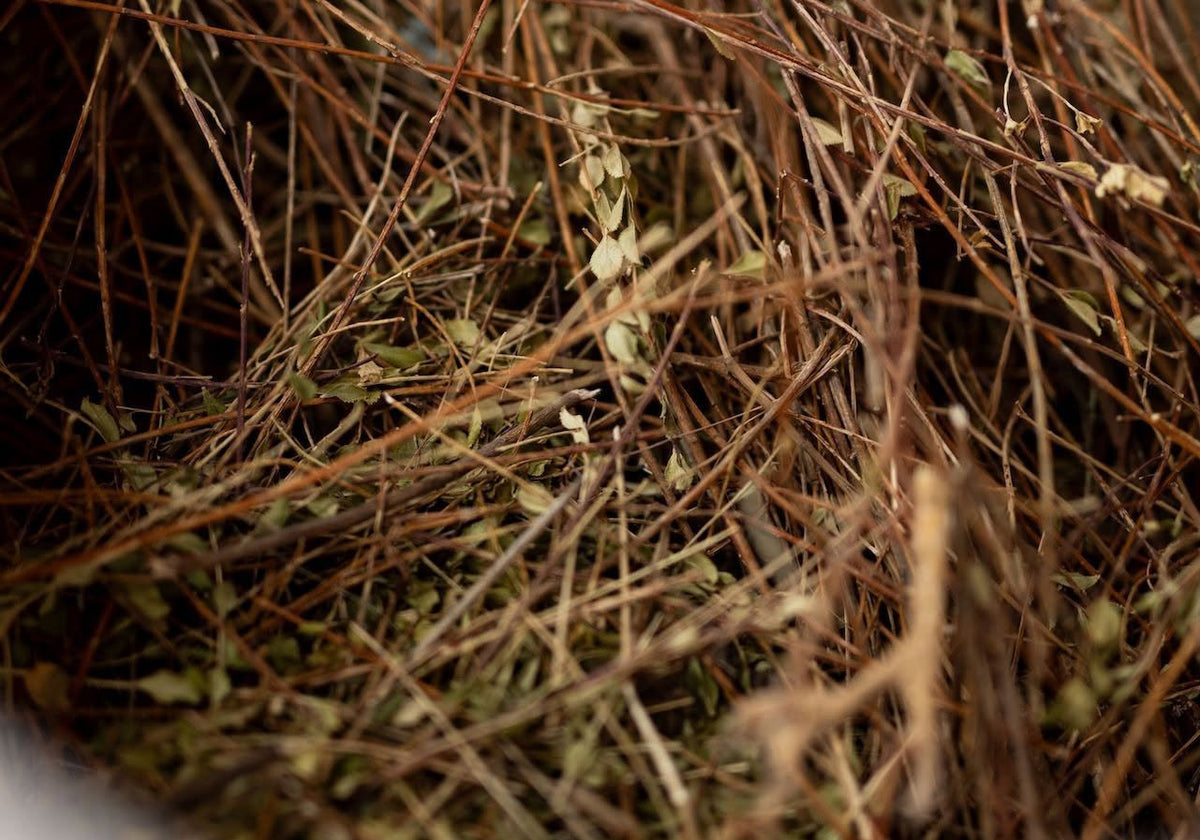
In 1904, Benjamin Ginsberg, a Russian-Jewish immigrant, began experimenting with the processing of rooibos on the Rondegat farm in the Clanwilliam district. He is regarded today as the father of the rooibos industry. Pieter Le Fras Nortier, a physician and botanist in Clanwilliam, discovered in 1930 how the seeds could be germinated. From that point on, commercial cultivation became possible for the first time, and rooibos grew into a fully-fledged industry.
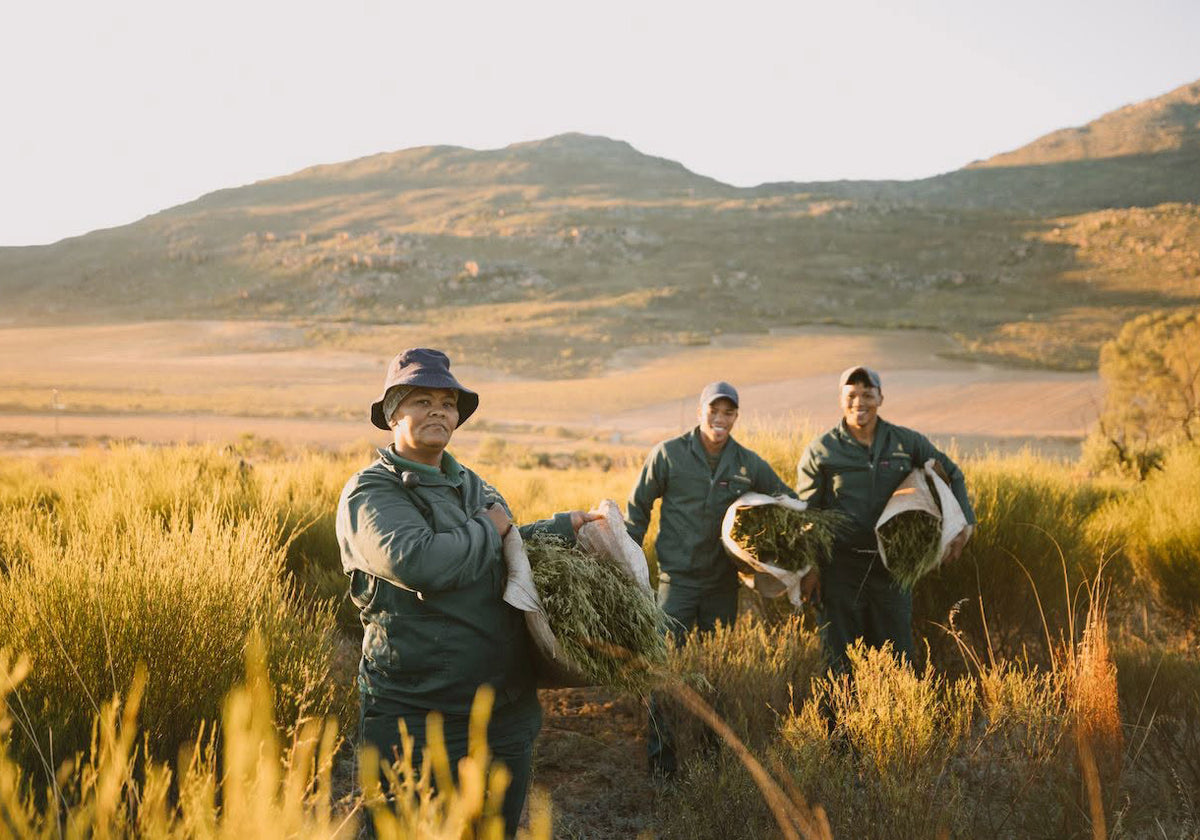
In 2019, the rooibos industry and representatives of the Khoi and San signed a historic agreement: the first industrial Access and Benefit Sharing agreement in the world. It is a legal framework through which communities that have held knowledge of a plant for centuries can now share in the commercial proceeds from it.
Since then, processors have paid an annual levy of 1.5% on the price the farmer receives before transport and further processing (the farm gate price). This provides the communities with a structurally significant income, though the precise annual total varies with the harvest.
Recognition from Europe
In May 2021, rooibos became the first African food product to be entered in the EU register of Protected Designations of Origin (PDO), alongside names such as Champagne and Parma ham. Since then, the name “rooibos” or “red bush” may only be used within the EU for products from the officially demarcated area in the Western and Northern Cape. This protects South African producers against imitation.
Figures and the world market
South African rooibos production fluctuates from year to year between 13,000 and 25,000 tonnes, heavily dependent on rainfall. For 2025, production stood at approximately 15,000 tonnes. Rooibos now reaches more than 50 countries, with Japan as the largest buyer (33% of total exports in 2025), followed by Germany, the Netherlands, the United Kingdom, and France.
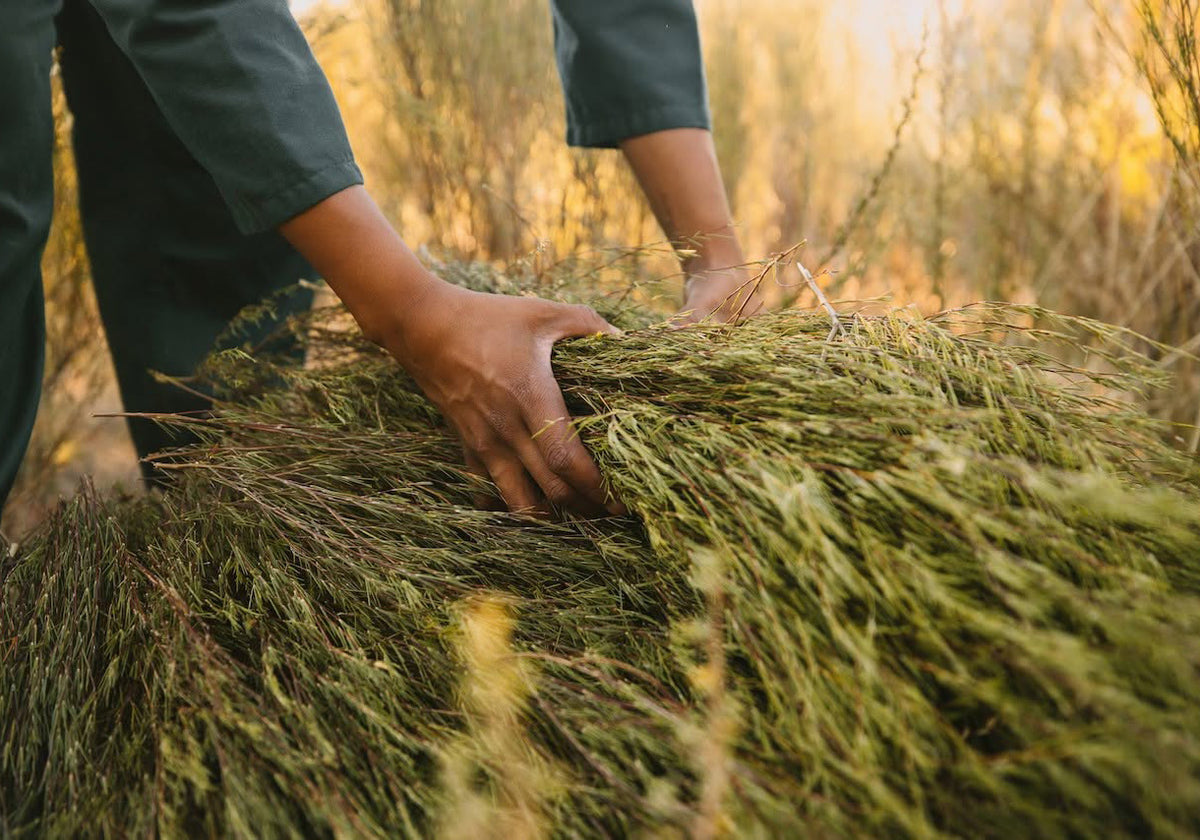
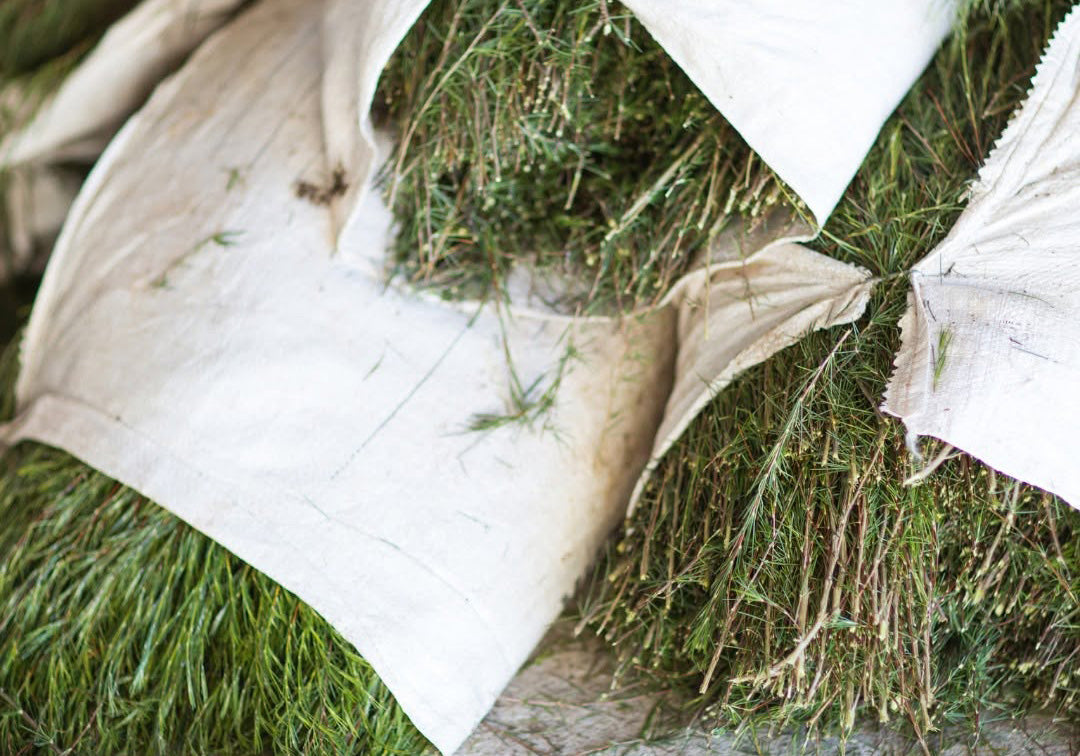
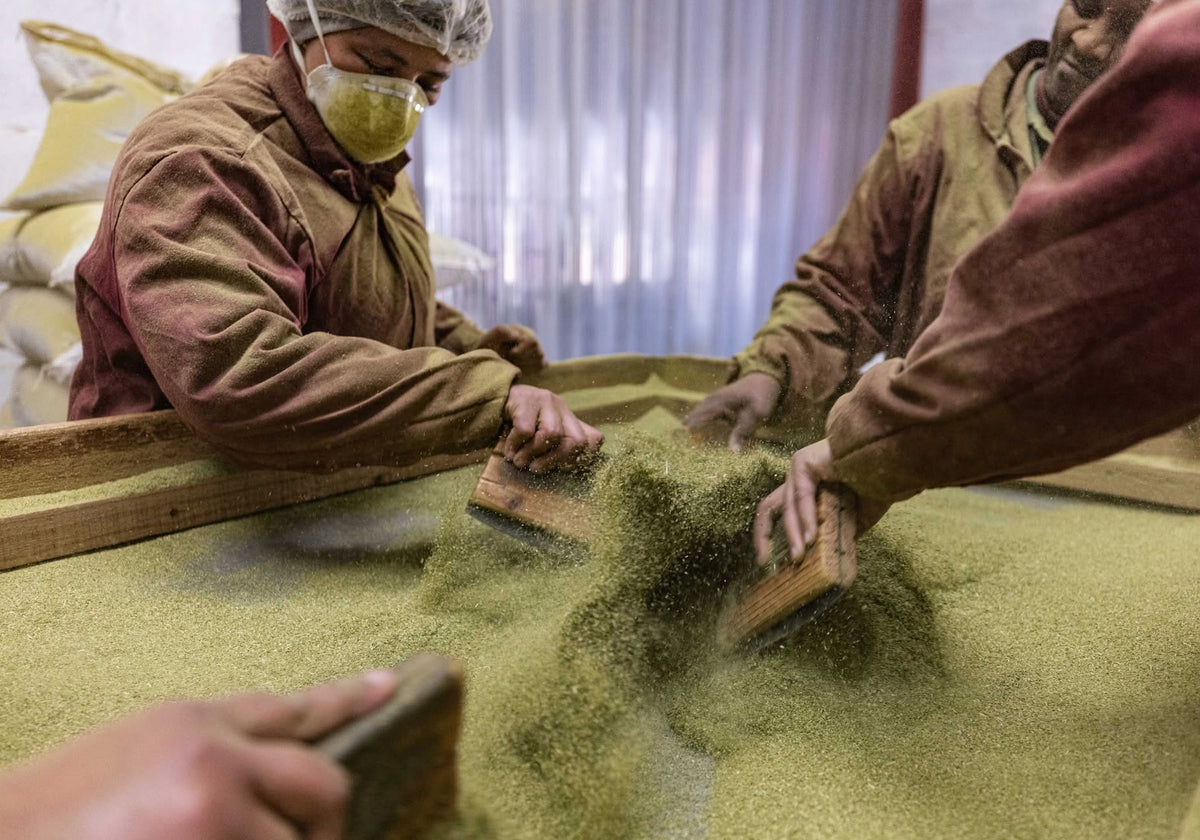
The harvest takes place during the South African summer, between December and March. The leaves are cut, bruised, moistened, and piled up to oxidise. They then dry in the sun, during which the characteristic reddish-brown colour develops.
Honeybush: the lesser-known cousin
Alongside rooibos, South Africa has a second indigenous herbal tea: honeybush (Cyclopia). The plant takes its name from the honey-like scent of its yellow flowers. There are 23 recognised species, of which Cyclopia intermedia (mountain tea) and Cyclopia genistoides (coastal tea) are the best known.
Honeybush grows in both the Western Cape and Eastern Cape, on sandy coastal plains and mountain slopes. The flavour is sweet, lightly woody, with a natural hint of honey. Like rooibos, honeybush is caffeine-free.
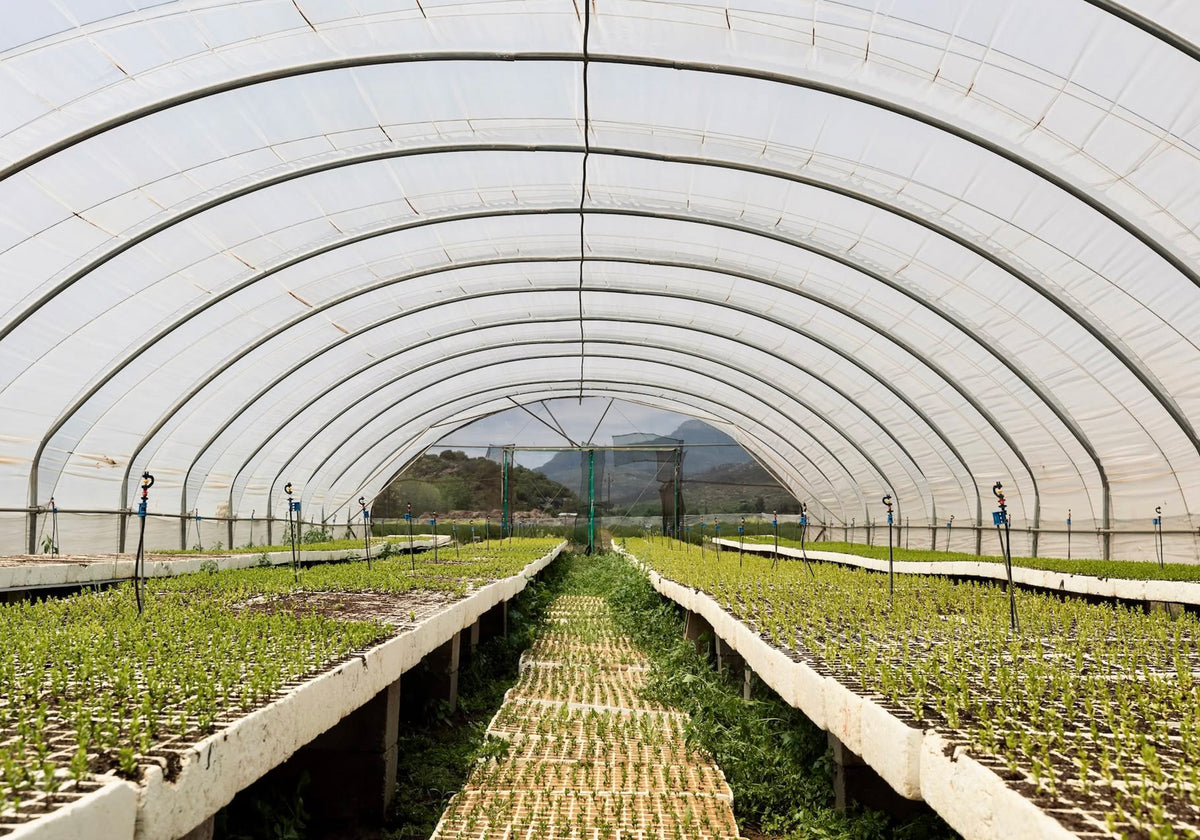
The industry is far smaller than that of rooibos. Annual production is limited to a few hundred tonnes, and around 80% is still harvested from the wild. The intensity of wild harvesting is exhausting the plant populations. Since the 1990s, there has been a gradual shift towards cultivation, supported by scientific research from SANBI, the South African National Biodiversity Institute.
Real tea: a sector under pressure
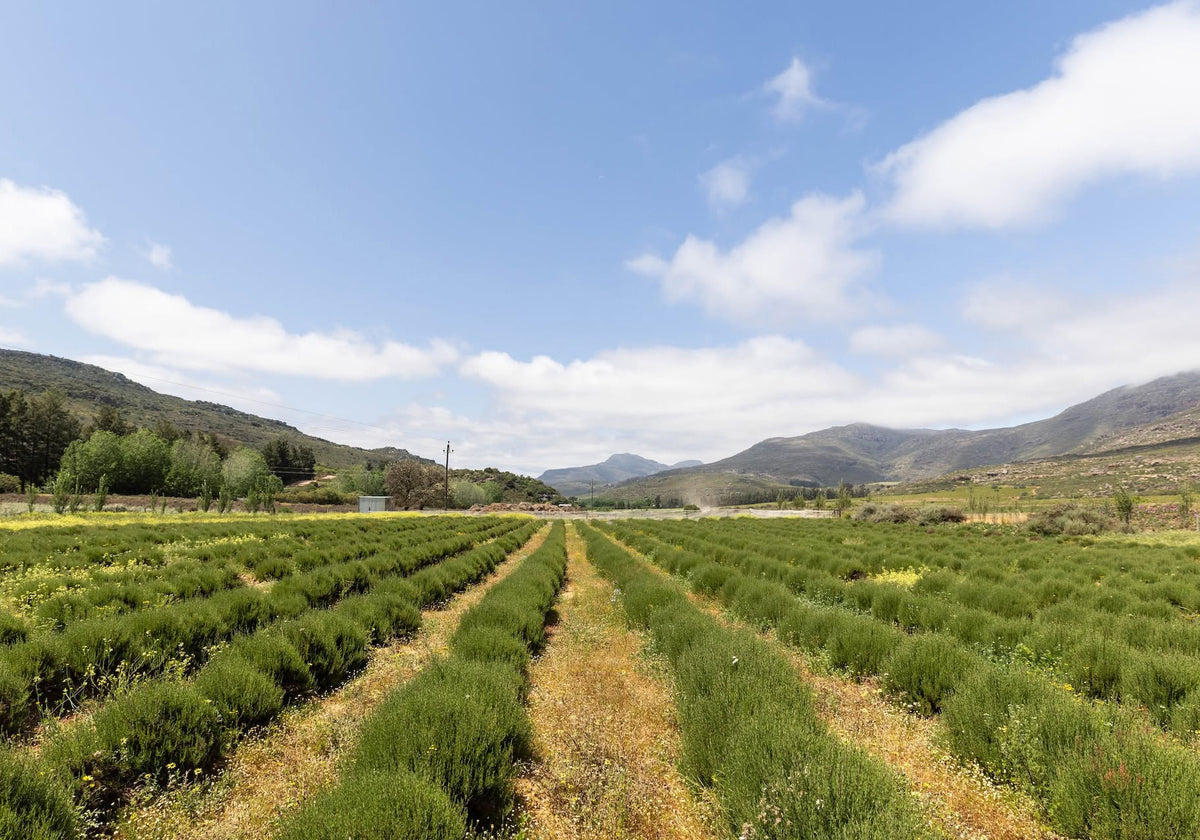
Camellia sinensis also grows in South Africa. Production is concentrated in Limpopo (Magoebaskloof, Vhembe), KwaZulu-Natal (Nkandla), the Eastern Cape (Lusikisiki), and Mpumalanga. At its peak, Sapekoe, a state-funded tea company established in the 1960s in Magoebaskloof, was one of the largest tea producers in Africa, with more than 6,000 employees at its height.
That story has unfortunately been in decline for some time. Sapekoe closed in 2004 and was never restored; the former tea fields have since been converted to avocado plantations. Tshivhase Tea Estate in Vhembe, one of the few large estates still operating after Sapekoe, once covering 1,700 hectares with 2,000 workers, has been largely at a standstill since 2021.
In closing
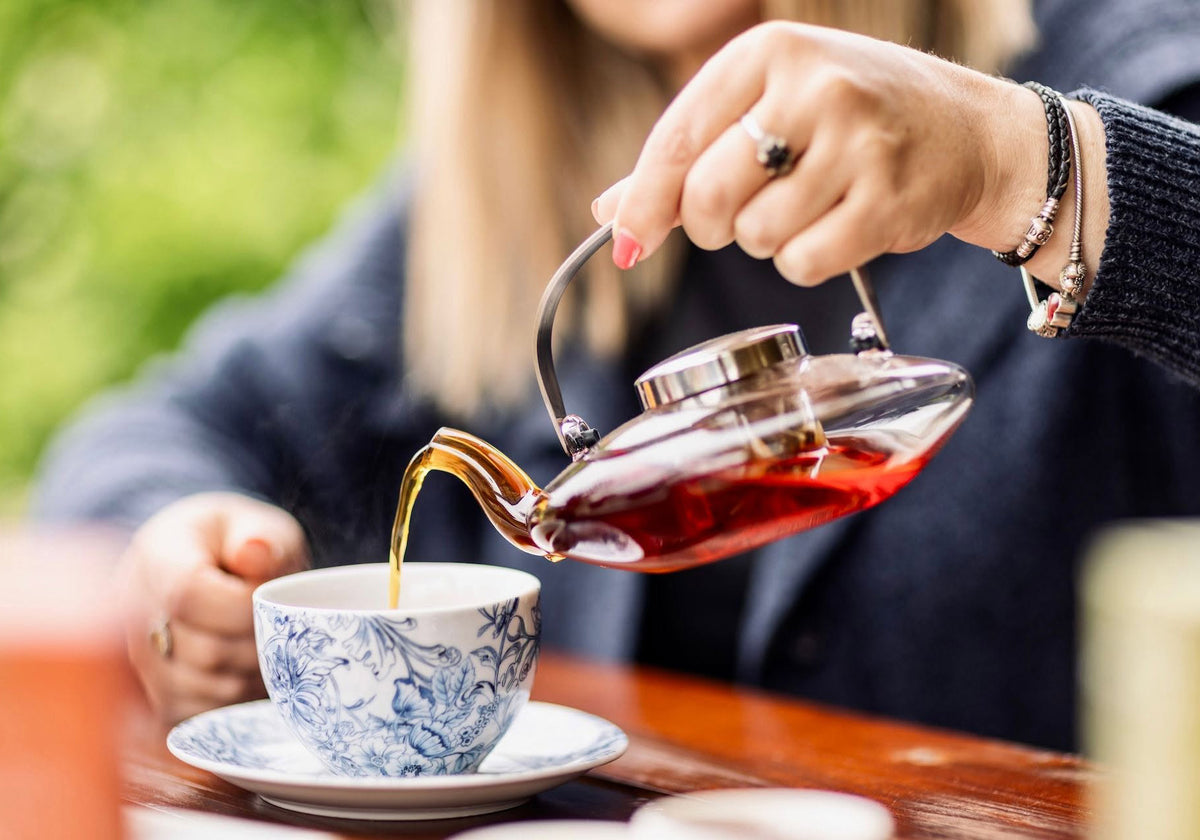
The story of tea in South Africa is essentially the story of two fynbos plants that grow nowhere else in the world. Rooibos has conquered the world, protected by a European designation of origin and supported by an industry with an international reach. Honeybush remains a treasure in development: sweet, lightly woody, caffeine-free, and unlike anything found elsewhere.
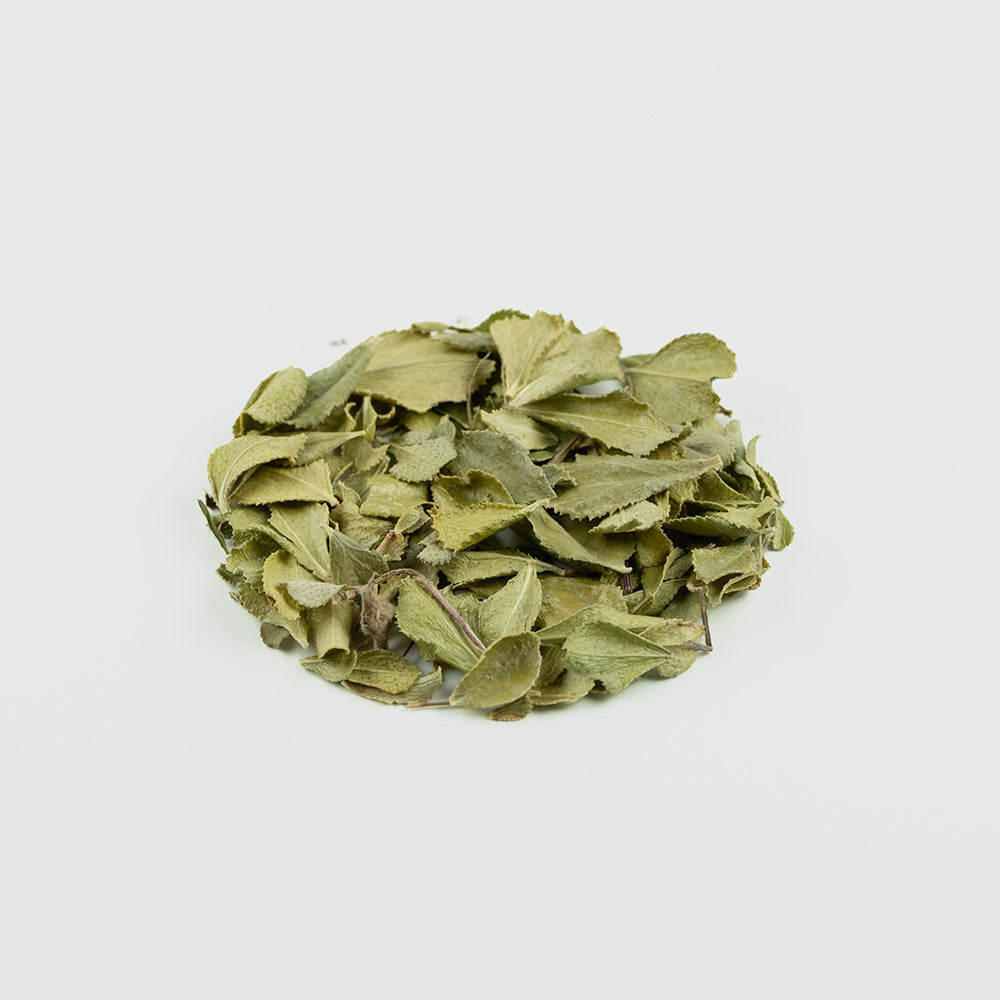
A herbal infusion from the Cederberg with notes of mint and blackcurrant.
Free Delivery
From €50 in BE and NL.

Pickup Available
In Zonhoven and Hasselt (BE).

Fast Shipping
Within 2-3 business days.

Secure Payment
Multiple payment options.