


Free Delivery
From €50 in BE and NL.
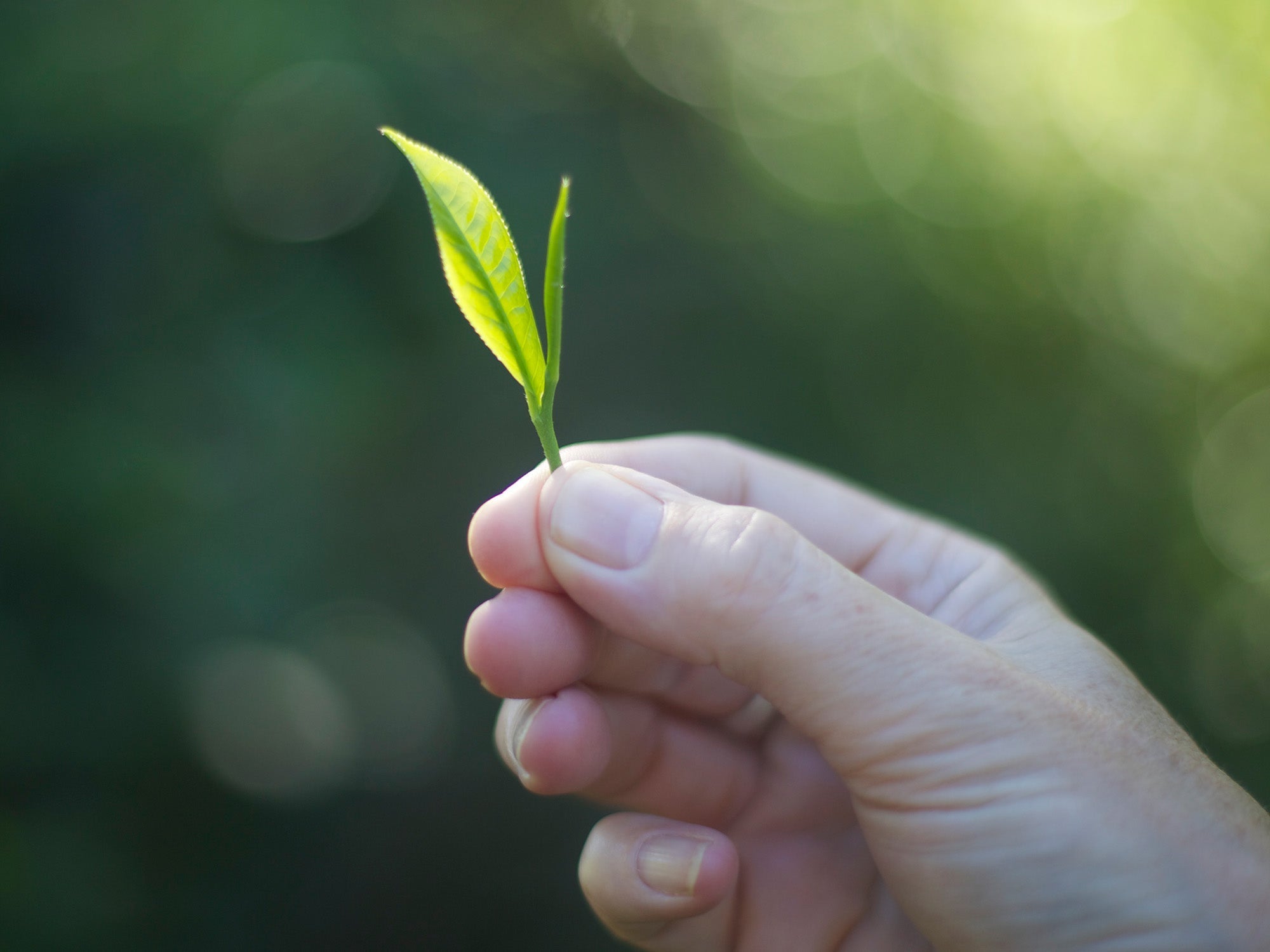
Caffeine in tea is a complex interplay of chemistry, the terroir of the tea plant, and different production methods. In this article, we take a closer look at the presence of caffeine in the various types of tea.
Caffeine is a naturally occurring stimulant found in coffee plants, tea leaves, and cacao beans, among others. Chemically, caffeine is classified as an alkaloid, belonging to the methylxanthines. It is part of the natural defence mechanism of the tea plant.
It has a number of effects on the body, with the stimulating effect being the most well known: it stimulates the nervous system, the heart, and the lungs.
The discovery of caffeine takes us back to the early 19th century, when a German physician studied coffee and all its associated components. Eight years later, he discovered a similar substance in tea, which he initially named "theine". Research eventually demonstrated that both substances were identical.
Both tea and coffee therefore contain caffeine, but how much exactly? Tea contains on average 2.5 to 3.5 per cent caffeine per mg, while coffee contains 1 to 1.7 per cent per mg. But we use less loose tea per cup, on average around 3 to 4 grams of tea leaves. As a result, a cup of tea contains on average 26 mg of caffeine, roughly 3.5 times less than the average 94 mg of caffeine in a cup of coffee (made with 8.3 grams of ground coffee).

When comparing caffeine in tea and coffee, there are some important differences. Tea contains L-theanine, an essential amino acid that influences neurotransmitters and thereby improves mental focus, cognitive performance, and general mood. Caffeine in tea works in combination with the natural relaxants and antioxidants, such as EGCG and L-theanine. This produces a gradual energy boost and a feeling of calm.
Unlike coffee, where caffeine molecules are freely available, the bound caffeine in tea must first be separated from other molecules. This results in a much slower and milder effect.
A further distinction arises from the different production methods of tea: the robust processing of black tea accelerates the uptake of caffeine and therefore provides a faster energy boost. This contrasts with the gentler processing of green tea, which produces a delayed, more sustained effect.
The brewing method, specifically the water temperature and steeping time, adds an additional layer of complexity. All of these factors contribute to a milder energy experience compared to the immediate kick of coffee.
How steeping time and temperature affect the taste of your tea is explained in How do you make a perfect cup of tea?.

Black tea, fully processed during production, generally provides the most pronounced caffeine effect. The caffeine content in oolong, green, and white tea is somewhat lower, but much depends on the harvesting method, production methods, water temperature used, steeping time, and other factors.
Herbal infusions, made from herbs and therefore not derived from the Camellia sinensis plant, are entirely caffeine-free. Looking for an immediate energy boost? Matcha is the recommendation. Matcha is made from ground green tea leaves and provides an extra dose of caffeine because you are drinking the leaves themselves, as opposed to other teas where you use the leaves only to prepare the infusion.
Looking for a caffeine-free alternative? Read more about The gentle magic of chamomile tea..
The amount of caffeine in tea does not therefore necessarily depend on the degree to which the leaves have been processed. It is more a combination of several complex factors. Below is an overview of the average caffeine content per cup of tea. You will find that you can easily drink several cups before reaching the maximum daily caffeine intake of 400 mg.

Other influences on caffeine content in tea
It is now clear that the type of tea (green, black, white, oolong, etc.) is not the determining factor for caffeine content. Several other factors influence the caffeine content in tea leaves:
How environment and soil determine the character of a tea leaf is explained in Varieties and cultivars: the basis of every tea aroma.
Caffeine is a natural substance found in plants such as coffee beans and tea leaves. Tea contains caffeine, but the amount per cup is generally considerably lower compared with an average cup of coffee. The interaction with other components in the tea plant also produces milder effects compared with the effects of caffeine in coffee.
Each type of tea has a different caffeine content, and this is not necessarily the result of different production methods. Factors such as soil quality, the parts of the plant used, and steeping time also play an important role.
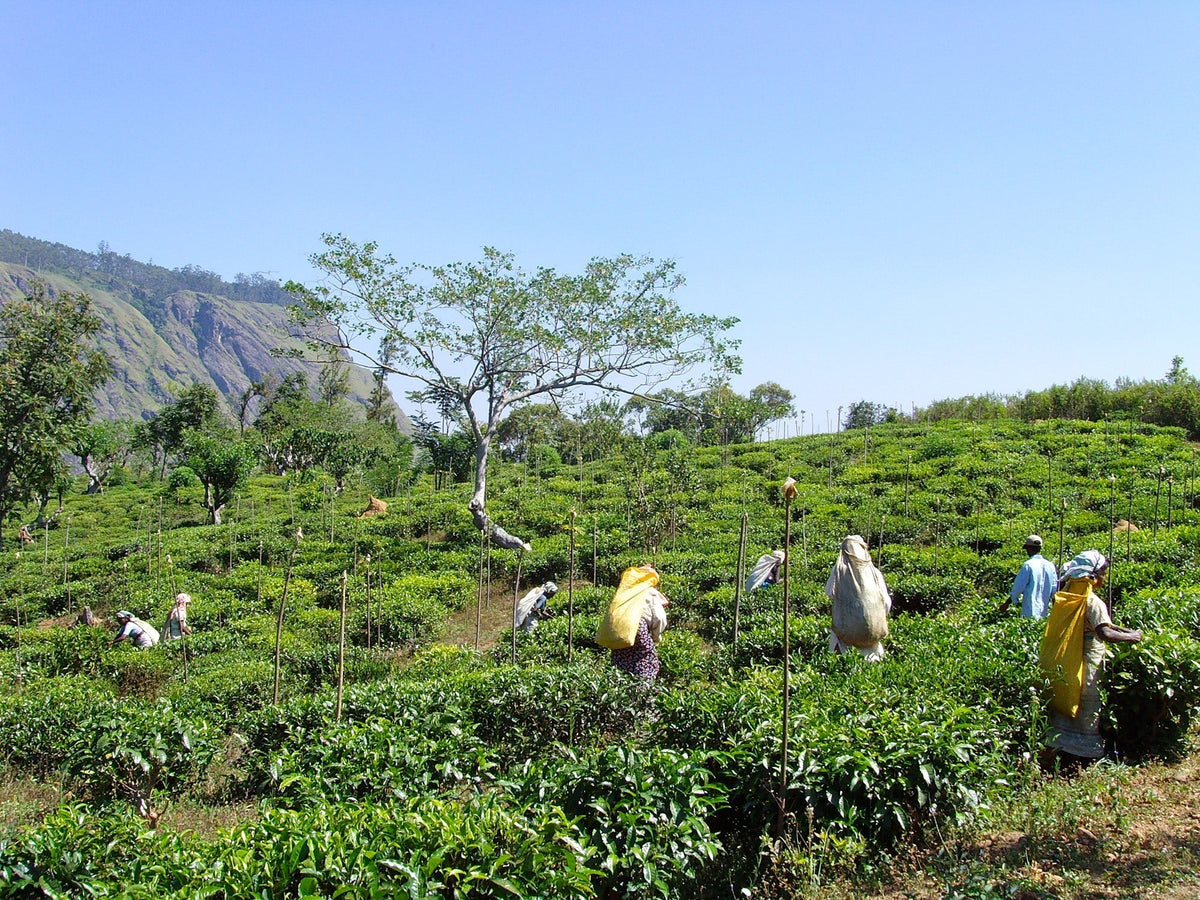
From Nuwara Eliya to Ruhuna: The Seven Tea Regions of Sri Lanka
From the misty mountaintops of Nuwara Eliya to the tropical coastal plains of Ruhuna: Sri Lanka is small enough to cross in a single day. But it also comprises seven tea regions, each with exceptio...
Read more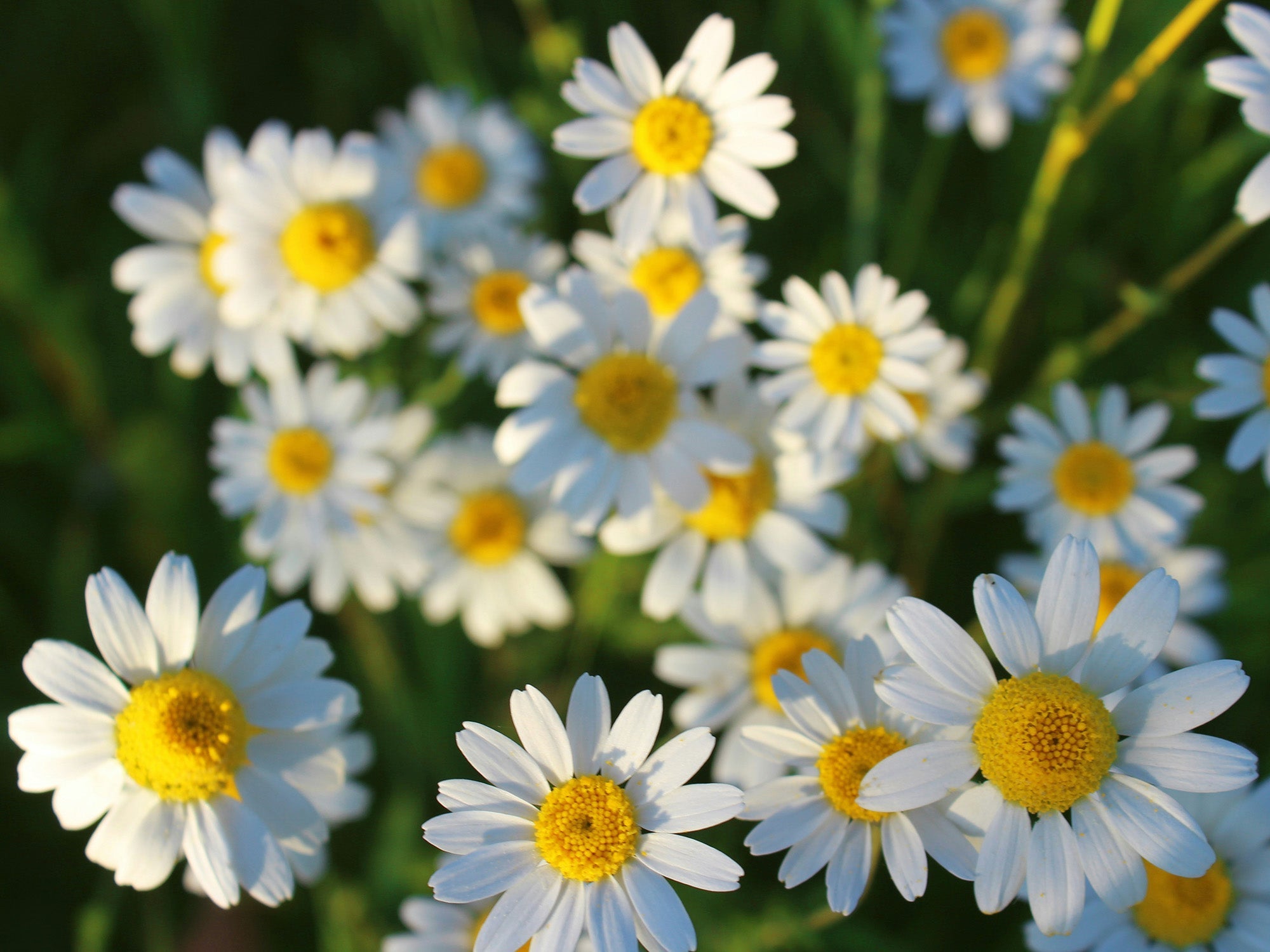
The surprising history of chamomile
Chamomile has been used for thousands of years. From the ancient Egyptians to the monastery gardens of the Middle Ages, from Hippocrates to Beatrix Potter: this modest herb has a remarkably rich hi...
Read more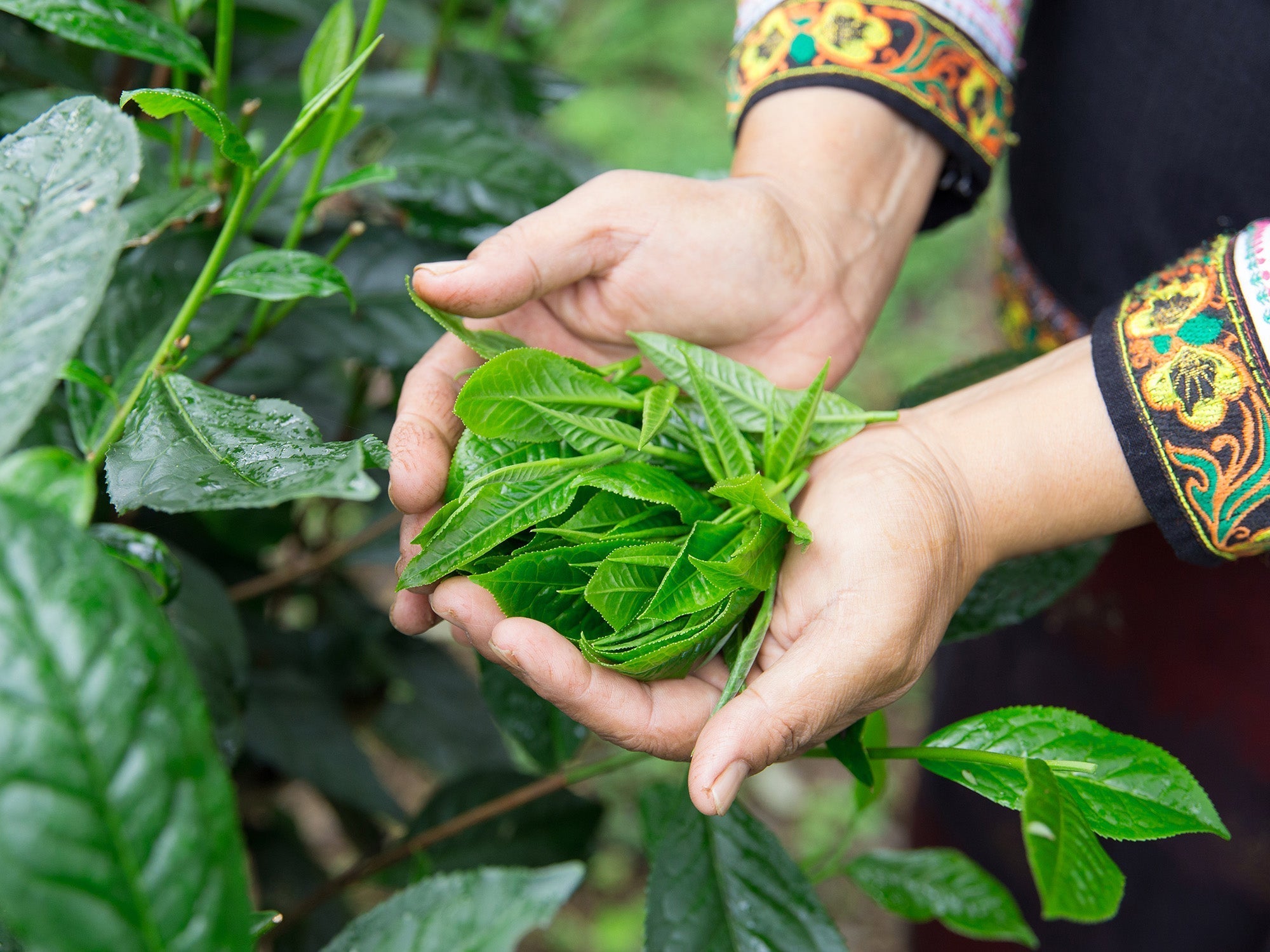
Varieties and cultivars: the basis of every tea aroma
Tea has an enormous richness of aromas and characters. As with wine and coffee, the story begins with the plant itself. The choice between varieties and cultivars determines the aroma and quality o...
Read moreFree Delivery
From €50 in BE and NL.

Pickup Available
In Zonhoven and Hasselt (BE).

Fast Shipping
Within 2-3 business days.

Secure Payment
Multiple payment options.