



Free Delivery
From €50 in BE and NL.

Portugal and tea: an unlikely combination. Yet the Azores is the oldest tea-growing region in Western Europe, with a history reaching back to 1883. In 2011 a plantation on the mainland joined the story. Together they offer a tale of historical heritage and modern craftsmanship.
Tea production in Europe
Several European countries produce tea. Georgia, once the fourth largest producer in the world, is slowly recovering after the collapse of the Soviet Union. Turkey is a major player, delivering more than one million tonnes per year from the Rize region. In Great Britain, Tregothnan Estate in Cornwall opened the first commercial plantation in 2005. Smaller initiatives exist in Scotland, the Netherlands, France, and Switzerland.
What sets Portugal apart is its long, unbroken tradition. Gorreana on the Azores is the oldest working tea garden in Western Europe and has been producing for more than 140 years without interruption.
Portugal and tea history
Before Portugal began growing tea, the country already played a crucial role in spreading it across Europe. From the sixteenth century, Portuguese traders imported tea from Macau, a Portuguese colony in southern China. The Portuguese nobility drank it daily, long before it became popular elsewhere in Europe.
In 1662 the Portuguese princess Catherine of Braganza married the English king Charles II. At the English court she introduced her daily tea ritual, which quickly became a status symbol among the aristocracy. That British passion for tea would later lead to plantations in Sri Lanka and Malawi.
From oranges to tea
In the nineteenth century São Miguel was known for its orange cultivation. The fruit was the island’s main export until a plague destroyed nearly all plantations around 1864. The local economy came under pressure and alternatives were sought. Alongside tobacco, sweet potato, and pineapple, the tea plant came into view.
In 1860 José do Canto, founder of the Sociedade Promotora da Agricultura Micaelense, imported the first seeds from Brazil. Cultivation started slowly: families planted but lacked the knowledge to care for and process the plants. In 1878 the society hired two Chinese experts from Macau: Lau-a-Pan, an experienced tea maker, and his interpreter Lau-a-Teng. They taught the islanders how to grow and process tea.
Gorreana: the oldest tea garden in Western Europe
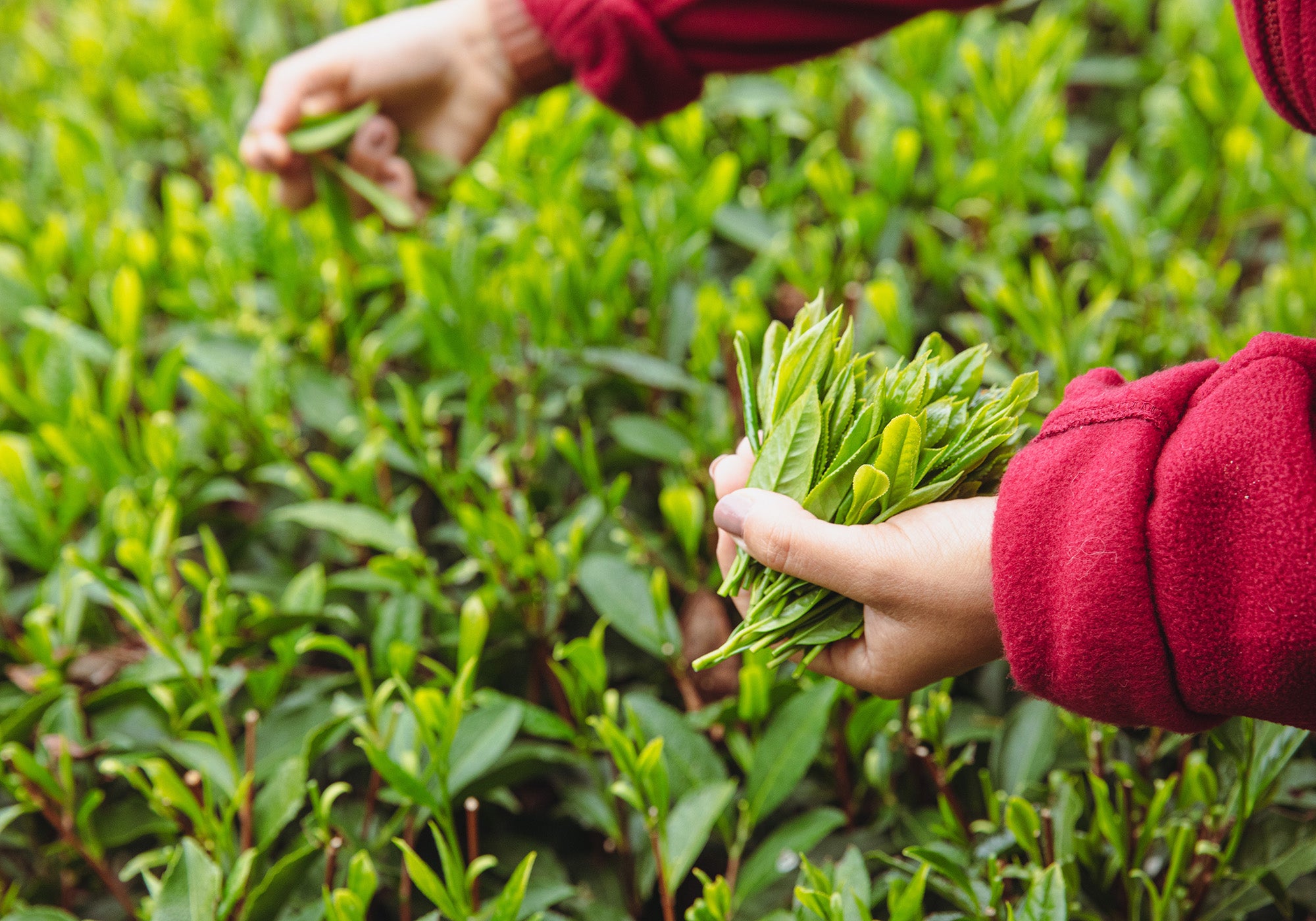
In 1883 Ermelinda Pacheco Gago da Câmara produced the first kilo of tea on her estate Gorreana. The deep clay soil, high rainfall, and humid climate proved ideal. Her son-in-law Jaime Hintze later mechanised production. Some of those machines still run today, more than a hundred years later.
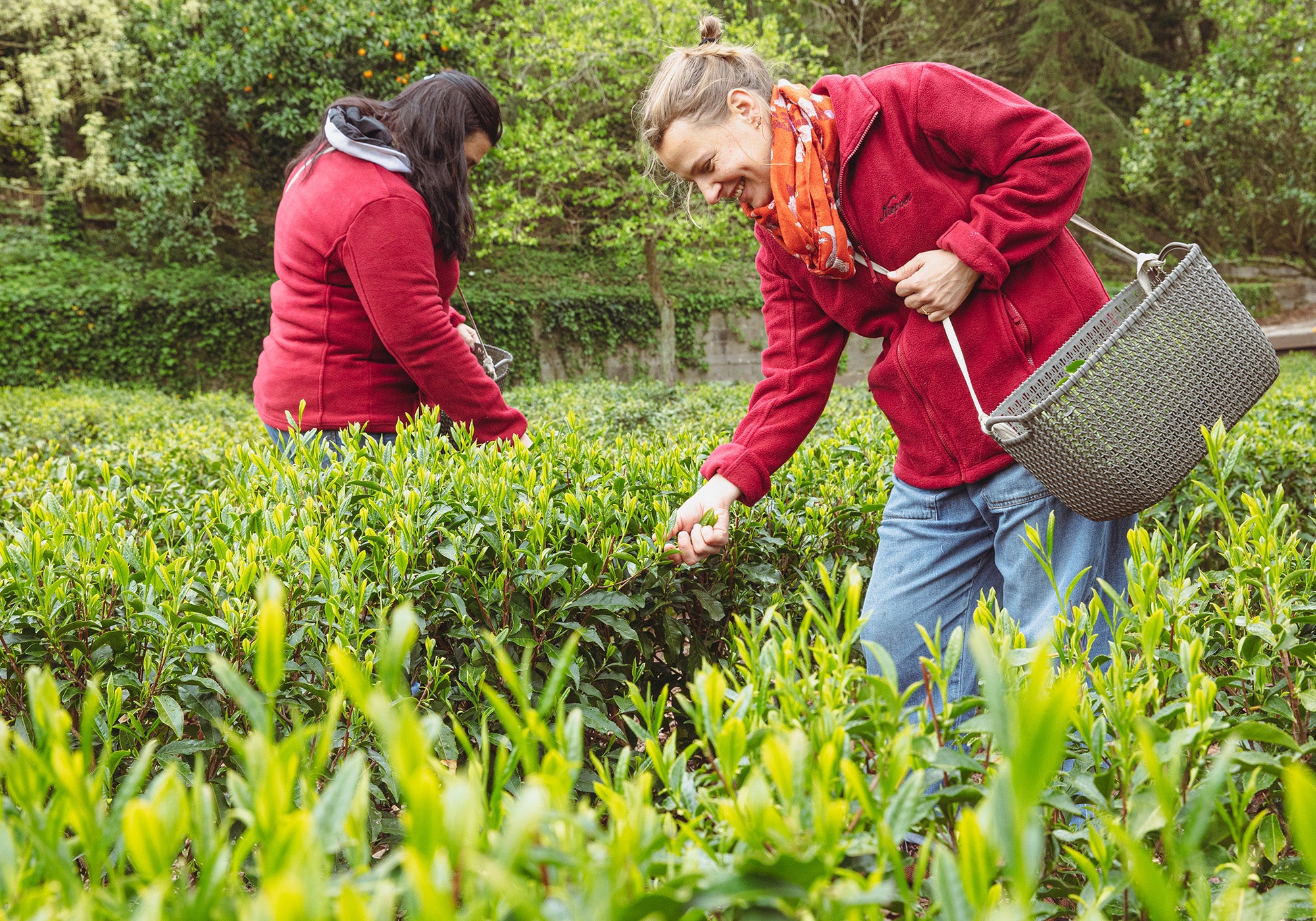
For more than 140 years Gorreana has produced without interruption: a unique achievement in Western Europe. The plantation covers around 13 hectares and yields between 30 and 40 tonnes each year. To keep energy costs low the family installed a hydropower system. It was a crucial decision that helped the business through difficult economic times. Thanks to the mild climate and the island’s remote location, pesticides are unnecessary.
Gorreana produces both green and black tea varieties, including the well-known Hysson and Orange Pekoe Ponta Branca, their premium black tea.
Porto Formoso
Next to Gorreana lies Porto Formoso, the second tea garden on São Miguel. The factory opened in the 1920s and closed in 1980. In 2001 new owners reopened the plantation with the aim of reviving the tea heritage of the Azores. Today Porto Formoso produces organic black tea.
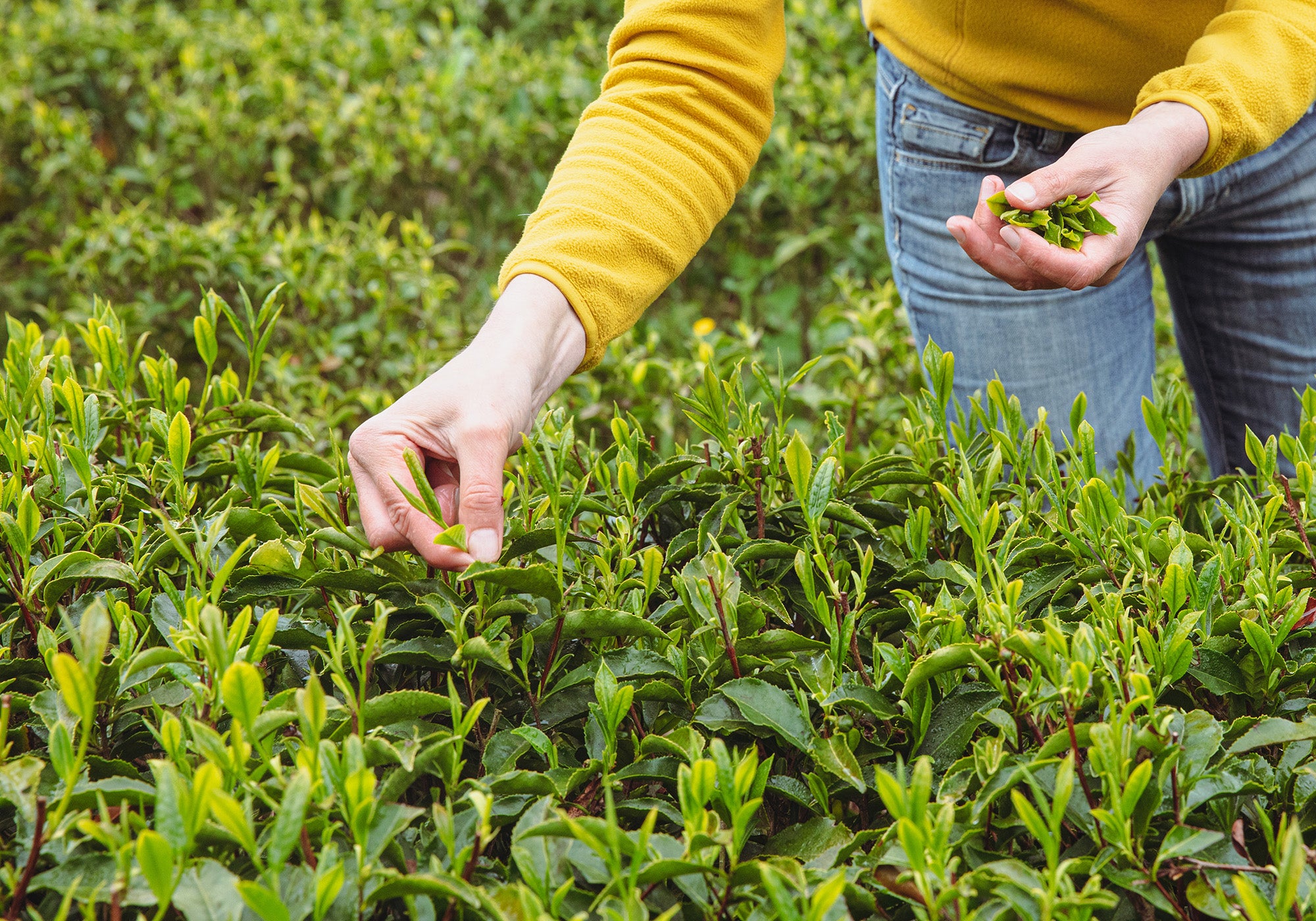
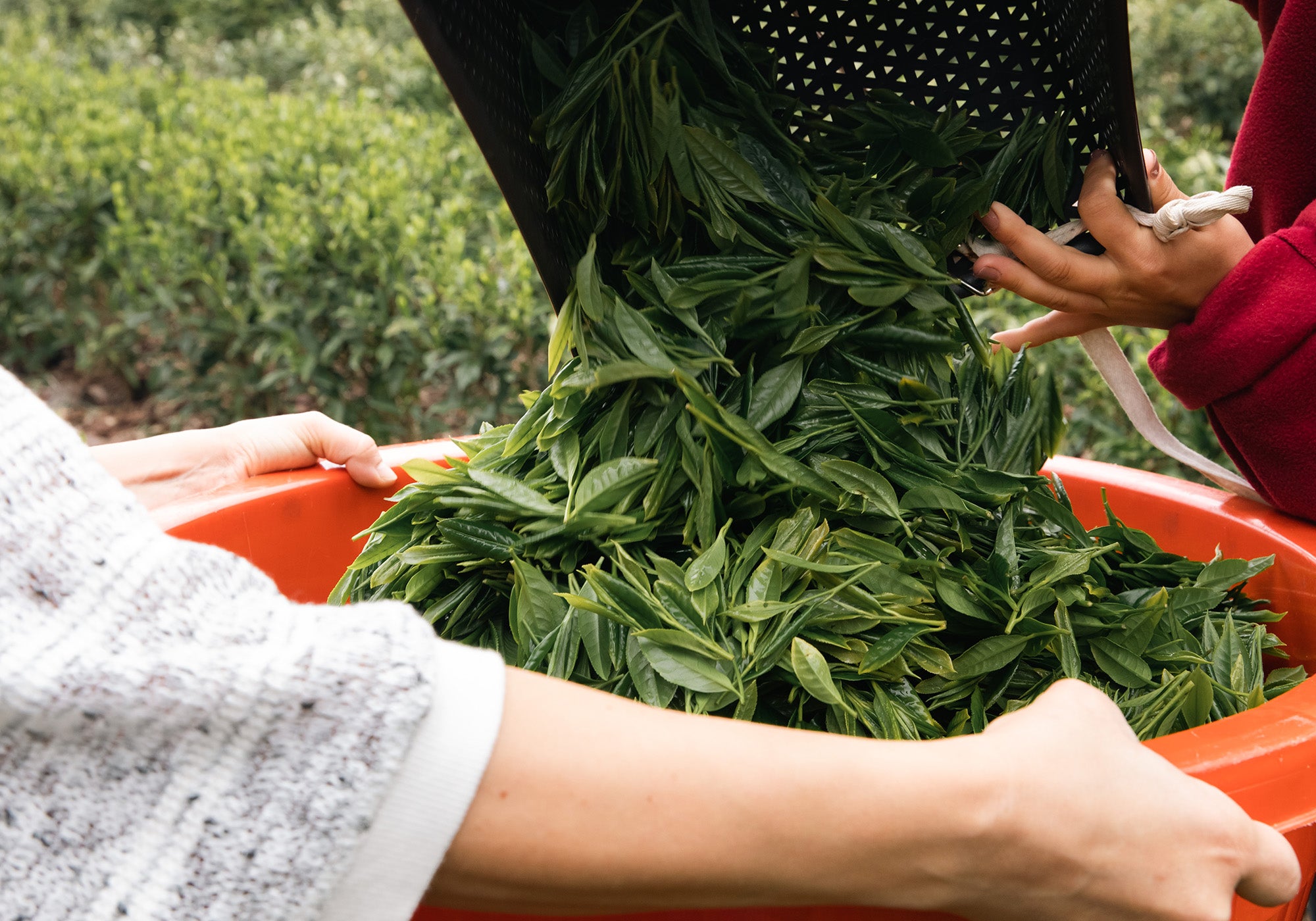
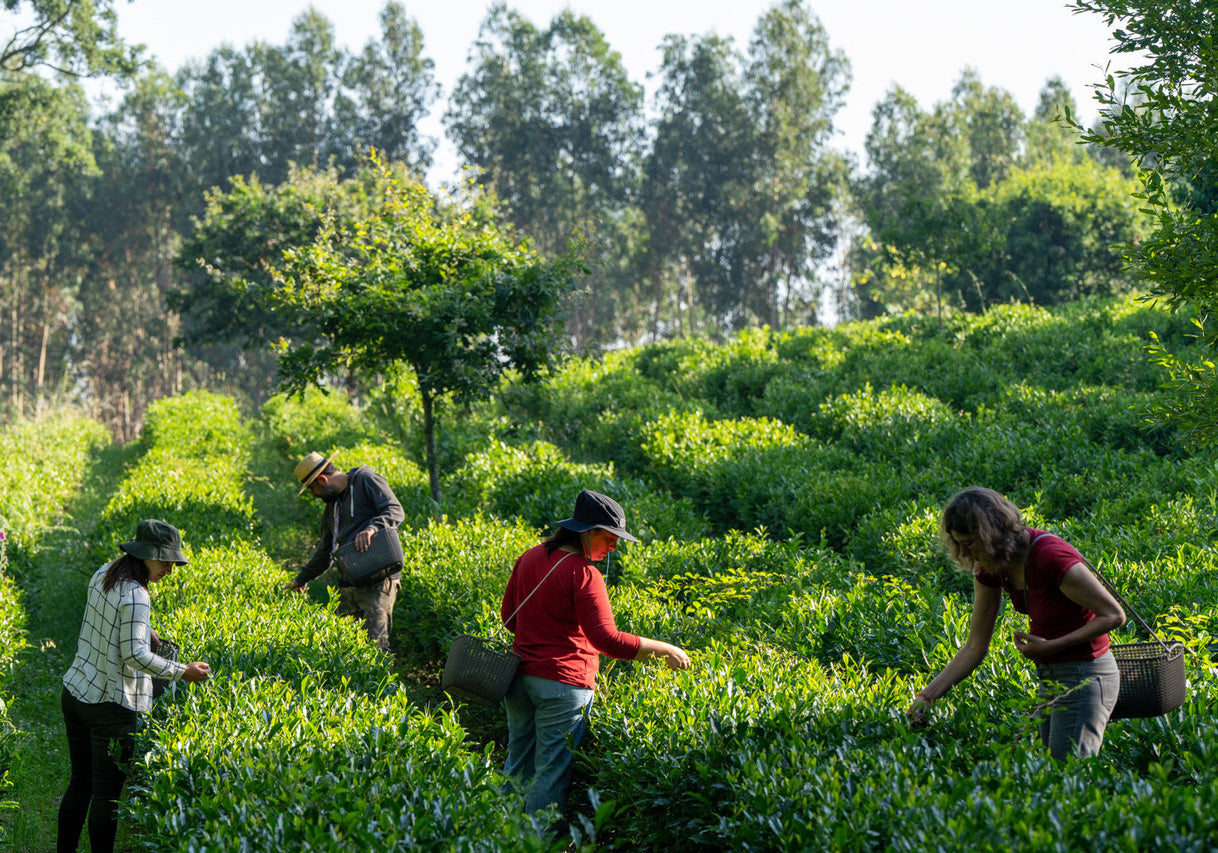
Every year on the first Saturday of May the past comes alive. More than a hundred participants dress in nineteenth-century attire and pick tea leaves in the traditional way. The day ends with a toast to the new harvest. It is a tribute to the women and children who did this work for generations.
Rise and decline
At its peak, around 1850, São Miguel had more than 300 hectares of tea plantations with an annual yield of around 250 tonnes. Then came a gradual decline. The First World War disrupted trade, economic instability undermined investment, and protective tariffs gave imports from Mozambique an advantage.
Of all factories only Gorreana remained active. Porto Formoso closed temporarily but later returned. Together they form the last remnant of a once flourishing sector on the Azores.
Chá Camélia: tea on the mainland
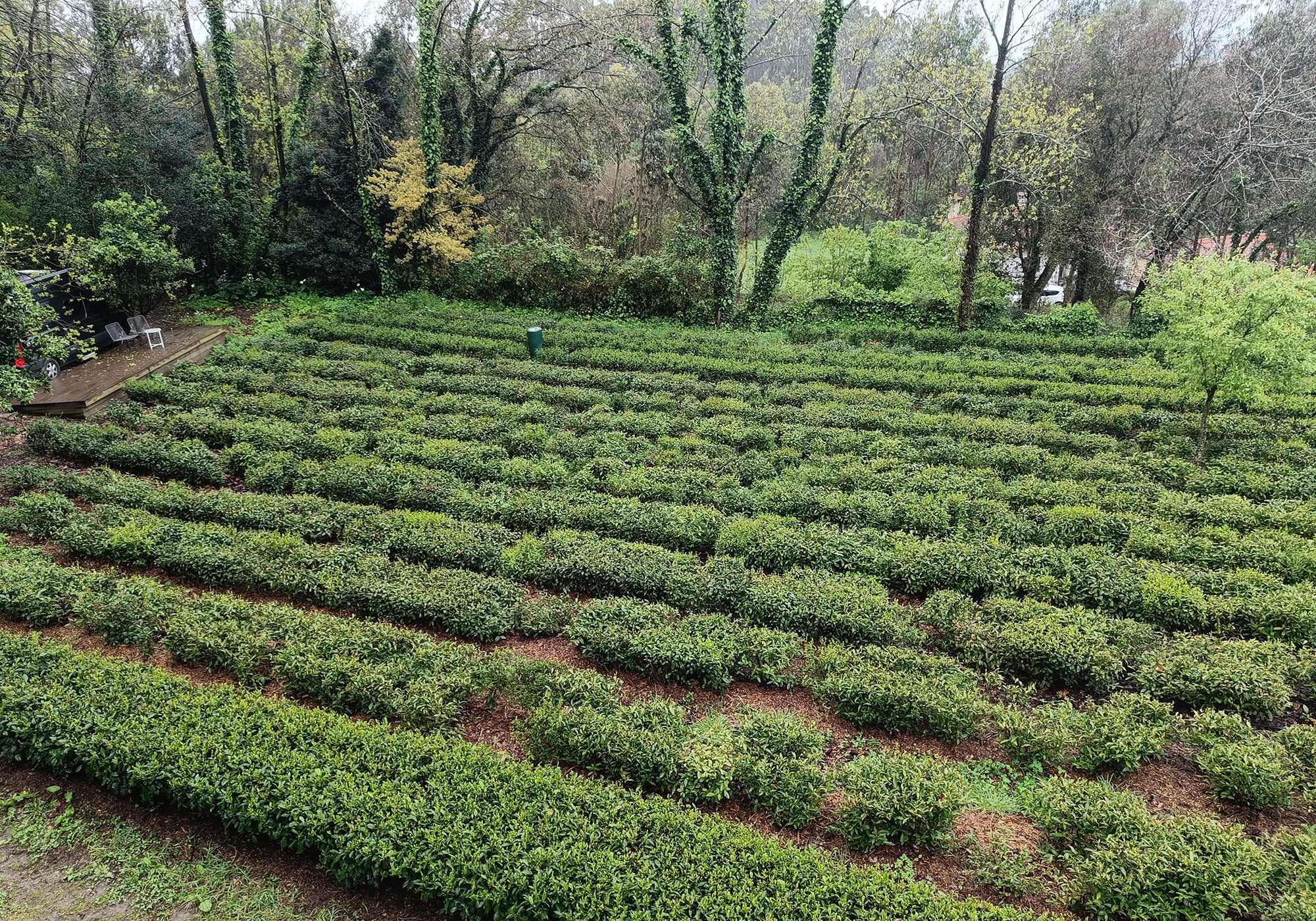
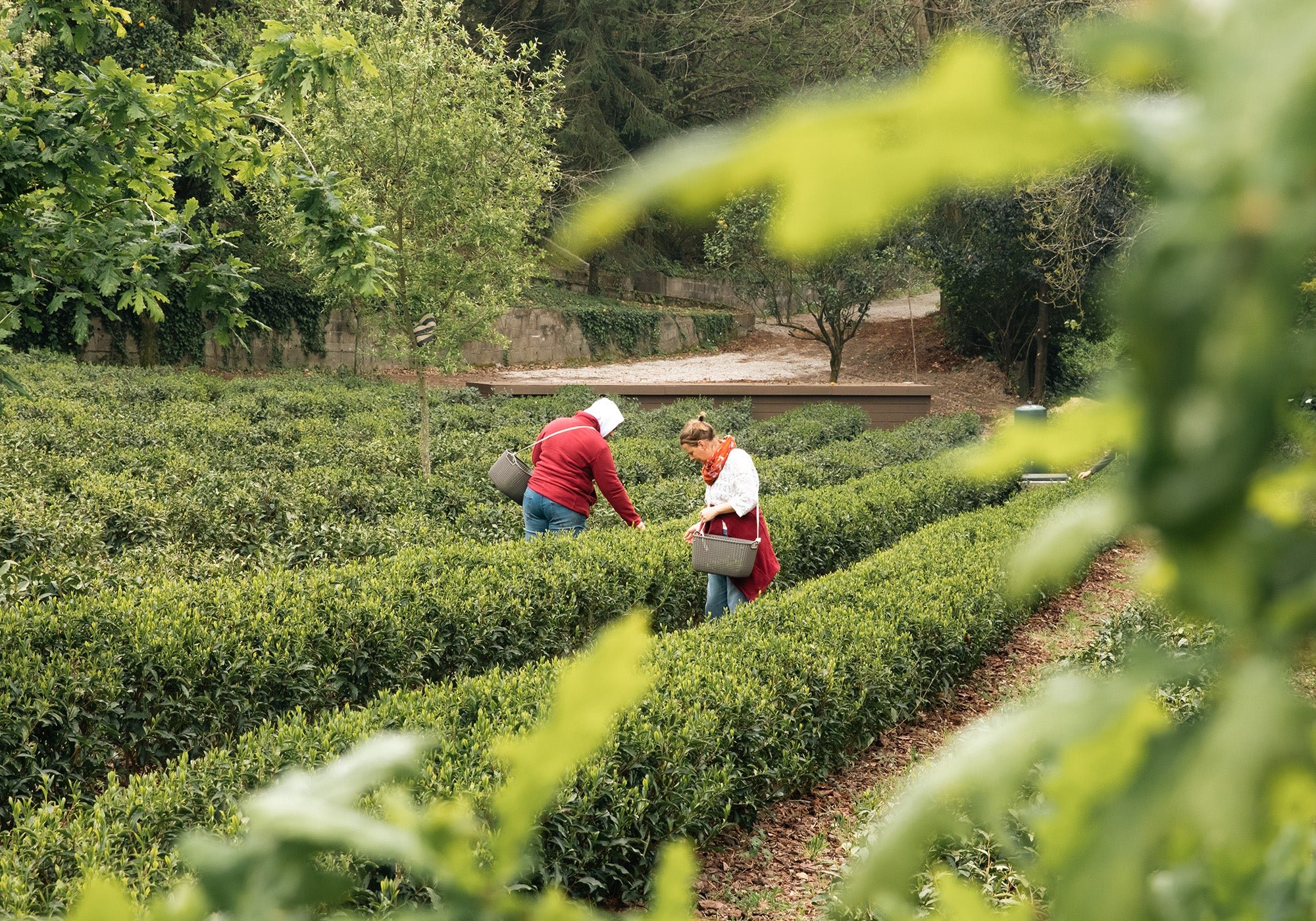
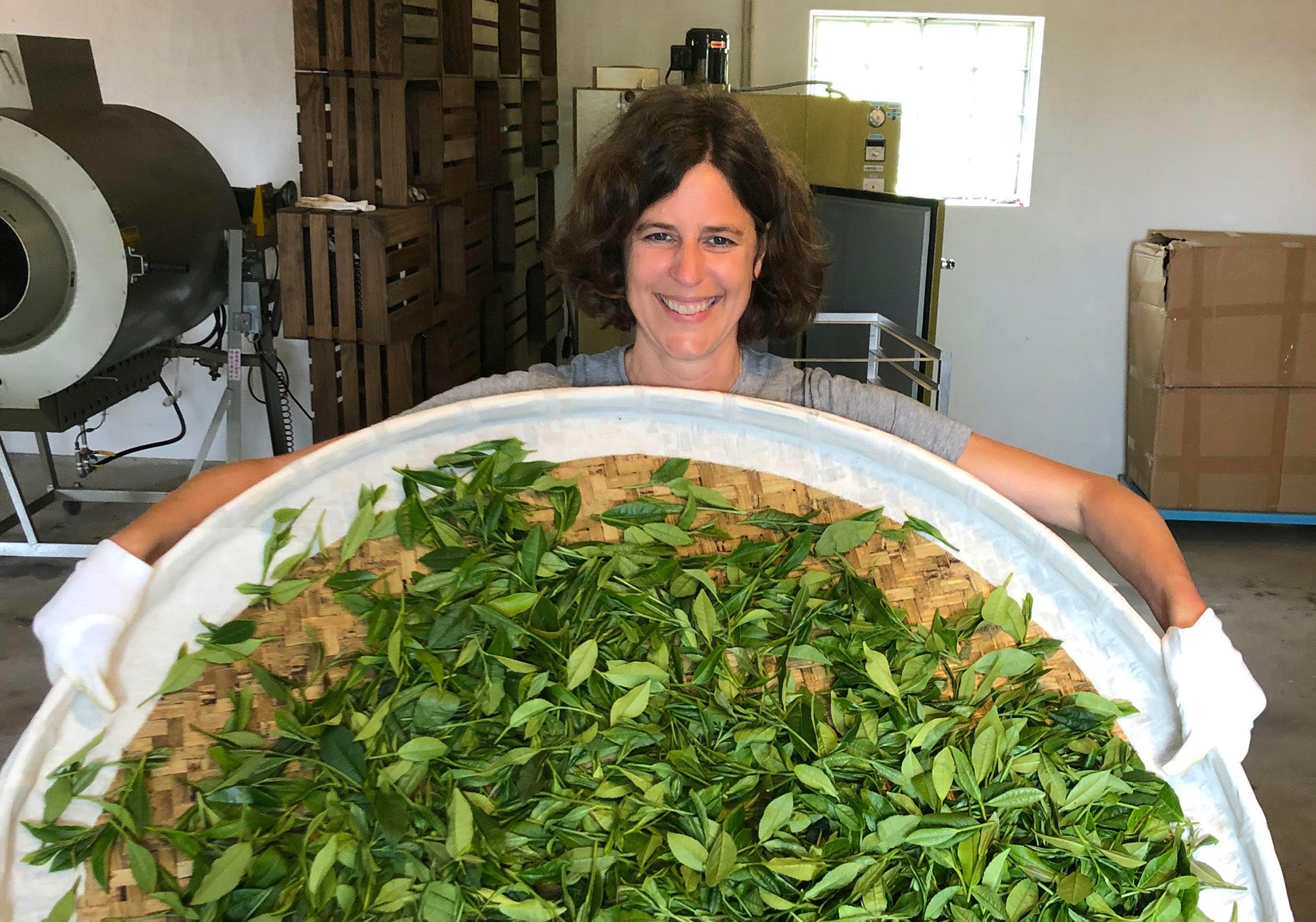
In 2011 Nina Gruntkowski and Dirk Niepoort planted two hundred Camellia sinensis bushes in their garden in Porto. Their experiment succeeded and in 2014 they moved to Fornelo, near Vila do Conde, where they transformed an abandoned vineyard into a tea plantation. Today more than twelve thousand tea plants grow on a site of almost one hectare. In 2019 the first commercial harvest followed.
Chá Camélia is the only commercial tea garden on the Portuguese mainland. With help from Japanese masters Haruyo and Shigeru Morimoto the project developed its own approach, blending Portuguese terroir with Japanese tradition. Production remains small, around one hundred kilos per year, but the focus is entirely on quality and craft.
Portuguese tea in our collection
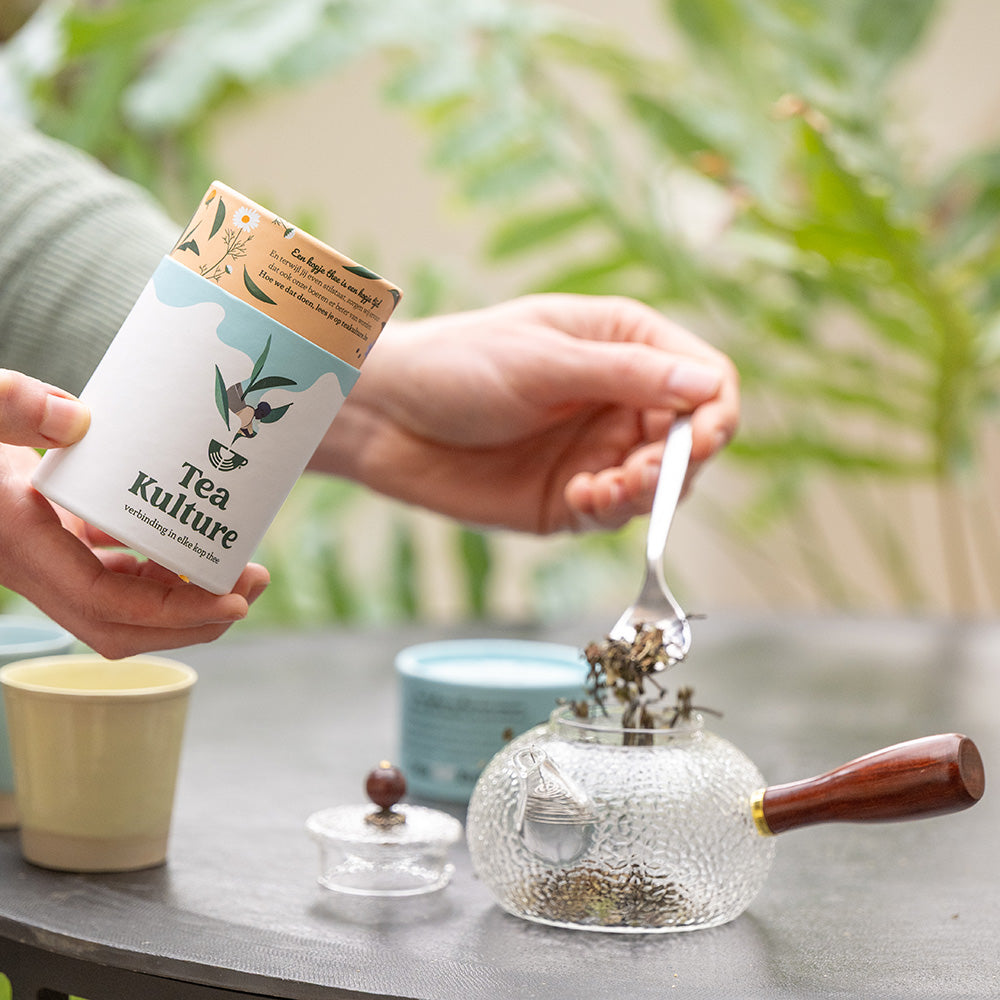
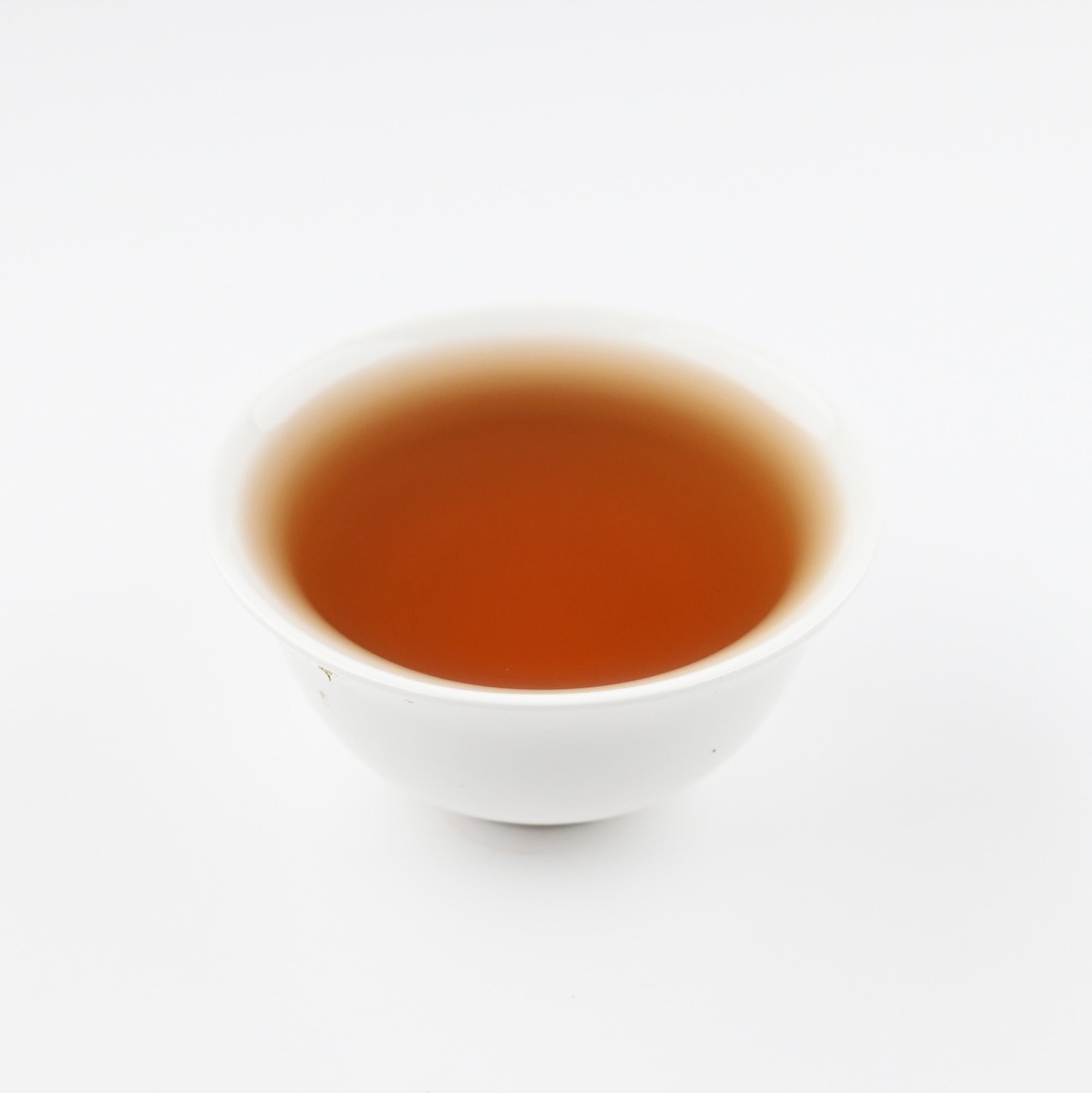
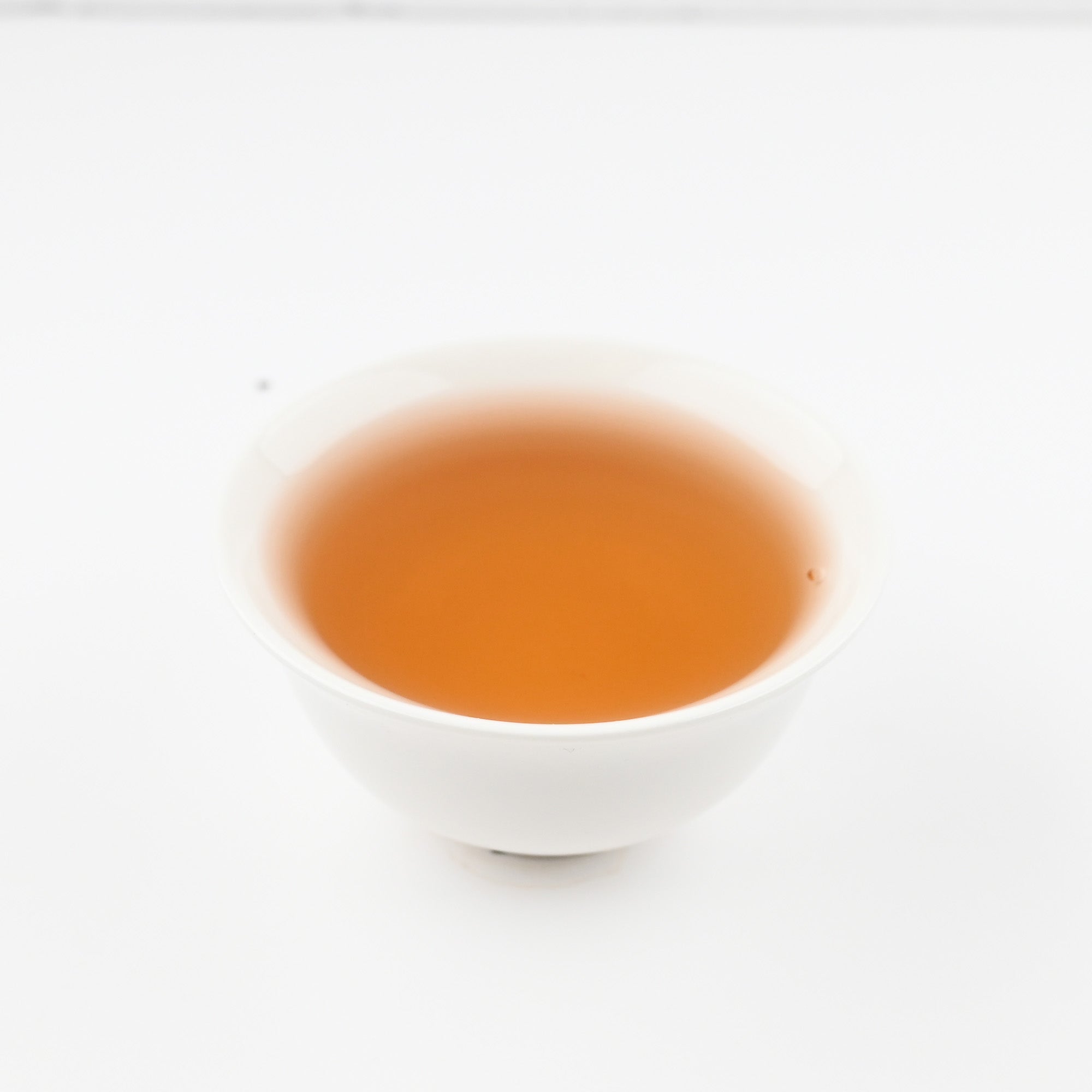
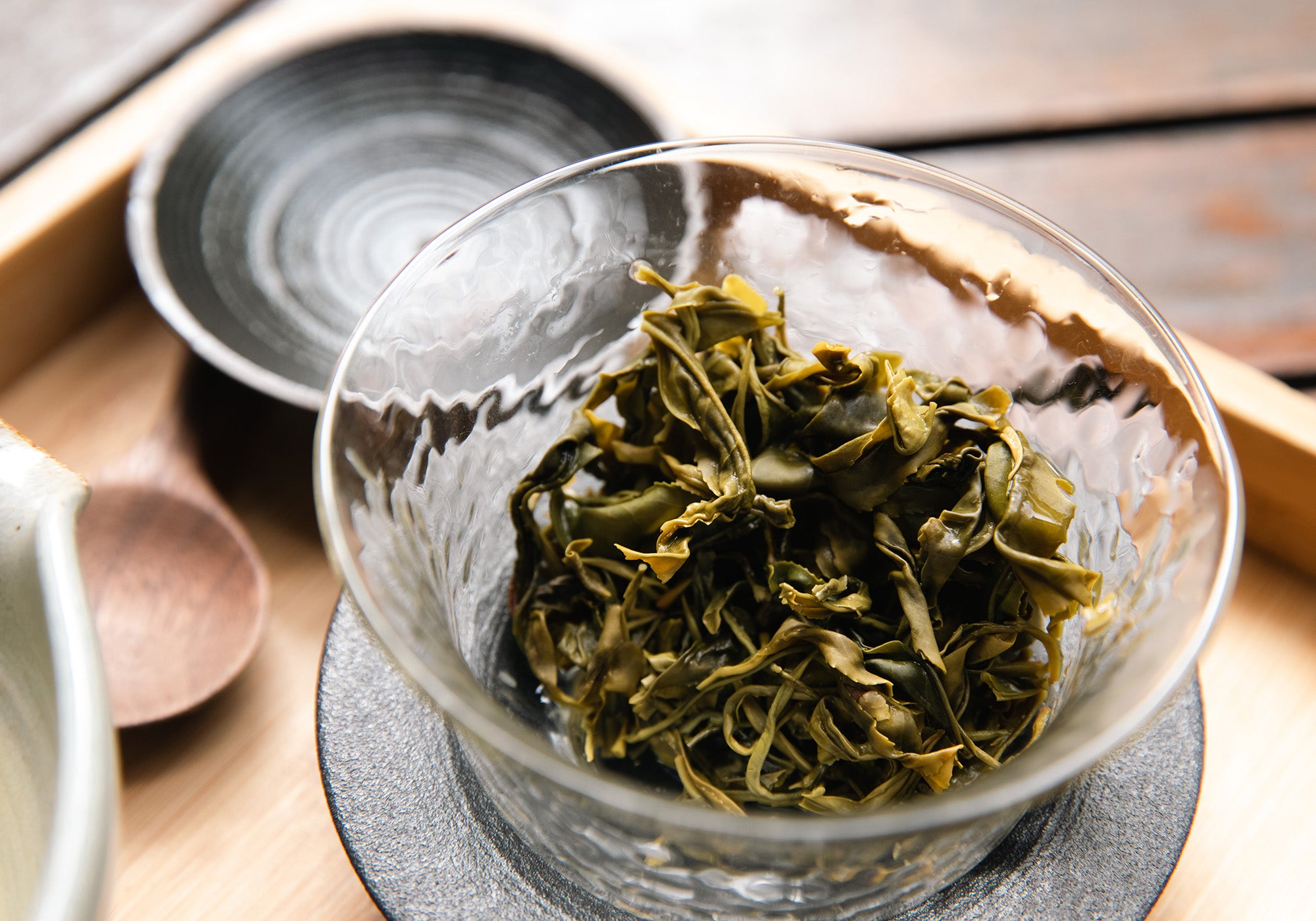
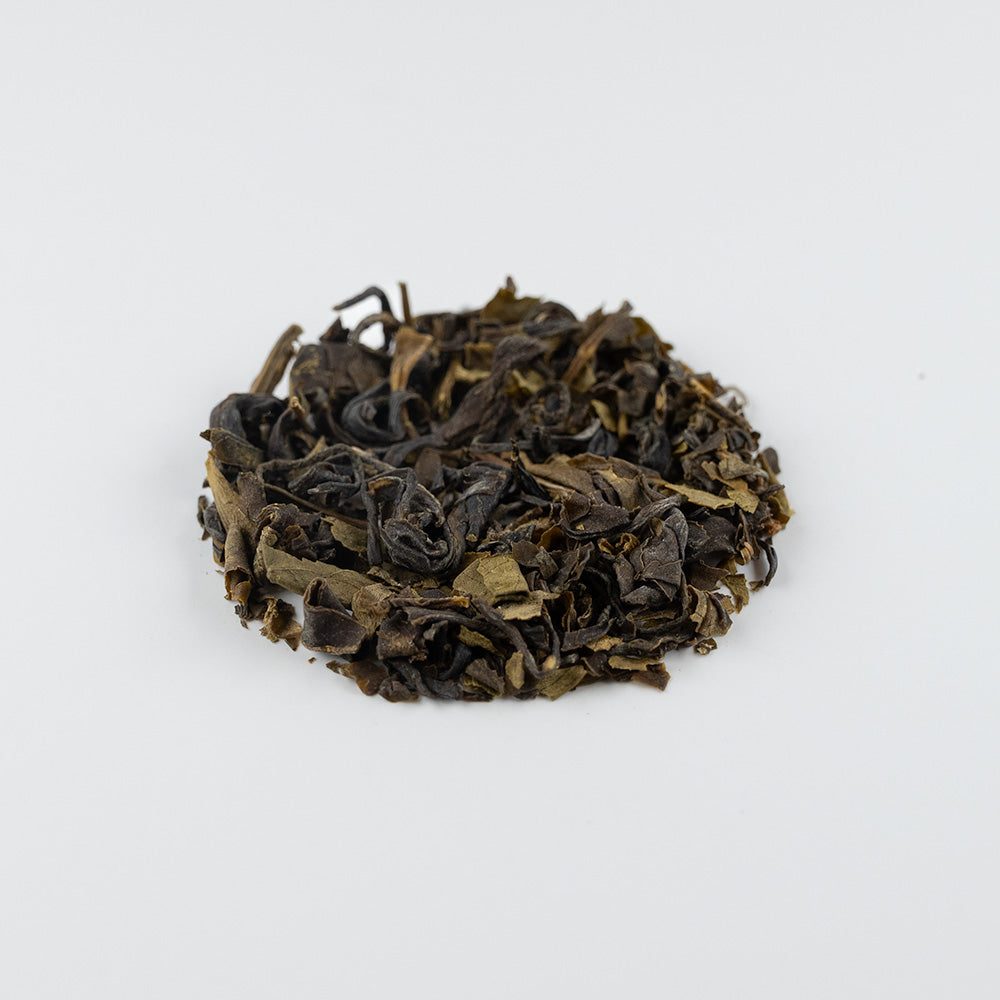
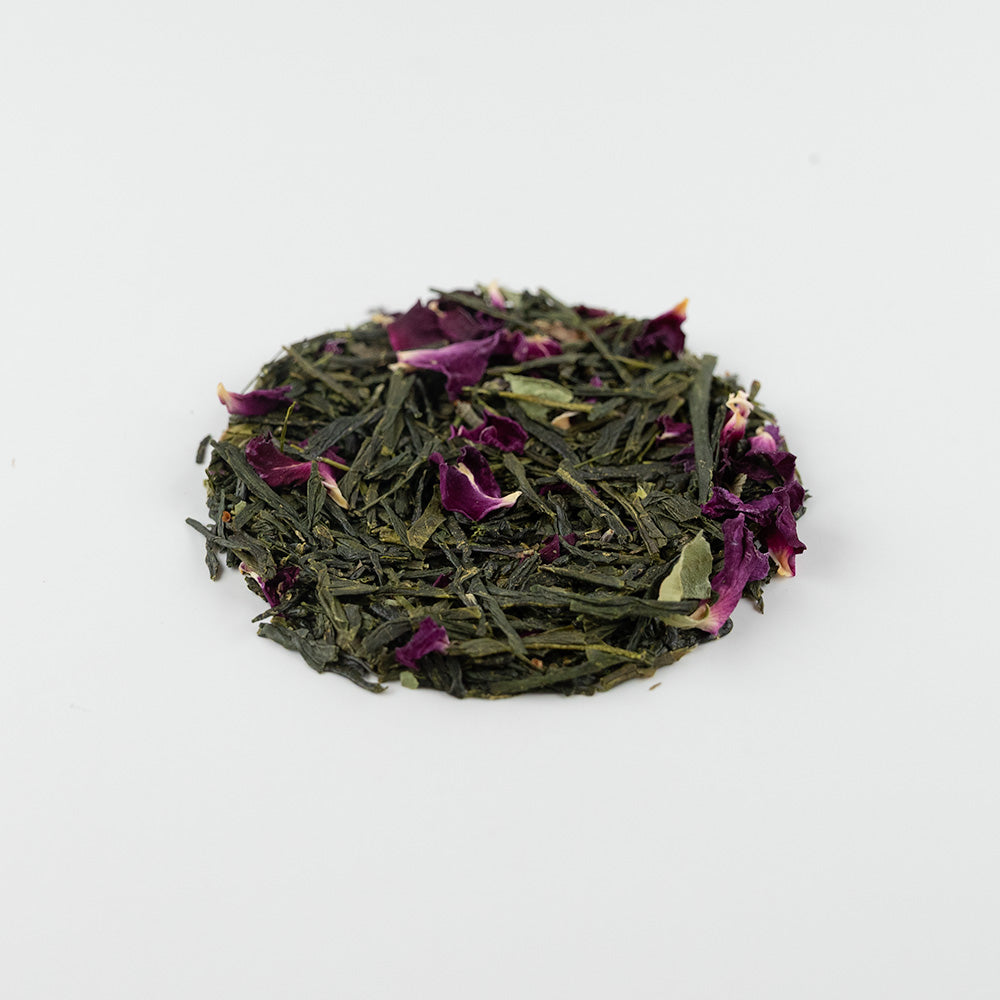
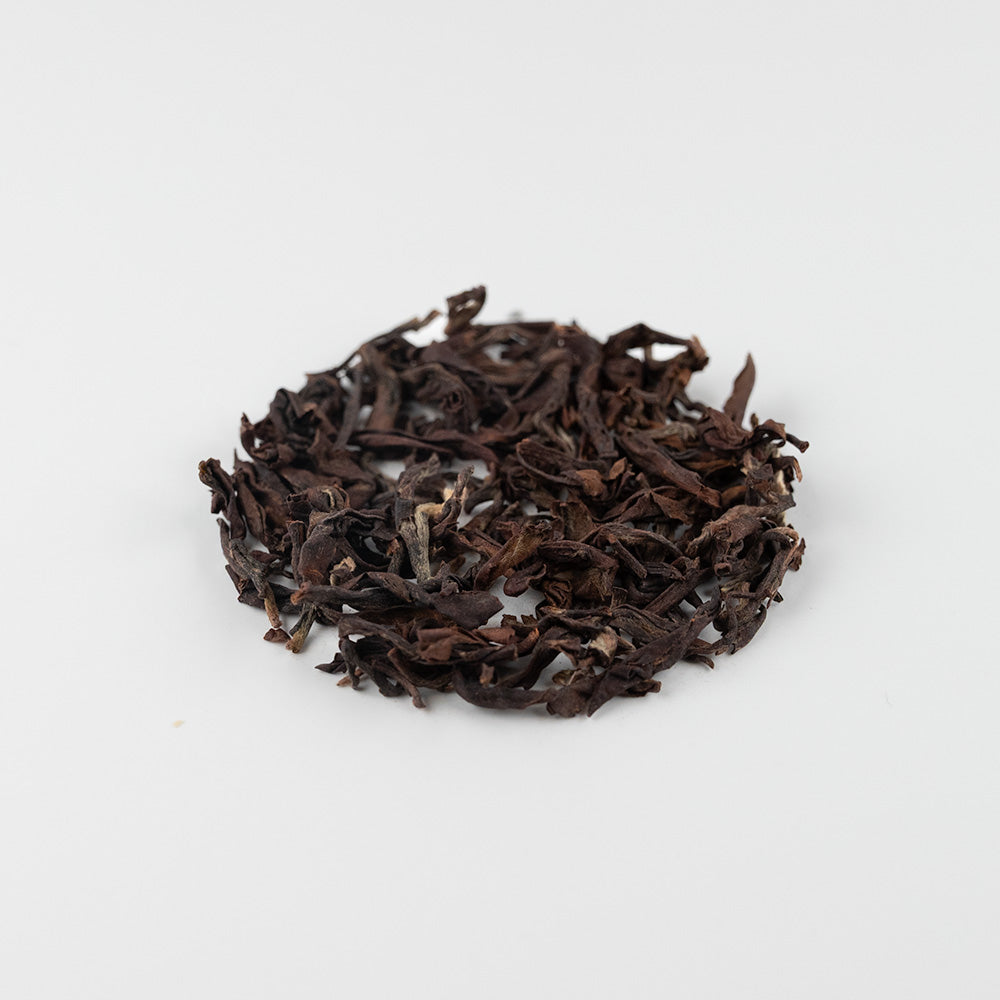
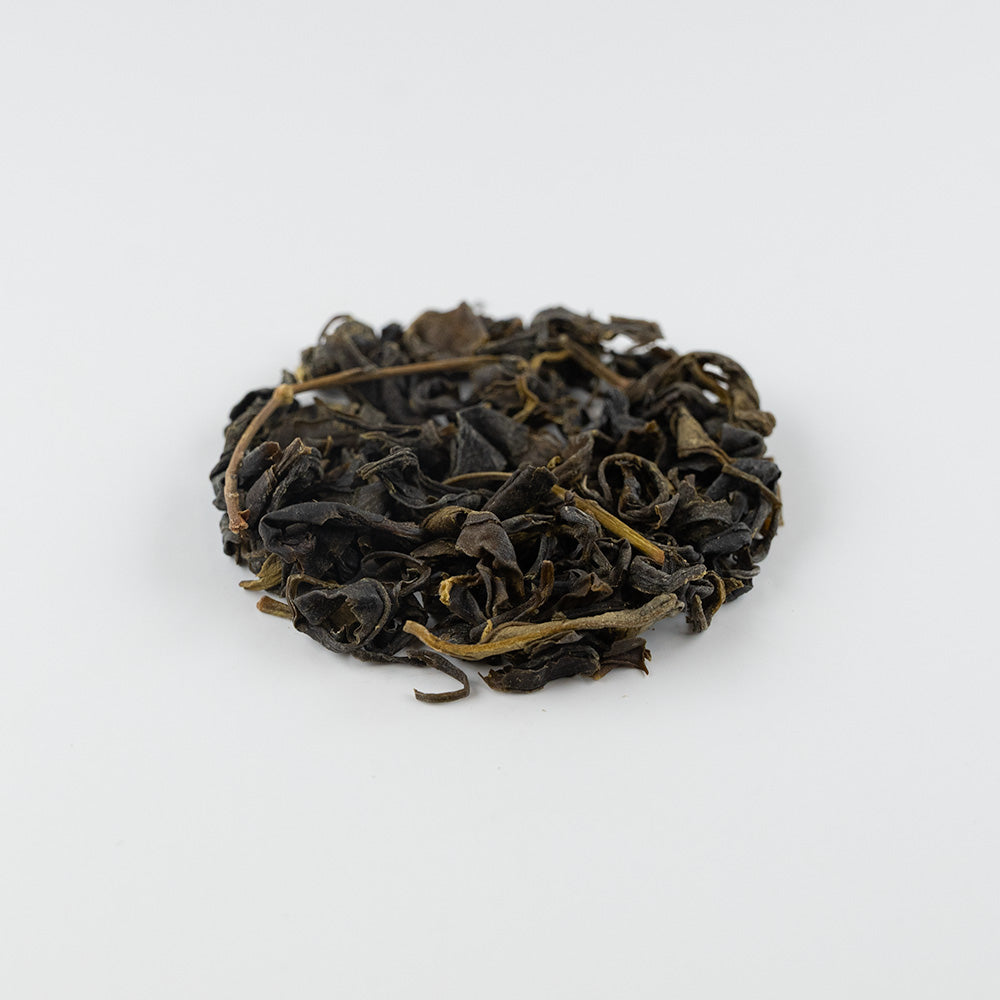
The Tea Kulture collection includes several teas from Chá Camélia. Pipa Chá is a unique oolong tea that ages for six months in used port barrels from the Niepoort winery. The infusion develops notes of dried fruit, honey, chocolate, and port. The taste is rich and layered, with warm wine-like accents.
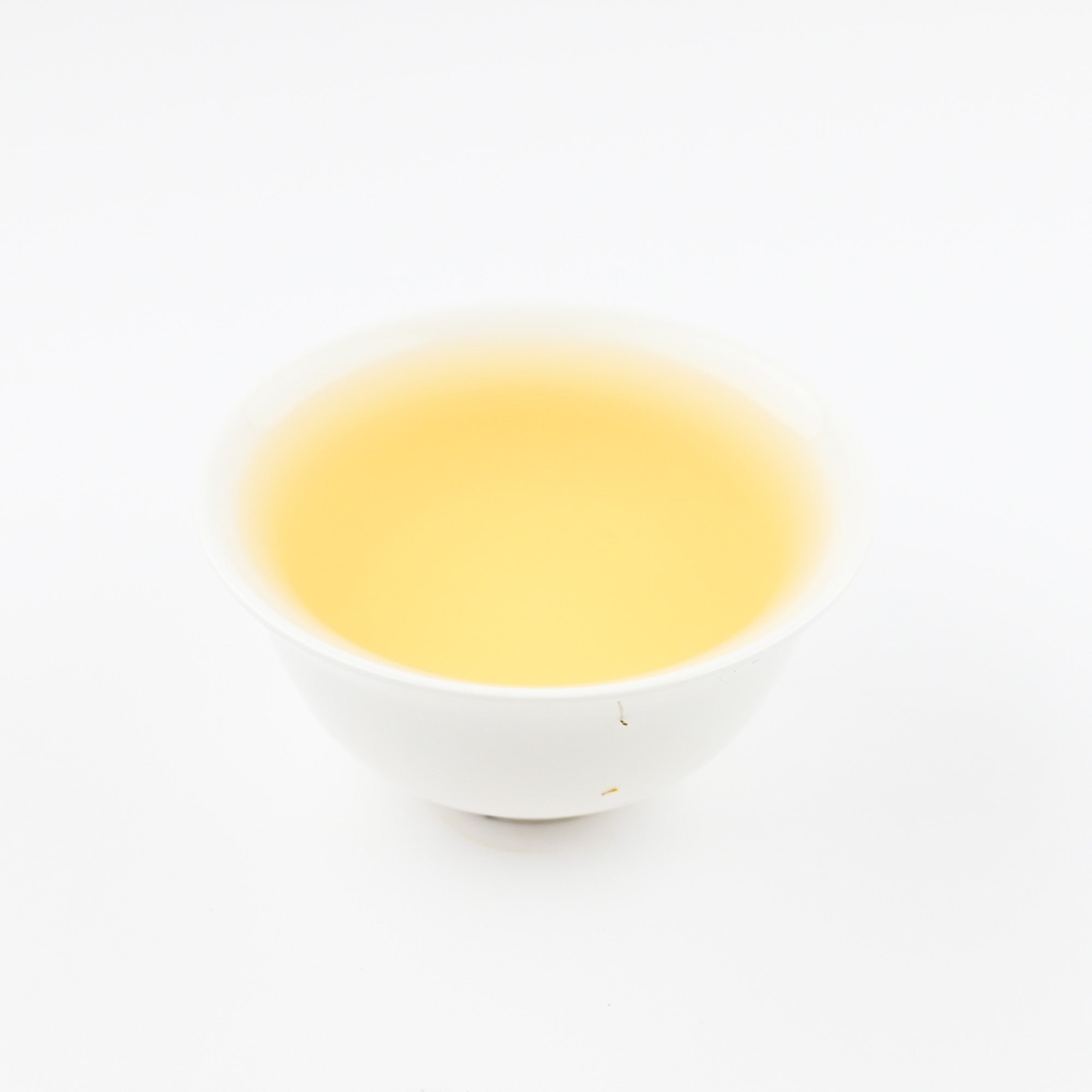
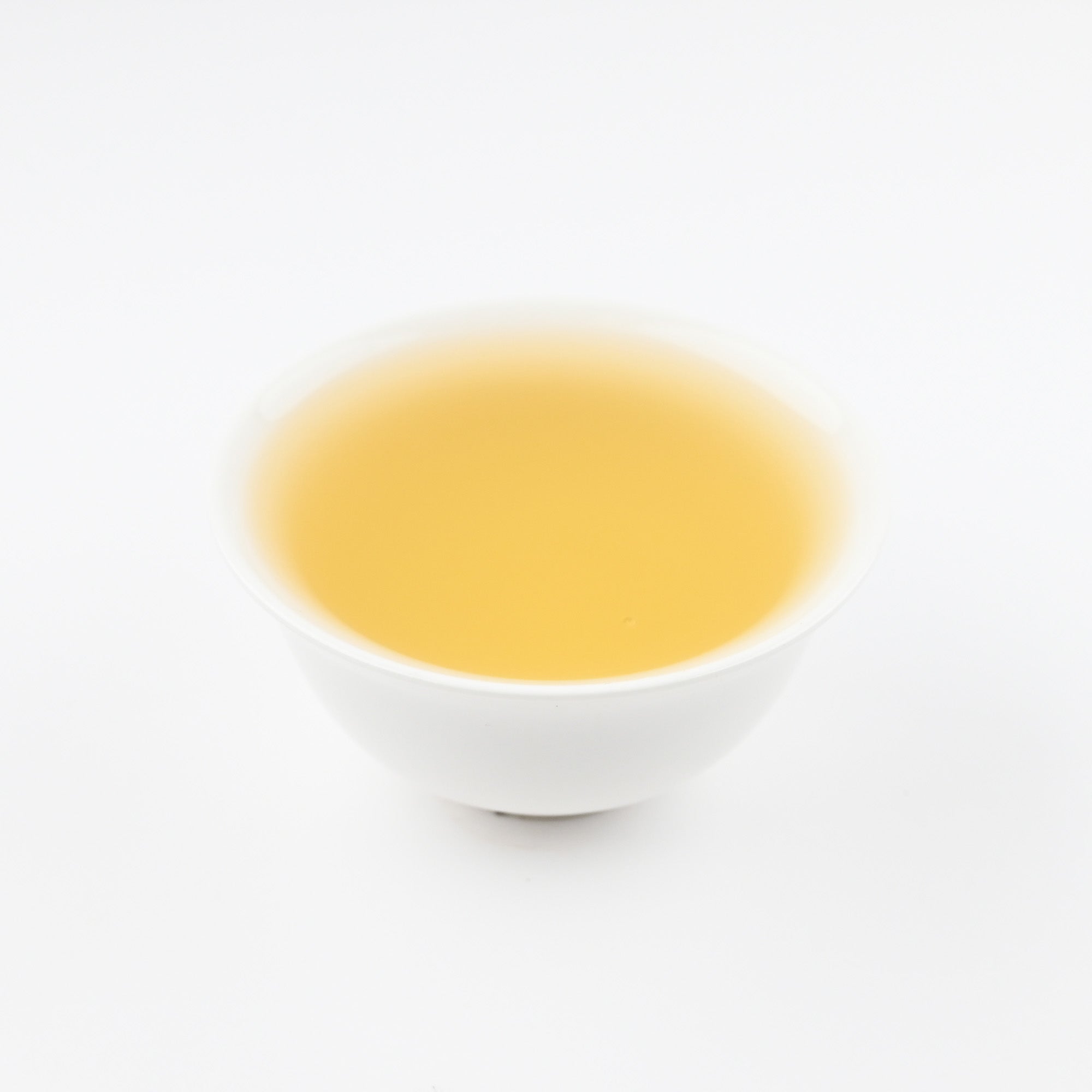
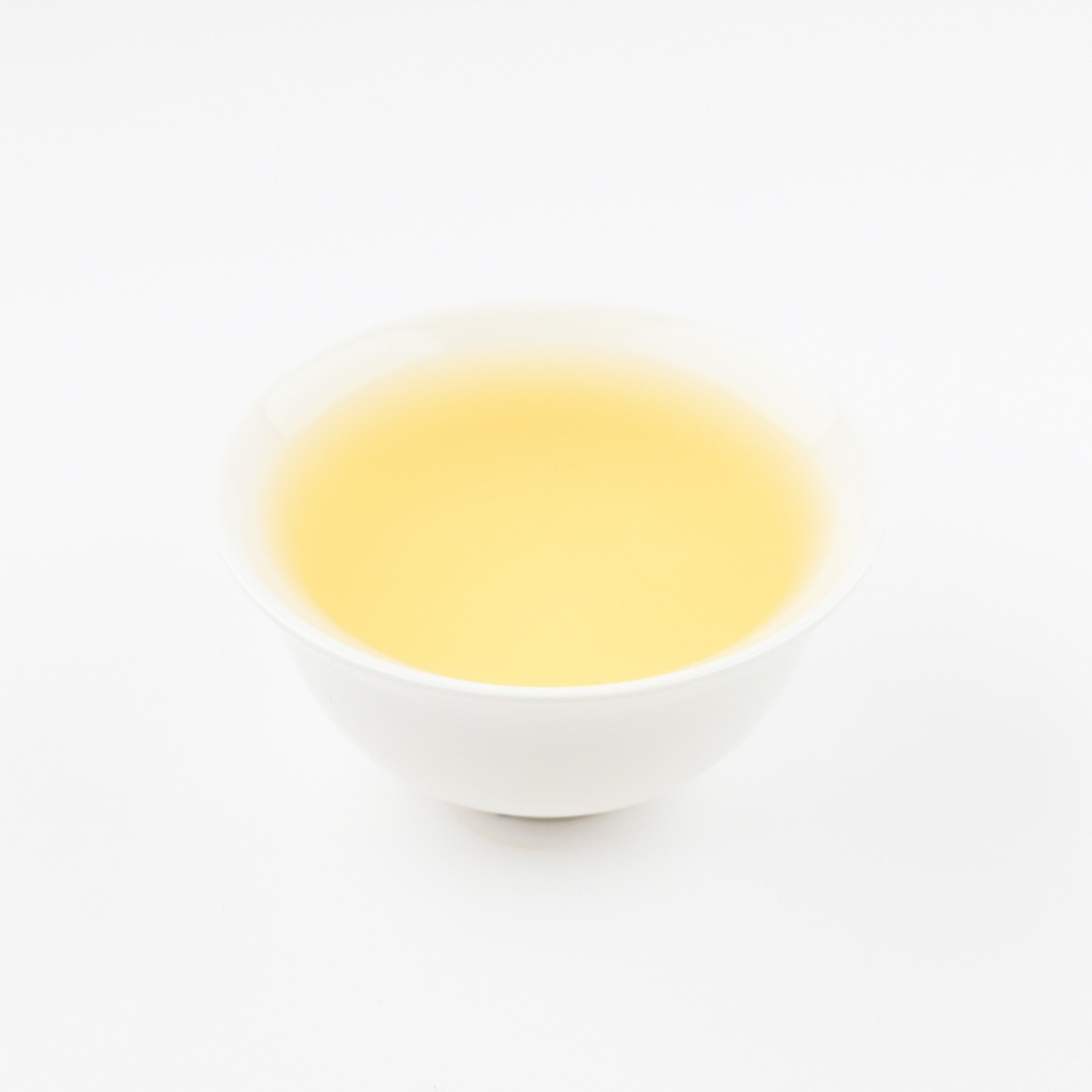
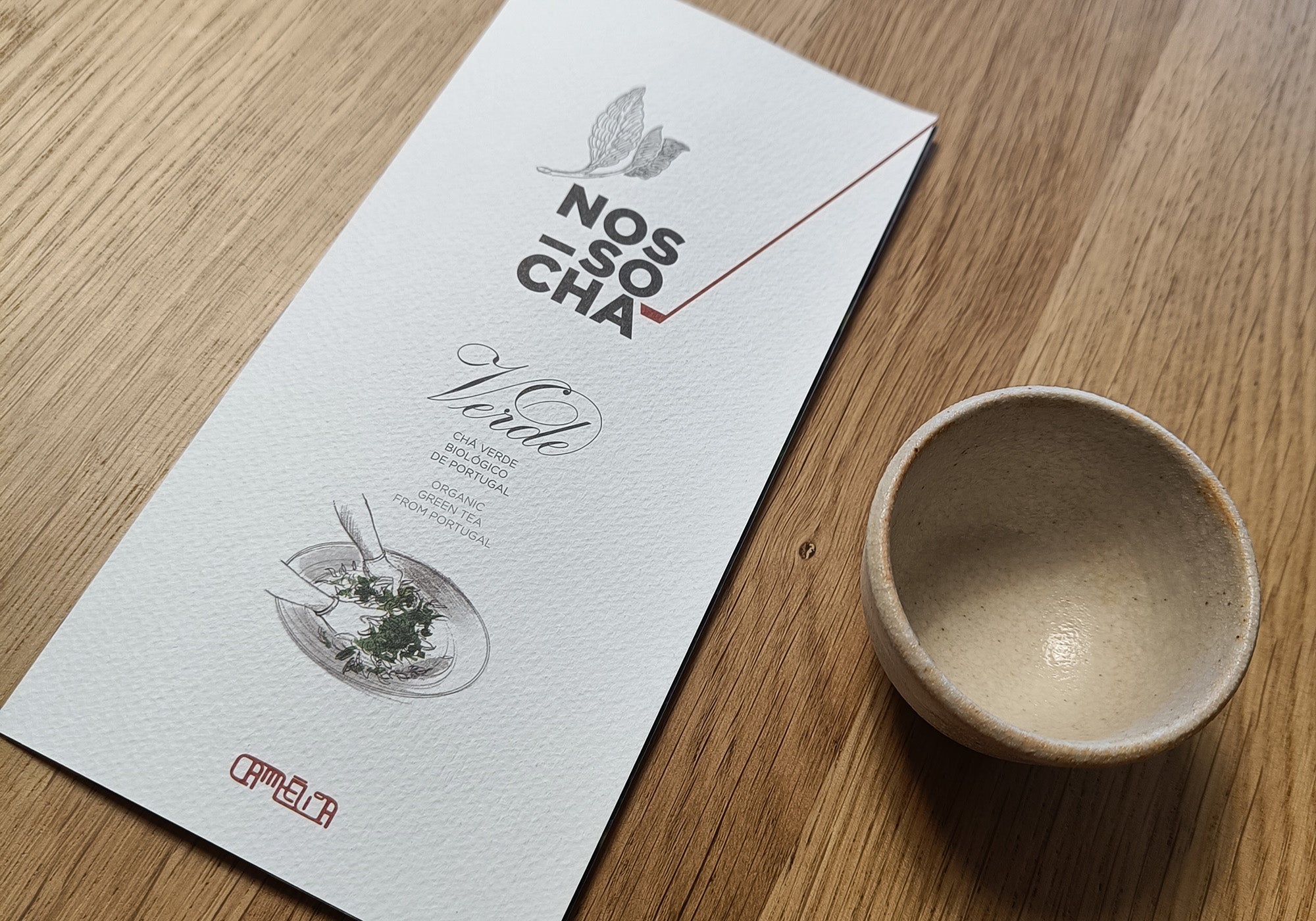
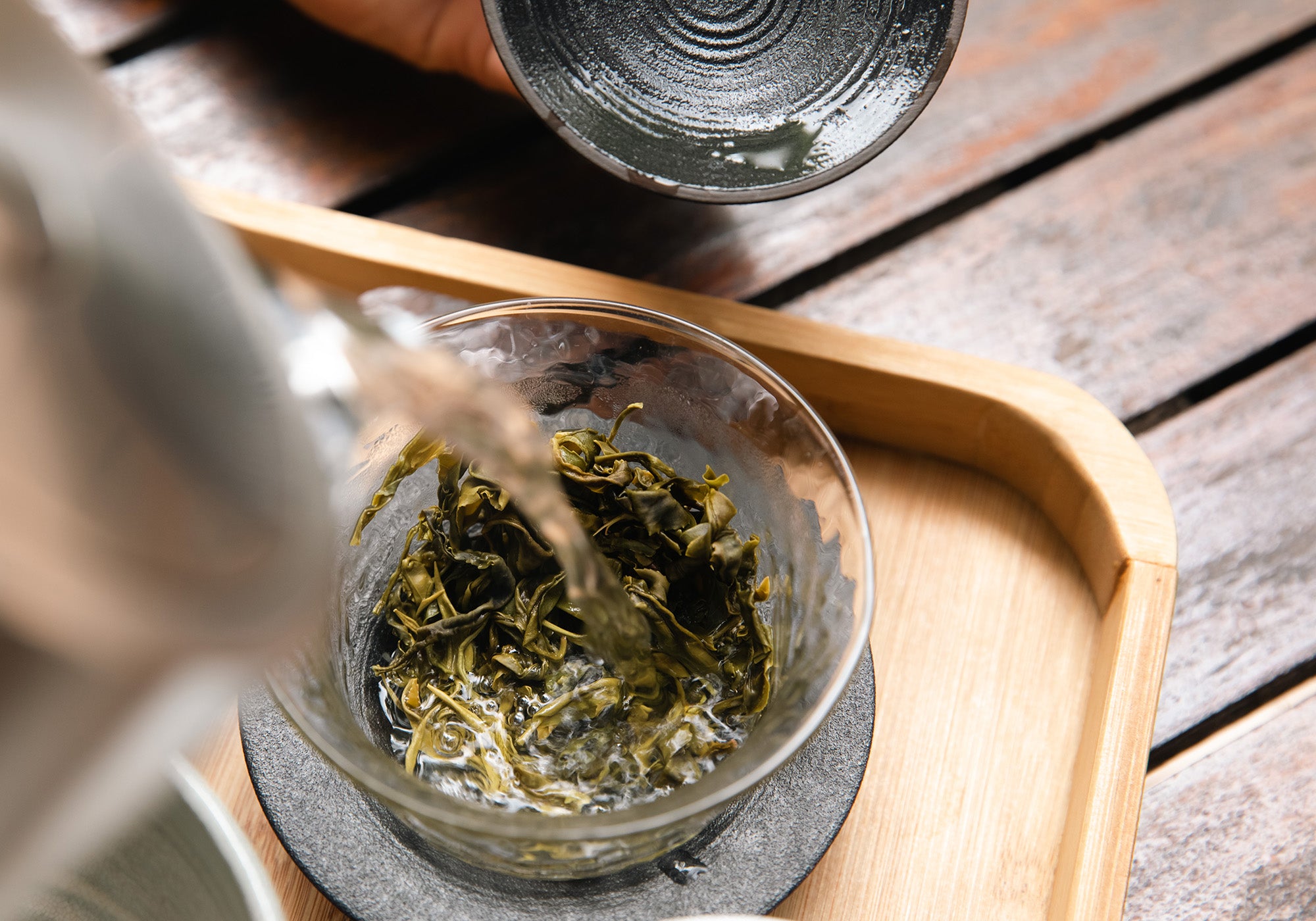
Nosso Chá means “our tea” and is the first green tea variety produced on the Portuguese mainland. The leaves are processed using Japanese methods and yield a bright, fresh infusion with vegetal tones, subtle sweetness, and a light saline touch reminiscent of the Atlantic coast. Luso Chá is a summer harvest with larger leaves and low caffeine. The name refers to Lusitania, the ancient name for Portugal. The taste is mild and soft, with vegetal tones and a hint of sweetness.
Future
Production in Portugal remains small compared to Asia or other major European players. Gorreana and Porto Formoso together produce less than fifty tonnes per year. Chá Camélia manages under one hundred kilos. But scale is not the ultimate goal. The Portuguese gardens prove that quality tea can emerge in Western Europe, supported by a rich historical tradition.
By choosing craft, natural methods, and small-scale production, these projects have earned their place in the specialty tea segment. For tea lovers who value origin and transparency, Portugal offers exactly that story: a product connected to the landscape, the tradition, and the people who make it.
Free Delivery
From €50 in BE and NL.

Pickup Available
In Zonhoven and Hasselt (BE).

Fast Shipping
Within 2-3 business days.

Secure Payment
Multiple payment options.