
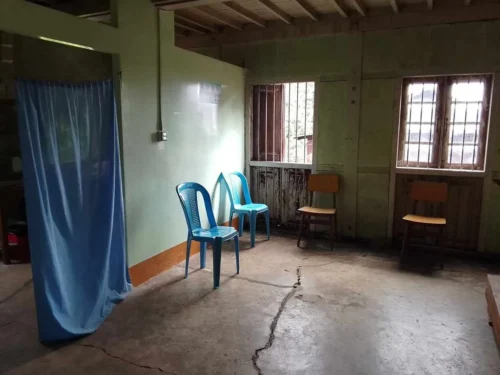
A Beacon of Hope for Villagers in Myanmar
In the heart of Myanmar, lies the village of Kyauk Saung, home to Mogok Tea. Amidst the backdrop of an ongoing civil war, Tea Kulture has stepped up to provide critical medical aid.

We strive for a network of sustainable and ethical sources, where farmers receive fair wages and working conditions, and where environmentally friendly methods are applied.
If you are cold, tea will warm you
if you are too heated, it will cool you
If you are depressed, it will cheer you
If you are excited, it will calm you.
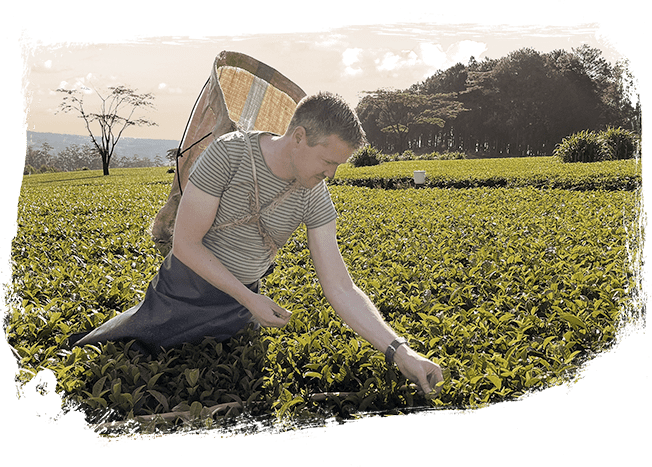
Tea has been my favorite drink for years. Every cup is different. Each cup is a journey to distant tea fields, a discovery of cultures. And that's what I wanted to delve further into.
In 2022, I obtained my diploma of tea sommelier at the tea academy Flanders. A year later, I visited Satemwa Tea Estate in Malawi.
Today I want to introduce you to tea through Tea Kulture.
-- Hans Baeten --
Tea Kulture is committed to a sustainable and fair world!
That is why we only work with tea farmers who use sustainable and natural production methods. But we also pay attention to you: we hope to inspire you to take a moment every day to step back and make time for yourself. Recharge and relax over a cup of tea. After all, by taking care of ourselves, we are laying the foundation for a sustainable and healthy future for everyone.
Quite simply, we are guided in every decision by the same question: does this contribute to the well-being of people, producers and the planet? If the answer is yes, we put our backs into it. If not, we look for alternatives. This has led to a network of sustainable and ethical sources, where farmers receive fair wages and working conditions, and where environmentally friendly methods are used.
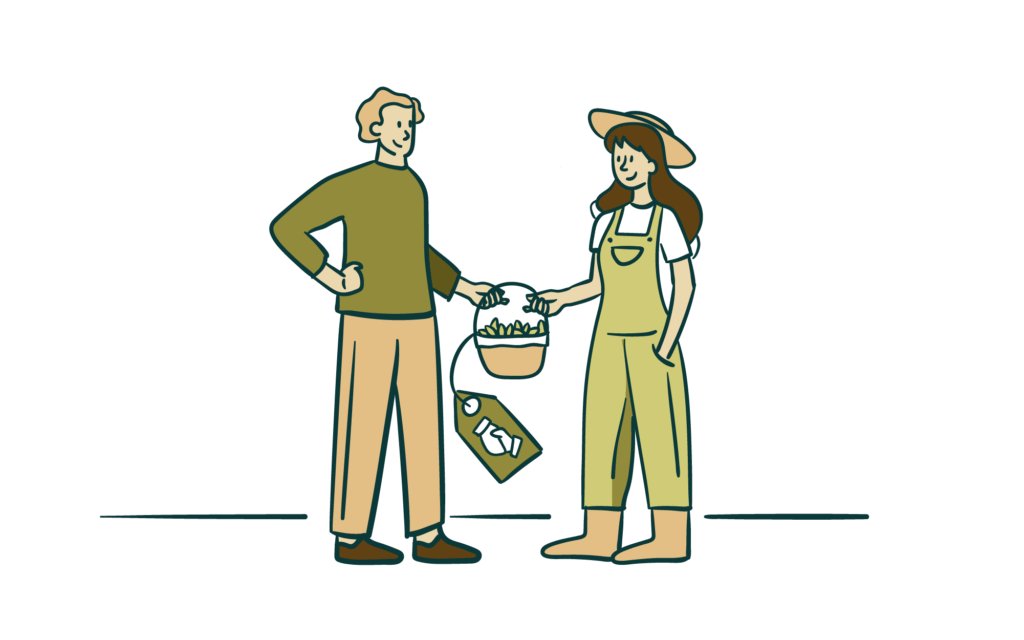
Because our focus is not on making as much profit as possible, all kinds of doors open. This enables us to enter into long-term and full-fledged relationships with people who have exactly the same goal: providing beautiful products for you to enjoy – without others paying the price and without burdening nature too much.
Sustainability is the foundation of what we do: from our choice of packaging, our collaboration with sustainable farmers, skipping all the intermediate steps, to encouraging sustainable delivery. We are constantly looking for ways to reduce our carbon footprint.
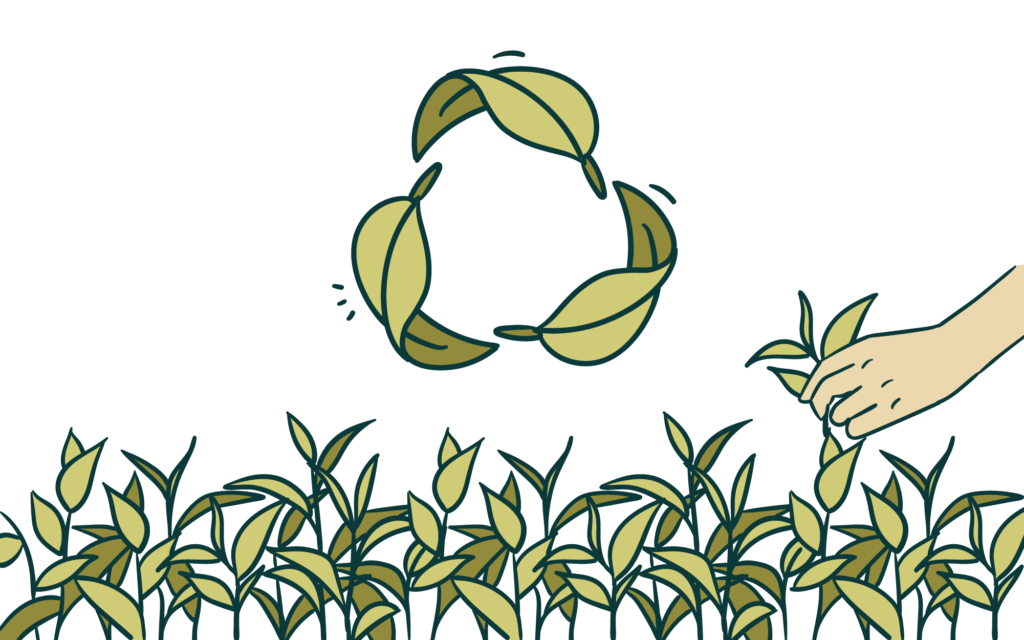
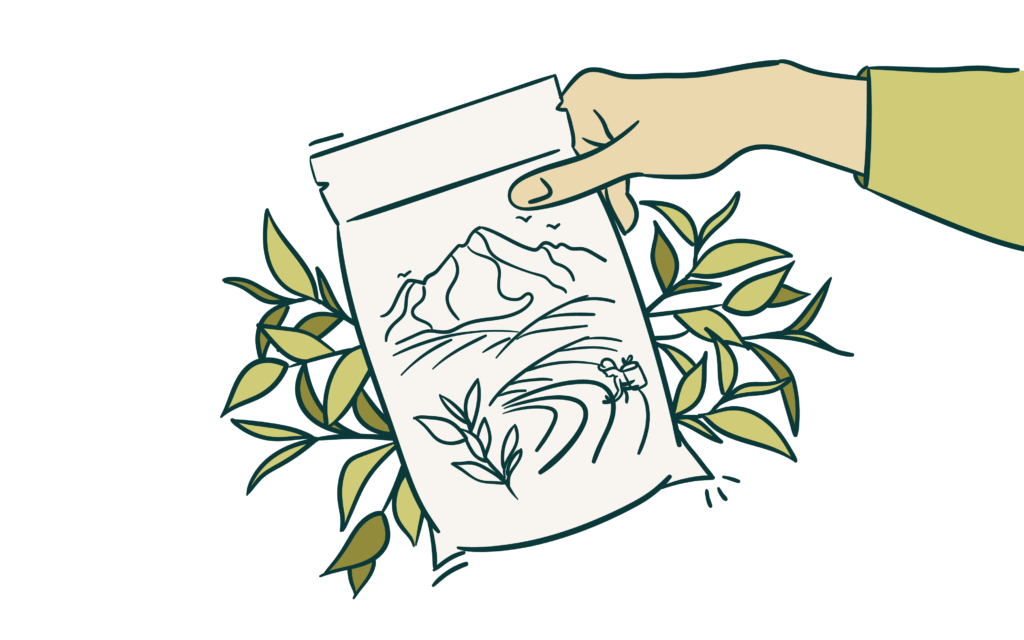
We do not claim that everything we do is perfect; quite the contrary, we still have a lot to learn and a long way to go. Being completely sustainable, for example, does not (yet) exist. Our packaging unfortunately still belongs in the residual waste. But anyway, we have to start somewhere and we are constantly looking for ways to improve! We hope to set a good example by taking a clear stand: things must change, and we show that they can change. If by doing so we succeed in inspiring others to think more consciously about what they buy and how those products are made, we will have succeeded in our mission.
With every cup you drink, you not only enjoy tea that tastes good, but also does good.
Much of our proceeds go back to tea farmers to support local projects.
In the heart of Myanmar, lies the village of Kyauk Saung, home to Mogok Tea. Amidst the backdrop of an ongoing civil war, Tea Kulture has stepped up to provide critical medical aid.
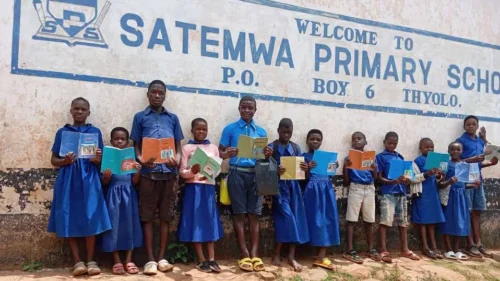
This blog post explores the importance of Satemwa Tea Estate to the local community and explains why Tea Kulture made the decision to support the Satemwa Primary school.
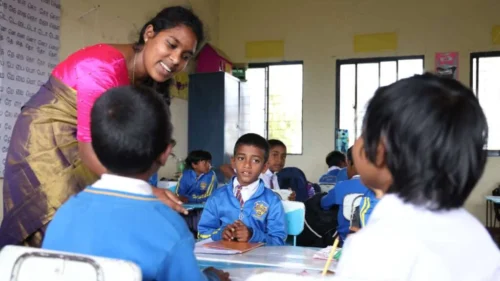
In the lush tea plantations of Sri Lanka, education is a luxury that many children cannot afford. Tea Leaf Trust is dedicated to transforming the lives of these marginalized youth.
© 2024 Tea Kulture | All Right Reserved
Payment Methods