
Jasmine Dragon Pearls
€10.00Select options
This product has multiple variants. The options may be chosen on the product page



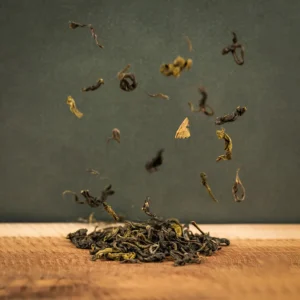
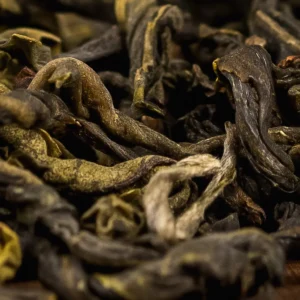
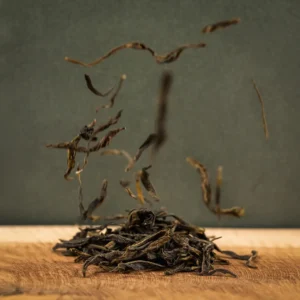
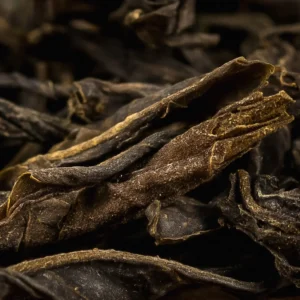
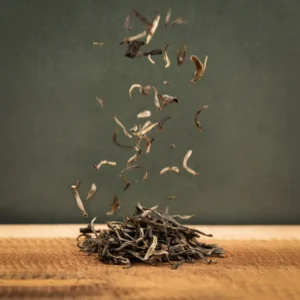
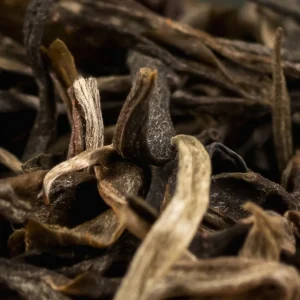
Green tea is the least oxidized of all the tea types, meaning it’s the freshest and closest to its original state when it’s still a part of the tea bush. During processing, the tea leaves go through a special process called “kill green,” which prevents oxidation from happening and preserves the leaves’ natural green color. Imagine biting into an apple which starts to turn brown after interacting with oxygen.
Indeed, it is the same for tea leaves. The leaves that are left to oxidize also develop their own beautiful and unique flavors, like in the case of black tea. However, with green tea, the goal is to preserve that brisk grassy spirit.
Read more about green tea in our blog.
Unfortunately, many people don’t get off on the right foot with green tea, believing it to be too bitter and astringent. When in fact, green tea is incredibly sweet and mellow when brewed correctly! When brewed, green tea requires a little more finesse than black tea, which can easily withstand boiling temperatures and even an extra minute of forgetting about the tea. That’s not the case with green tea, which demands our undivided attention and consideration.
When brewing your tea, carefully calibrate the water temperature, steeping time, and tea leaf-to-water ratio for a blissful brew. For example, Chinese green teas are best brewed at a temperature between 70-80°C, while Japanese green teas favor a slightly cooler temperature, about 65°C.
Green tea is also exceptionally delicious when cold brewed — developing very refreshing yet sweet and almost sappy tones.
If you’re unsure about the brewing process, visit our website or the packaging for detailed tea guidance. Ultimately, we encourage everyone to experiment and discover the method that best suits their taste.
Learn more about how to brew a delicious cup of tea.
Tea originated in China and green tea is no exception. In fact, green tea was the first tea type to ever exist, although at its roots it was slightly different from the green teas we know and love today. Green tea’s origins trace back to ancient China, where it evolved from rustic sun-dried styles during the Song dynasty (960 – 1279 CE). However, nowadays green tea is widely cultivated in countries like Japan and South Korea and increasingly in Southeast Asia.
For example, Japan is widely regarded for its terroir, producing exceptional teas like matcha and sencha. Meanwhile, countries worldwide have joined in on green tea production, with Nepal, Sri Lanka, Malawi, and Myanmar, among others, producing some unique varieties each imparting unique flavors and aromas thanks to their distinctive terroirs.
At Tea Kulture, sustainability and fair trade are at the heart of everything we do. We partner directly with farmers in the world’s prominent tea-producing regions who cultivate tea using natural, eco-friendly practices.
By ensuring fair wages and ethical working conditions, we support both the people and the planet. Our direct trade approach allows us to bring you premium-quality tea leaves while maintaining a commitment to fairness and environmental responsibility.
Read more about our story.
The journey of green tea begins with the careful selection of tea leaves, which undergo minimal oxidation, distinguishing them from other types of tea. The heart of green tea production lies in a pivotal process known as fixing or “kill-green,” when heat is applied to break down the enzymes responsible for the color change. The result is tea leaves that retain their vivid green hue and fresh, grassy scent.
Following fixation, the leaves are artfully shaped into various styles, each with its own distinct character. Japanese Sencha and Gyokuro are rolled into slender needles, Dragon Well (Long Jing) features flat, broad leaves, while Green Snail Spring (Bi Luo Chun) from China is crafted into delicate, snail-like curls.
Furthermore, each green tea type is categorized according to its unique firing method, with some of the most common being:
• Steamed
• Pan-fried
• Oven-bake
• Tumble-roasted
• Sun-cured
Common examples of steamed green teas include Japanese teas like sencha and gyokuro, which have distinct vivid green colors and incredibly umami-rich notes. On the other hand, we have Chinese pan-fried teas like Long Jing and Bi Luo Chan that are noted for their nutty and floral tones.
Read more about green tea in our blog.
The health benefits of tea are a frequent topic of debate. Although tea has a long history of being associated with medicinal uses, today’s wellness trends subject these claims to increased scrutiny.
Green tea, for instance, has been used in Traditional Chinese Medicine for its cooling properties and ability to regulate excess heat in the body, temporarily relieving irritability, headaches, and digestive issues. For example, try drinking green tea after a heavy or oily meal and see how you feel. However, can it actually cure conditions like cancer, heart disease, and arthritis? We approach such claims with caution.
Tea does contain beneficial compounds such as polyphenols (antioxidants), L-theanine (an amino acid), and alkaloids, all of which have notable physiological effects. These elements contribute to tea’s potential health benefits, but definitive health outcomes remain uncertain.
At Tea Kulture, we encourage tea lovers to enjoy tea as a healthy habit that offers positive benefits, rather than viewing it as a medicinal cure.
Green tea tends to have the lowest caffeine levels, as it steeps at lower temperatures. While the oxidation of the tea is generally not an indicator of how much caffeine we will intake, the average caffeine content of green tea is typically 20-45 mg/cup. In comparison, an average cup of coffee contains about 95 mg of caffeine.
Please note that several factors contribute to the caffeine levels in tea: natural environment, fertilization, the part of the plant that was picked, seasonality, and of course, brewing time.
Read more about caffeine in tea.
Green tea, made from the Camellia Sinensis plant, contains a moderate amount of caffeine, which may interfere with sleep if consumed later in the day. If you’re sensitive to caffeine, it’s wise to avoid drinking green tea in the late afternoon or evening, as it might make falling asleep more difficult.
For a soothing, caffeine-free alternative, consider herbal infusions like chamomile or rooibos. These teas are naturally calming and promote relaxation without the stimulating effects of caffeine.
Properly storing tea is crucial to retain its freshness and flavor.
To preserve your green tea leaves, place them in an airtight, opaque container to shield them from oxygen, which may lead to oxidation and compromise their aroma. Store your tea in a cool, dark location, away from sunlight and heat sources.
Ensure the storage area remains dry to prevent moisture absorption, which can degrade the tea’s quality. Avoid placing your tea near strong odors to prevent flavor contamination.
By investing in high-quality tea leaves and storing them correctly, you can prolong the retention of their intricate flavors for extended periods.
Read more on how to store loose-leaf tea.
© 2024 Tea Kulture | All Right Reserved
Payment Methods