
Chamomile Relax
From €6.50Select options
This product has multiple variants. The options may be chosen on the product page

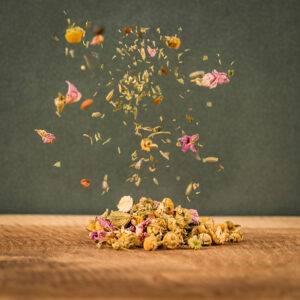
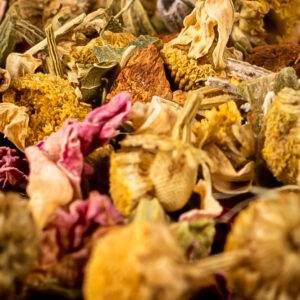
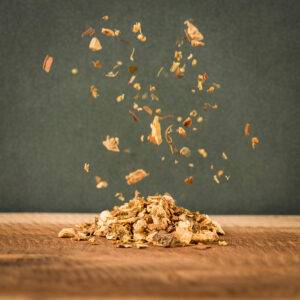
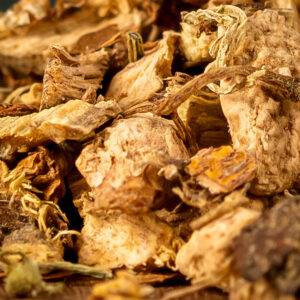
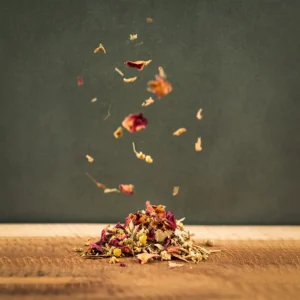
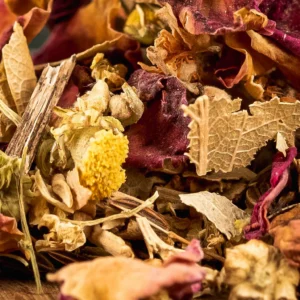
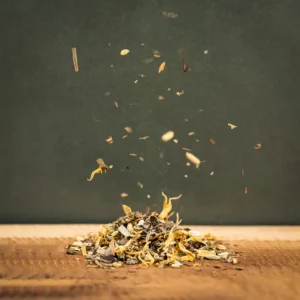
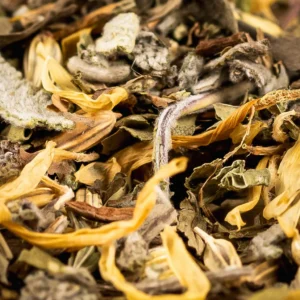


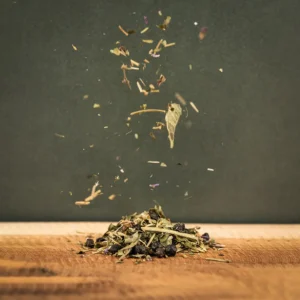

While herbal infusions are often called “herbal teas” or colloquially just “tea”, they are in fact not tea at all. True tea is only derived from the Camellia Sinensis plant, which also naturally contains caffeine. On the other hand, herbal infusions, or tisanes, come from a diverse range of herbs, flowers, or even fruits — offering a pleasant caffeine-free alternative.
It is important to note, however, that there are certain plants such as yerba mate and guarana from South America, which also contain caffeine and serve as coffee alternatives. Thus, challenging the notion that all non-tea plants are caffeine-free.
Read more about herbal infusions in our blog.
Brewing herbal infusions is much more simple than brewing teas. Not much precision or measuring is required here — just make sure to use boiling hot water.
Now when it comes to time and quantity, each specific plant requires its own measurements. Some plants will give you a nice and pleasant brew within a few minutes of brewing, while others may require up to 15 minutes or even prolonged boiling.
Certain plants also make exceptionally delightful iced teas and can even be cold brewed!
If you’re unsure about the brewing process, visit our website or the packaging for detailed tea guidance. Ultimately, we encourage everyone to experiment and discover the method that best suits their taste.
Learn more about how to brew a delicious cup of tea.
Unlike the Camellia Sinensis tea plant, which requires specific growing conditions to produce a delightful brew, most herbs—such as chamomile, plantain, sorrel, yarrow, nettle, and dandelion — can thrive in regions like Belgium and the Netherlands and are often found in local gardens.
Certain herbs, like the magnificent Iceland moss, grow exclusively in the world’s northern regions, while unique medicinal plants are found only in the Amazon rainforest.
Our Earth’s biodiversity is mirrored in the vast variety of plants it nurtures. At Tea Kulture, sustainability and fair trade are at the heart of everything we do. That’s why we often choose herbs and plants that are native to our own region. Additionally, we always source our herbal infusions directly from farmers.
By ensuring fair wages and ethical working conditions, we support both the people and the planet.
Read more about our story.
The processing of herbal infusions is generally straightforward, yet it can be quite diverse. Whether wild-harvested plants like poppy or chaga mushrooms, or cultivated ones like chamomile and mint, they all need to be dried first — either in the shade, in sunshine, indoors, or in industrial conditions.
Traditional herbal infusion processing methods involve simple harvesting and drying. However, modern techniques include rolling and oxidizing certain herbs, such as fireweed, to make them more akin to black tea, or even pressing them into tea cakes similar to pu-erh.
What sets herbal infusions apart is the variety of plant parts utilized. While traditional tea production focuses solely on the leaves and buds of the Camellia Sinensis plant, herbal infusions use everything from leaves, flowers, roots, fruits, bark, and even seeds. These can be brewed individually or blended into unique and exceptionally flavorful combinations.
Read more about herbal infusions in our blog.
Herbal infusions offer a myriad of health benefits that make them a popular choice for wellness enthusiasts.
Many of these natural brews are rich in antioxidants, which help combat oxidative stress and reduce inflammation in the body. Many herbal infusions, such as chamomile, are loved worldwide for their calming properties, aiding in stress relief and promoting better sleep. Meanwhile mint can soothe digestive issues, while ginger is known for its ability to alleviate nausea and improve circulation.
With their wide range of therapeutic properties, herbal infusions provide a flavorful and beneficial addition to any daily routine.
However, at Tea Kulture, we always encourage tea enthusiasts to view herbal infusion drinking as a healthy habit with positive benefits, rather than a medicinal cure.
Almost all herbal infusions, with the exception of a mere few, contain zero caffeine. If you love drinking tea but can’t handle the caffeine content of green or black teas before bed, herbal infusions are a perfect alternative!
Furthermore, certain plants like mint, ginger, ginseng, or lemongrass provide us with a slight energizing effect. These tisanes are great for those times when you need a gentle boost of energy, creativity, or mental clarity.
Read more about caffeine in tea.
Herbal infusions, like chamomile or rooibos, are caffeine-free. These teas are naturally calming and promote relaxation without the stimulating effects of caffeine.
Tea, made from the Camellia Sinensis plant, contains a moderate amount of caffeine, which may interfere with sleep if consumed later in the day. If you’re sensitive to caffeine, it’s wise to avoid drinking green tea in the late afternoon or evening, as it might make falling asleep more difficult.
Properly storing is crucial to retain its freshness and flavor.
To preserve your herbs, place them in an airtight, opaque container to shield them from oxygen, which may lead to oxidation and compromise their aroma. Store your herbs in a cool, dark location, away from sunlight and heat sources.
Ensure the storage area remains dry to prevent moisture absorption, which can degrade the tea’s quality. Avoid placing your tea near strong odors to prevent flavor contamination.
By investing in high-quality tea leaves and storing them correctly, you can prolong the retention of their intricate flavors for extended periods.
Read more on how to store loose-leaf tea.
© 2024 Tea Kulture | All Right Reserved
Payment Methods