




Free Delivery
From €50 in BE and NL.
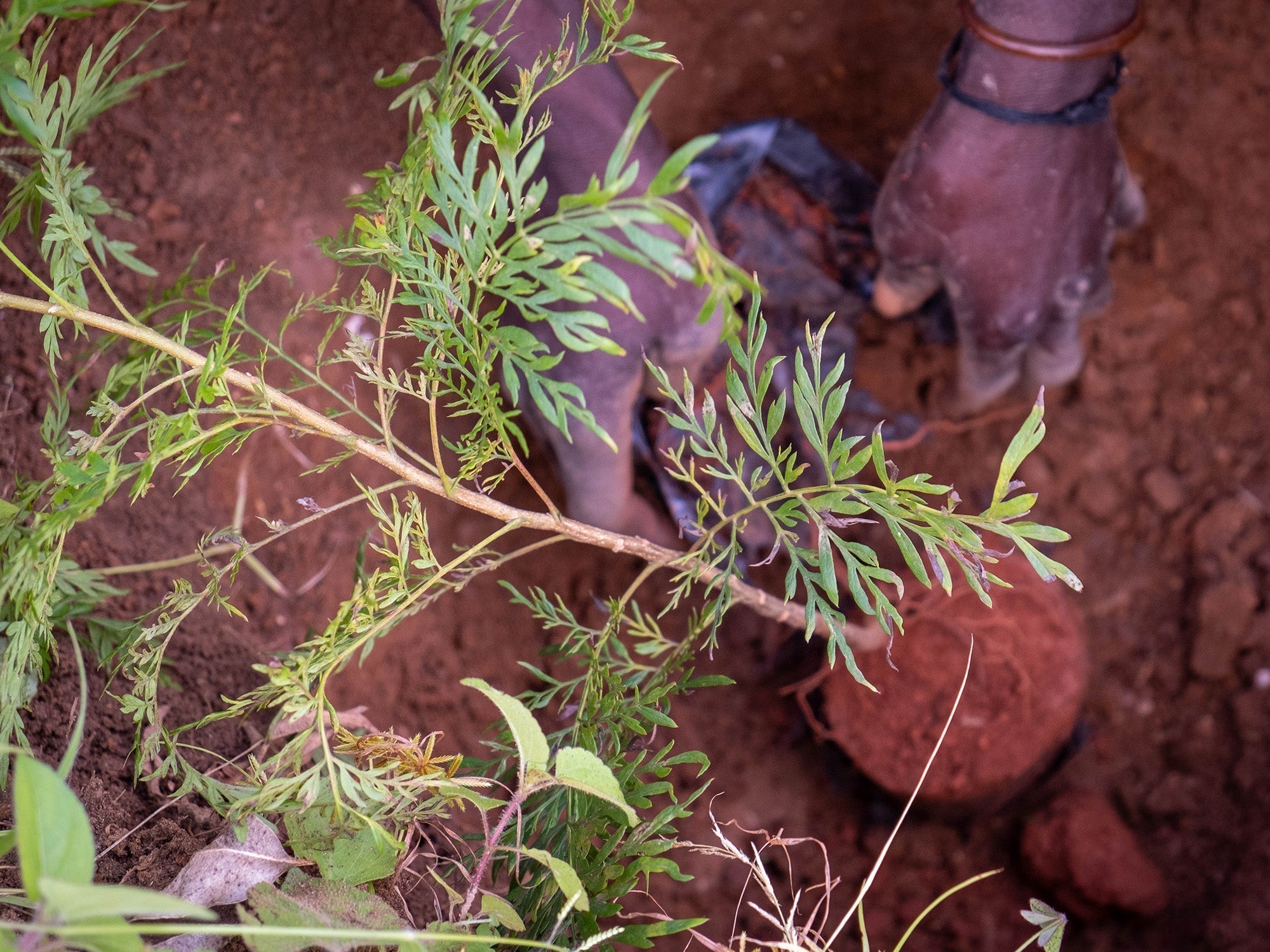
Malawi loses an estimated 33,000 hectares of forest per year. Barely a tenth of the population is connected to the electricity grid, meaning demand for firewood and charcoal remains high and pressure on local forests continues to grow.
For the farmers around Satemwa Tea Estate in Thyolo, this has concrete consequences: soil erosion on their fields, less fertile land, flooding in the rainy season, and declining harvests.
The Satemwa Tree Planting Club aims to change this.
Deforestation in Malawi has a direct impact on people who depend on farming for their livelihood. Without trees, the top layer of fertile soil washes away during heavy rainfall. Rivers silt up. Harvests become unpredictable. Climate change only intensifies this pattern: droughts and floods are becoming more frequent.
For a country where 85 per cent of the population depends on agriculture, any disruption to the ecosystem is a direct threat to daily life. Trees offer protection. They retain water, provide shade, improve soil fertility, and over time generate an income. That last point is precisely what the Satemwa Tree Planting Club wants to demonstrate to the farmers in the surrounding communities.

The Satemwa Tree Planting Club has been running for some time, but Tea Kulture has supported the programme since 2025. The driving force behind the club is Jim Fortune, manager of the coffee division at Satemwa. He delivers the training sessions in the communities, coordinates the distribution of planting materials and nursery equipment, and provides individual follow-up to farmers and village elders.
The programme works with a varied range of tree species, selected in collaboration with scientists and universities: fruit trees such as avocado and jackfruit, fast-growing eucalyptus and bamboo for building materials, shade trees such as Grevillea for the tea fields, and hardwood. Each species has a different growth period and different economic value. Farmers choose the mix that best suits their own situation.
In 2025, more than 1,600 additional trees were planted on top of Satemwa's standard planting programme. Six village elders from neighbouring villages and 47 farmers from communities surrounding the estate attended a training session on the economic benefits of forestry. Those 47 farmers and their families benefited directly from the programme.
Two new initiatives were introduced in 2025:

In 2025, the first farmers harvested their eucalyptus trees, two years after planting them with support from the club.
Eucalyptus, locally known as blue gum, grows quickly and produces straight, sturdy trunks that are in high demand in the region as building materials. After felling, the stump shoots again and new trunks grow, meaning the farmer can harvest again after a few years without planting new trees.
The felled trunks were sold as building poles at the local market. With that income, several families were able to pay their children's school fees.
Interest in eucalyptus was therefore high in 2025. Farmers could see for themselves what their neighbours were earning. That is exactly how the club aims to work: making results visible within the community itself.
Satemwa has been investing in the communities around the estate for decades: a clinic, a school, the Tree Planting Club. For Tea Kulture, which has worked directly with Satemwa for years, supporting the club is a natural choice. The school on the estate we previously supported by donating textbooks to Satemwa Primary School.
By supporting the club, we contribute to a programme that teaches farmers how to build their own income.
Tree planting requires patience and time. A eucalyptus planted today will not produce results for two to three years. But in 2025, farmers in Thyolo were able to send their children to school thanks to a tree planted two years earlier.
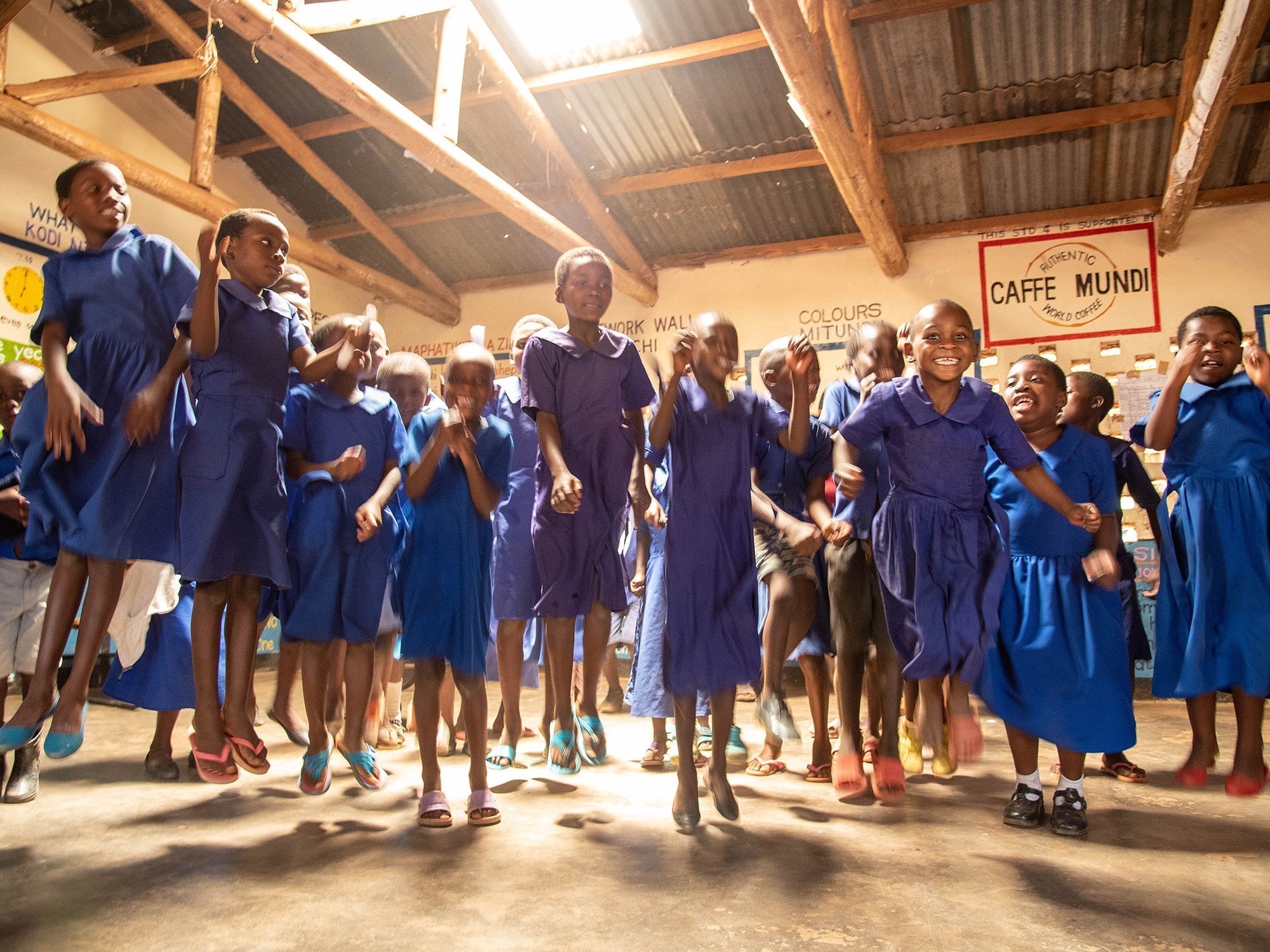
Schoolbooks for Satemwa: a small contribution with direct impact
More than a thousand children attend school on Satemwa Tea Estate in Thyolo, Malawi. Many of them are the children of workers who live and work on the plantation. Without this school, most of them ...
Read more
Tea Leaf Trust: a future for young people on tea plantations
On the tea plantations of Sri Lanka, education is not a given. The people who live and work there are largely Malaiyaha Tamils, a community with its own history and its own place in Sri Lankan soci...
Read more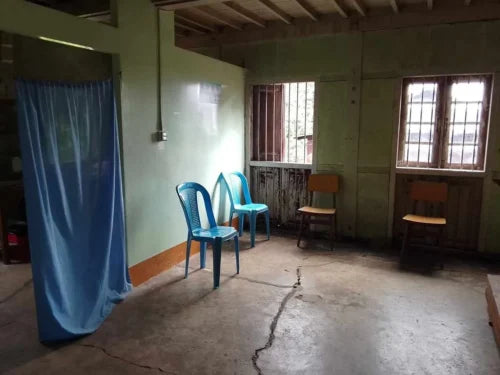
Medical care for Kyauk Saung in Myanmar
In the heart of Myanmar lies the village of Kyauk Saung, home to Mogok Tea. Against the backdrop of an ongoing civil war and an acute lack of healthcare, Tea Kulture provided medical assistance to ...
Read moreFree Delivery
From €50 in BE and NL.

Pickup Available
In Zonhoven and Hasselt (BE).

Fast Shipping
Within 2-3 business days.

Secure Payment
Multiple payment options.