


Free Delivery
From €50 in BE and NL.
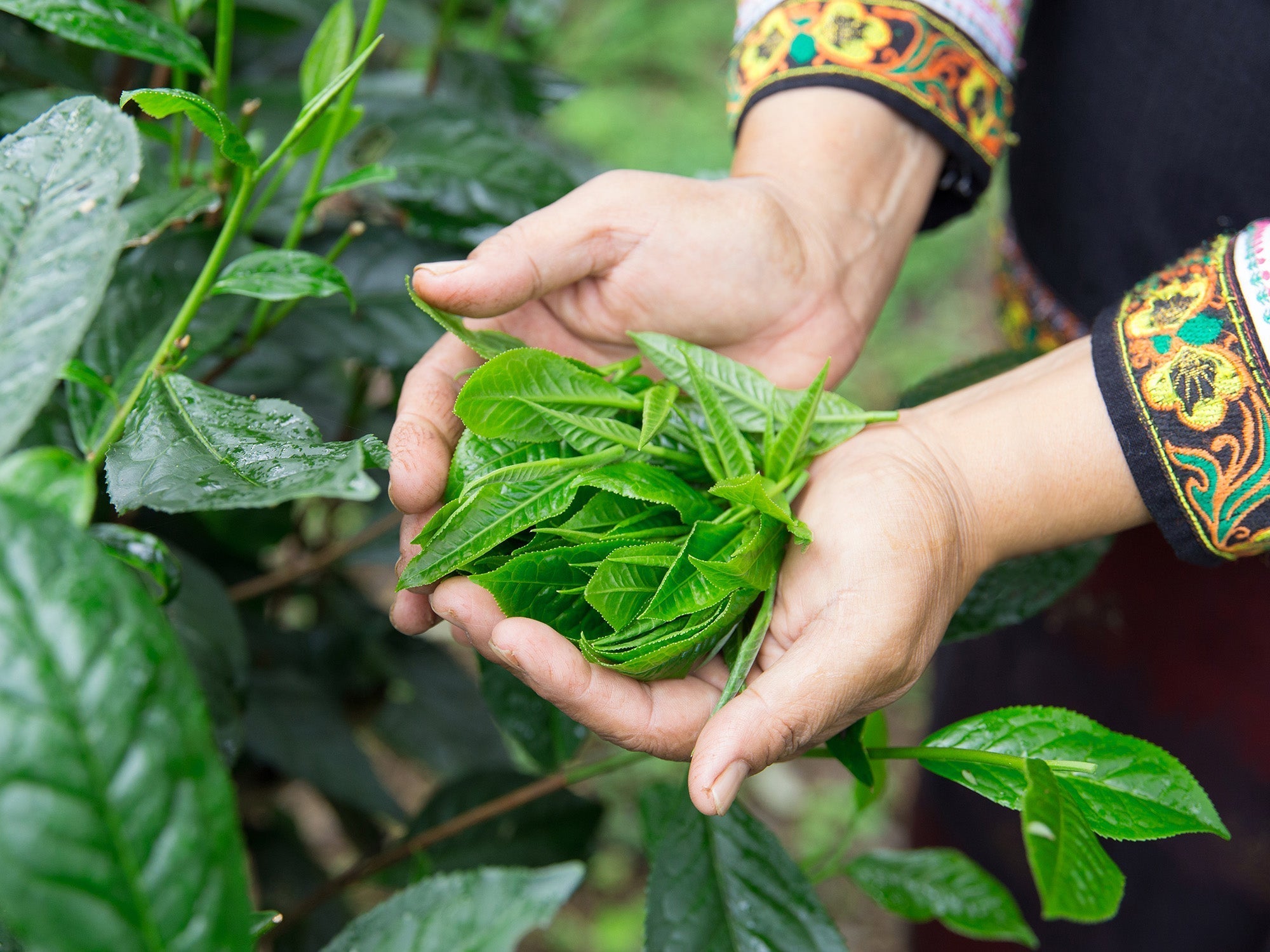
Tea has an enormous richness of aromas and characters. As with wine and coffee, the story begins with the plant itself. The choice between varieties and cultivars determines the aroma and quality of your tea.
The terms variety, cultivar, and varietal are often confused with one another:
A variety is a naturally occurring plant population with specific characteristics, for example Camellia sinensis var. sinensis or var. assamica.
A cultivar is a plant that growers have selectively bred and propagated through cloning, so that certain characteristics remain consistent across generations. Yabukita is a well-known cultivar.
Varietal is an adjective for a product that comes from a specific variety or cultivar. Tieguanyin, for example, is a varietal tea made from the Tieguanyin cultivar.
A broader introduction to the world of tea can be found in an introduction to the world of tea.

Tea belongs to the species Camellia sinensis, an evergreen shrub from the subtropical highlands of Asia. Its natural range runs from northeastern India across the Indo-Burmese border and southern Tibet to the mountain regions of Yunnan and Sichuan in China, as well as northern Burma, Laos, Thailand, and Vietnam.
Within Camellia sinensis, two varieties are central.
Sinensis (Camellia sinensis var. sinensis) is the small-leaved variety, originating from the cooler highlands of southern China. It thrives at altitude and produces primarily green and white tea.
Assamica (Camellia sinensis var. assamica) is the large-leaved variety, originating from the warmer lowlands of northeastern India, Yunnan, and parts of Southeast Asia. It favours a tropical climate and produces primarily black tea and pu'erh.
Several lesser-known varieties also exist, such as pubilimba, dehungensis, and waldenae. These are found mainly in specific Chinese provinces.
Camellia sinensis var. cambodiensis is sometimes cited as a third main variety. Recent genetic research suggests, however, that it is probably a hybrid between sinensis and assamica. It plays virtually no commercial role.
A cultivar is a plant variety that growers selectively breed in order to retain or enhance certain characteristics, such as flavour, climate resistance, and vigour. The genetic material derives identically from a single mother plant.
You will recognise the principle from other crops: grape varieties for wine (Merlot, Chardonnay, Pinot Noir), coffee lines (Blue Mountain, Bourbon, Geisha), and apple varieties (Fuji, Granny Smith) are all cultivars.
In tea, a cultivar determines the flavour profile and texture of the finished infusion. More than a thousand tea cultivars exist worldwide, tailored to climate, processing method, and desired flavour.

Producers select cultivars for various reasons:
Tea plants are predominantly cross-pollinating and rarely self-fertilise. To keep flavour and quality consistent, growers use cuttings from a strong mother plant. These cuttings have exactly the same characteristics as their parent.
Plants grown from seed are far less predictable. Even when all seeds come from the same bush, the resulting plants often vary considerably: some taller, others smaller, with different leaves or a different flavour. This makes uniform tea production more difficult, but also creates greater variety.
Seedlings also tend to have deeper root systems, drawing extra nutrients and water from the soil. This gives them a more robust character and a deeper aroma. Cloned plants generally have a shallower root system.

Not all tea comes from cultivated gardens. There are also bushes and trees that grow without human intervention.
Wild tea grows from tea trees that have grown naturally in forests, for example in Yunnan, Laos, Thailand, Vietnam, and Myanmar. They can reach up to twenty metres in height, and the oldest examples have been growing for more than a thousand years. Tea from such old trees, known as gushu, is particularly sought after.
Semi-wild tea comes from plants that were once planted by humans but subsequently left to themselves. They develop characteristics of wild trees, but still carry traces of their original cultivation.
Zairai is a Japanese term for bushes raised from seed rather than cloned. These plants often produce tea with a pronounced, regional character. Some examples are centuries old.
Cultivars, seedlings, and wild tea plants together illustrate how rich the world of Camellia sinensis is. Two varieties, thousands of cultivars, and alongside them generations of seedlings and wild trees, each with their own character. That is also why two teas from the same type of plant can taste completely different.
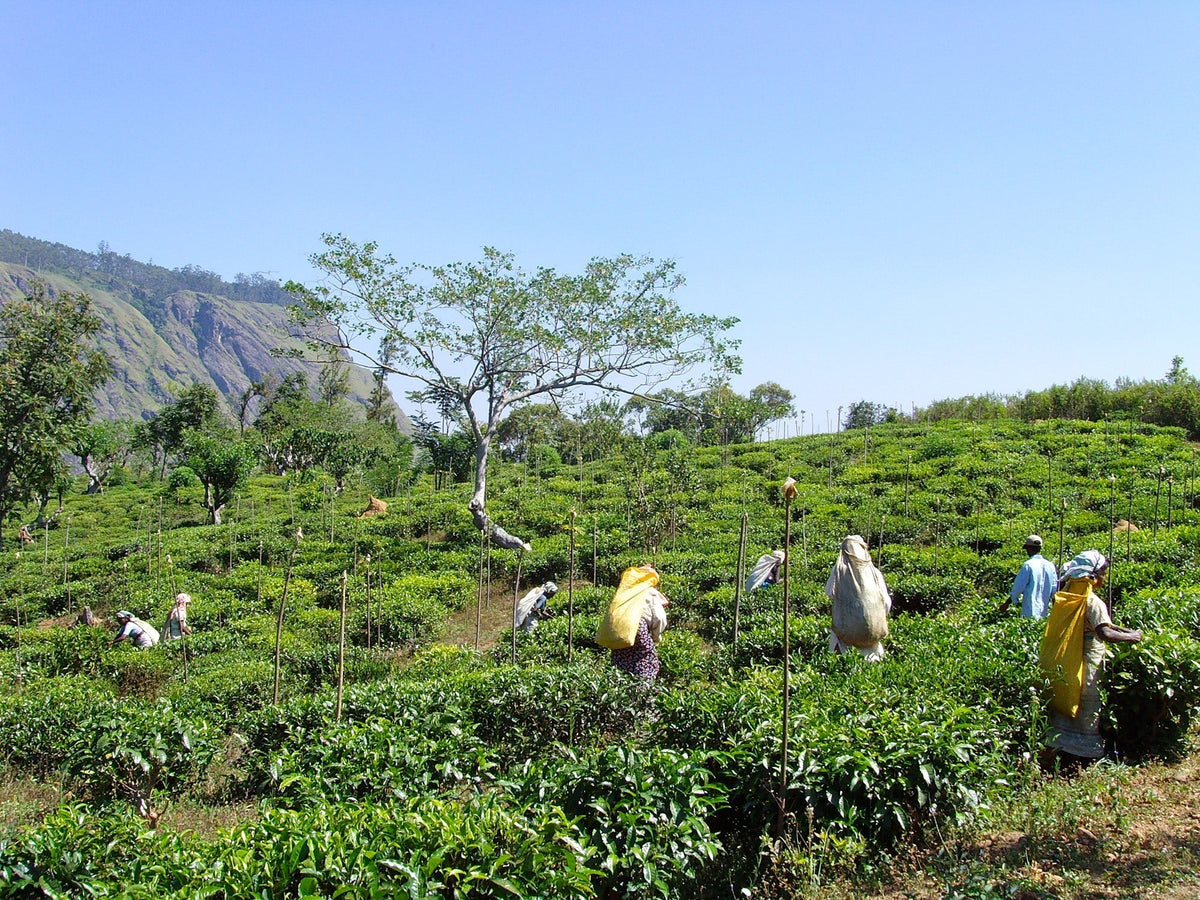
From Nuwara Eliya to Ruhuna: The Seven Tea Regions of Sri Lanka
From the misty mountaintops of Nuwara Eliya to the tropical coastal plains of Ruhuna: Sri Lanka is small enough to cross in a single day. But it also comprises seven tea regions, each with exceptio...
Read more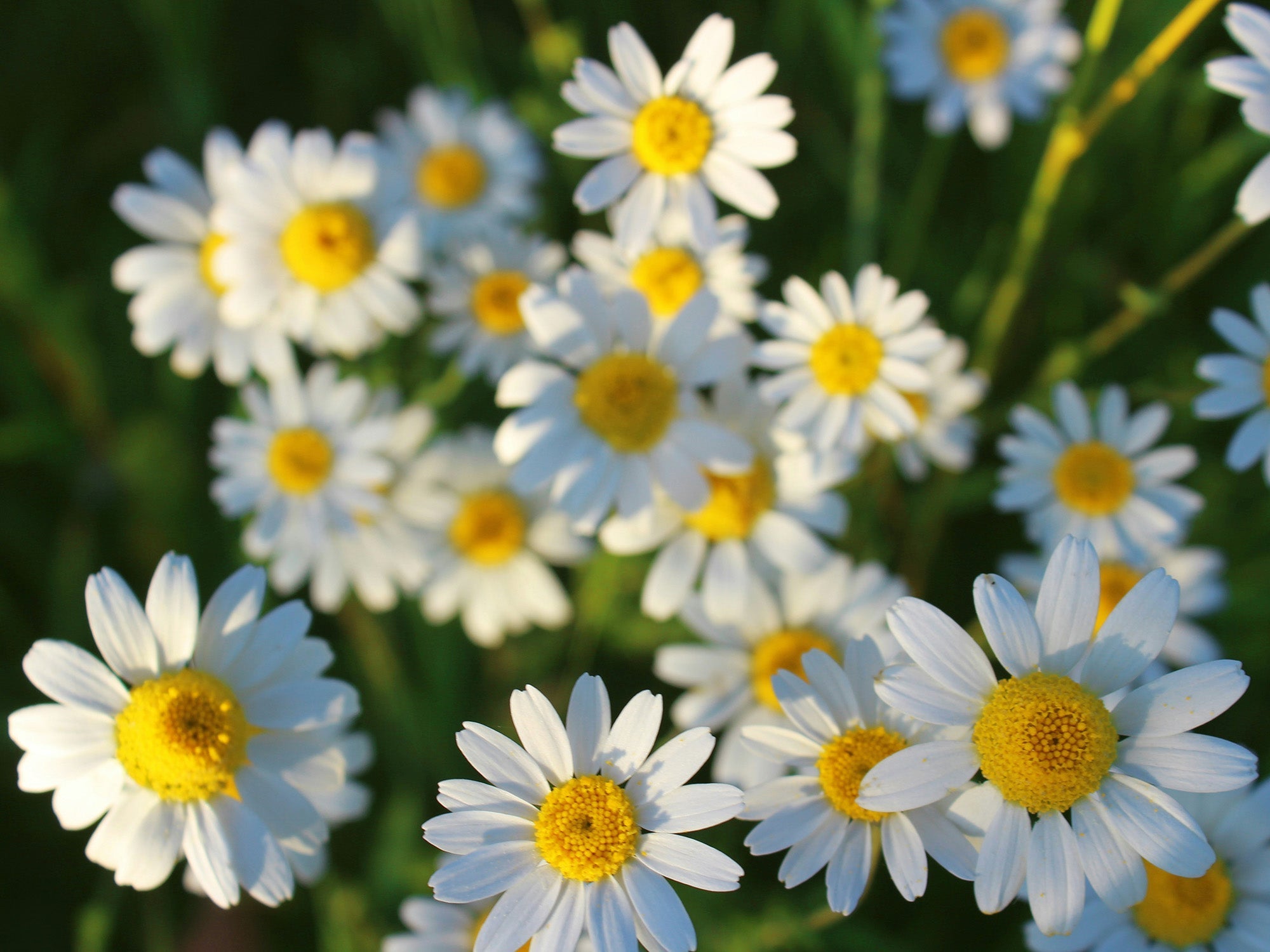
The surprising history of chamomile
Chamomile has been used for thousands of years. From the ancient Egyptians to the monastery gardens of the Middle Ages, from Hippocrates to Beatrix Potter: this modest herb has a remarkably rich hi...
Read more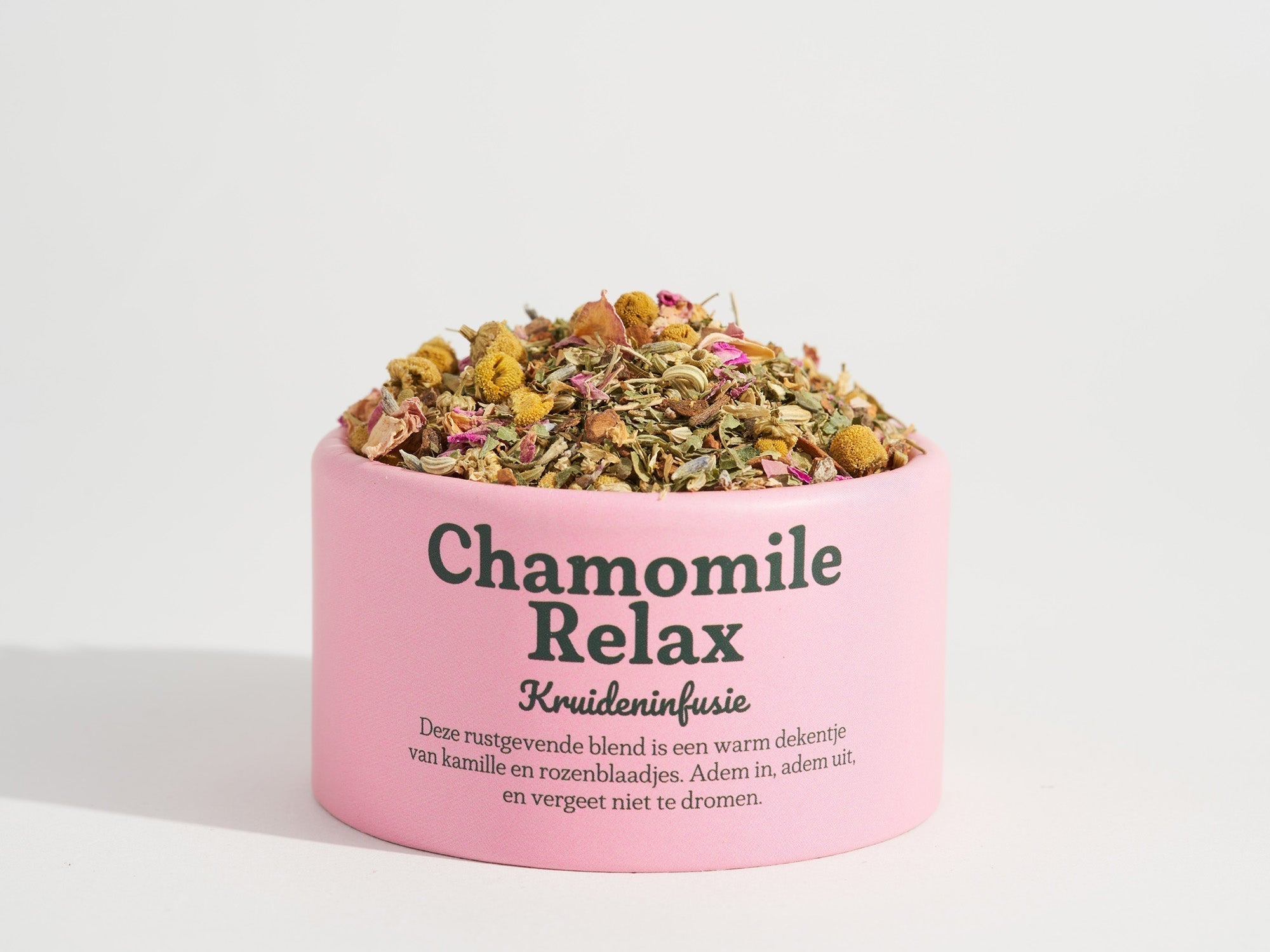
The gentle power of chamomile tea
Chamomile is one of the most widely used ingredients in herbal infusions and blends worldwide. Its gentle, floral flavour and calming character make chamomile an ideal companion for moments of rela...
Read moreFree Delivery
From €50 in BE and NL.

Pickup Available
In Zonhoven and Hasselt (BE).

Fast Shipping
Within 2-3 business days.

Secure Payment
Multiple payment options.