


Free Delivery
From €50 in BE and NL.
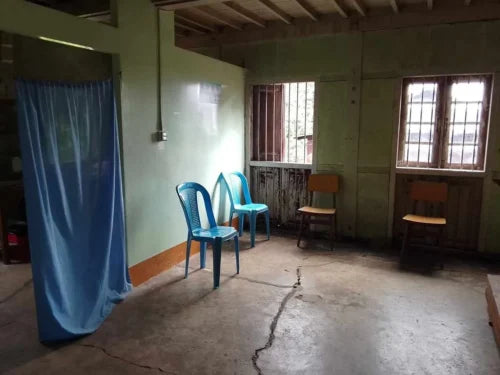
In the heart of Myanmar lies the village of Kyauk Saung, home to Mogok Tea. Against the backdrop of an ongoing civil war and an acute lack of healthcare, Tea Kulture provided medical assistance to residents facing hardship.
Myanmar has been torn apart by political upheaval, ethnic conflict, and struggles for autonomy for decades. The war began shortly after the country gained independence from British colonial rule in 1948. Various armed ethnic groups, including the Karen National Union (KNU) and the Kachin Independence Army (KIA), have been fighting for their rights and self-determination.
The causes of the conflict are complex, with ethnic, religious, and political divisions all playing a significant role. Deep-rooted economic and cultural differences have fuelled tensions between the government and various ethnic minorities. The struggle for control over land, narcotics, and natural resources such as jade and timber has only made the situation worse.

The military coup of February 2021 drastically escalated the situation. What began as widespread protests grew into a full-scale civil war. A coalition of pro-democracy militias and armed ethnic groups, the People's Defence Force, has since secured victory after victory. By the end of 2024, the junta controlled only around 21 per cent of the country. Large parts of the border regions and interior are in the hands of resistance groups.
The population, marked by more than four years of conflict, is now facing greater hardship than ever. The UN World Food Programme described the situation as the worst humanitarian crisis in the country's history.
On 28 March 2025, the situation worsened further when a 7.7-magnitude earthquake struck central Myanmar, causing widespread destruction across the Mandalay, Sagaing, and Shan regions. More than 3,800 people lost their lives, over 5,000 were injured, and more than 52,000 homes were damaged or destroyed. Healthcare facilities, already under severe strain from years of war, suffered further damage.

In the midst of the unrest, Mogok Tea Estate is located in the village of Kyauk Saung, part of a cluster of six villages. Mogok Tea is not only a source of income for the local community, but also a symbol of cultural heritage and resilience.
Founder Phyu Thwe left Myanmar to study in the United Kingdom and built a career as an accountant. From London, she witnessed how her home region remained trapped in mining and poverty. With support from her family, she started Mogok Tea: a micro tea factory producing organic tea and offering a sustainable alternative to the demanding work of mining.
The tea gardens cover 180 hectares and everything is hand-picked and hand-processed. That approach has received international recognition: at the Leafies Awards of the UK Tea Academy, Mogok Tea won three prizes, including the special Tea for Life Award for social impact.
Read more about the fascinating origin of Mogok Tea.
With only two hospitals in the entire area around Mogok, the residents of Kyauk Saung and the surrounding villages face enormous challenges when they need healthcare. Mogok is located in a restricted area where foreign aid organisations have no access.
Villagers have therefore formed their own network. One dedicated nurse provides medical care to the surrounding villages, supporting the wellbeing of hundreds of households. A doctor also returned to the village during the COVID-19 pandemic and continued to provide essential care to those in need.

As the civil war in Myanmar continues, villages such as Kyauk Saung struggle with limited access to healthcare and essential goods.
The village consists of 110 households and faces difficult circumstances. Many families depend on remittances from children working abroad, while others rely on meagre income from mining activities. With limited resources, families often face difficult choices when it comes to medical care. The cost of a doctor's visit, currently 7,000 kyat (approximately €3), is a significant sum that forces families to prioritise care for just one person.
Tea Kulture supported the project for years with a monthly contribution. The project is currently on hold. The situation in the region has become too dangerous for the village's only doctor to continue her work. When circumstances allow, we hope to resume the collaboration.
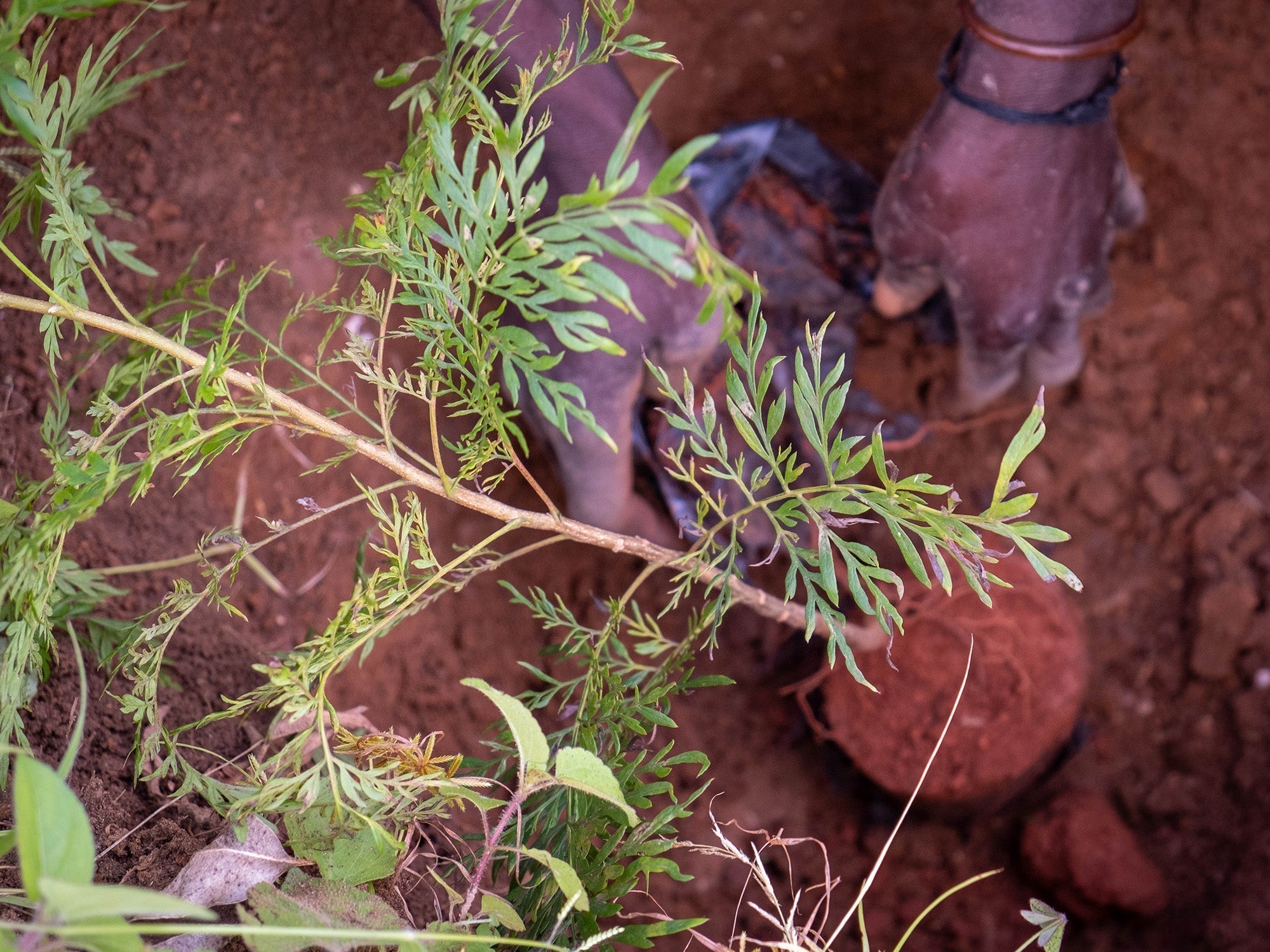
Tree planting in Malawi: an income for farmers
Malawi loses an estimated 33,000 hectares of forest per year. Barely a tenth of the population is connected to the electricity grid, meaning demand for firewood and charcoal remains high and pressu...
Read more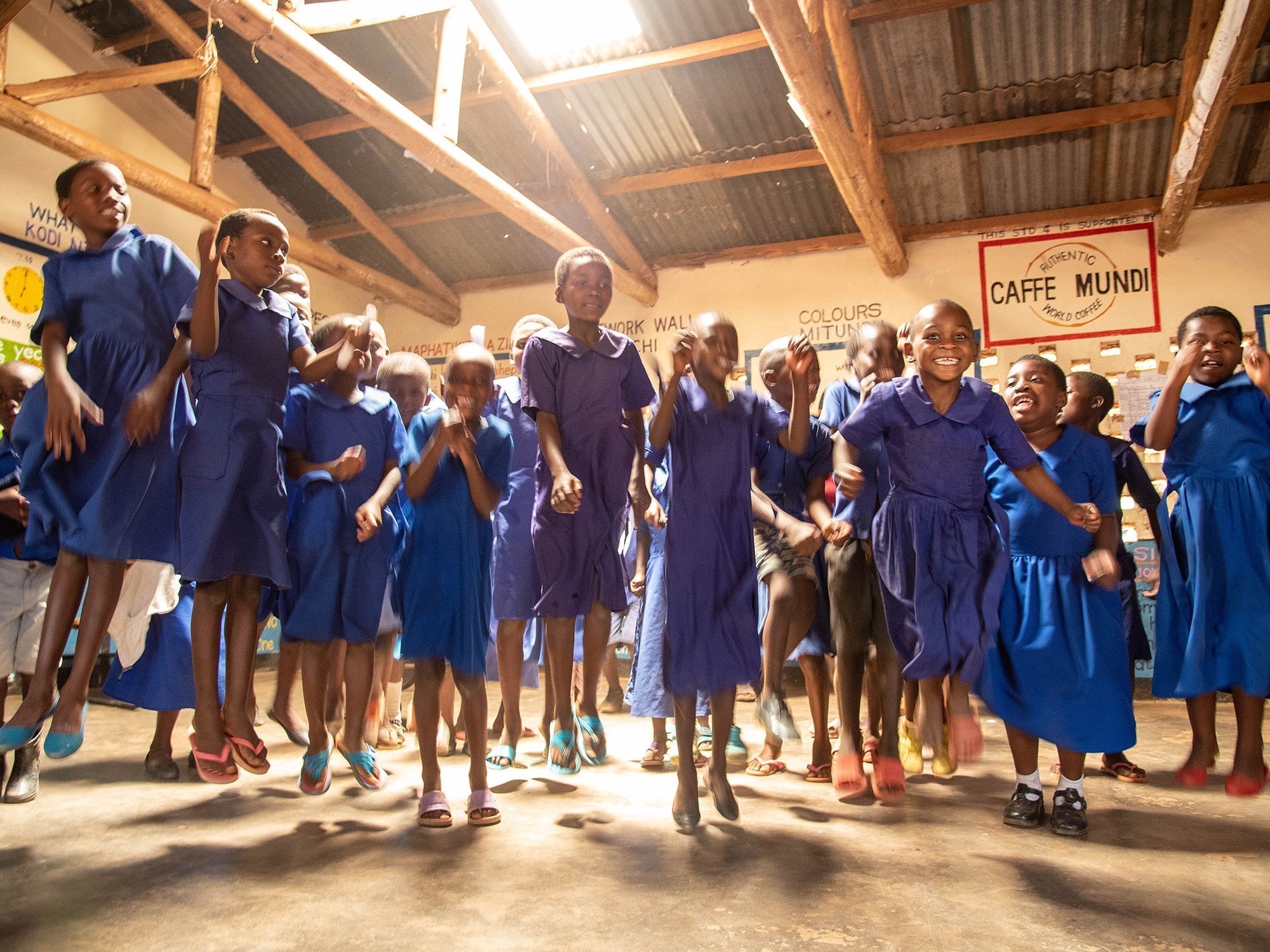
Schoolbooks for Satemwa: a small contribution with direct impact
More than a thousand children attend school on Satemwa Tea Estate in Thyolo, Malawi. Many of them are the children of workers who live and work on the plantation. Without this school, most of them ...
Read more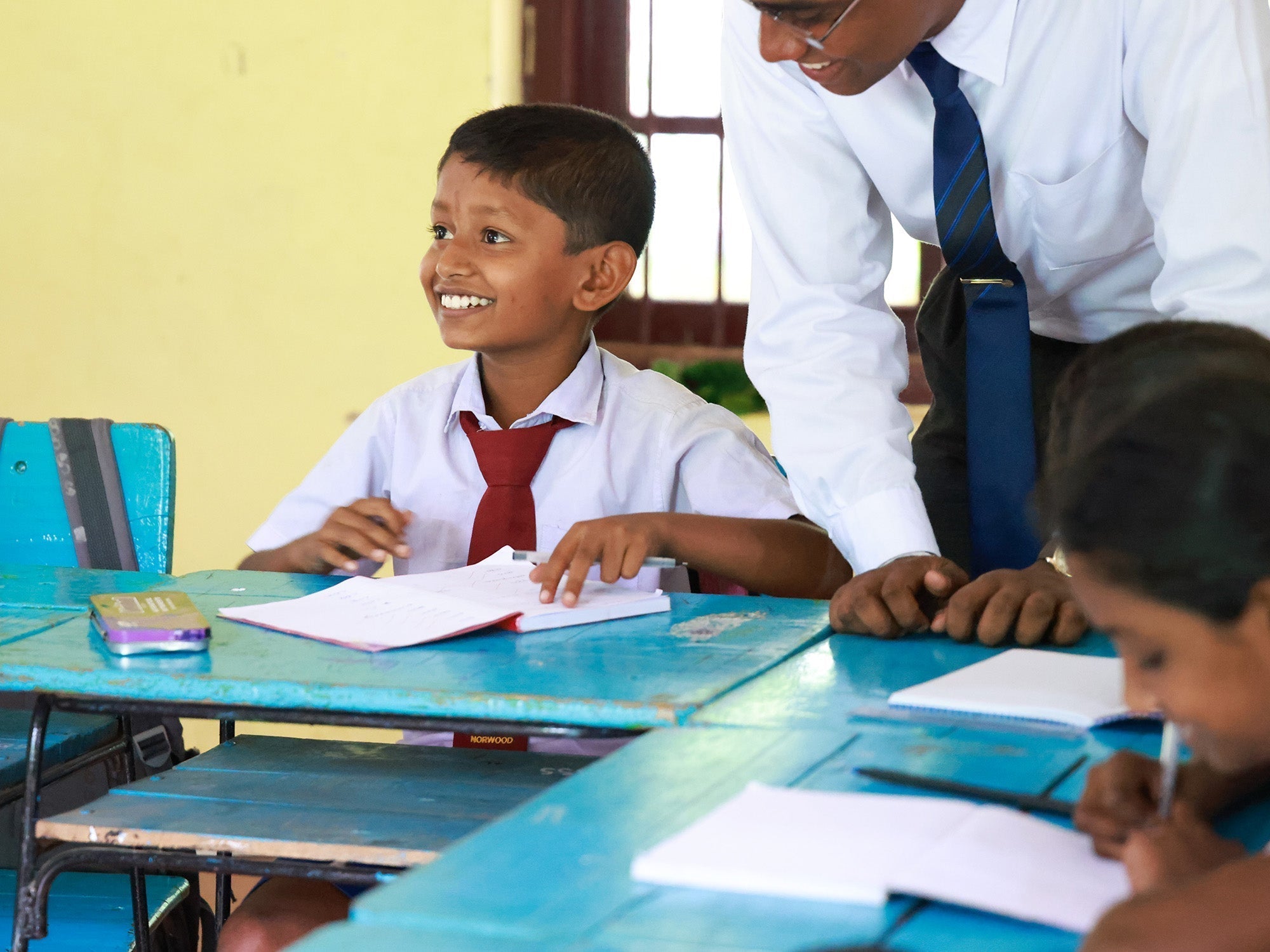
Tea Leaf Trust: a future for young people on tea plantations
On the tea plantations of Sri Lanka, education is not a given. The people who live and work there are largely Malaiyaha Tamils, a community with its own history and its own place in Sri Lankan soci...
Read moreFree Delivery
From €50 in BE and NL.

Pickup Available
In Zonhoven and Hasselt (BE).

Fast Shipping
Within 2-3 business days.

Secure Payment
Multiple payment options.