




Free Delivery
From €50 in BE and NL.

In the green hills of northern Portugal, not far from Porto, lies a garden that surprised the tea world. Where vines once stood, Camellia sinensis now grows. Chá Camélia has become a symbol of vision, patience, and craftsmanship. The project proves that tea does not only belong to Asian or African soils but can also flourish in Europe.
From idea to reality
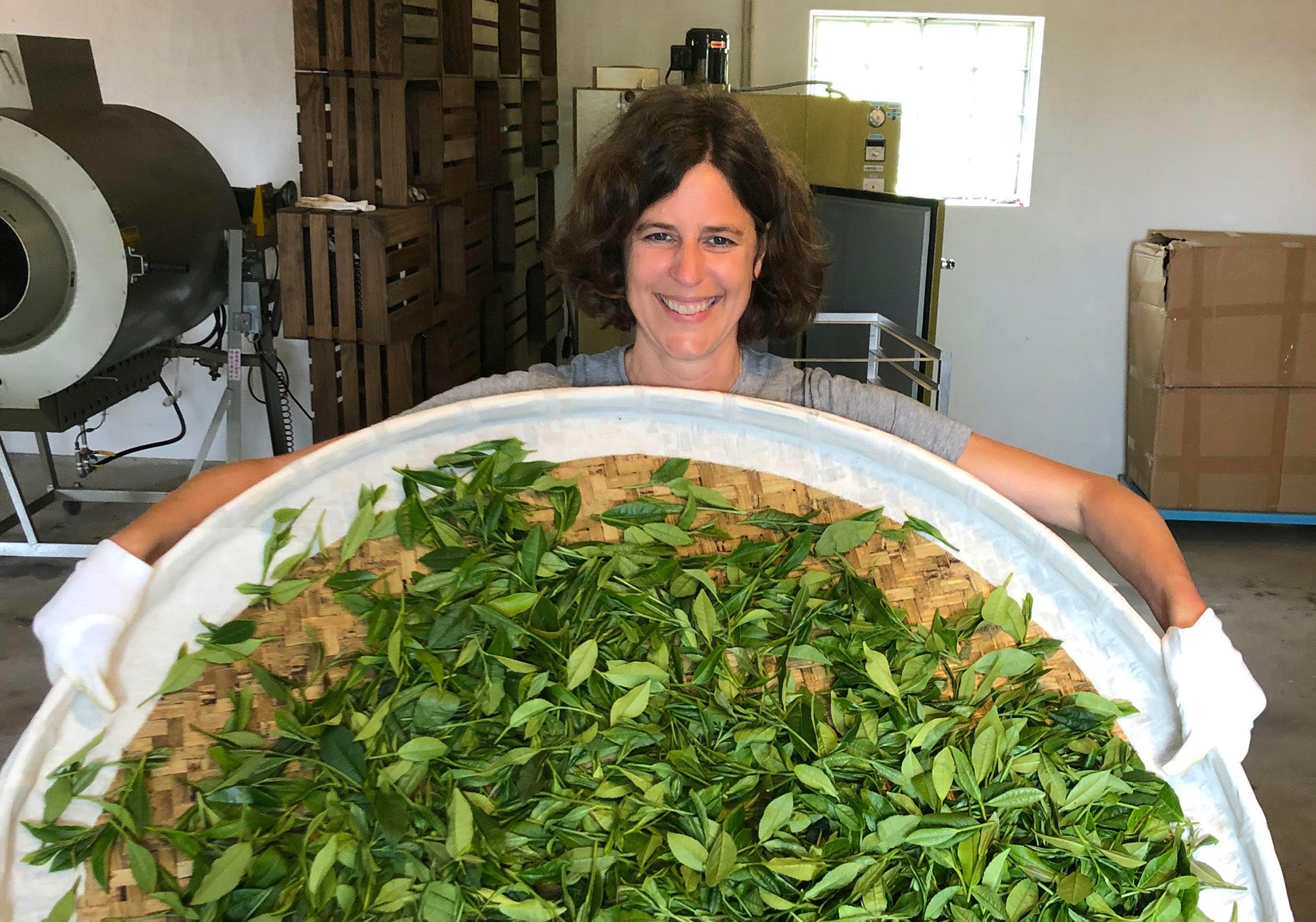
Chá Camélia was founded by Nina Gruntkowski and Dirk Niepoort, two people united by a fascination for flavour, tradition, and craft. Gruntkowski brought her background in journalism and radio, while Niepoort came from a renowned wine family. Together they dreamed of creating a tea garden that embodied authenticity and gave Europe its own place on the world map of tea.
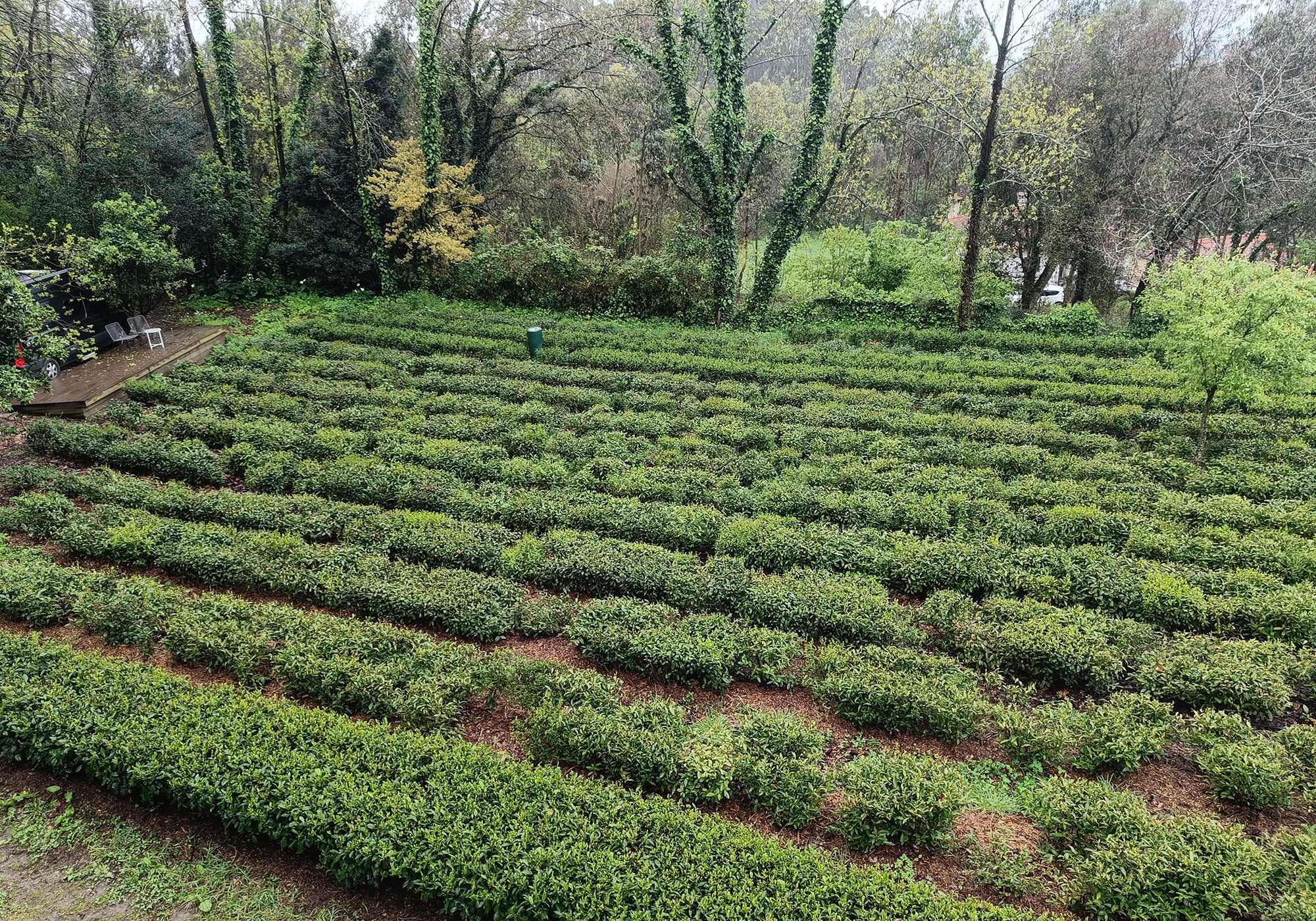
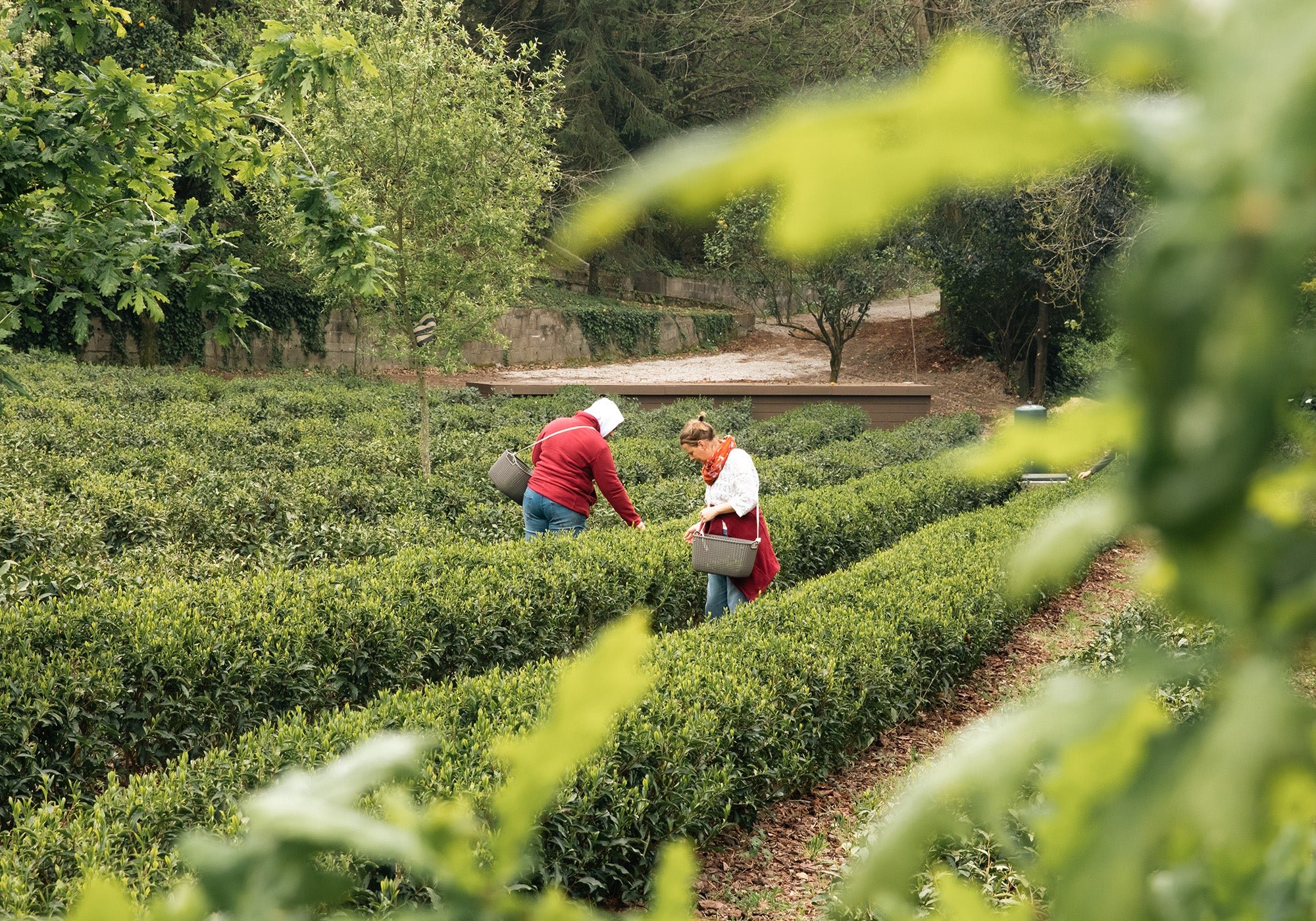
In 2011 they planted two hundred Camellia sinensis bushes in their garden in Porto. The experiment showed that the Atlantic climate could sustain them, but a larger site was needed. In Fornelo, near Vila do Conde, they found an abandoned vineyard with fertile soil and salty sea air. With their own hands they replanted the fields, and within a few years nearly a hectare of tea was thriving. Today the garden counts more than twelve thousand plants.

Learning from Japanese masters
A tea bush alone does not guarantee quality. Mastery lies in processing and timing. To deepen their knowledge, Gruntkowski and Niepoort travelled to Japan, where they met Haruyo and Shigeru Morimoto, a couple with decades of experience. Their lessons extended beyond technique.
They shared a philosophy built on patience, respect for the leaf, and harmony with nature. Guided by their wisdom, Chá Camélia grew into a place where Portuguese terroir and Japanese tradition complement each other.
The first harvest
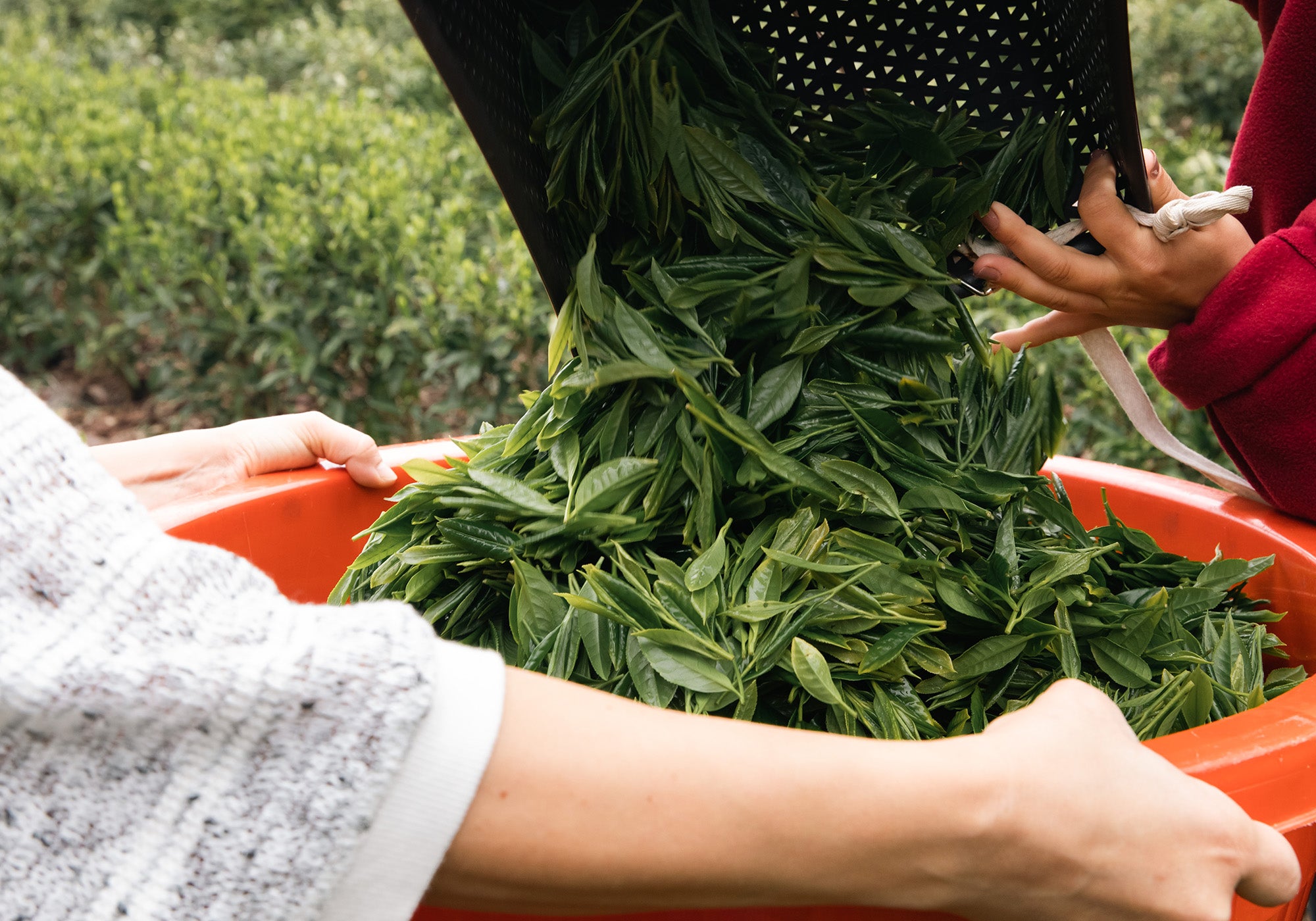
Tea demands time. Only after eight years of care did the garden yield its first commercial harvest. In 2019 the founders released their first tea, a small batch of green with a fresh and mineral profile. It carried traces of the Atlantic, with a light saltiness that marked its origin.
By 2024 the bushes produced around five hundred kilos of fresh leaf, resulting in one hundred kilos of finished tea. Ninety percent was green, complemented by small amounts of white and oolong. Compared to Asia the volume is small, but the focus is entirely on quality.
Craft at the core
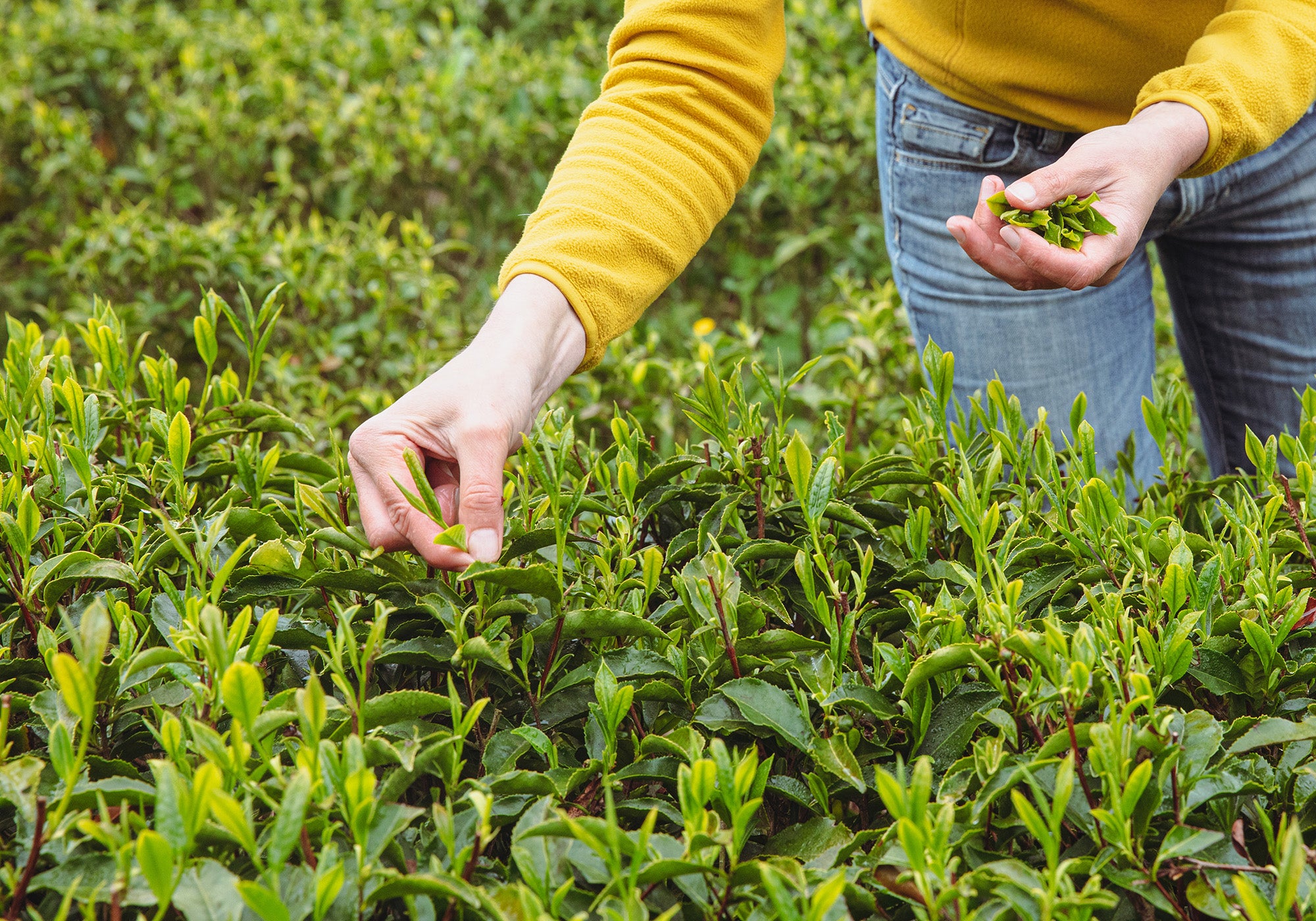
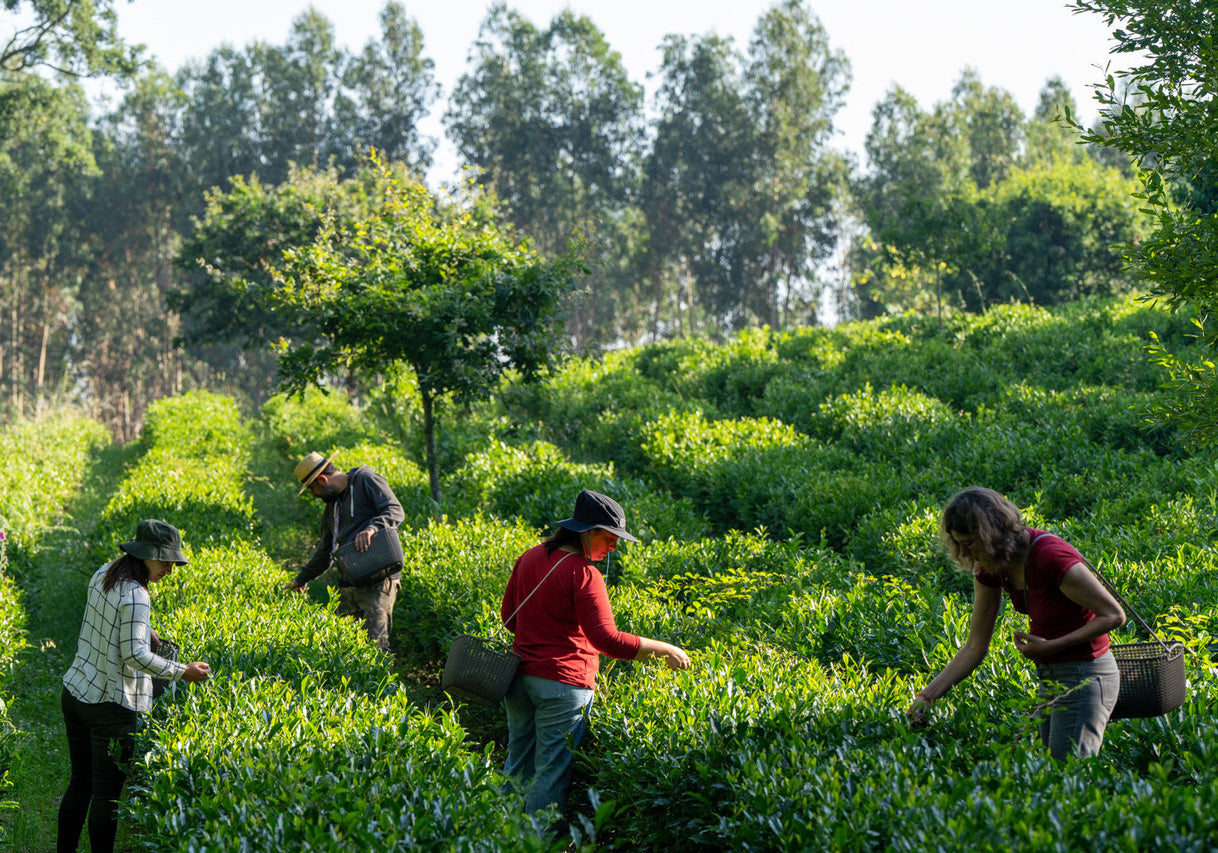
Harvesting requires precision. Only the youngest shoots are carefully picked. Processing follows traditional methods: steaming or pan-firing, rolling, and drying. Each stage shapes the aroma and flavour. By relying on handwork, every batch gains its own identity.
This approach mirrors their philosophy of farming. Growth is not about scale but about care and dedication. Tea, for them, is not a factory product but the outcome of human attention and respect.
A sustainable landscape
The Fornelo garden shows that farming and nature can thrive together. Between the tea bushes stand fruit trees and flowers that provide shade, attract insects, and bring colour to the land. The result is a lively ecosystem where plants, animals, and people reinforce one another.
In nearby Vairão, Gruntkowski and Niepoort expanded their project with two hectares where tea grows in an agroforestry system among trees and crops. The goal is resilience, a system strong enough to face climate change and disease. Chá Camélia thus serves as a living laboratory for new farming models in Europe.
Flavour and character
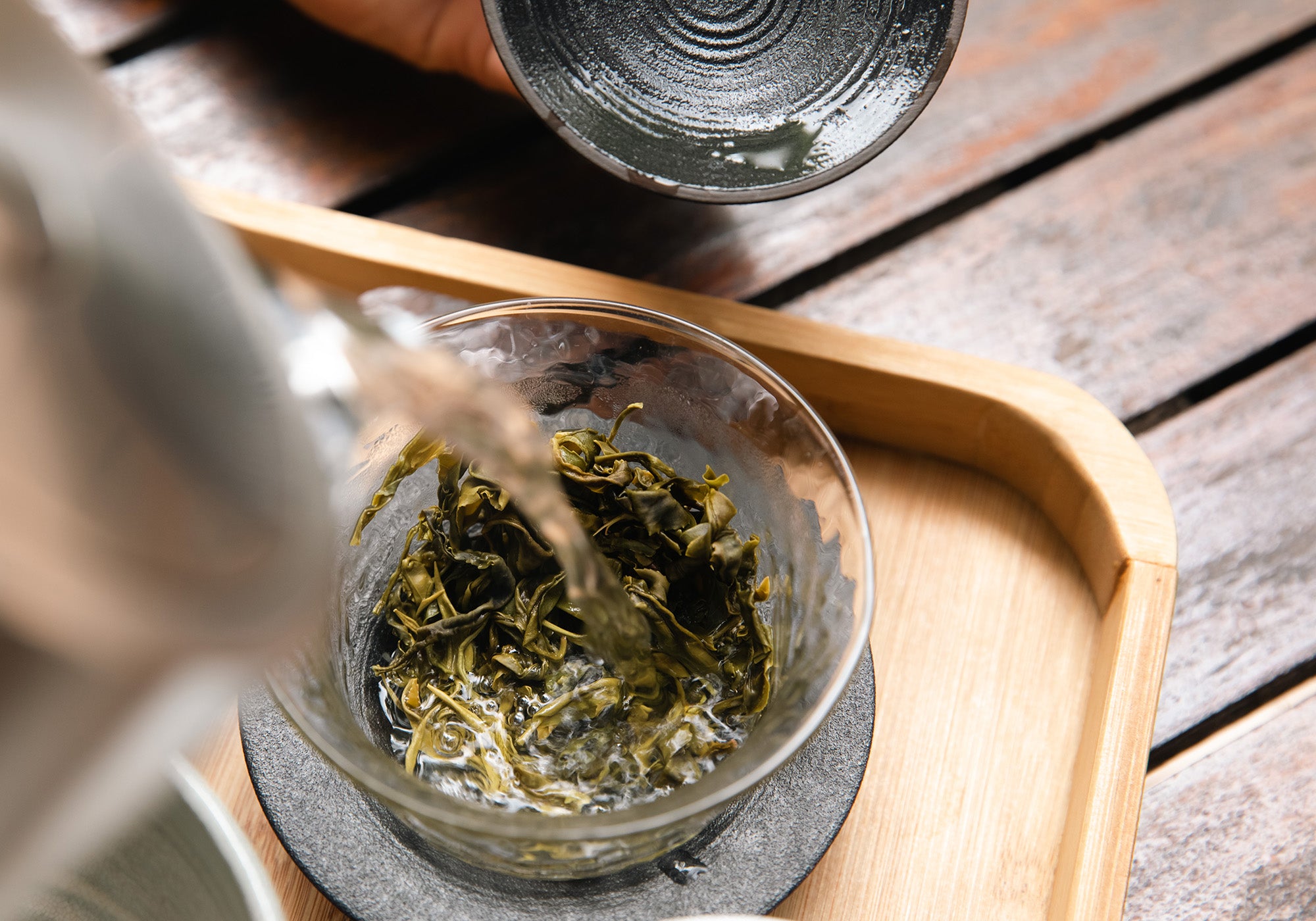
Tea from Fornelo has its own signature. The green teas combine freshness with minerality, while the small volumes of oolong surprise with roasted depth. The Atlantic climate, with its wind, moisture, and mineral soils, is present in every cup.
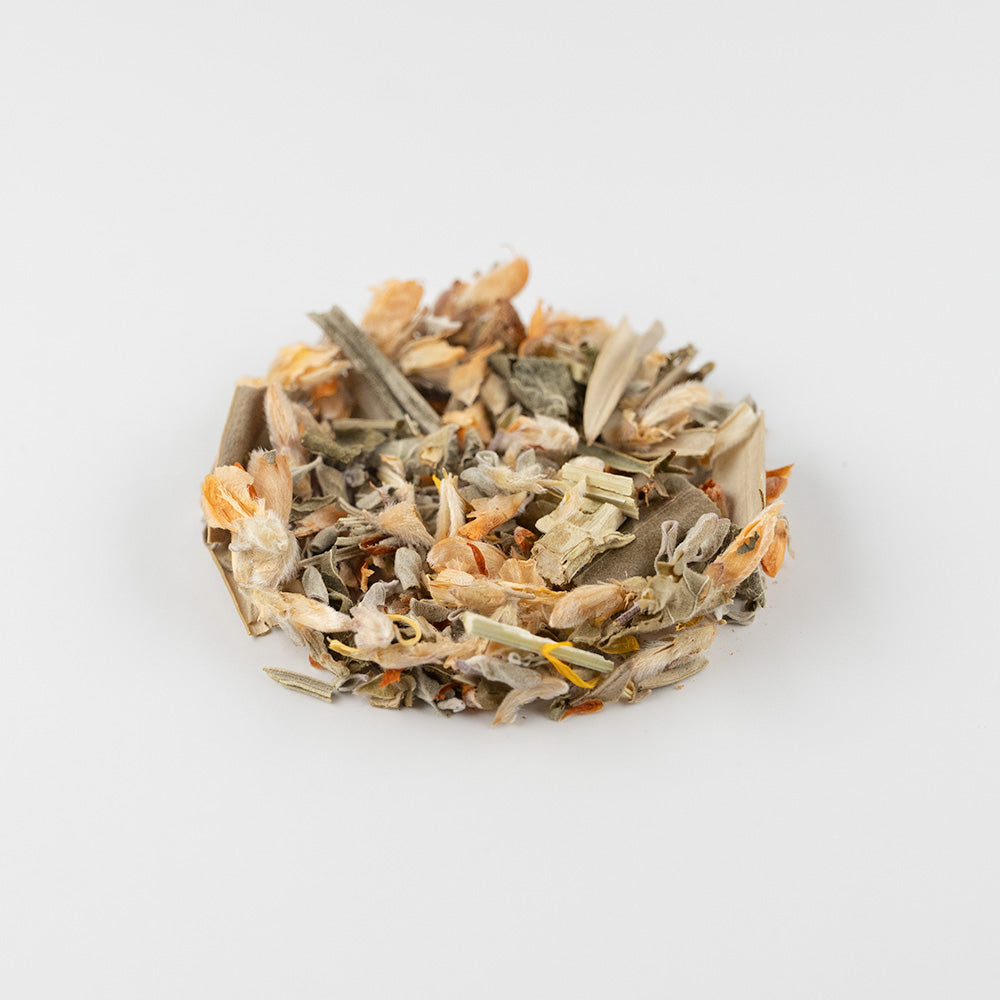
The garden also produces herbal infusions using local flowers and plants, linking Portugal’s long tradition of herbal teas with their new endeavour. The result is a collection that feels both innovative and rooted in place.
Our selection from Chá Camélia
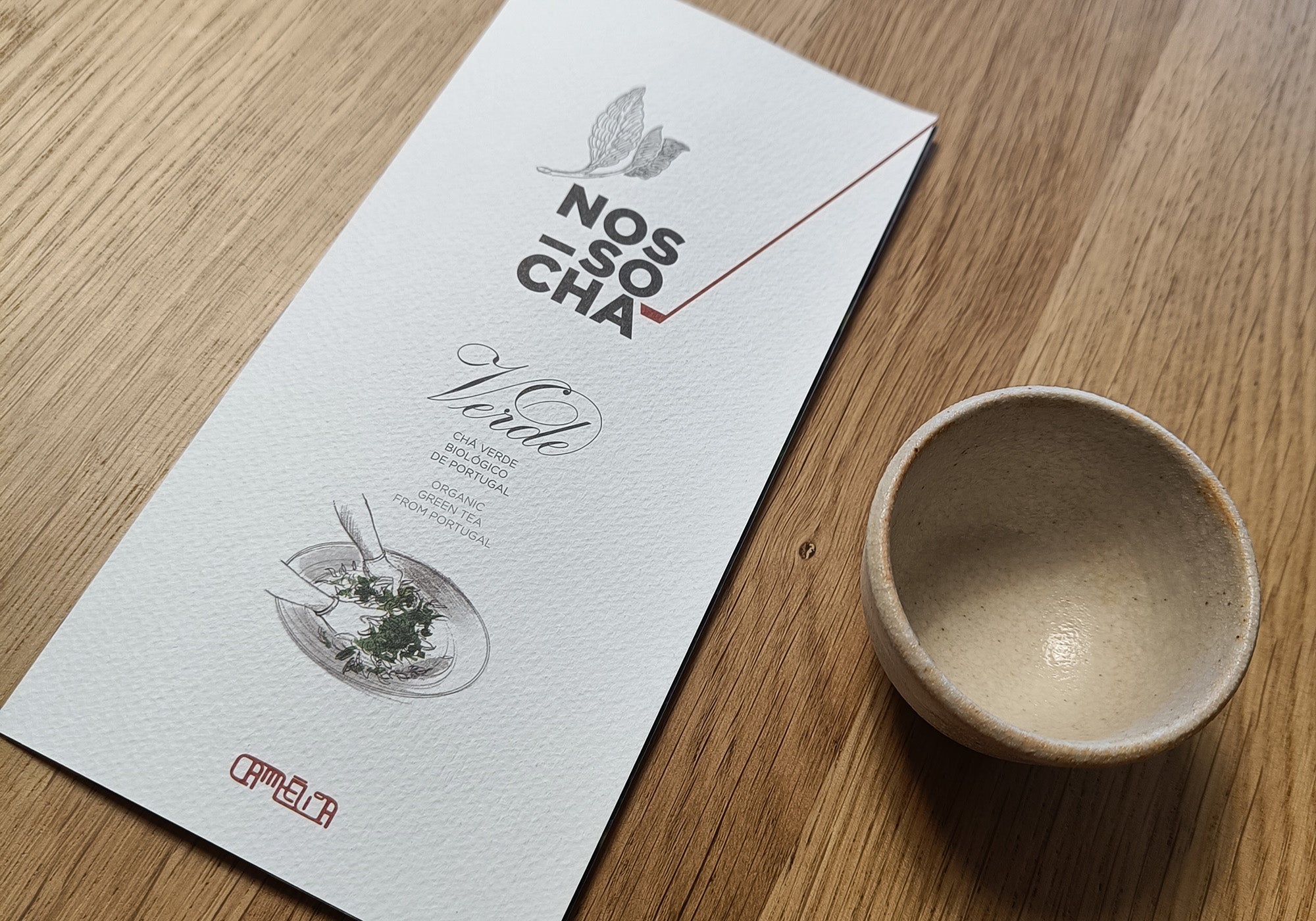
At Tea Kulture we offer several teas from Chá Camélia, including Pipa Cha, Dancing Flowers and Nosso Cha.
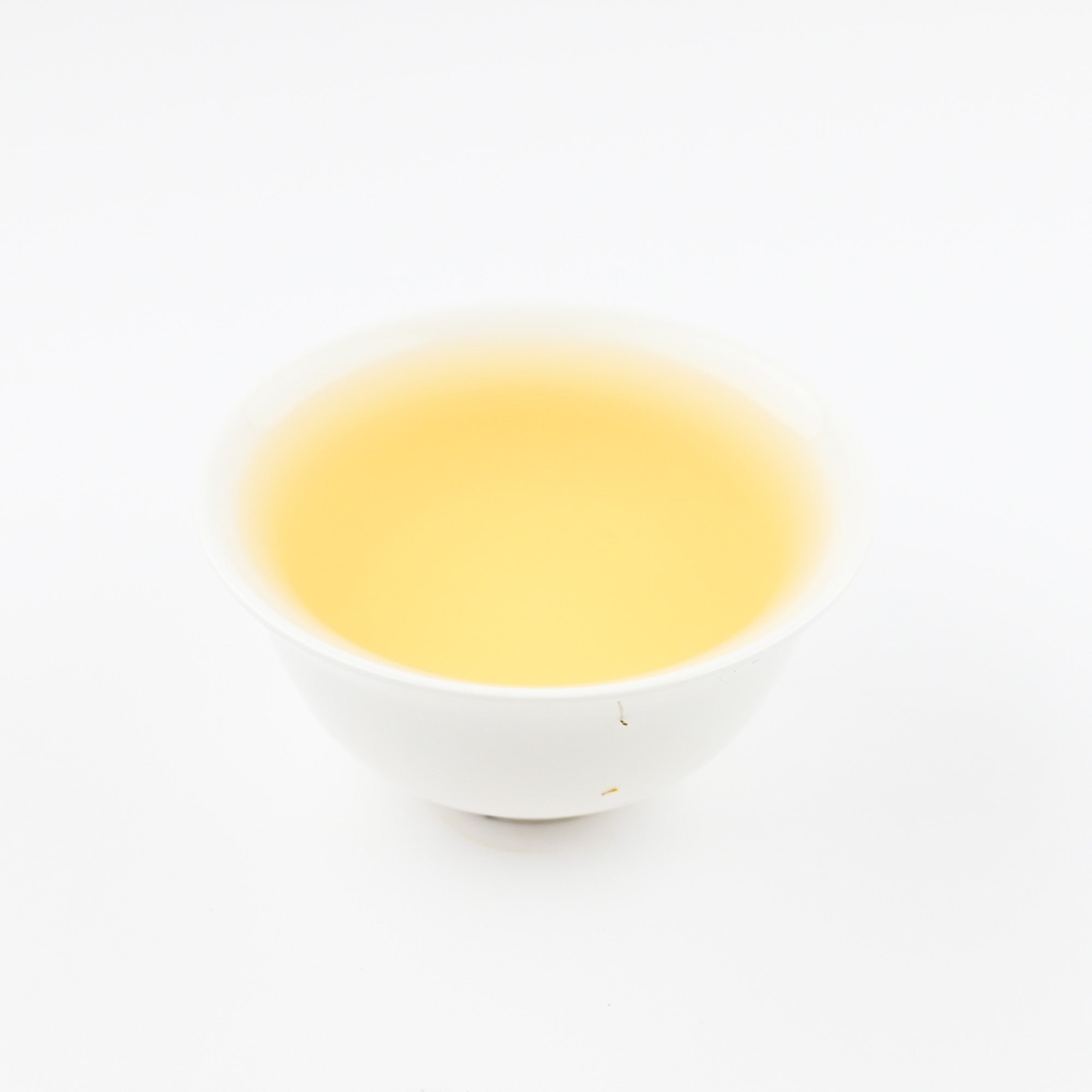
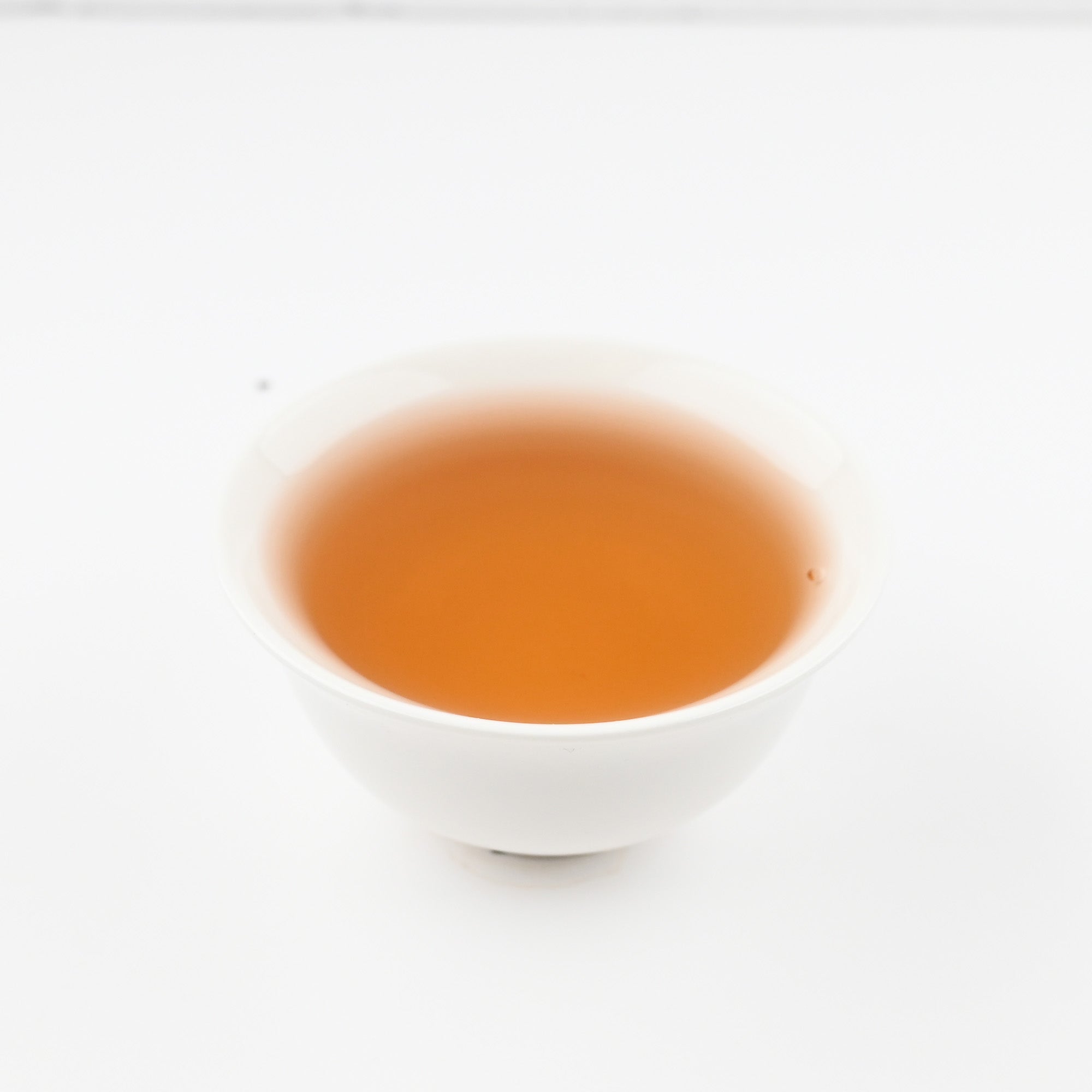
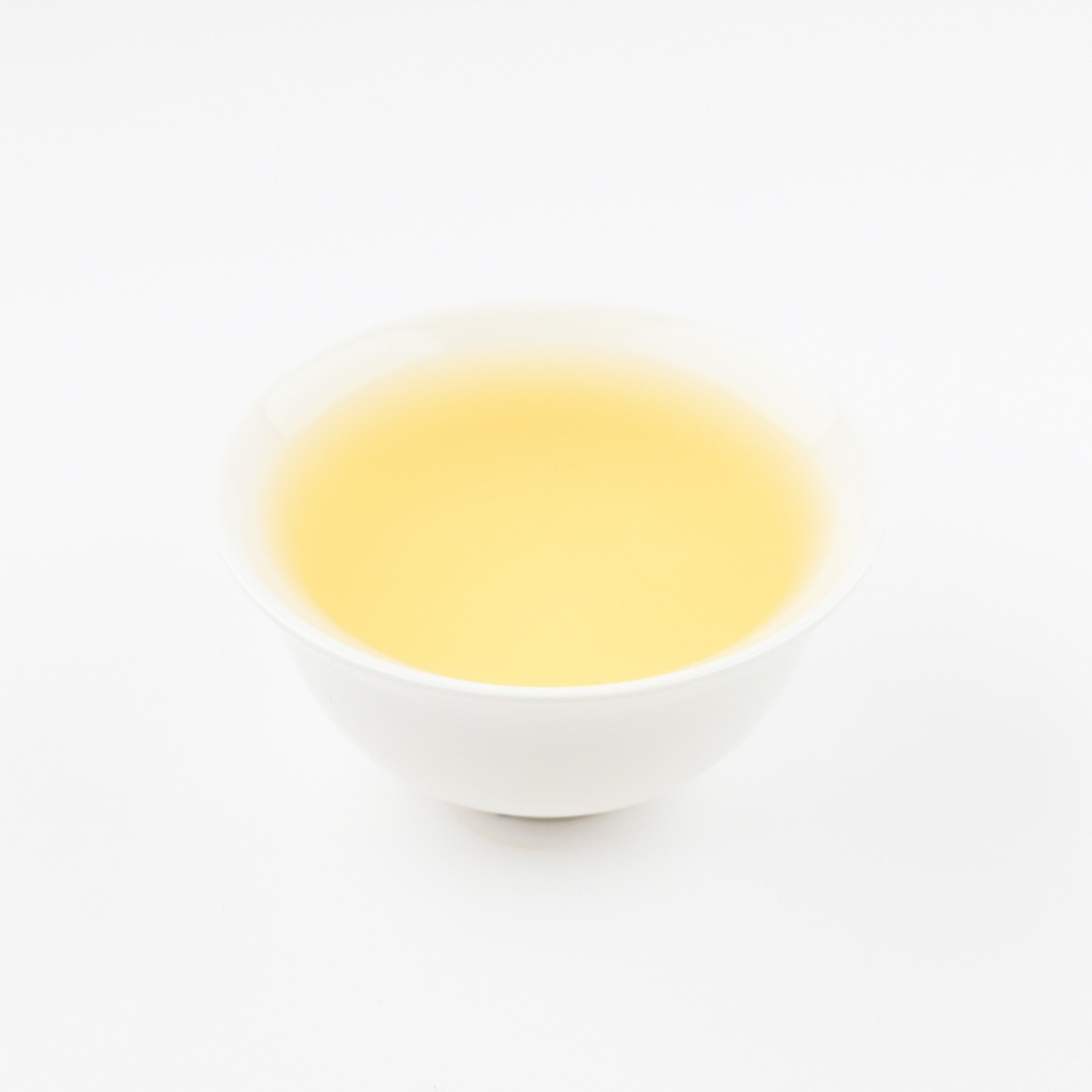
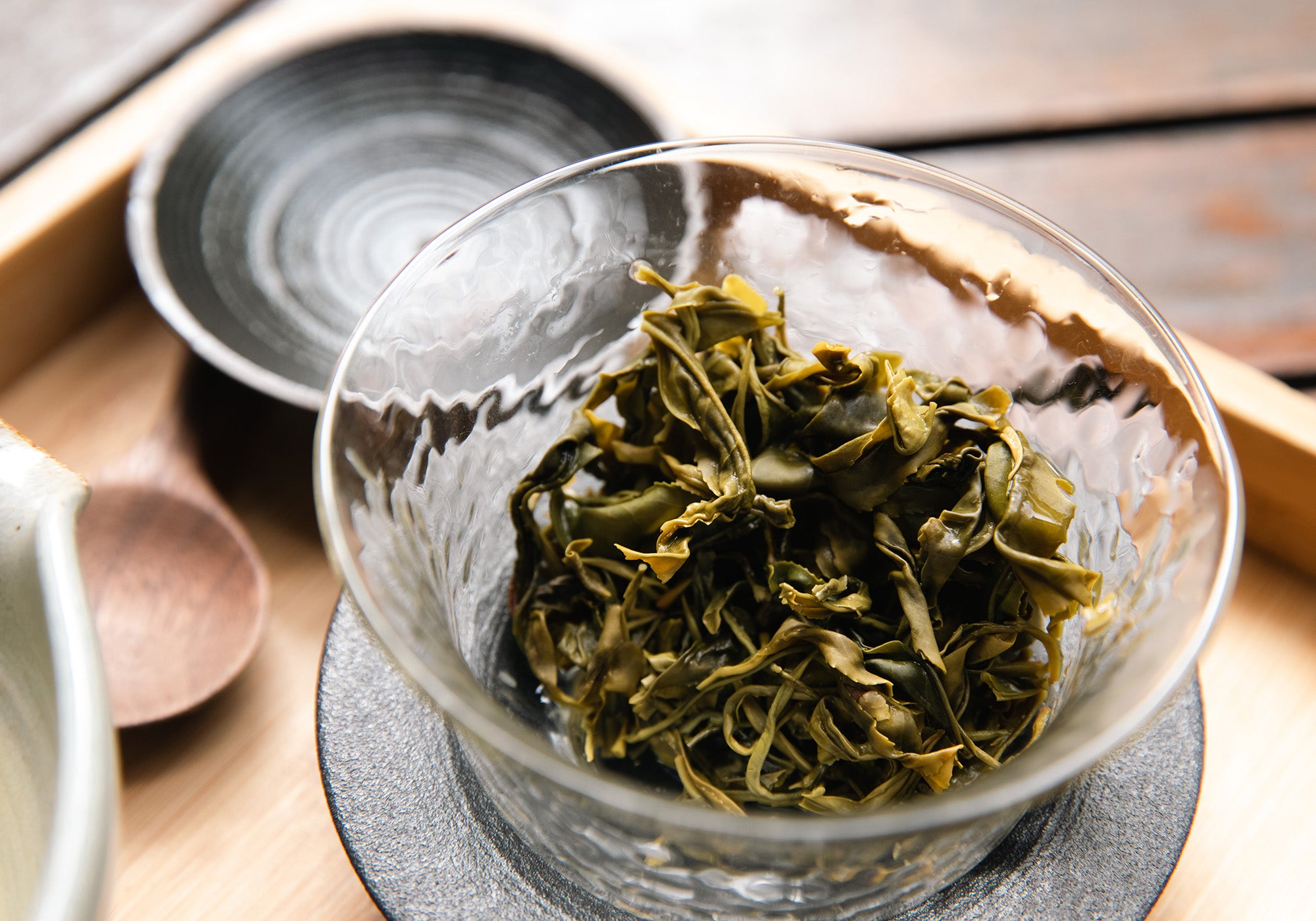
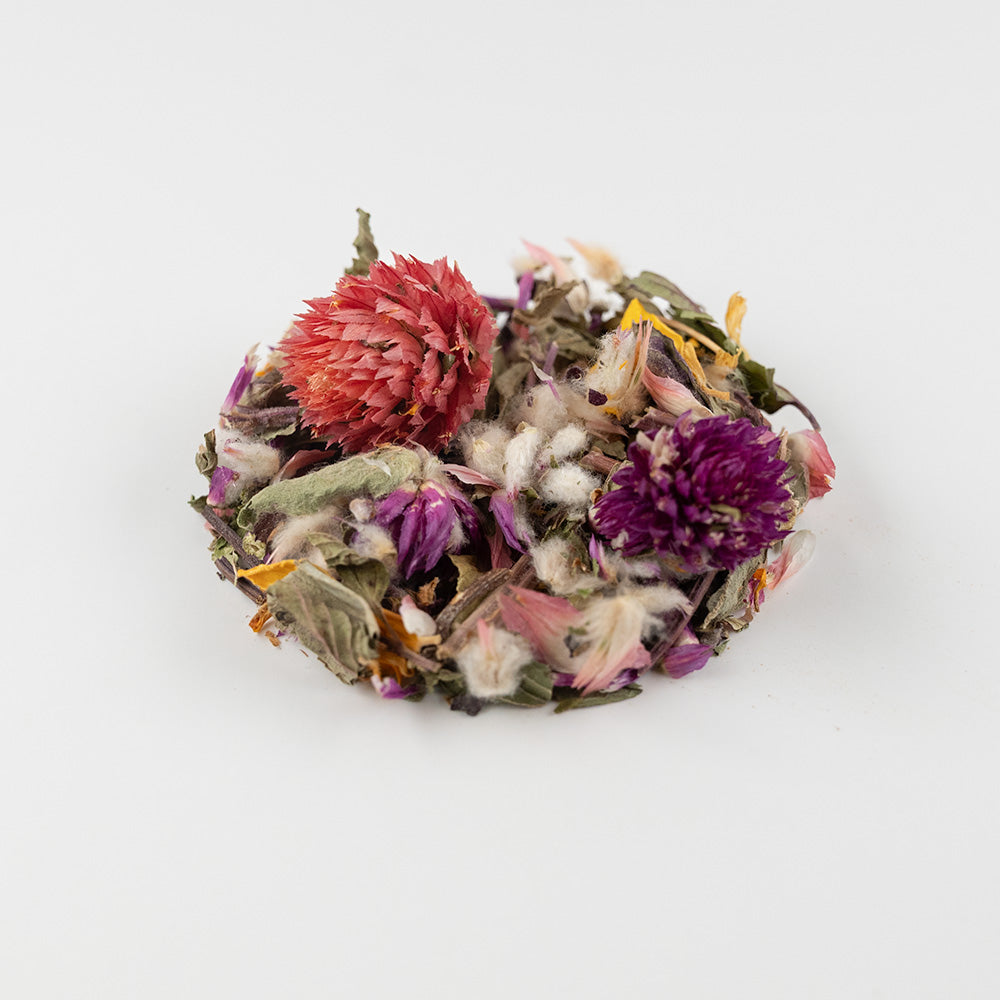
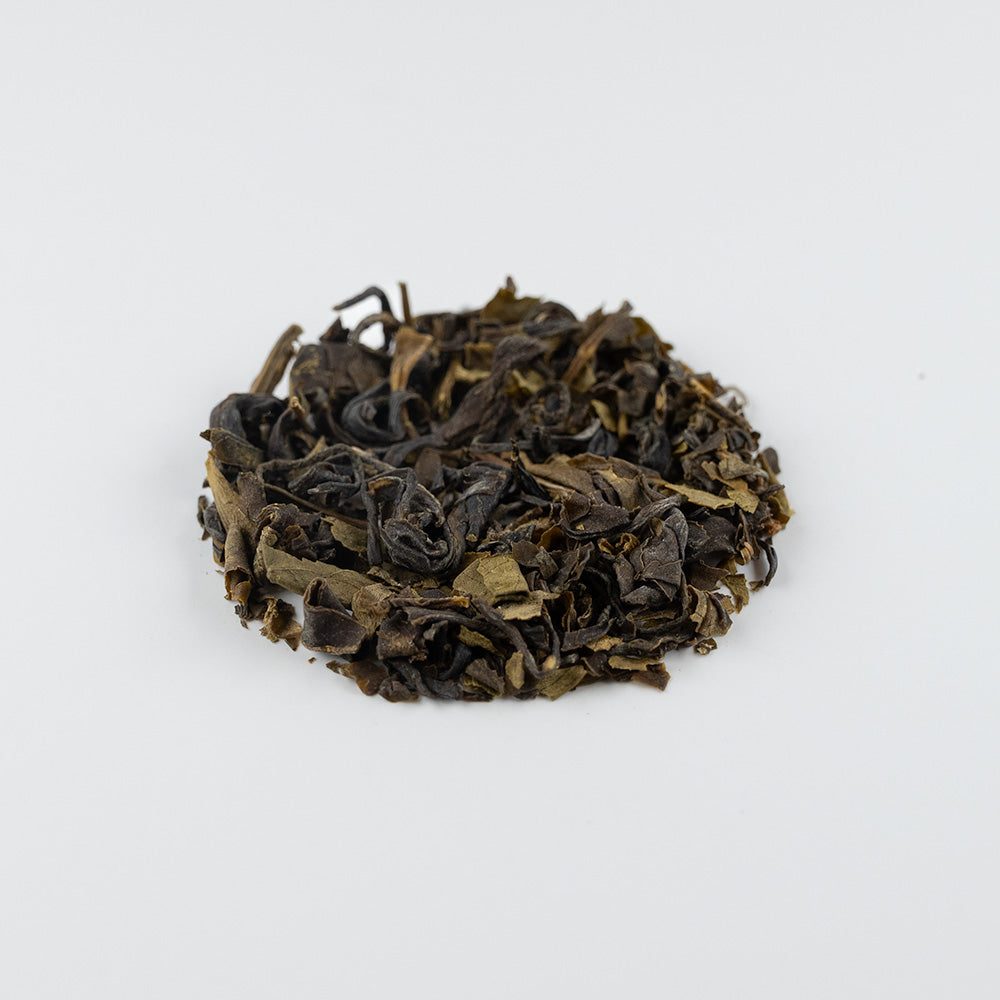
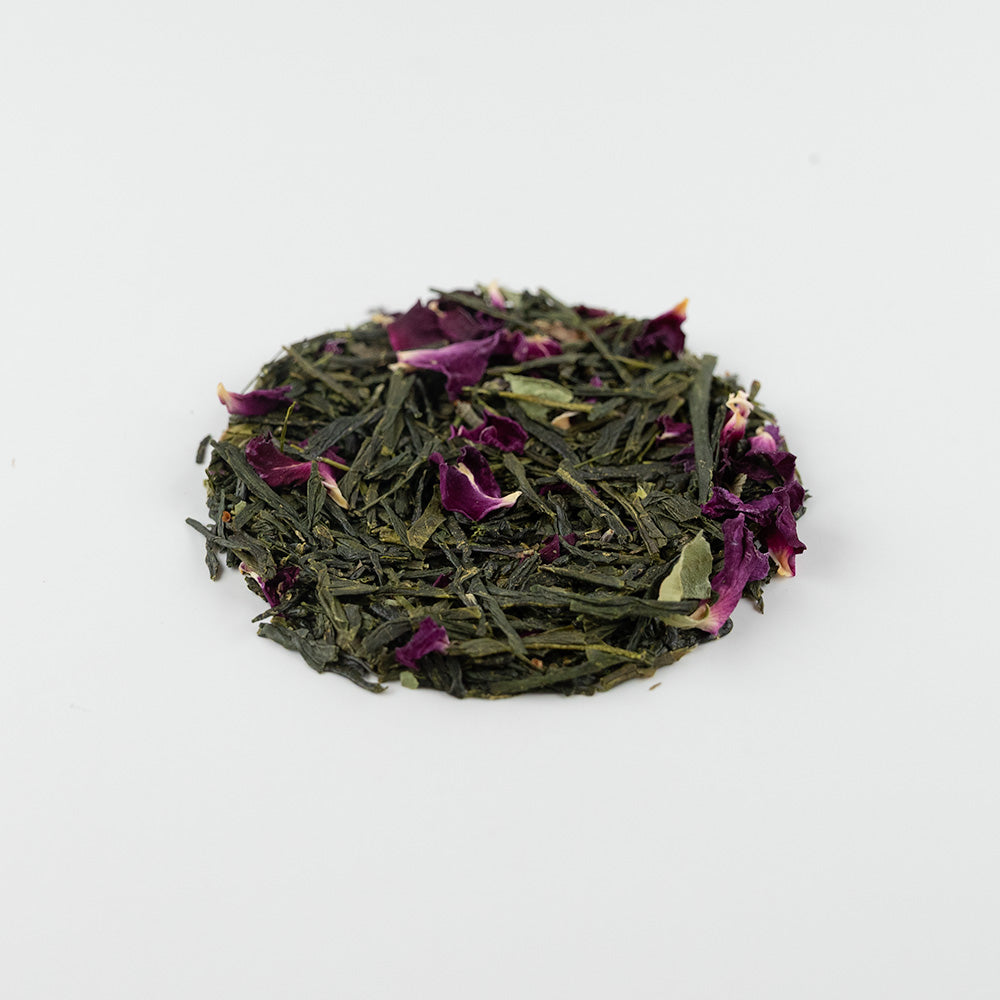
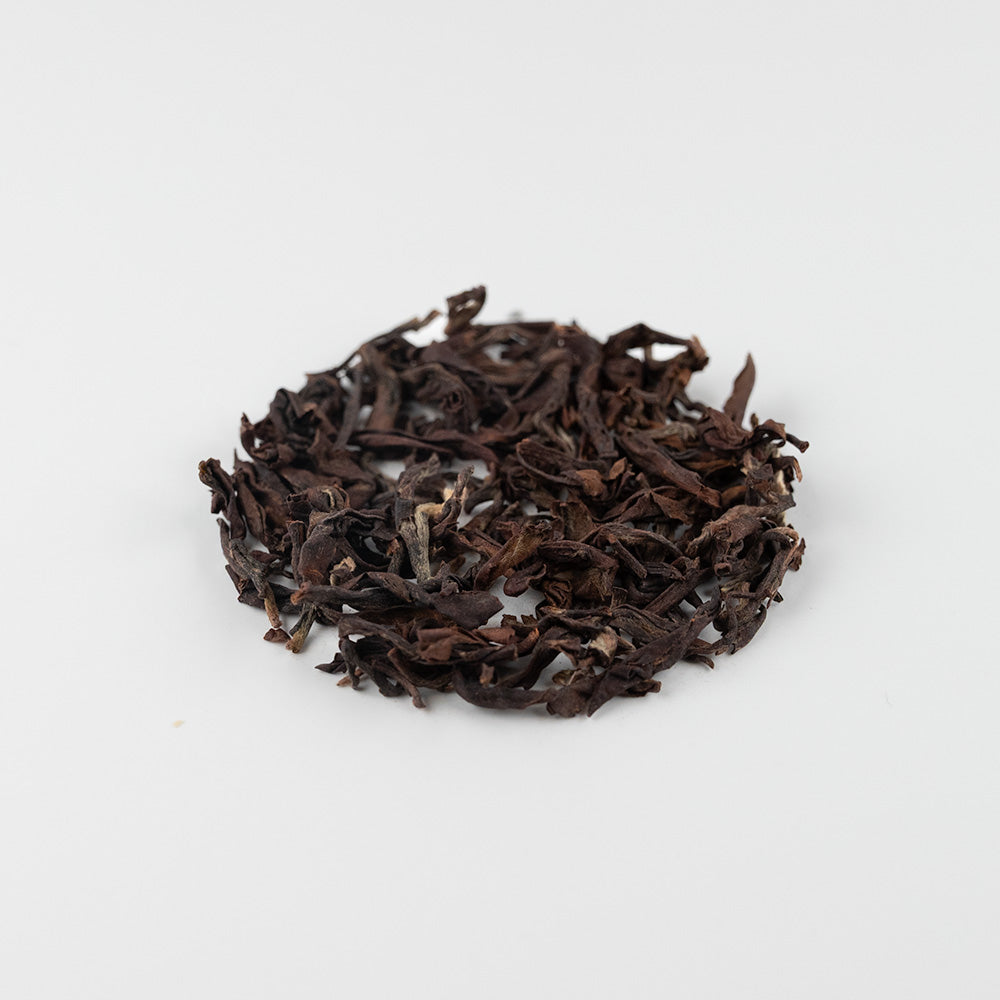
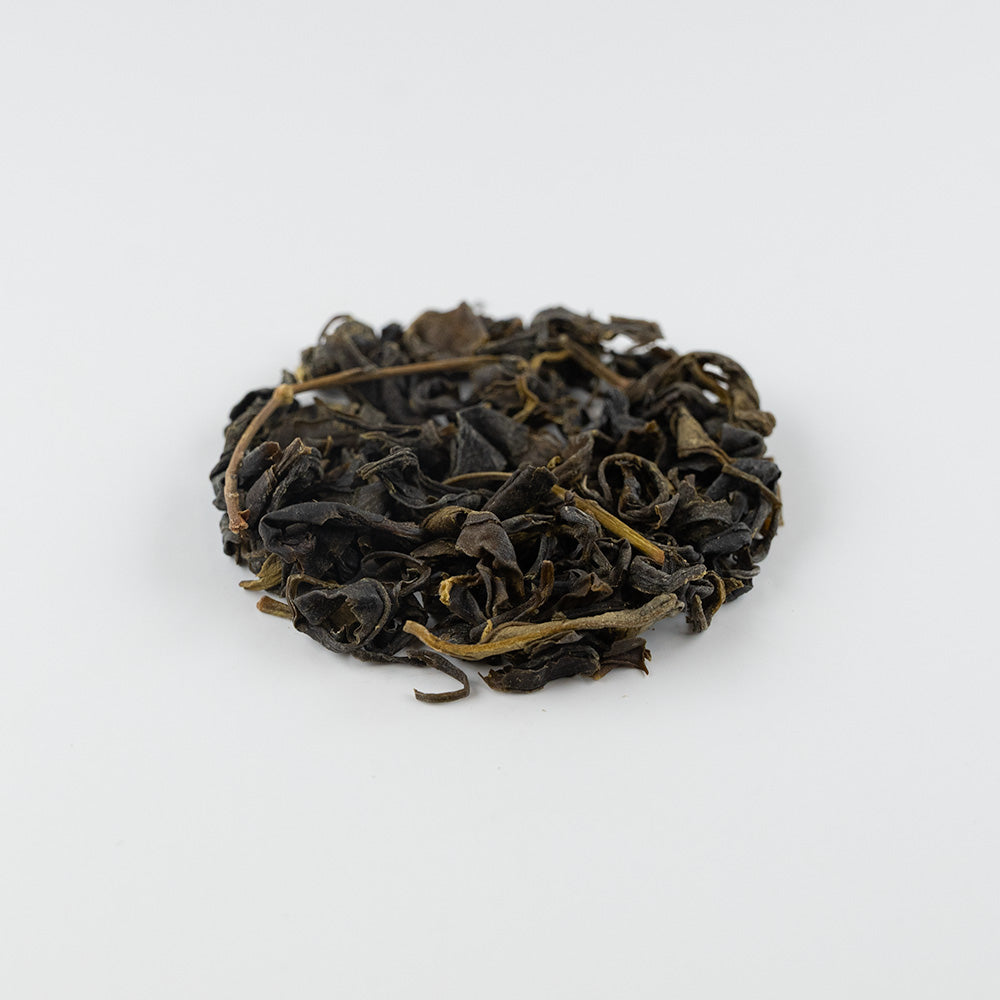
Pipa Cha is an oolong that has matured for several months in used port barrels from the Niepoort winery. During this period the leaves absorb subtle aromas of wood and dried fruit. Dancing Flowers is a colourful herbal infusion with cinnamon basil, peppermint, amaranth, calendula and sunflower petals. The infusion smells fresh and gently herbal. Nosso Cha is a green tea produced in small quantities using Japanese techniques. The infusion has a light saline note that reflects the Atlantic coastal climate.
International recognition
Chá Camélia soon caught the attention of tea professionals and culinary media. Today their teas are found in specialist shops and restaurants in Portugal, Germany, France, the United States, Macau, and Singapore. Around half of the harvest stays within Europe, showing how local tea can find its way to global markets.
The meaning for Tea Kulture
For Tea Kulture, working with Chá Camélia is a natural choice. The project shows how tea can stay true to origin, land, and people. It is not about mass but about authenticity and craft. The Portuguese garden proves that Europe can grow fine teas without relying solely on imports.
By combining tradition with innovation, Chá Camélia demonstrates how sustainability and quality go hand in hand. For Tea Kulture, that is exactly the message we want to share.
Chá Camélia is more than a garden. It is a vision brought to life by two people who dared to dream.
Free Delivery
From €50 in BE and NL.

Pickup Available
In Zonhoven and Hasselt (BE).

Fast Shipping
Within 2-3 business days.

Secure Payment
Multiple payment options.