

Free Delivery
From €50 in BE and NL.

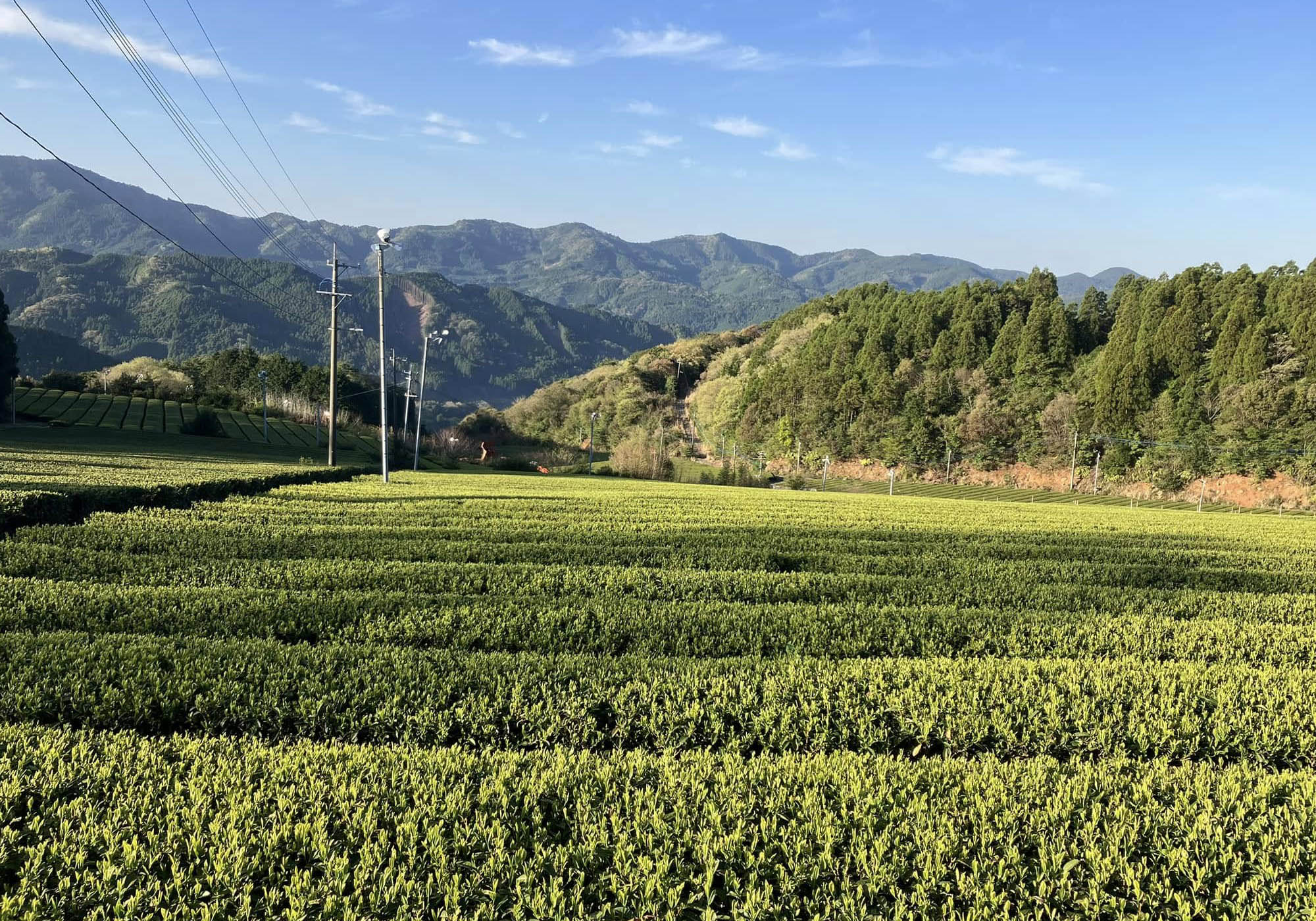
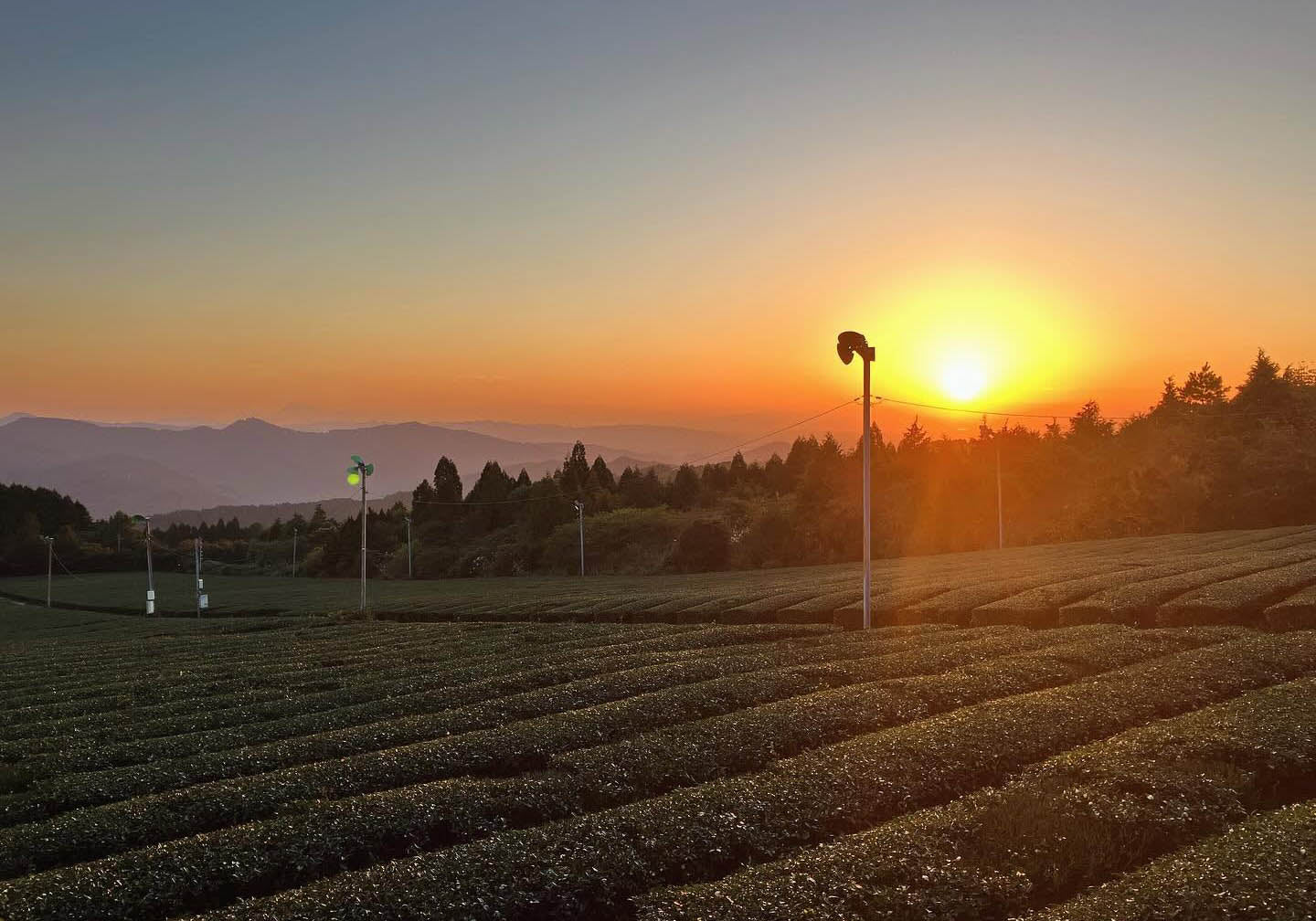
The Japanese village of Hoshino, on the border with Oita prefecture, forms part of Yame, one of Japan’s best-known tea regions, on the island of Kyushu in the south of the country. Here, Akihito Takaki is one of the few tea farmers who still makes gyokuro using the most demanding and traditional method Japan has to offer.
Gyokuro is a green tea shaded from direct sunlight for weeks before harvest. That shade slows the formation of bitter compounds and boosts the ones responsible for umami. The result is a tea that tastes sweeter than, for example, sencha, the green tea most Japanese people drink daily.
A family, four generations
Takaki is the fourth generation of his family to work this field. He was born in Hoshino in 1973, the family’s first son. After secondary school in Yame, he moved to Vancouver, Canada, where he studied business for seven years. He took over his father’s business in 1999.
That combination, a childhood spent among the tea bushes and years lived abroad, still shows in how Takaki runs his business today. He grows, processes and sells his tea himself, without intermediaries, supplying customers directly in a large number of countries worldwide.
Sumaki
Tea has been grown in the mountains around Yame for centuries. The story goes back to 1423, when the Japanese monk Eirin Shuzen returned from a journey to China carrying tea seeds. He founded the Reiganji temple in nearby Kurogi and taught the local population how to grow tea from those seeds. Gyokuro did not appear in Hoshino until much later, around 1904, when a local farmer brought techniques from Uji, near Kyoto, long one of Japan’s most celebrated tea regions, back to his own village.
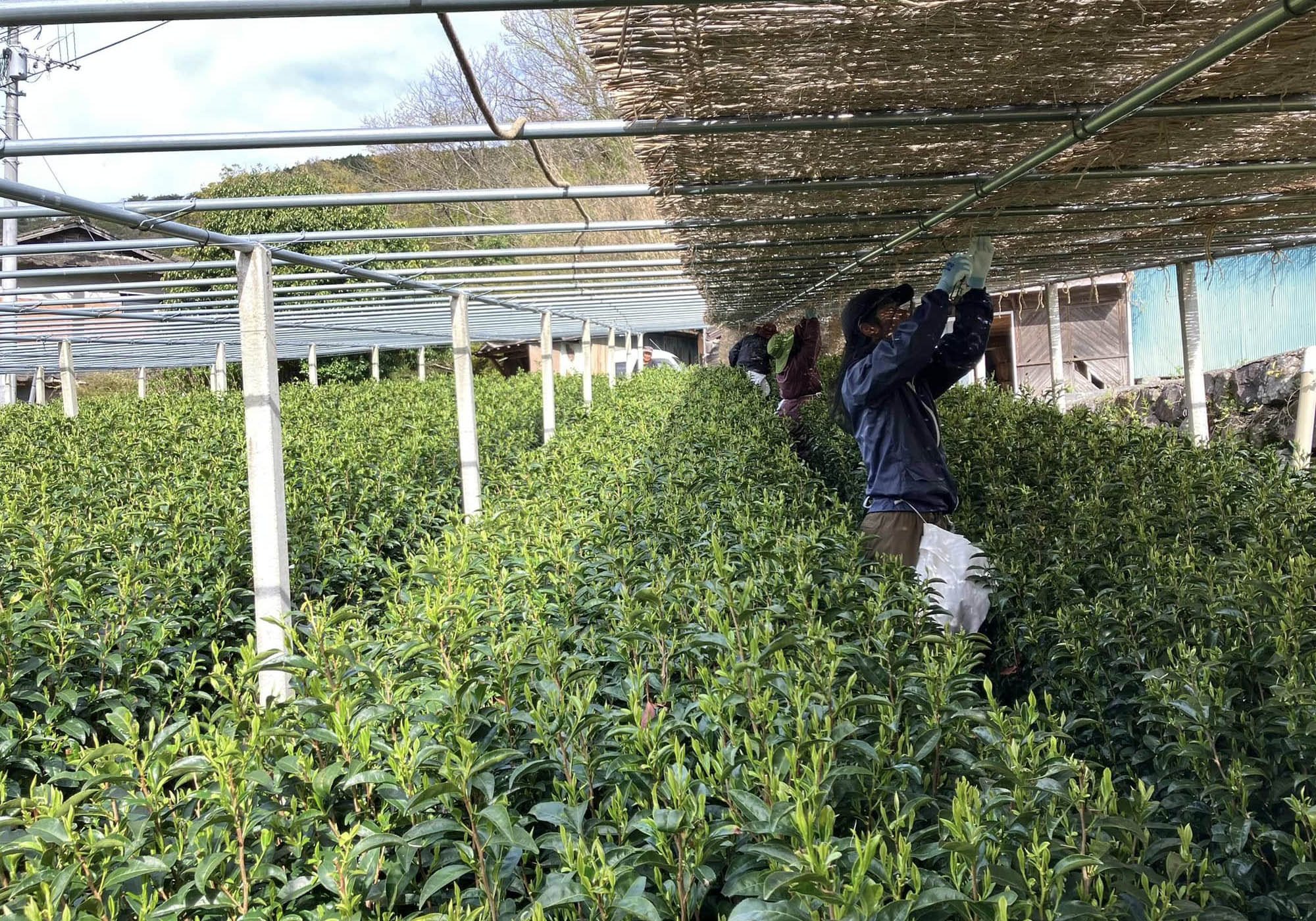
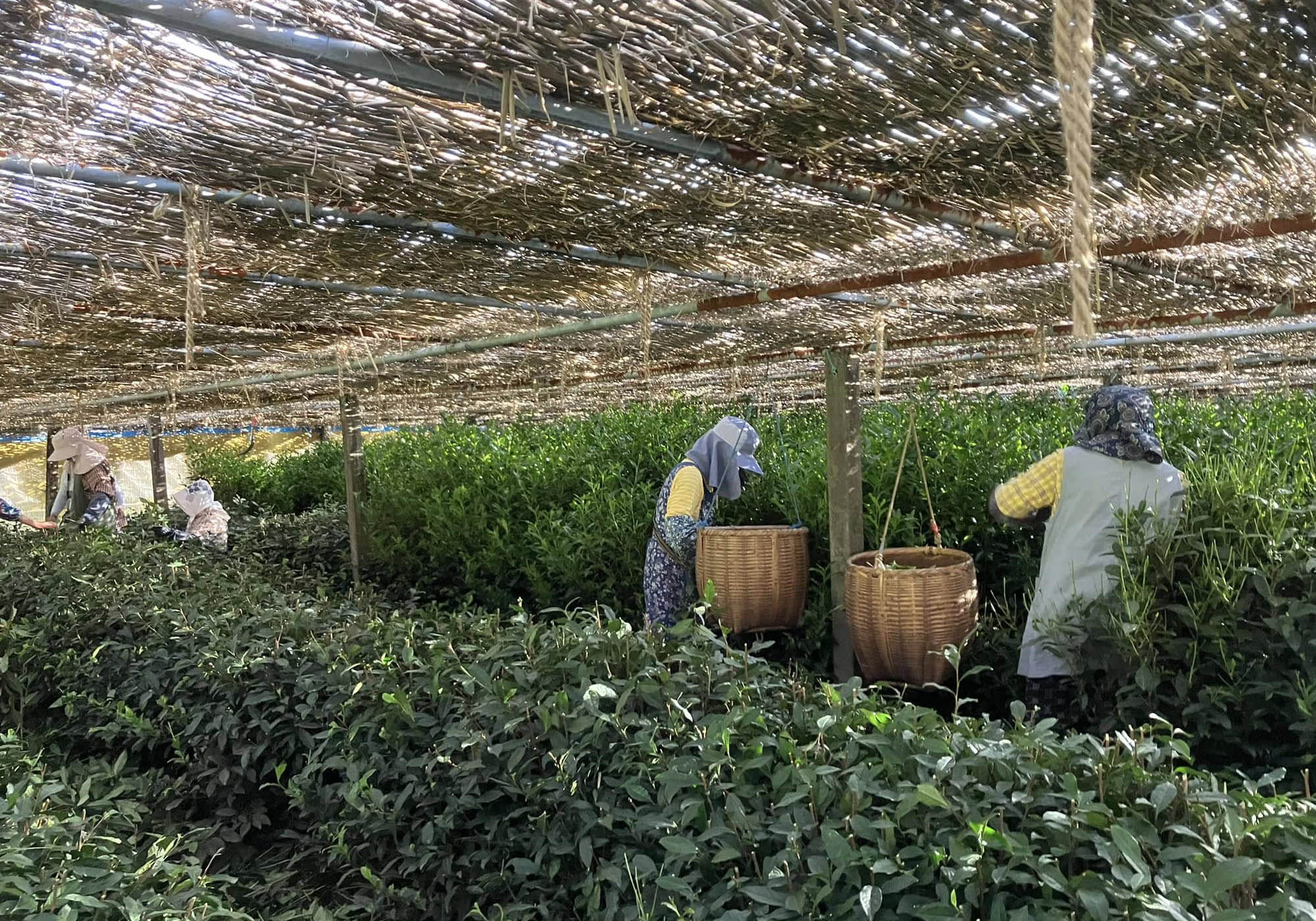
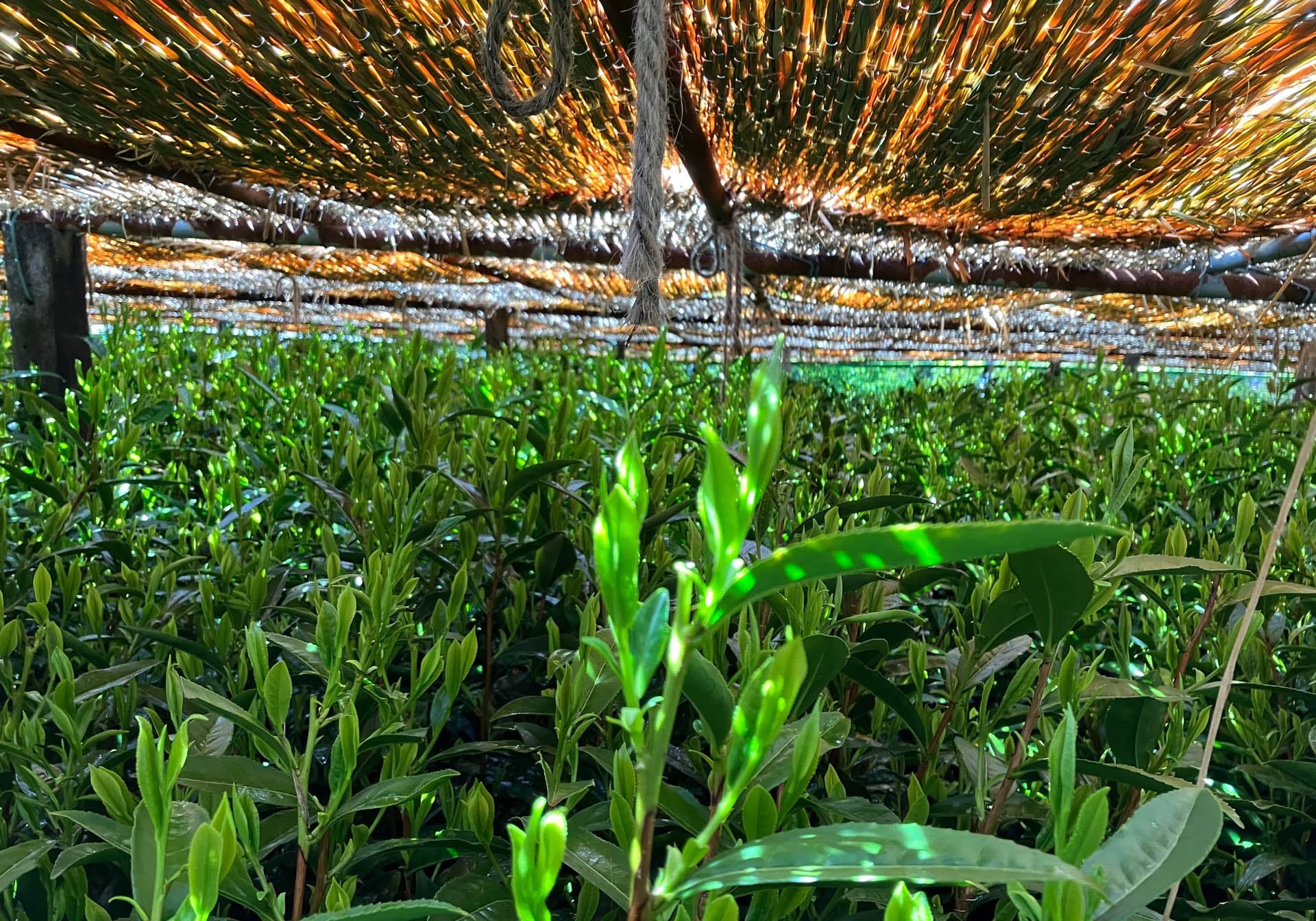
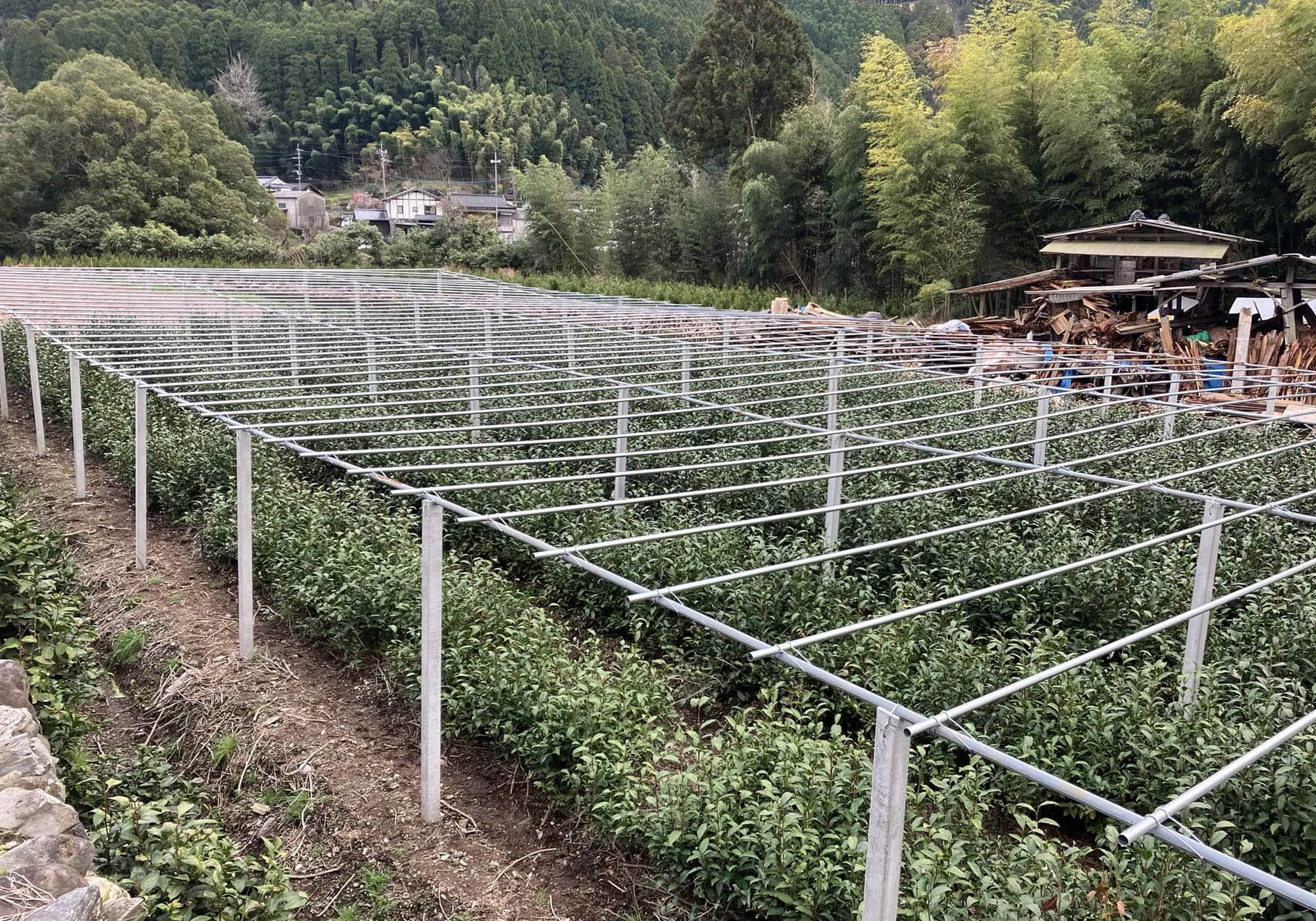
What has set Hoshino apart ever since is the way the bushes are covered. Most gyokuro producers in Japan use black synthetic cloth. In Hoshino, they still use sumaki, coarsely woven mats made of rice straw.
Natural growth
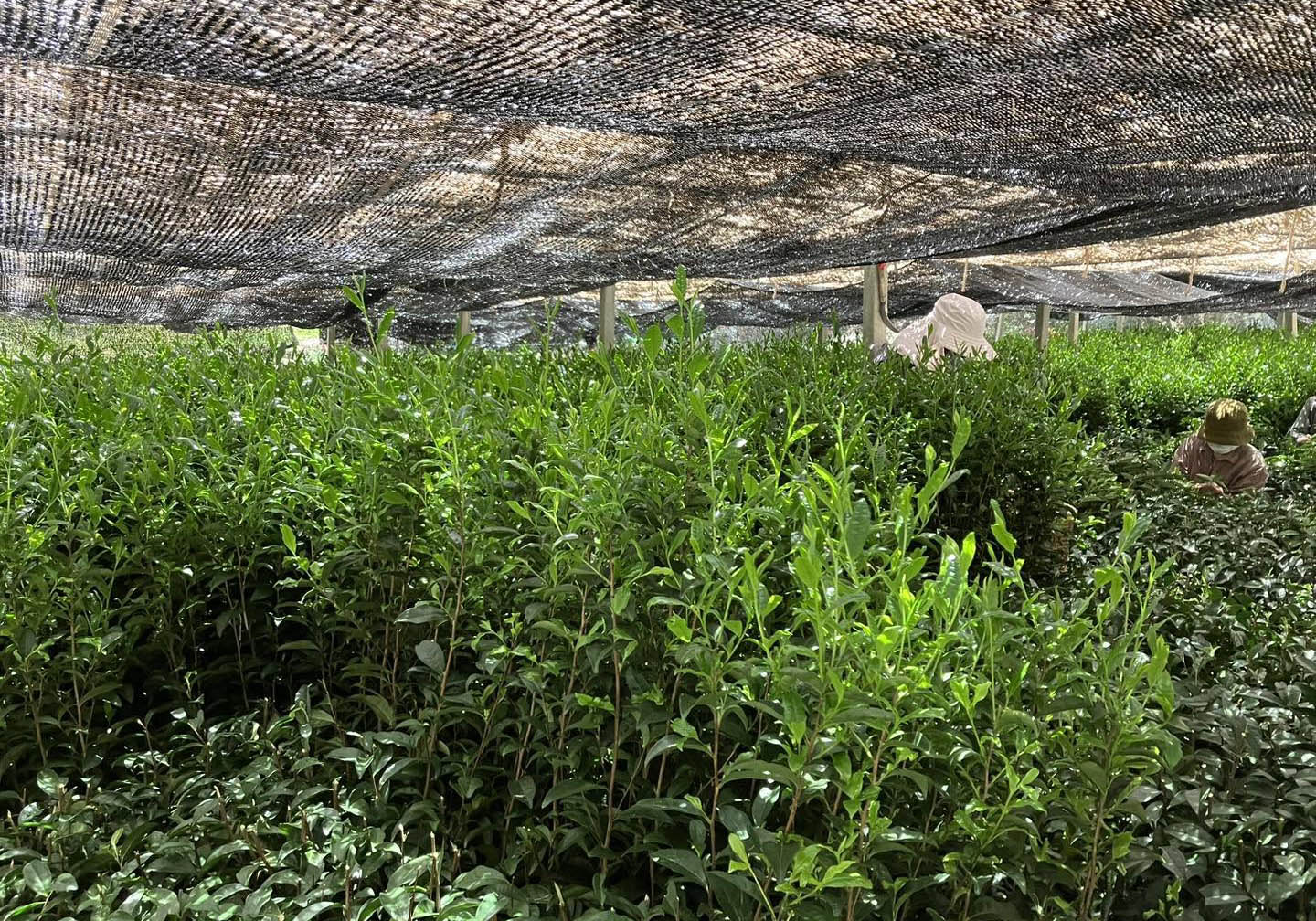
Under rice straw, conditions are warmer and more humid than under synthetic cloth. That microclimate proves more favourable for the growth of the tea buds and gives the leaves a stronger aroma.
The bushes are also not pruned into the tight, rounded shape common elsewhere in Japan. They are left to grow naturally, so that every young shoot gets enough nourishment. In Yame, this combination has its own name: dento hon gyokuro, literally “traditional, authentic gyokuro”. It is the heaviest, most labour-intensive category within gyokuro, a tea that already demands a great deal of work, and the leaves are hand-picked as well.
Work in the field
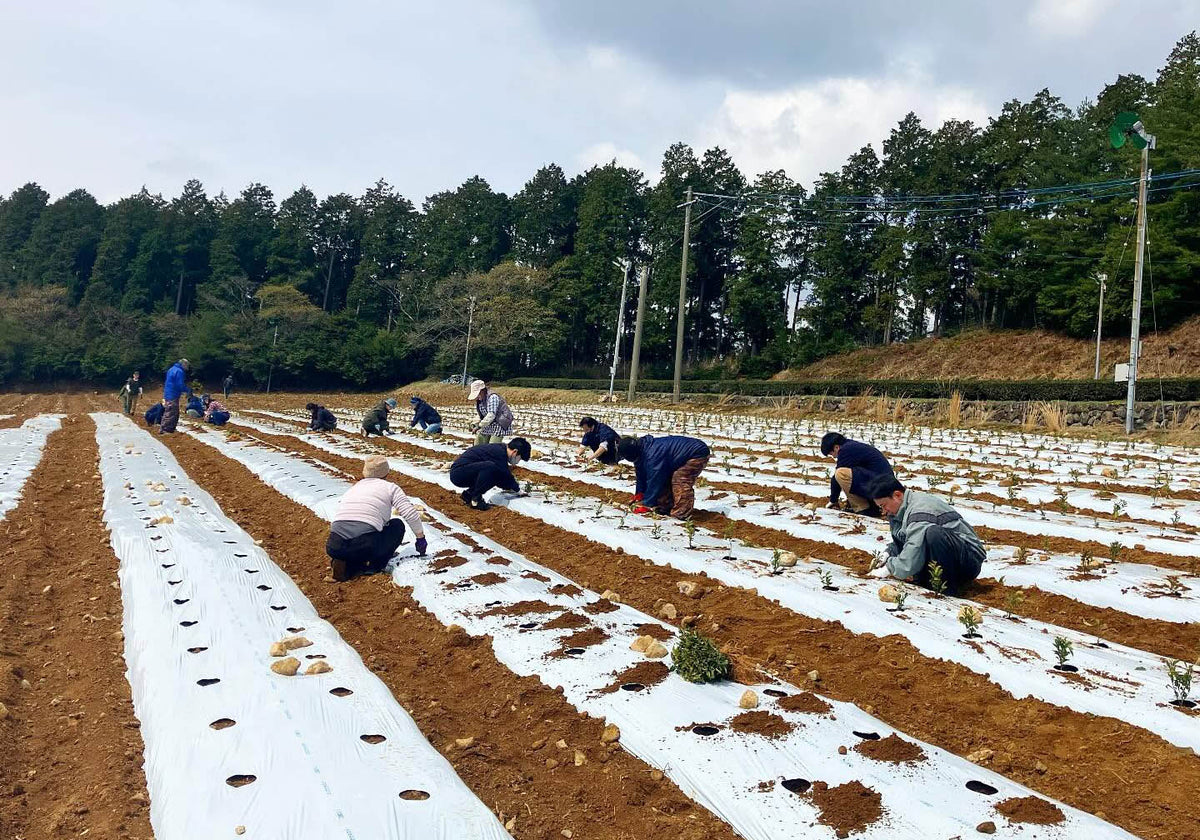
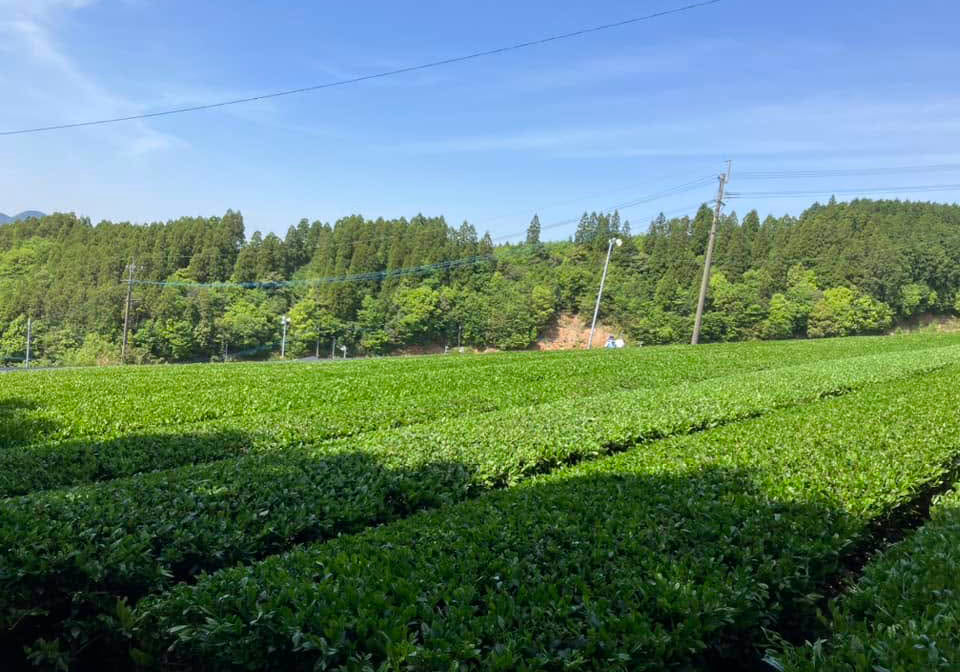
For Takaki, everything comes down to a number of choices that take time. His field lies in the Nagao district of Hoshino, close to the river running through the village, where he uses only pure organic fertiliser. His conviction is that good tea starts with good soil.
Picking itself is done entirely by hand, often by older women from the area. They lift the rice straw mats and select only the youngest, softest leaves.
Afterwards, the leaves go to the small factory on the estate, where they are steamed, rolled and dried, the same basic steps used for sencha.
Tea from Hoshino-cha in our range
In Tea Kulture’s range you will find three green teas from Akihito Takaki.
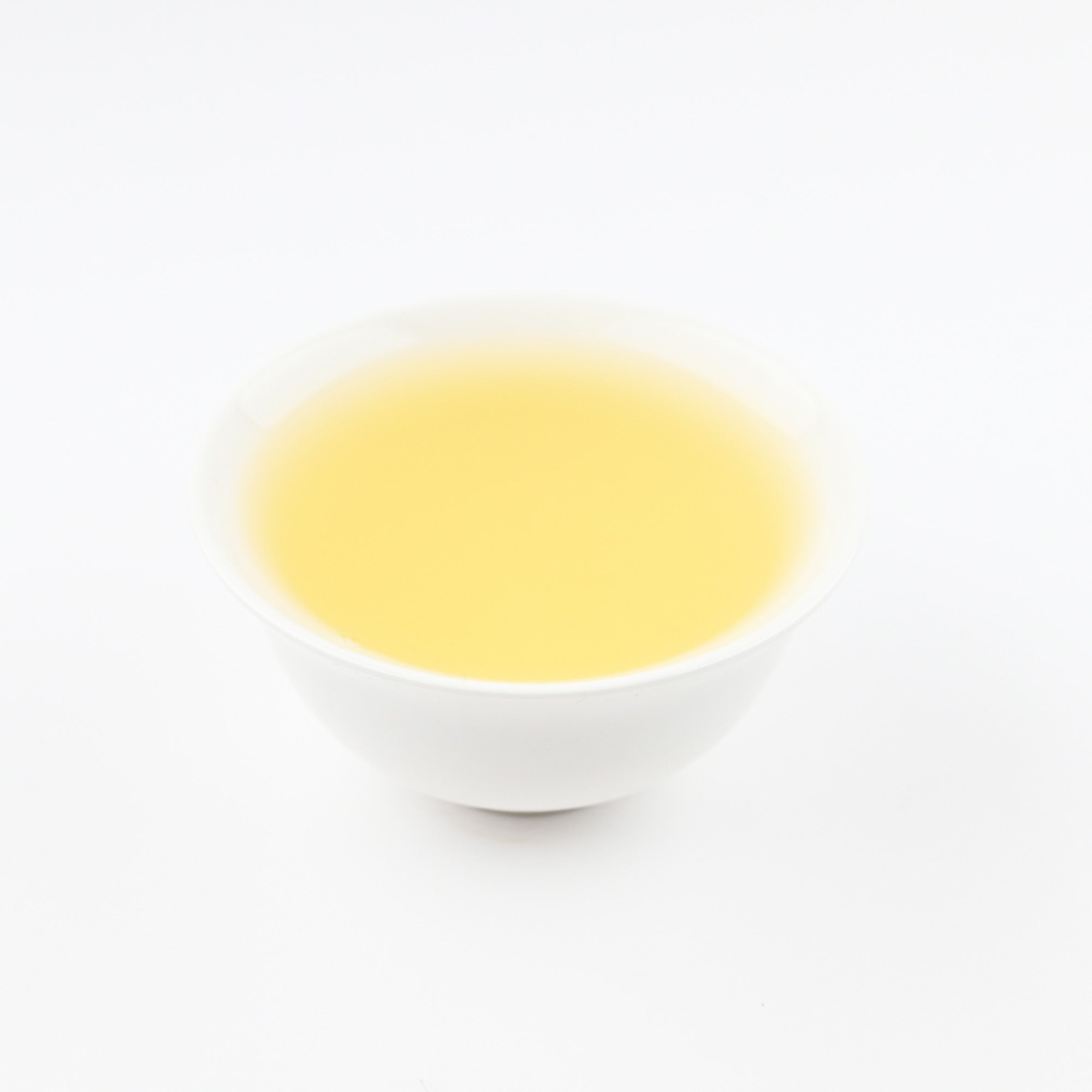
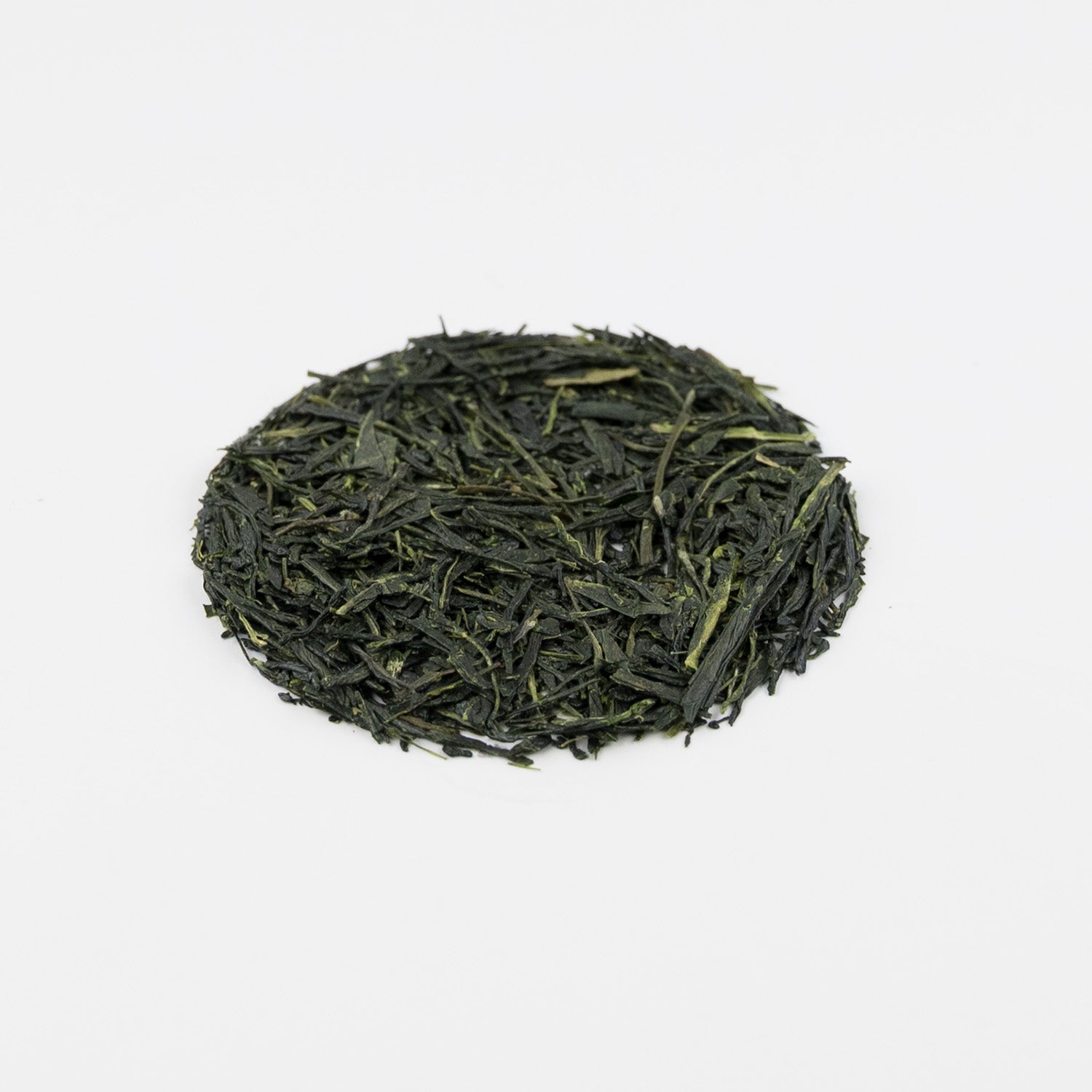
Gyokuro Goko is a green tea from the Gokou cultivar. The bushes are shaded with sumaki for weeks. The infusion has notes of citrus and blossom, with an intense umami and grassy sweetness. Kabusecha Tsuyuhikari is Takaki’s award-winning kabusecha, made from the Tsuyuhikari cultivar. The bushes are shaded from sunlight for one to two weeks before harvest. The aroma is fresh with a hint of blossom, the taste mild and sweet. Sencha Okuhikari comes from a late-harvested cultivar, a cross between Yabukita and Chinese tea bushes. Unlike most sencha from Yame, it grows unprotected in the sun, with a light, sweet aroma and spicy notes with a hint of citrus.
Cultivars with their own character
Much like wine grapes, the tea plant has dozens of cultivars and varieties, each with its own flavour profile. Takaki works with several cultivars rarely found elsewhere in Japan. For his dento hon gyokuro, he combines the cultivars Tousui and Okumidori: the former naturally gives a strong umami, the latter a fuller character. Blending the two creates a flavour found nowhere else.
He also grows Fujimidori, a rare cultivar found mainly in Hoshino. A different variety sharing the same name exists in Shizuoka, another well-known tea region further east in Japan.
Around 2020, Takaki also experimented with Hakusei, a rare “white-leaf” tea that arose from naturally mutated seedlings. He let the bushes grow for five years before producing tea from them.
Recognition for a rare craft
Dento hon gyokuro from Yame has carried a protected geographical indication since 2015, a government recognition guaranteeing that a product is made according to fixed, traditional methods within a defined region. For years, this was the only tea in Japan to hold such regional recognition.
Takaki’s kabusecha, a green tea shaded for less time than gyokuro, also won the platinum medal and first place in its category at the Nihon-cha Award, a national prize for Japanese tea.
Hoshino-cha and Tea Kulture
What Takaki does in Hoshino aligns closely with Tea Kulture’s values. He sells his tea directly, without intermediaries, and takes the time his craft demands.
In a village where fewer and fewer farmers still choose the traditional, labour-intensive way of making gyokuro, Takaki keeps that craft alive.
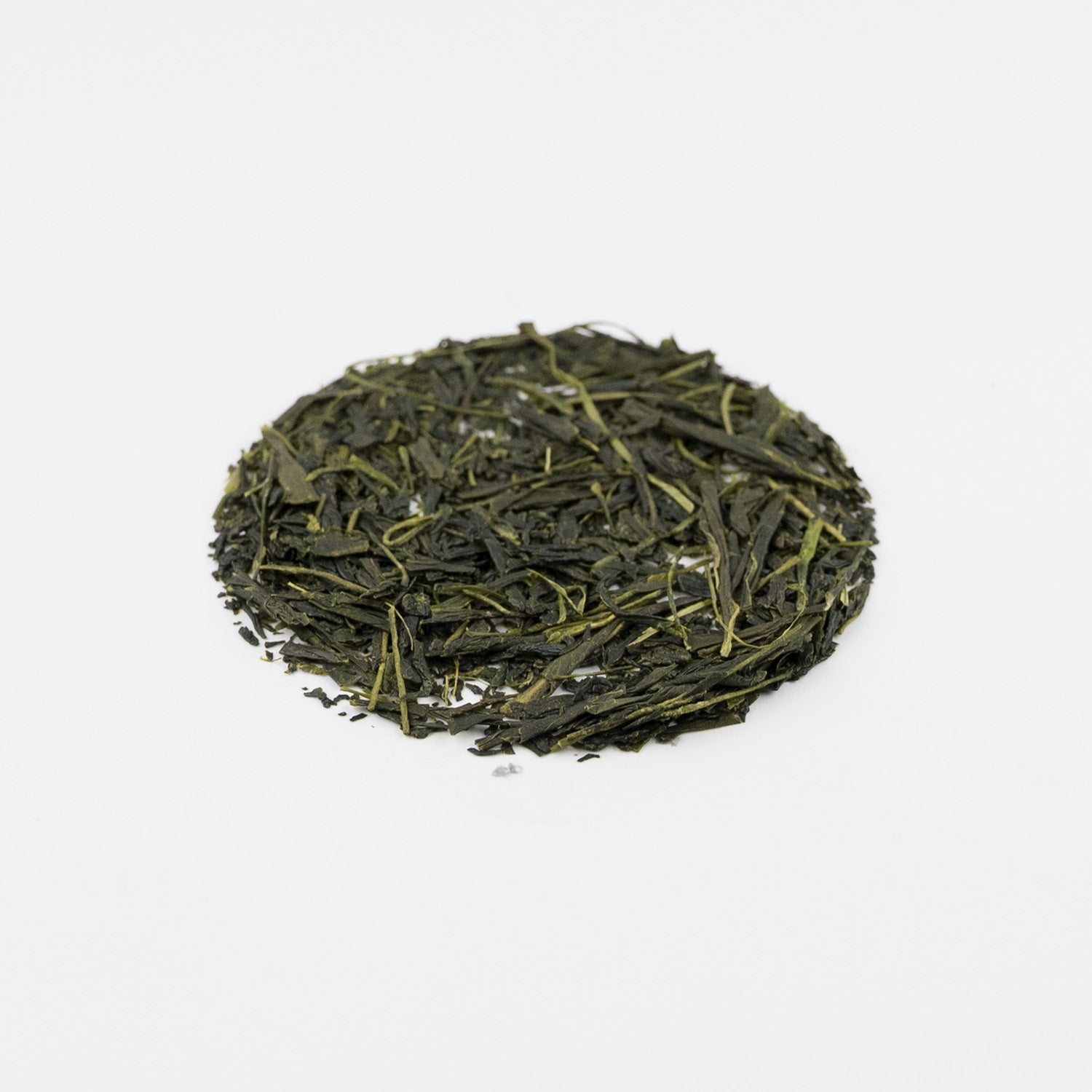
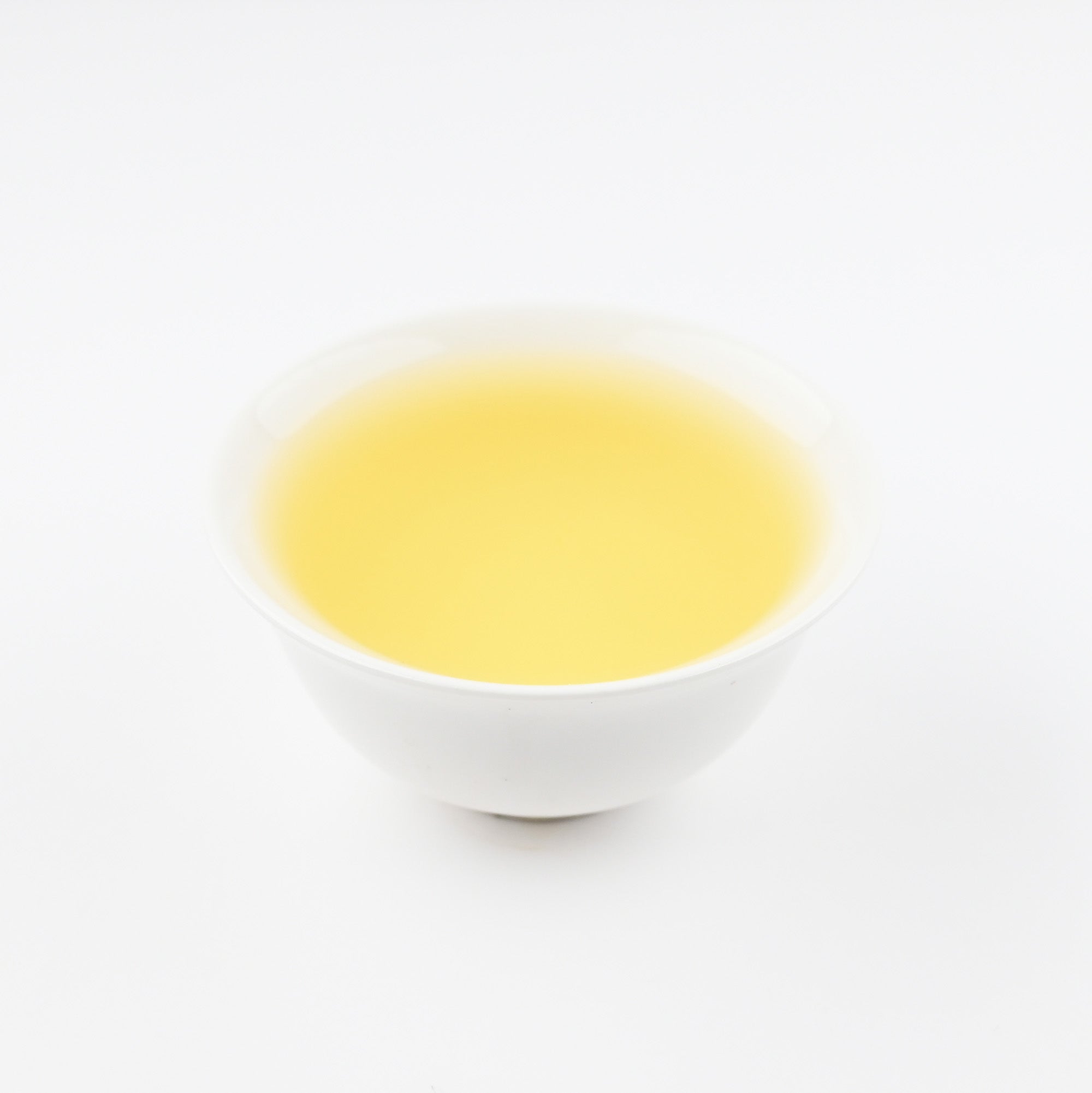
A green tea from Hoshino, Japan, shaded for weeks with rice straw mats.
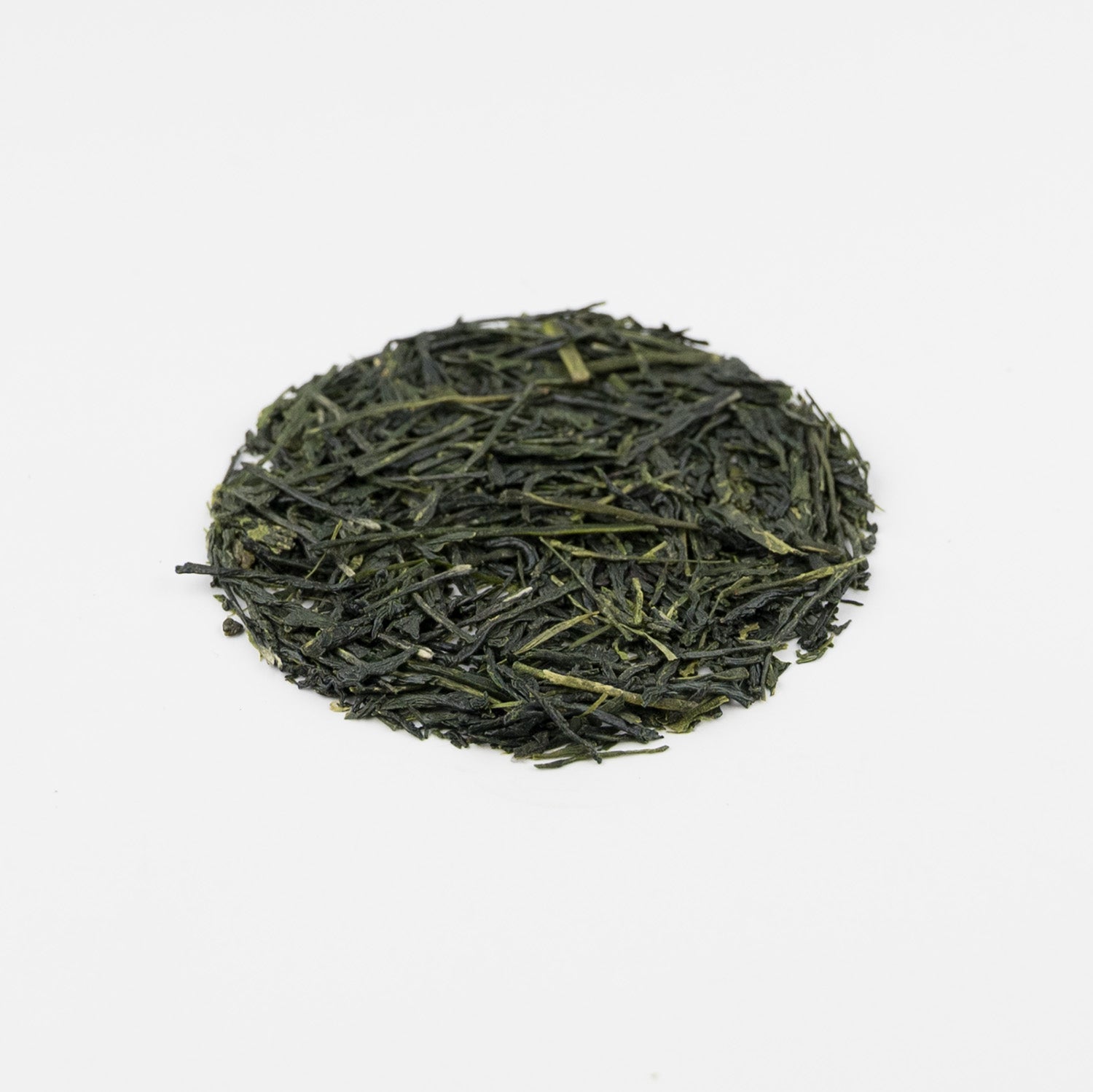
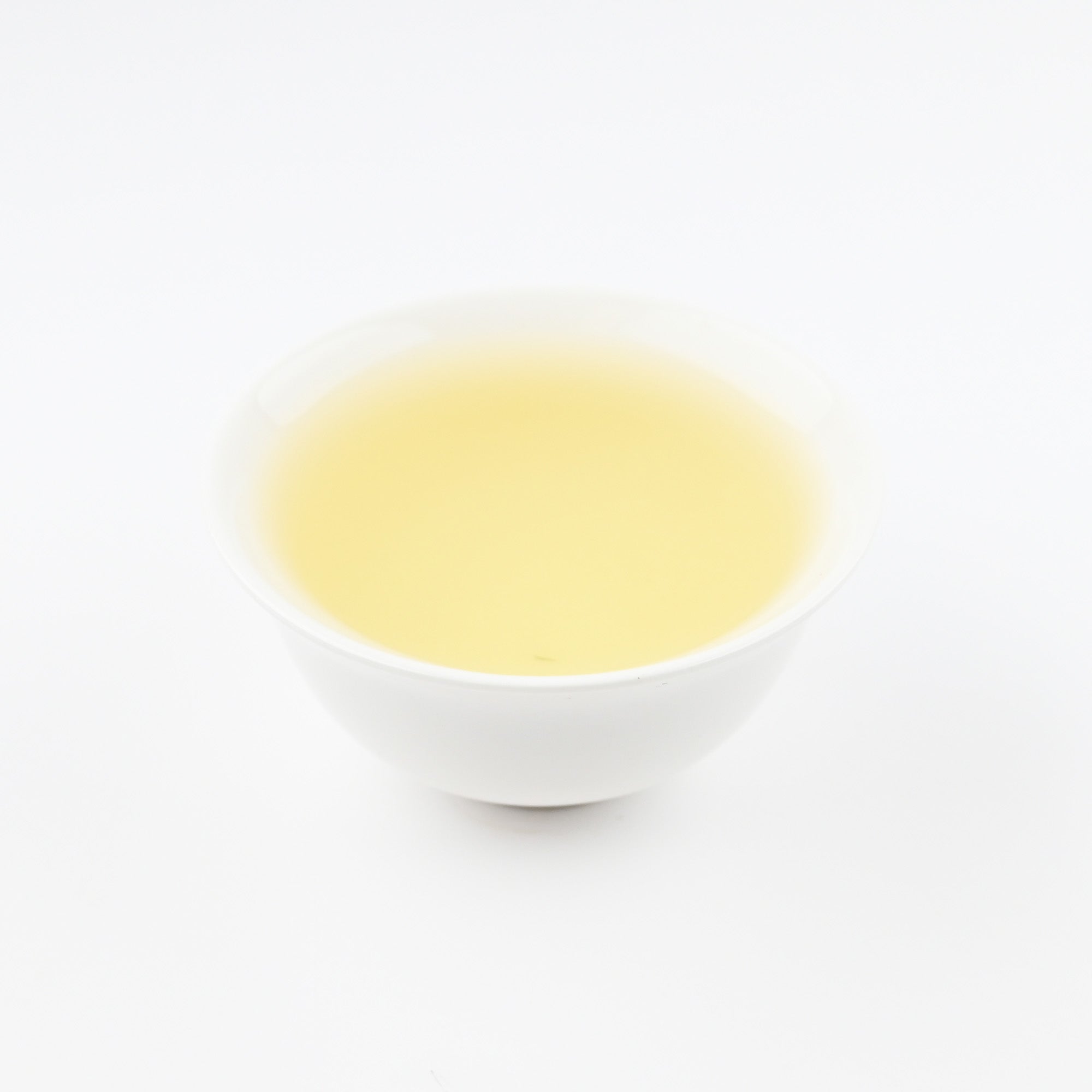
A green tea from Hoshino, Japan, briefly shaded from sunlight before the harvest.
Free Delivery
From €50 in BE and NL.

Pickup Available
In Zonhoven and Hasselt (BE).

Fast Shipping
Within 2-3 business days.

Secure Payment
Multiple payment options.