

Free Delivery
From €50 in BE and NL.

Few countries have woven tea as closely into their culture as Japan. What began as a daily practice of Buddhist monks grew into a tradition with its own methods, carried forward by generations of tea masters who refined their craft over time.
Japanese tea is distinguished by its colour and flavour: vivid green and fresh. That is the result of a choice made hundreds of years ago: the tea leaves are steamed rather than pan-fired, a method that continues to define their flavour to this day.
Japanese tea farmers are also increasingly confronted with an ageing workforce, climate change, and competition from lower-cost tea-producing countries. At the same time, a new generation is experimenting with unconventional styles, including black tea.
From China to Japan
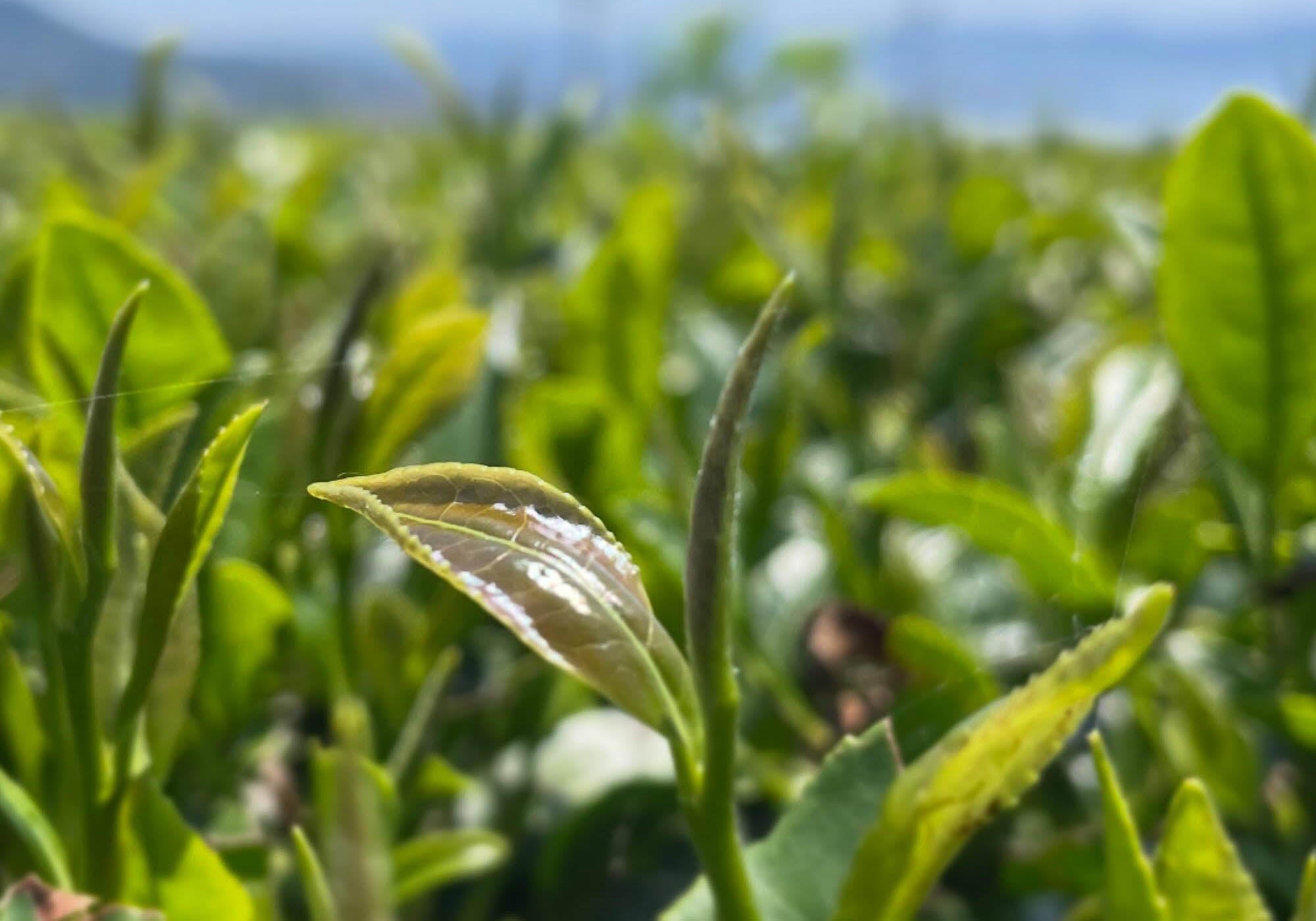
Tea reached Japan during the Nara period (710–794), brought by monks returning from their travels in China. The real breakthrough came centuries later, in 1191, when the monk Eisai introduced the tradition of ground tea, better known as matcha, after a pilgrimage to China. He planted tea seeds in Kyoto and Kyushu, laying the foundation for the first Japanese tea gardens.
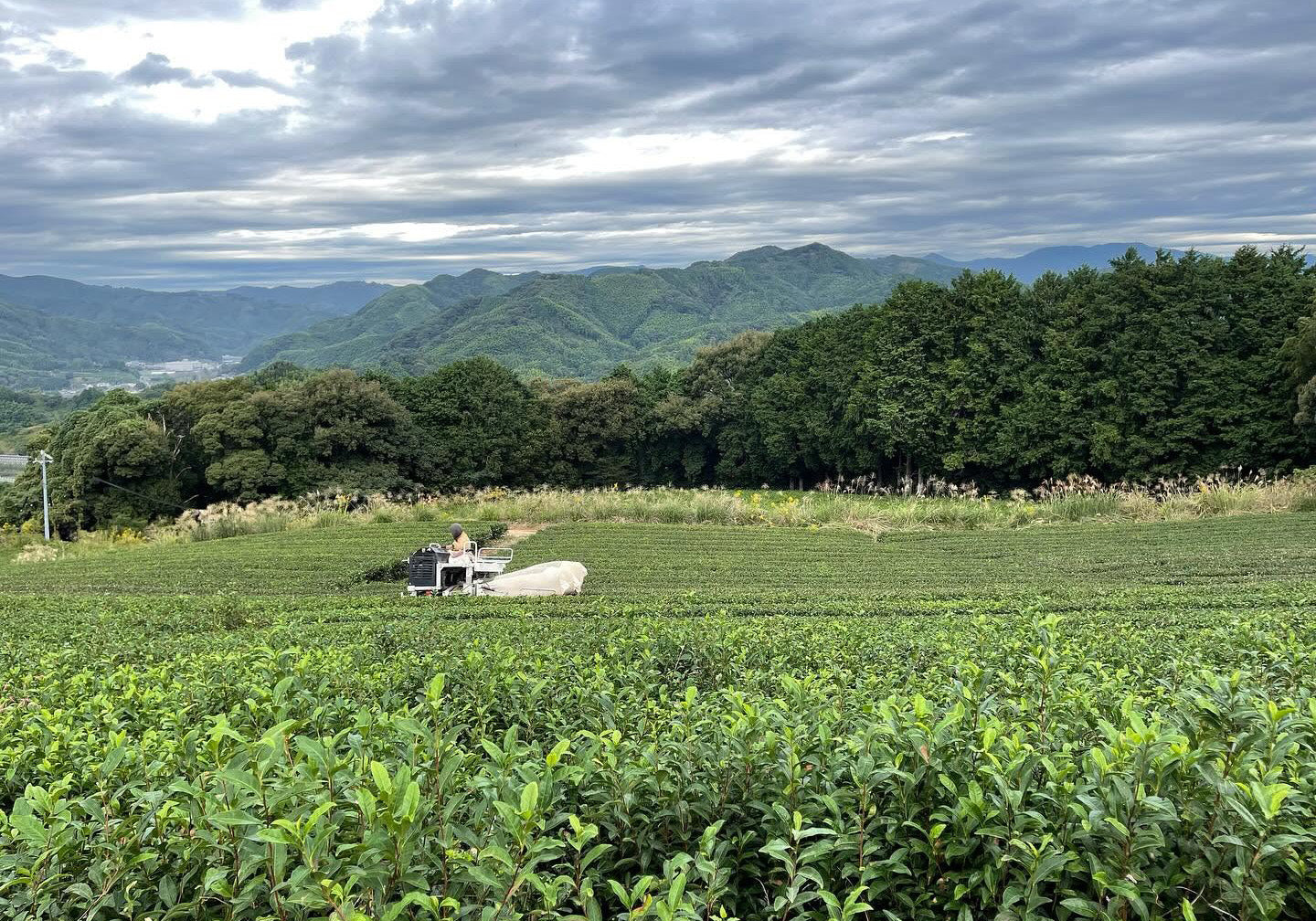
A second turning point came in the eighteenth century. Nagatani Sōen developed a method of halting the oxidation of tea leaves immediately by steaming and rolling them. That process gave the leaves their fresh flavour and characteristic needle shape. The result, in 1738, was sencha, still the most widely drunk tea in Japan today.
For more on how oxidation shapes the flavour and character of tea, see The subtle power of caffeine in tea leaves.
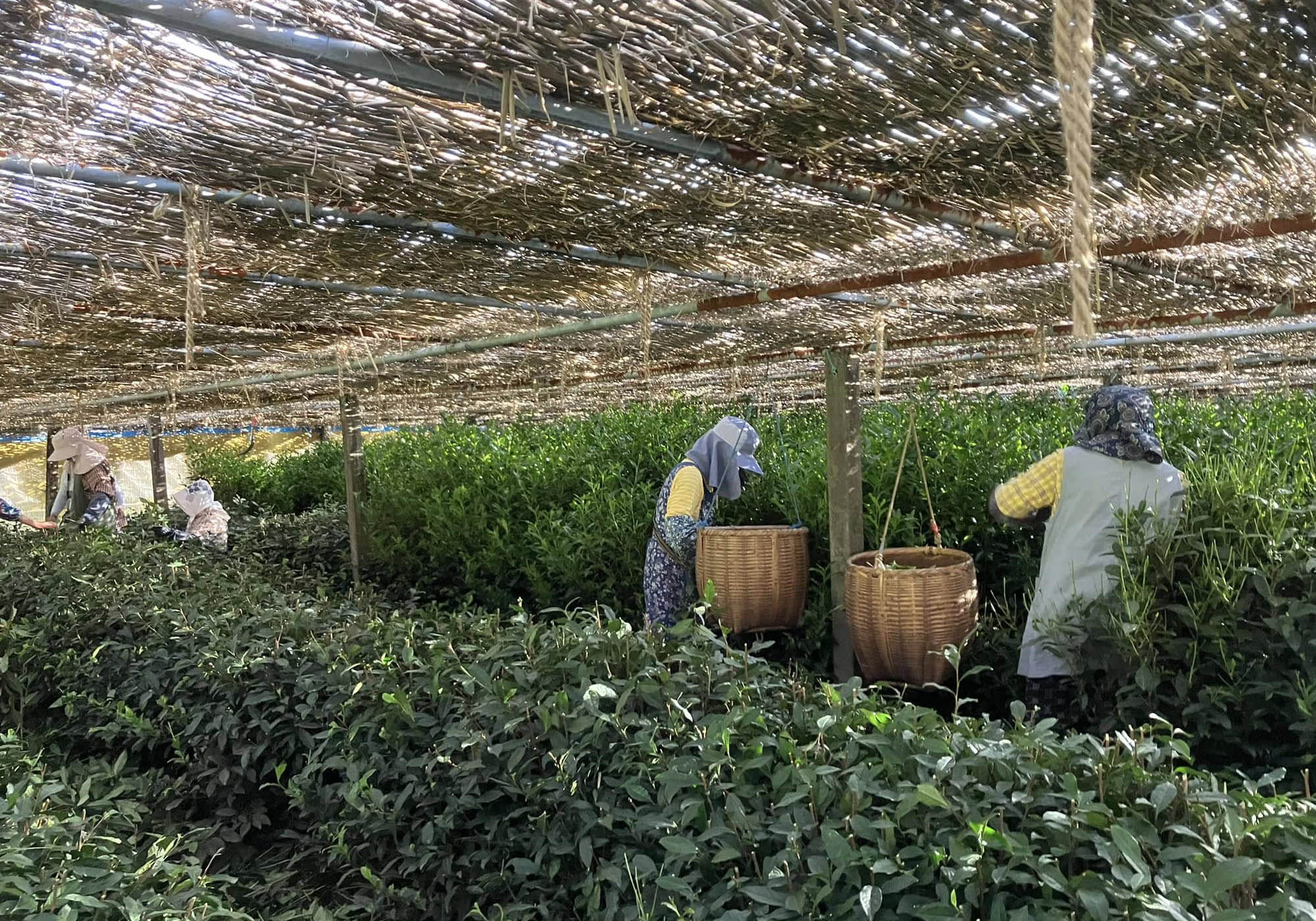
It was not until a century later, in 1835, that gyokuro emerged. Tea merchant Yamamoto Kahei noticed during a visit to Uji that tea farmers were covering their plants with straw to protect them from frost. But shading the plants also had an effect on the flavour of the leaves. He refined the idea: tea plants are shielded from sunlight for several weeks before the harvest. That shade-growing makes the infusion sweeter and gives it a richer flavour.
A culture of its own
The Japanese approach to processing tea leaves differs in many ways from that of China. In Japan, the leaves are steamed rather than pan-fired to halt oxidation. This preserves the green colour and gives the tea its characteristic, vegetal flavour.
Shade-growing, in which plants are covered with cloths or straw mats for weeks before the harvest, is another Japanese innovation. This technique gives gyokuro, matcha, and kabusecha their characteristic sweetness. Kabusecha undergoes the same method, but more lightly and for a shorter period.
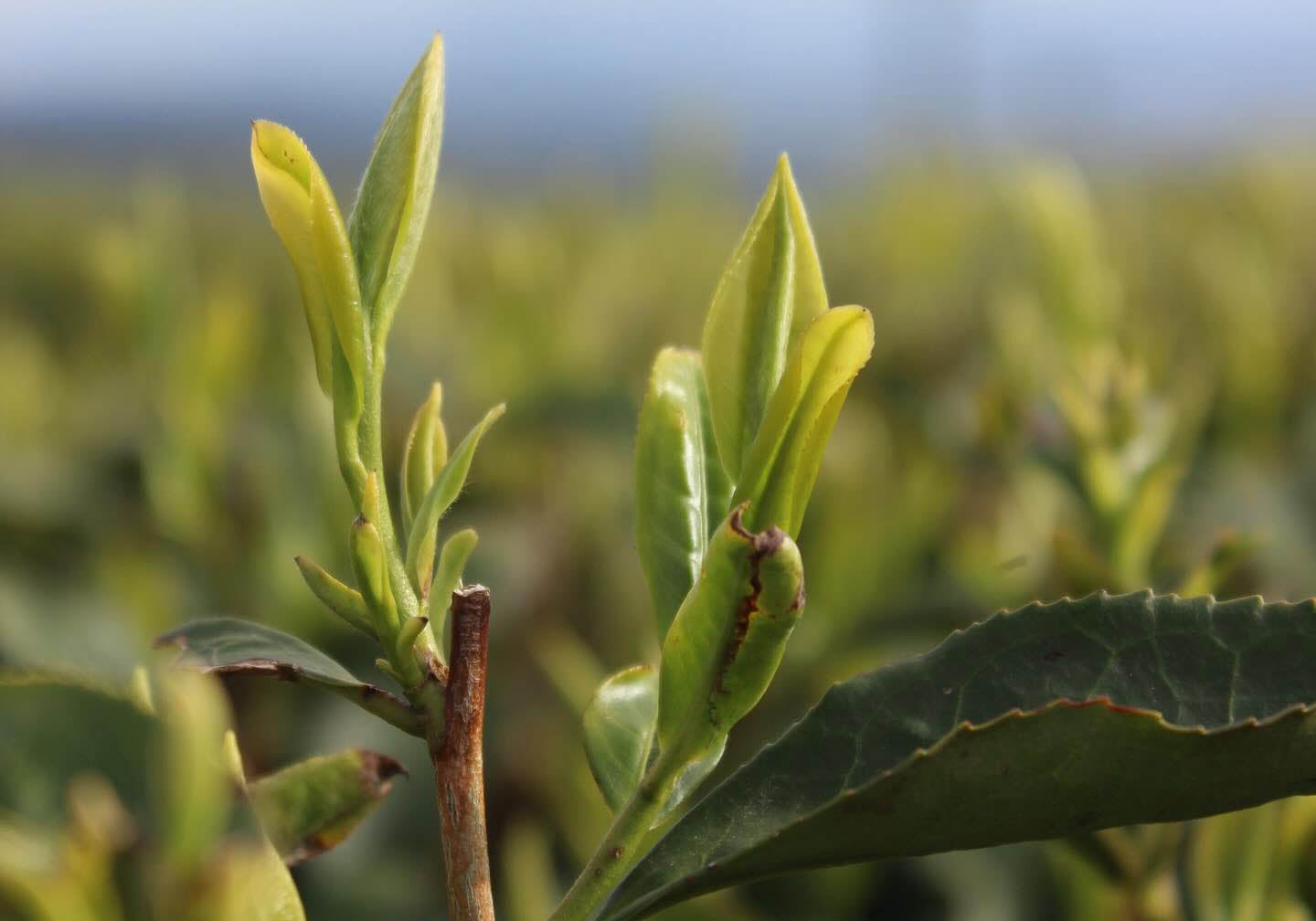
Japan also leads in cultivar development. Yabukita, the best-known Japanese cultivar, now forms the basis for around three-quarters of all Japanese tea plants. Alongside it are cultivars such as Yutaka Midori, Saemidori, and Benifuki, each with its own character.
For more on what a cultivar is and why it has such a strong influence on flavour and aroma, see Varieties and cultivars: the foundation of every tea aroma.
The main tea regions
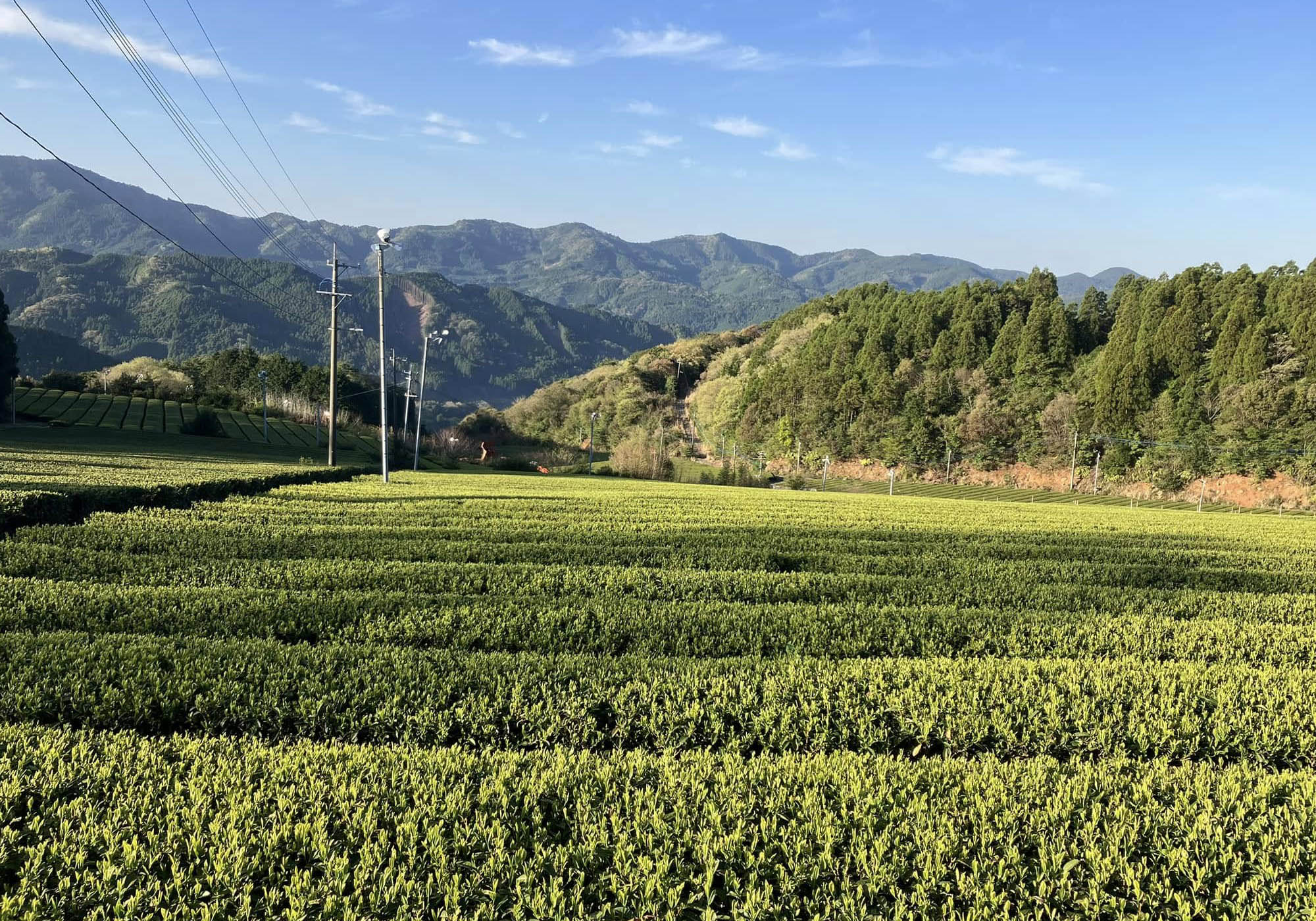
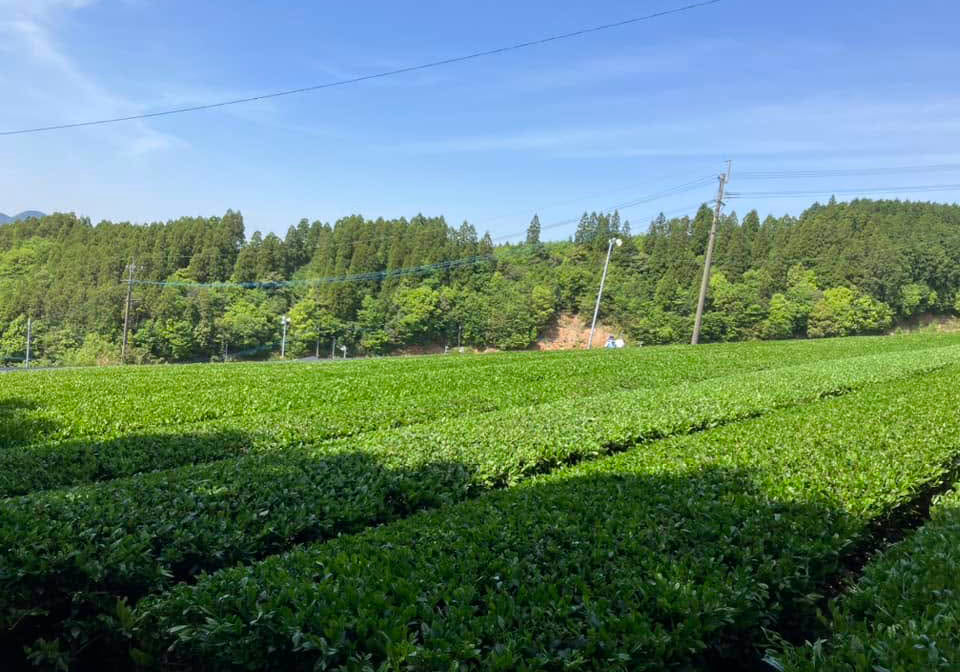
Japan is a modest tea producer by volume, but a significant name in terms of quality. Production is concentrated mainly in the southwest of the country, with several well-known regions.
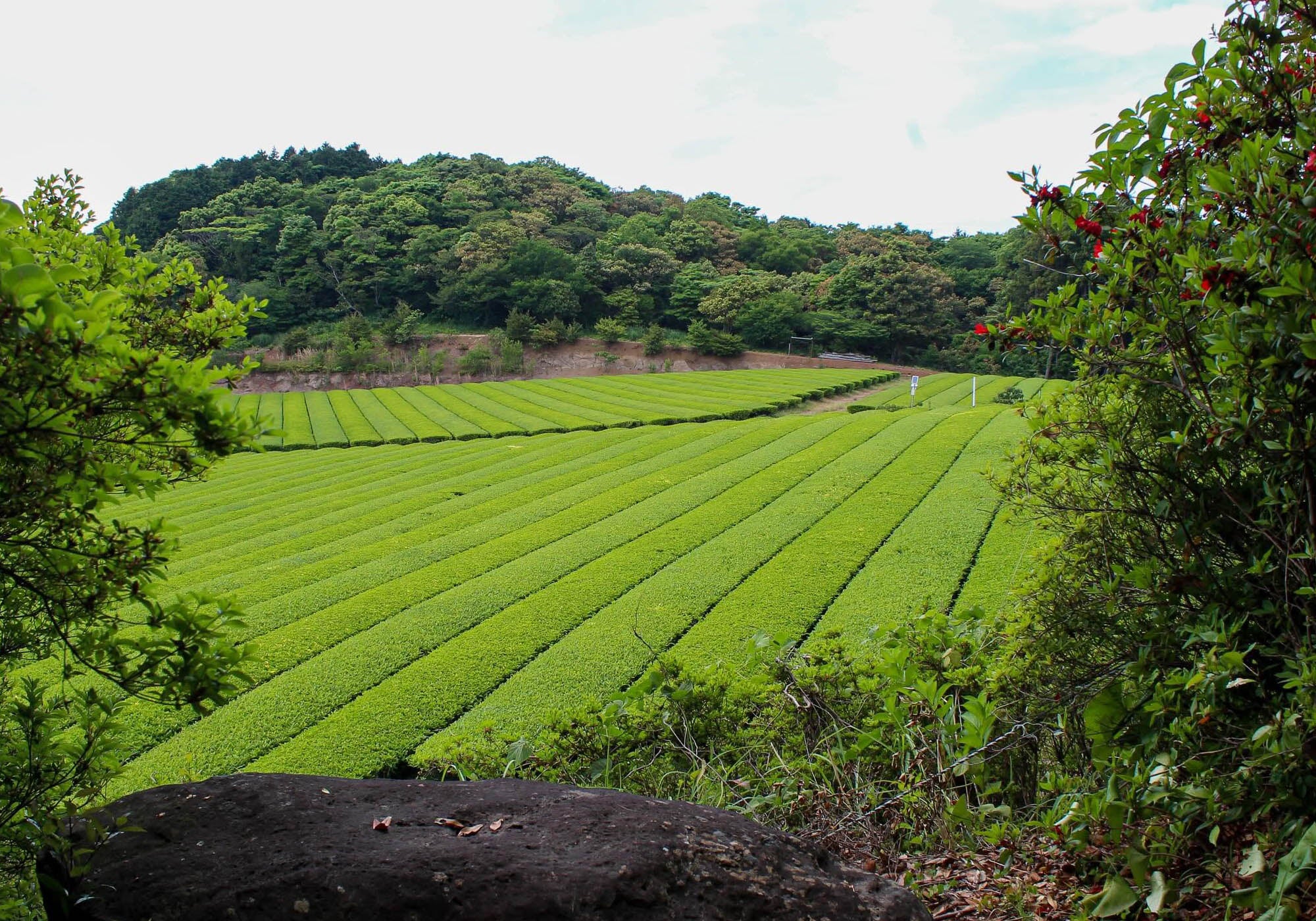
Shizuoka, southwest of Tokyo, has been the second-largest tea region in Japan since 2024 and is known for its sencha. The history of tea in Shizuoka goes back to 1244. The region is a pioneer in innovation: the Yabukita cultivar was developed here, and the first harvesting machines appeared in the 1950s.
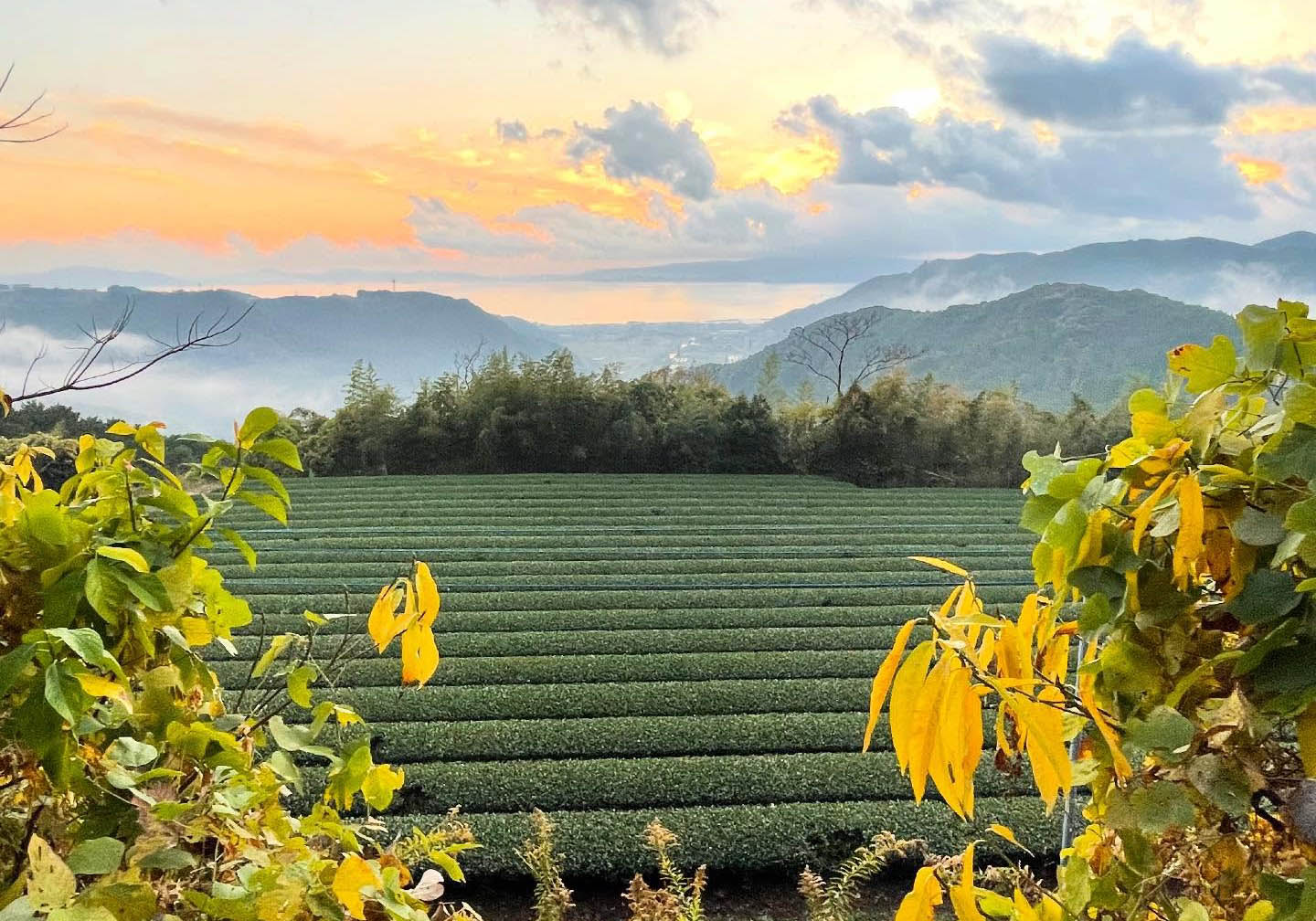
Kagoshima, at the southern tip of Kyushu, has been the largest tea producer in Japan since 2024. The volcanic soil and subtropical climate allow for multiple harvests per year. The first flush takes place as early as April.
Kyoto, and more specifically the Uji area, is regarded as the cradle of Japanese tea culture. Tea has been cultivated here for over 800 years. Uji is known worldwide for its matcha and gyokuro. Kyoto is also the birthplace of the Japanese tea ceremony: the major schools Urasenke and Omotesenke have their headquarters there, within walking distance of each other in the Kamigyō district.
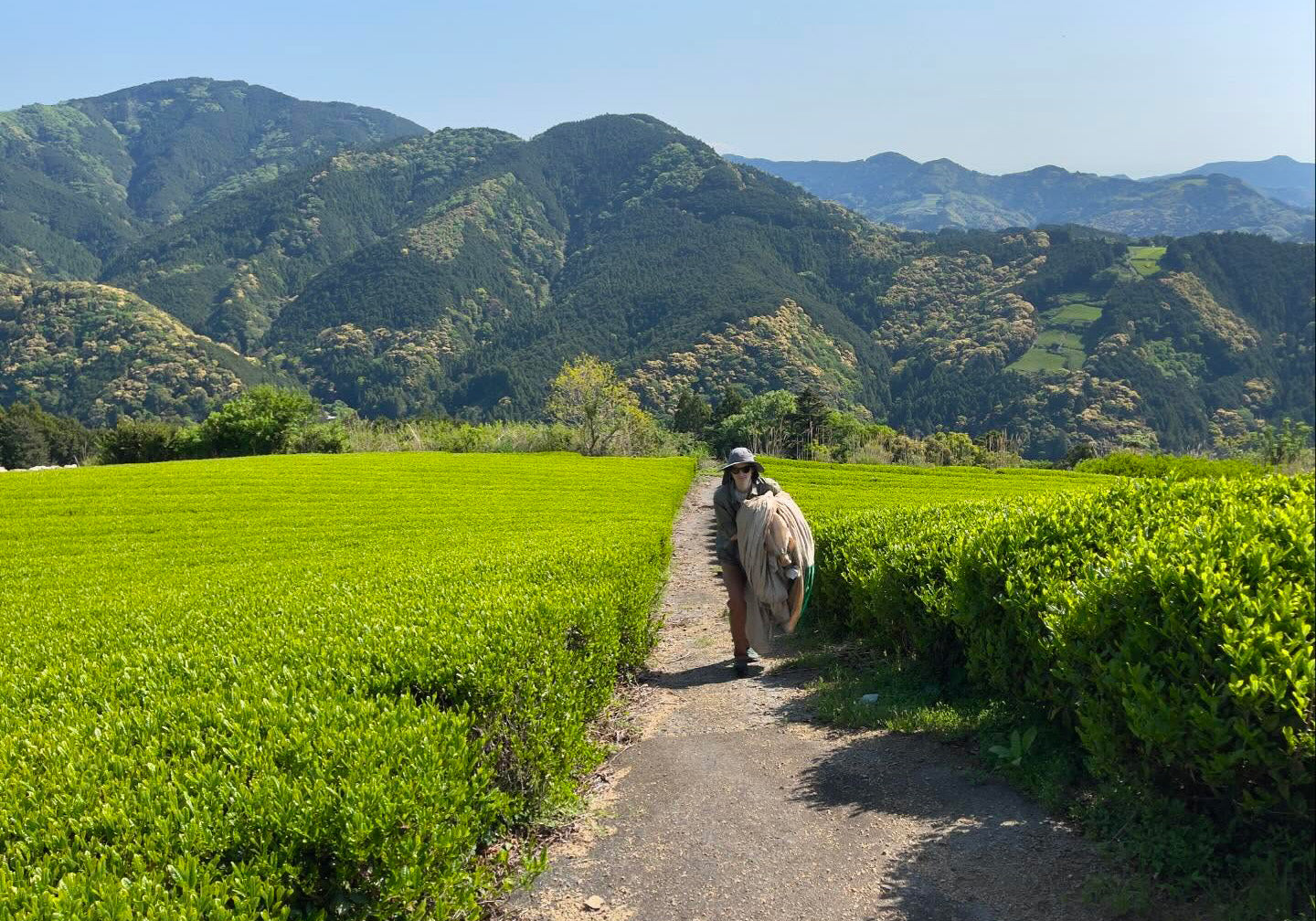
Fukuoka, on Kyushu, is known for its fukamushicha (a longer-steamed sencha) and gyokuro from the Yame region, where the tea leaves are still often picked by hand.
Beyond these regions, ten other prefectures also produce Japanese tea, each with its own character and specialities.
Tea from Japan in our collection
In the Tea Kulture collection you will find various artisanal teas from Japan.
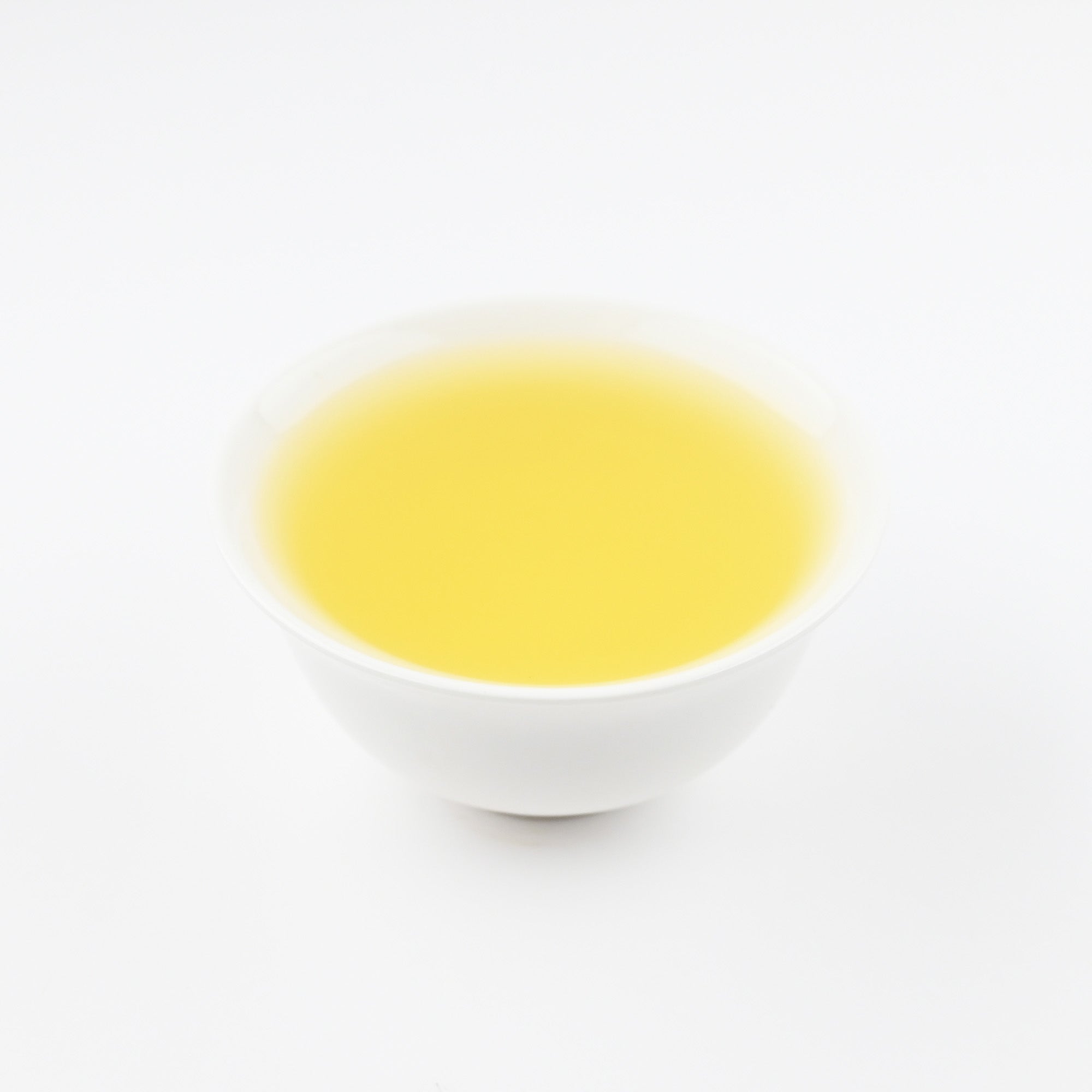
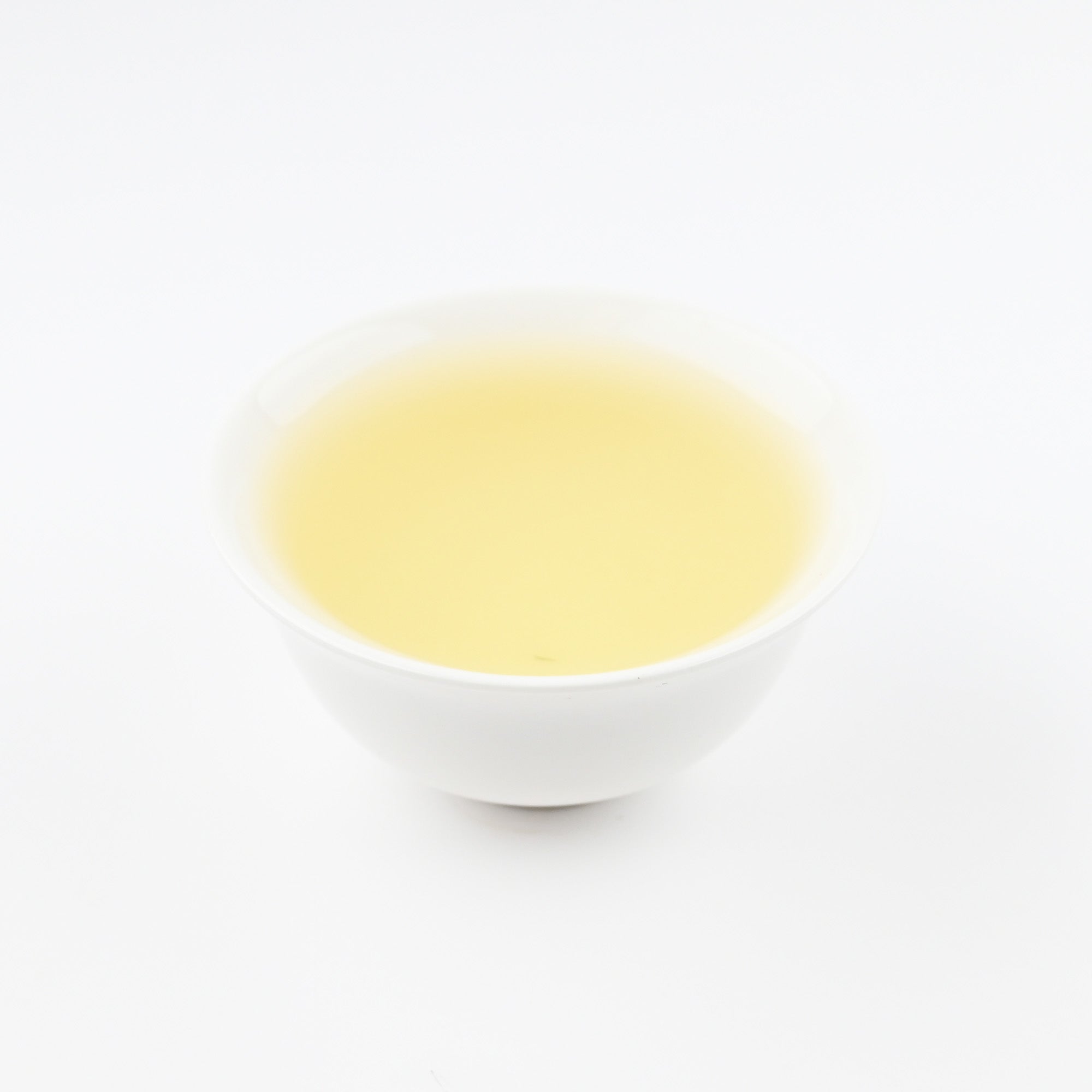
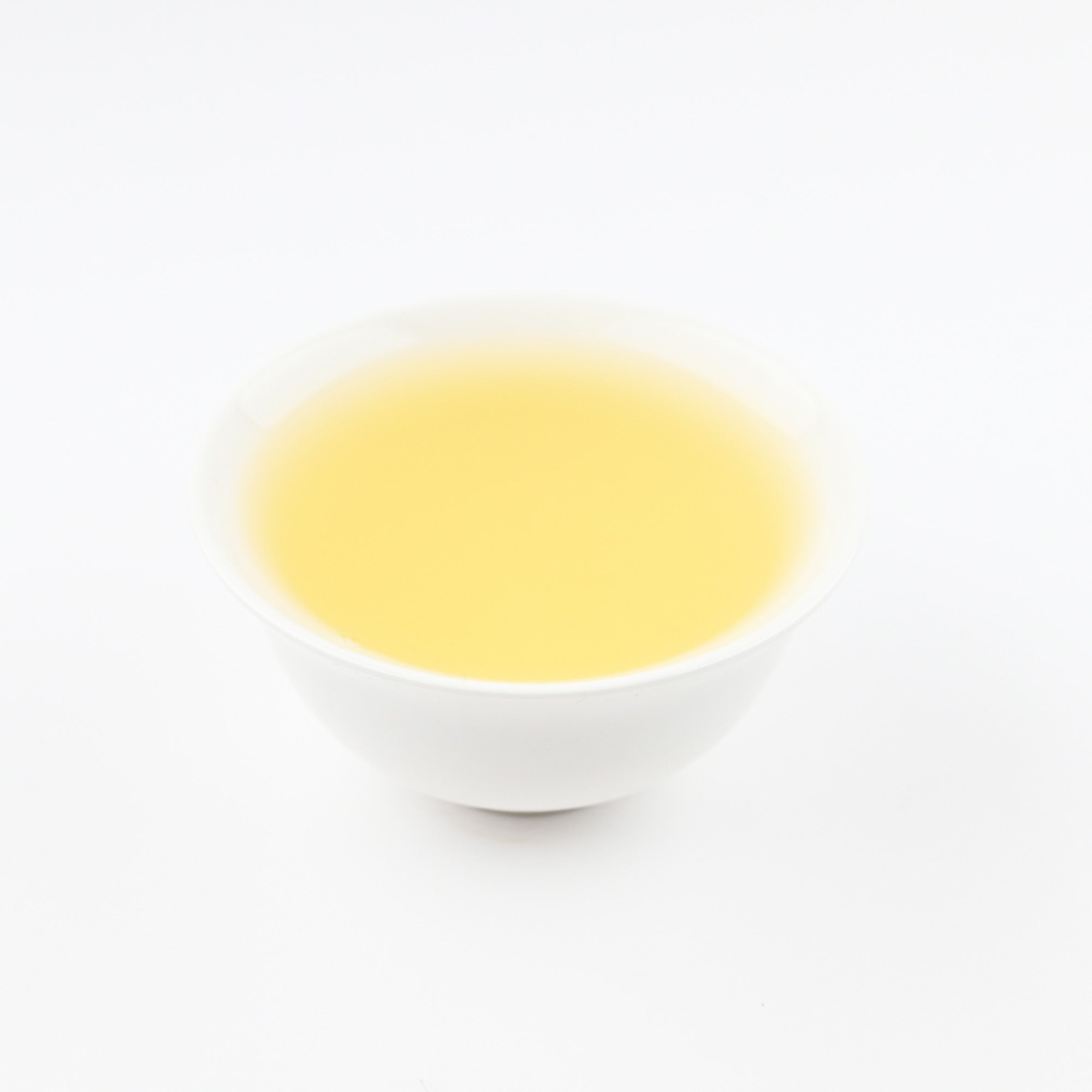
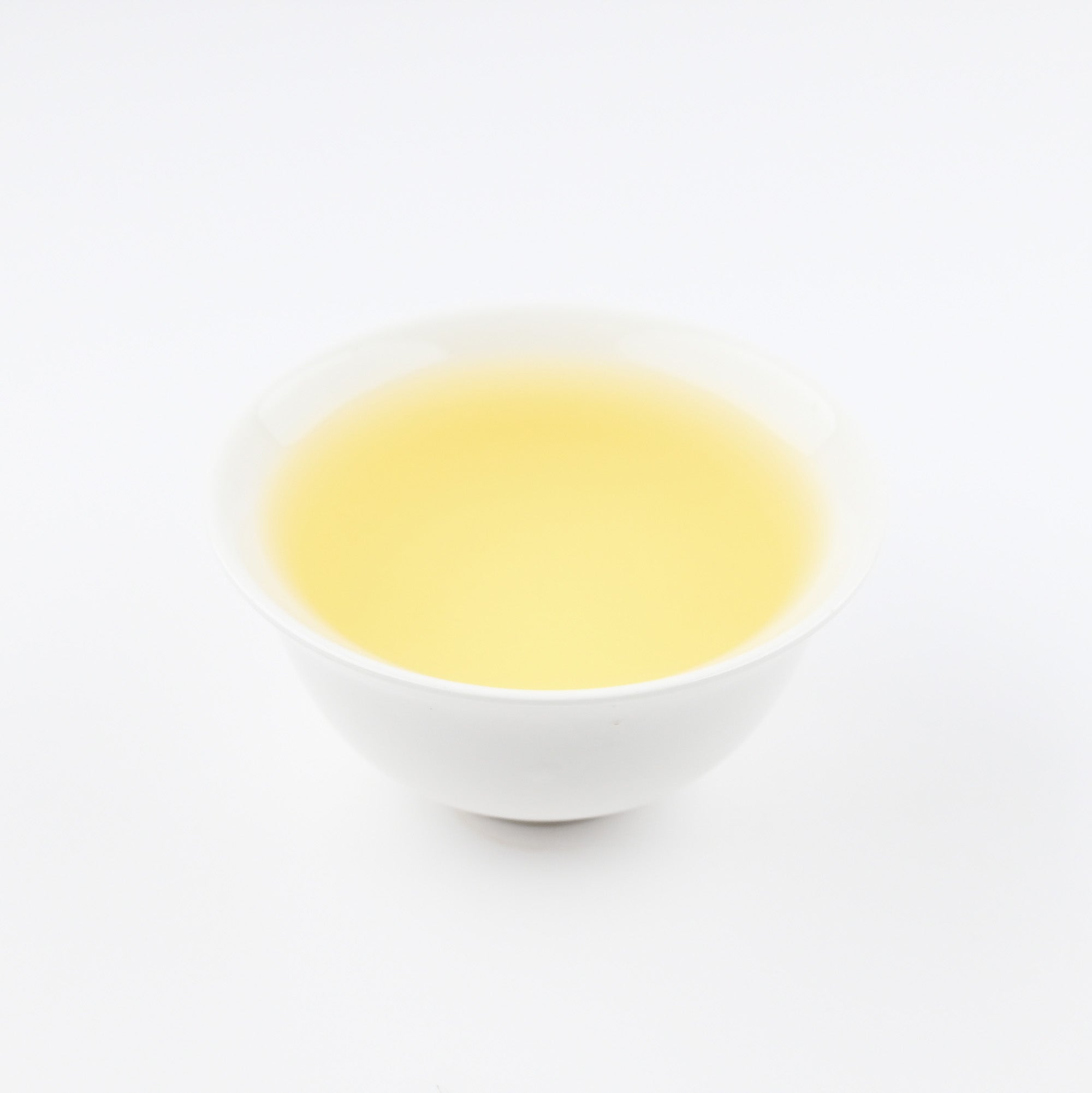
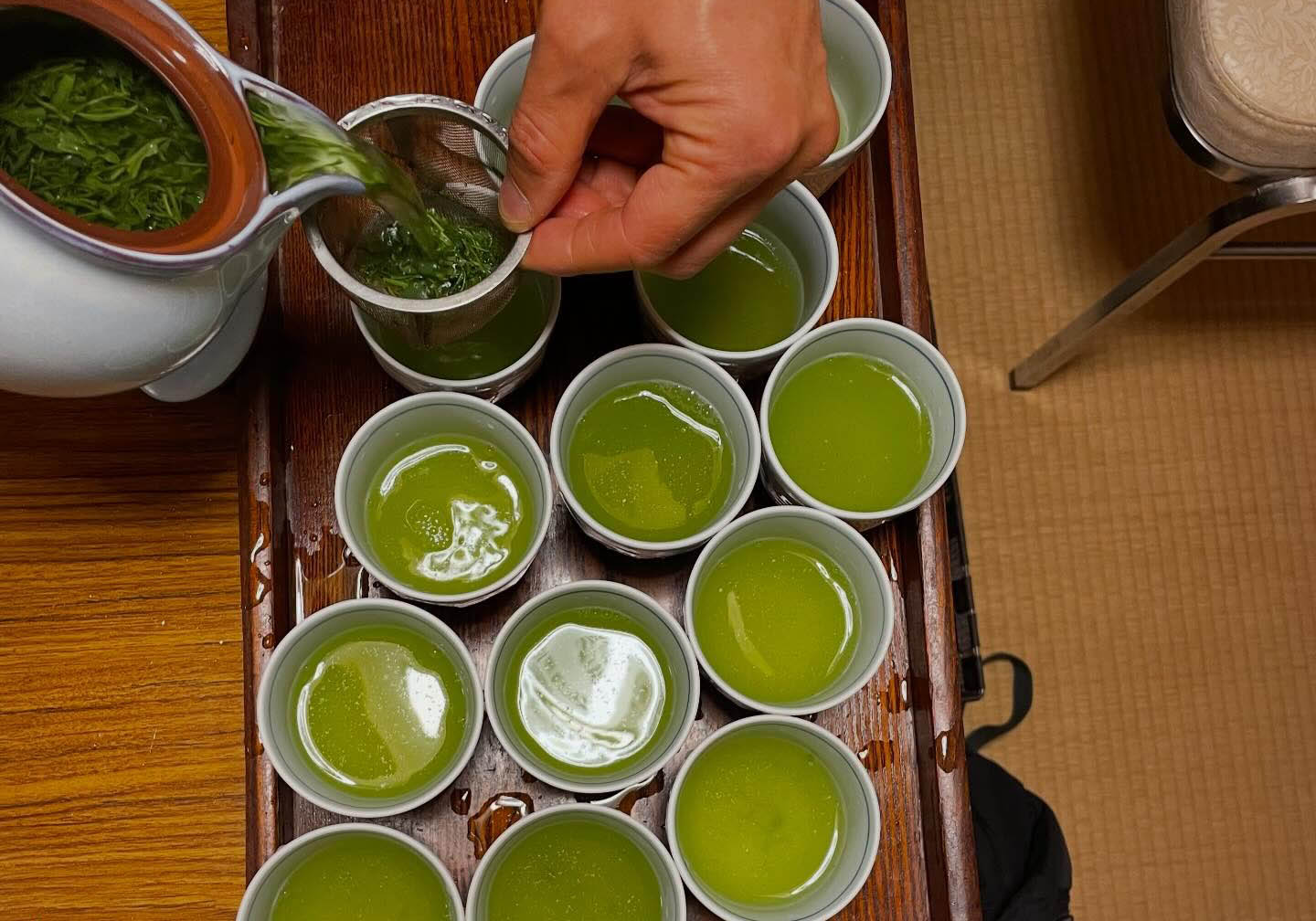
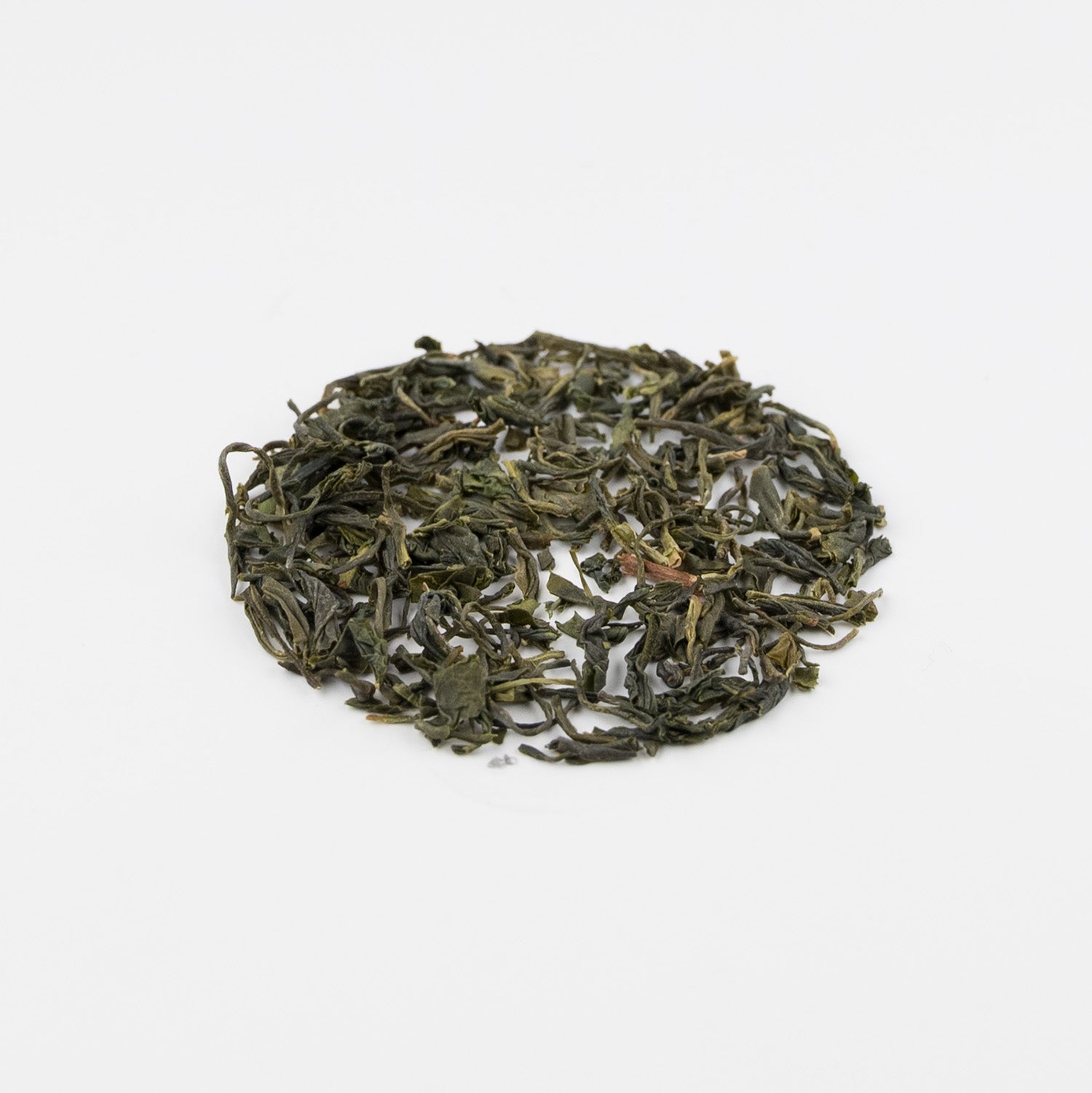
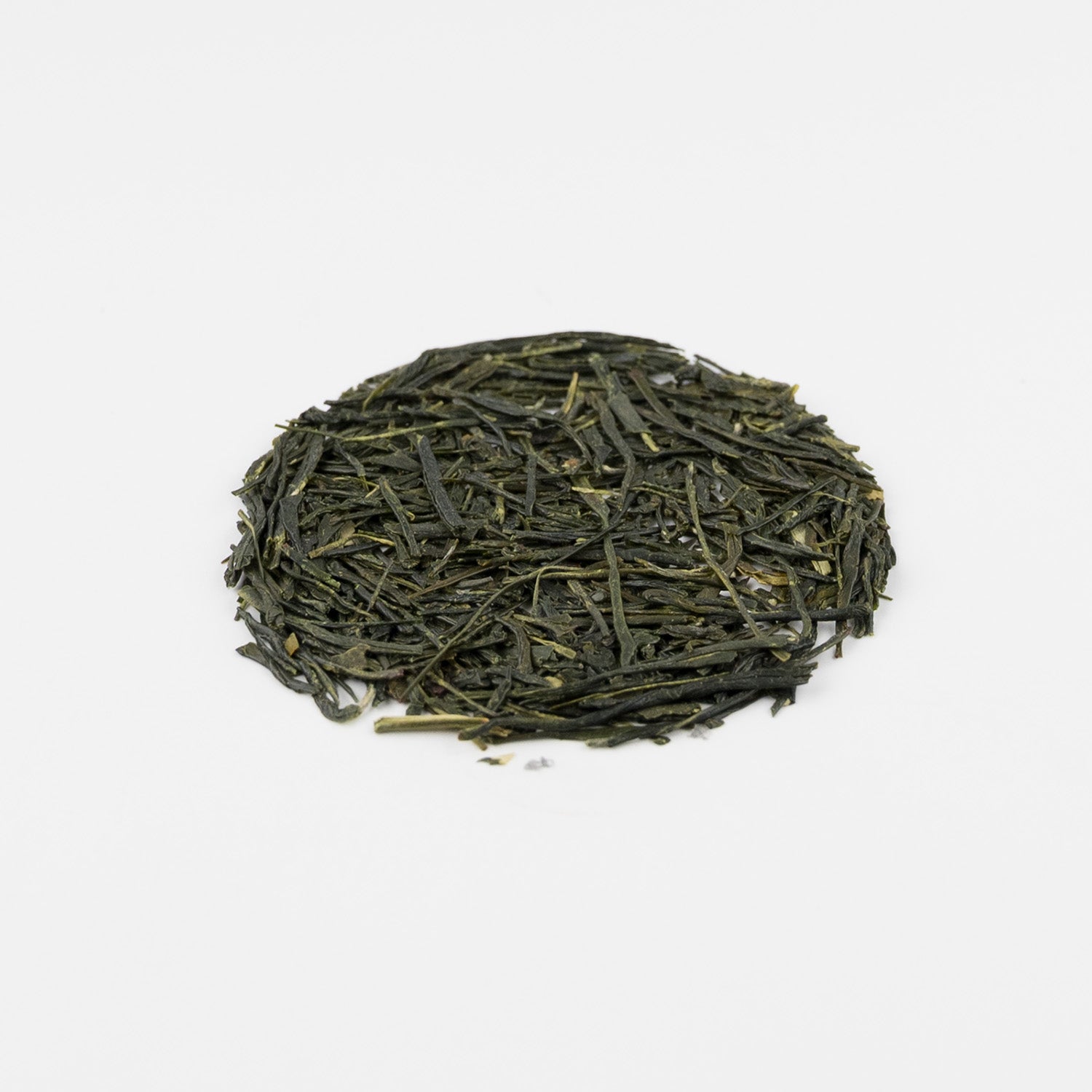
Gyokuro Goko is a green tea from Hoshino, for which the bushes are shaded for weeks with rice straw mats, a method still used by only thirteen farmers in the village. The infusion has notes of citrus and blossom, with an intense umami and grassy sweetness. Spring Midori comes from Naturalitea, which has been growing tea organically in the mountains of Shizuoka since 1976. The tea is lightly steamed and picked in the weeks after Hachijuhachiya, traditionally the most prized harvest of the year, with a powerful yet elegant sweetness. Tamaryokucha Superb comes from Nagasaki, which accounts for barely 1% of all Japanese tea. It is deeply steamed and rich in umami, with spiced notes of oregano and thyme and a creamy texture reminiscent of matcha.
Domestic tradition, growing exports
A large share of Japanese production is directed at domestic consumption. Sencha is ubiquitous in Japanese daily life, and matcha is used in tea ceremonies and increasingly in restaurant and food service contexts. At the same time, exports are growing, particularly of matcha, at a pace where supply can barely keep up with demand.
Craft versus scale
Japanese tea has two faces. On one side stands large-scale production for everyday consumption, where machinery and efficiency are central. On the other is a thriving artisan tradition in which quality, terroir, and craftsmanship take precedence.
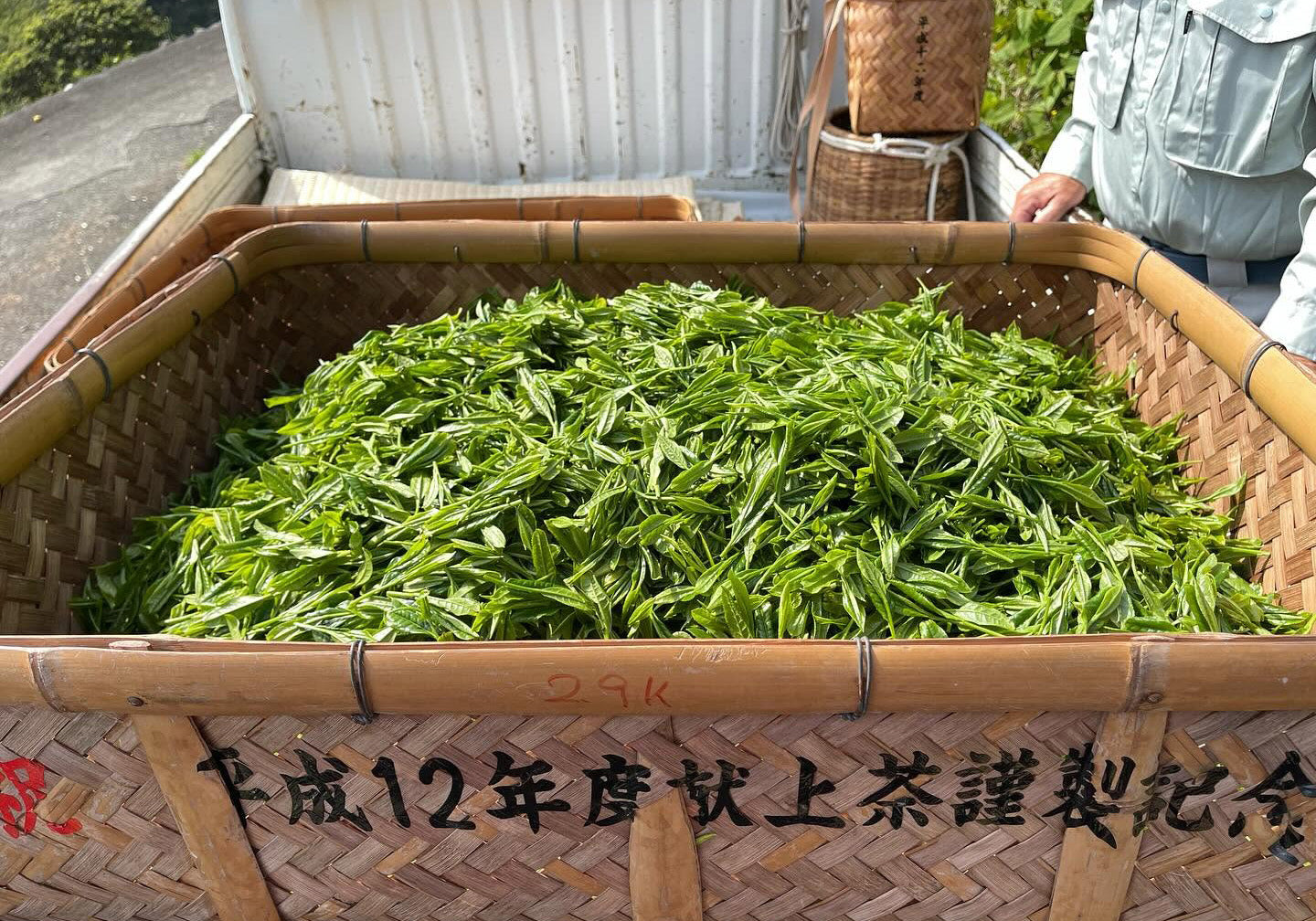
Artisan processing is most evident in premium products such as gyokuro. The leaves grow in the shade for several weeks and are partly picked by hand. For high-grade matcha, the dried leaves are ground on stone mills. Stone-grinding a kilogram of matcha takes hours of work.
Challenges for the sector
The Japanese tea sector faces serious challenges. The average age of Japanese tea farmers has been rising for years. Young generations rarely choose the physically demanding and poorly paid work on tea estates. Gardens are being abandoned and specialist knowledge risks being lost.
Climate change is also putting harvests under pressure, with unpredictable frosts, heatwaves, and shifting rainfall patterns. Economic pressure adds to this: Japanese tea is more expensive than tea from China or Vietnam, for example, which is straining export markets. At the same time, global demand for quality is growing, offering opportunities for tea farmers who focus on transparency, natural cultivation methods, and single-origin tea. Other tea-producing countries such as Sri Lanka and Malawi are going through comparable shifts.
The future
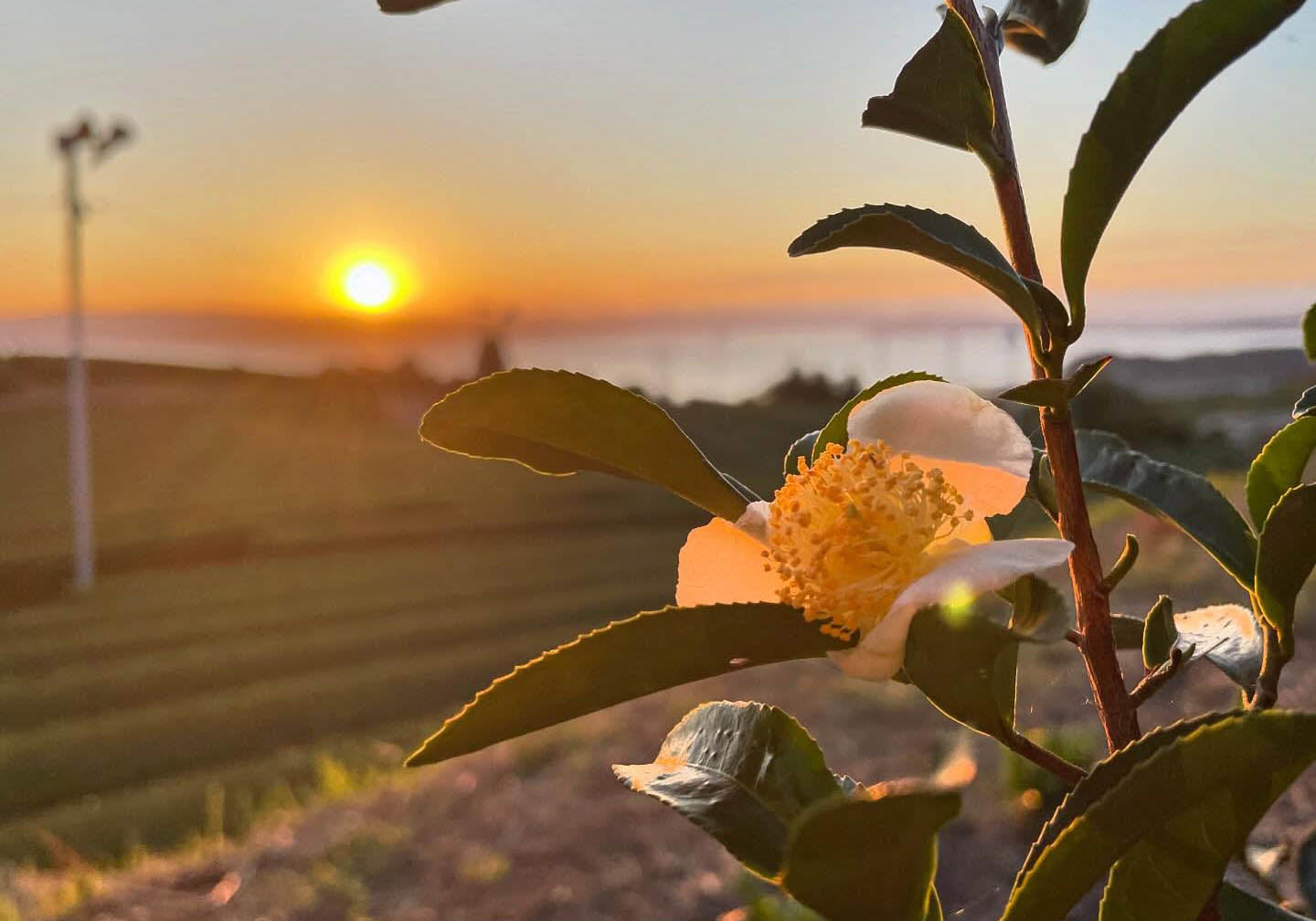
The future of Japanese tea lies not in volume, but in quality and distinctiveness. Smaller tea makers who focus on natural production methods, single-origin, or rare tea types are increasingly finding their way to tea enthusiasts worldwide. Experiments with Japanese black tea (wakoucha) and fermented tea are also gaining ground.
For a country where tea has been part of the culture for 800 years, that shift is not a break with tradition. It is a continuation of it, with care, precision, and respect for the tea plant and its surroundings.
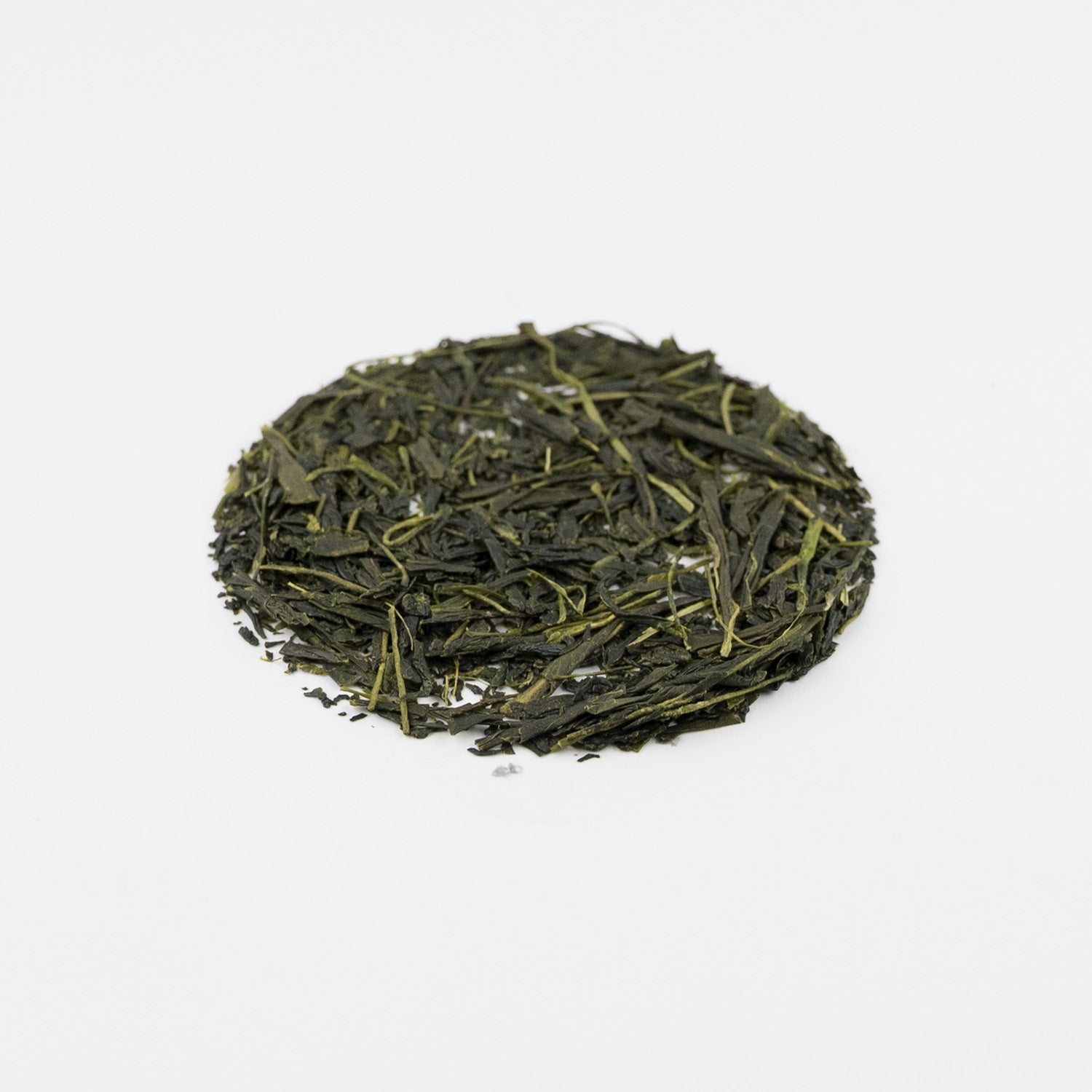
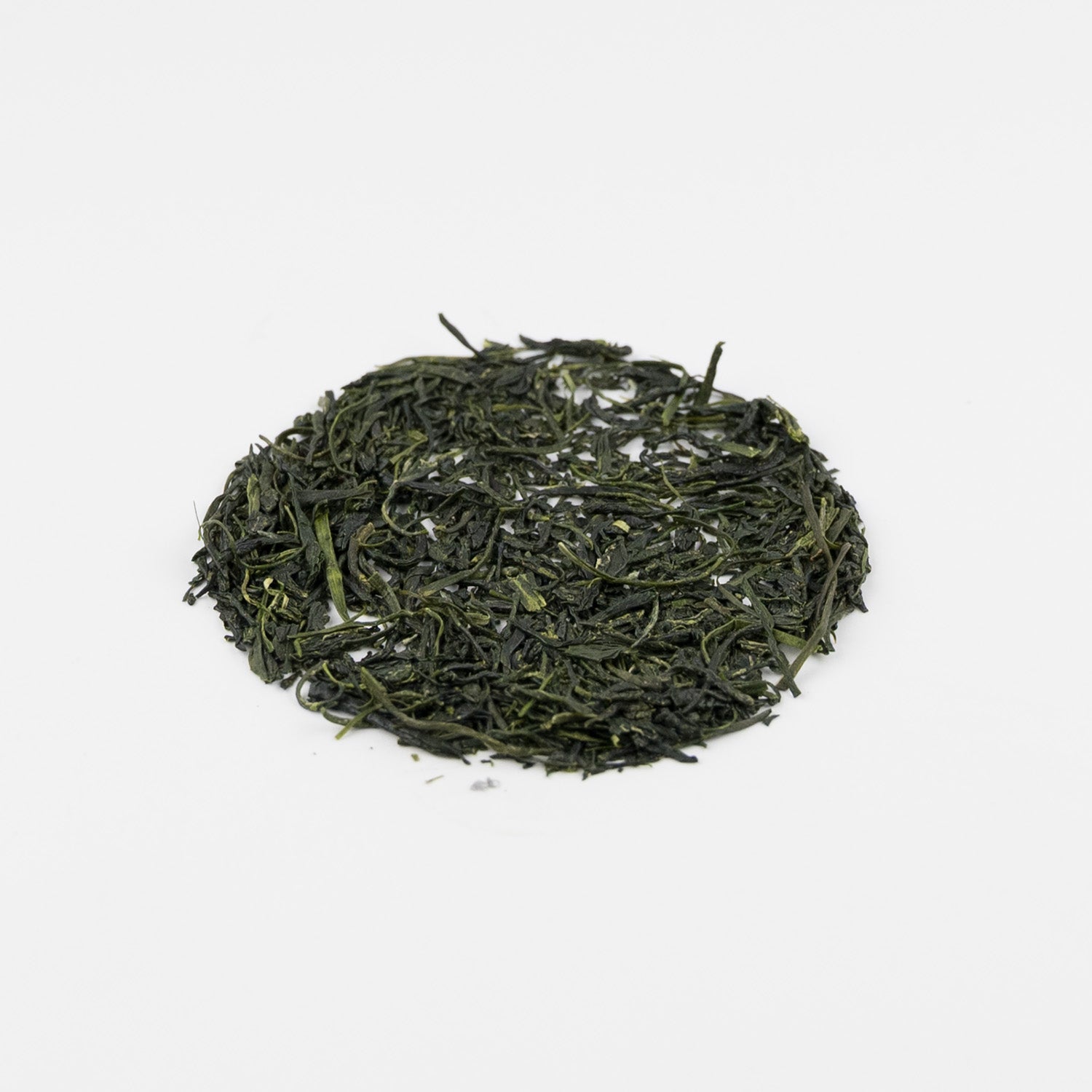
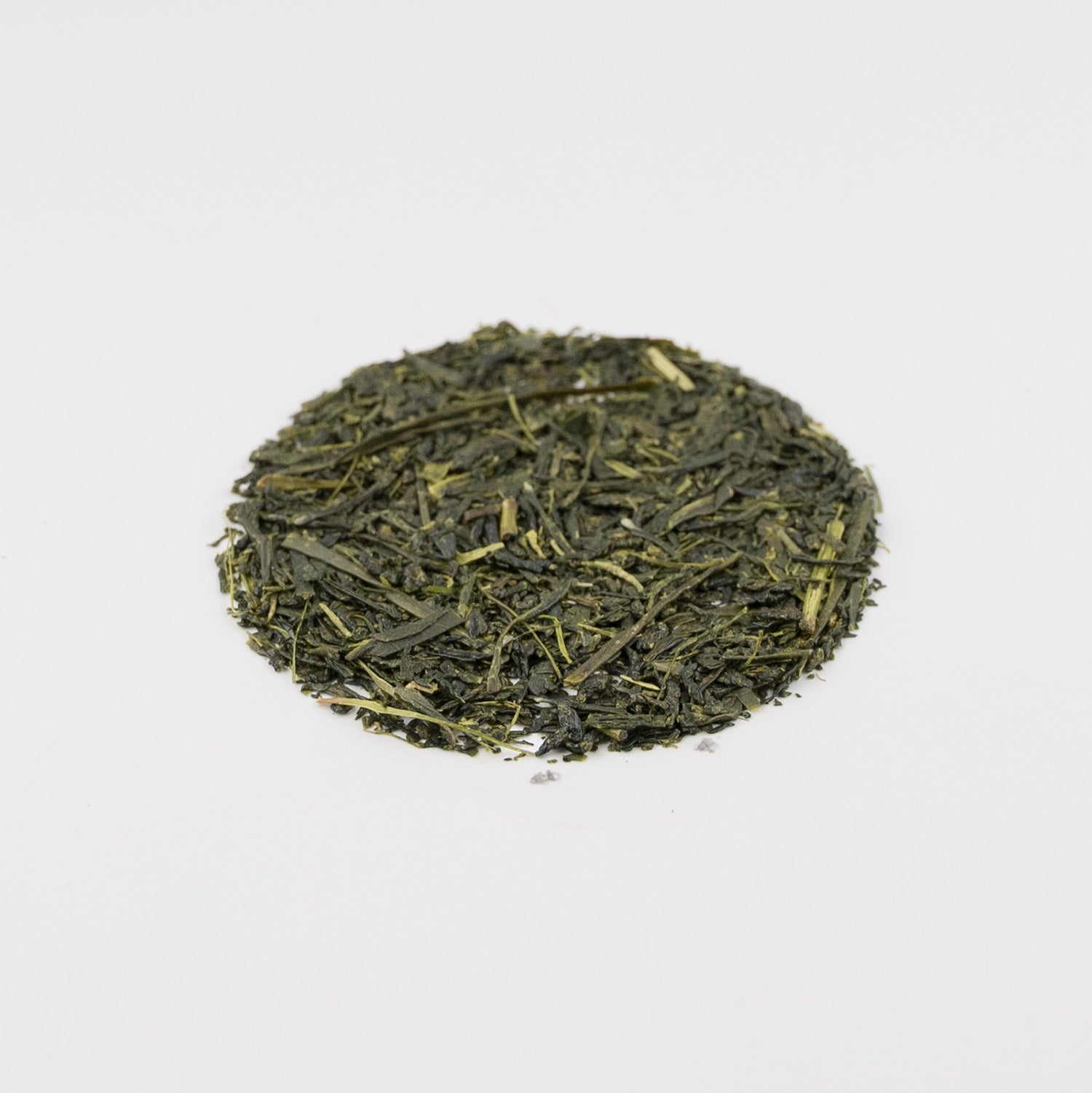
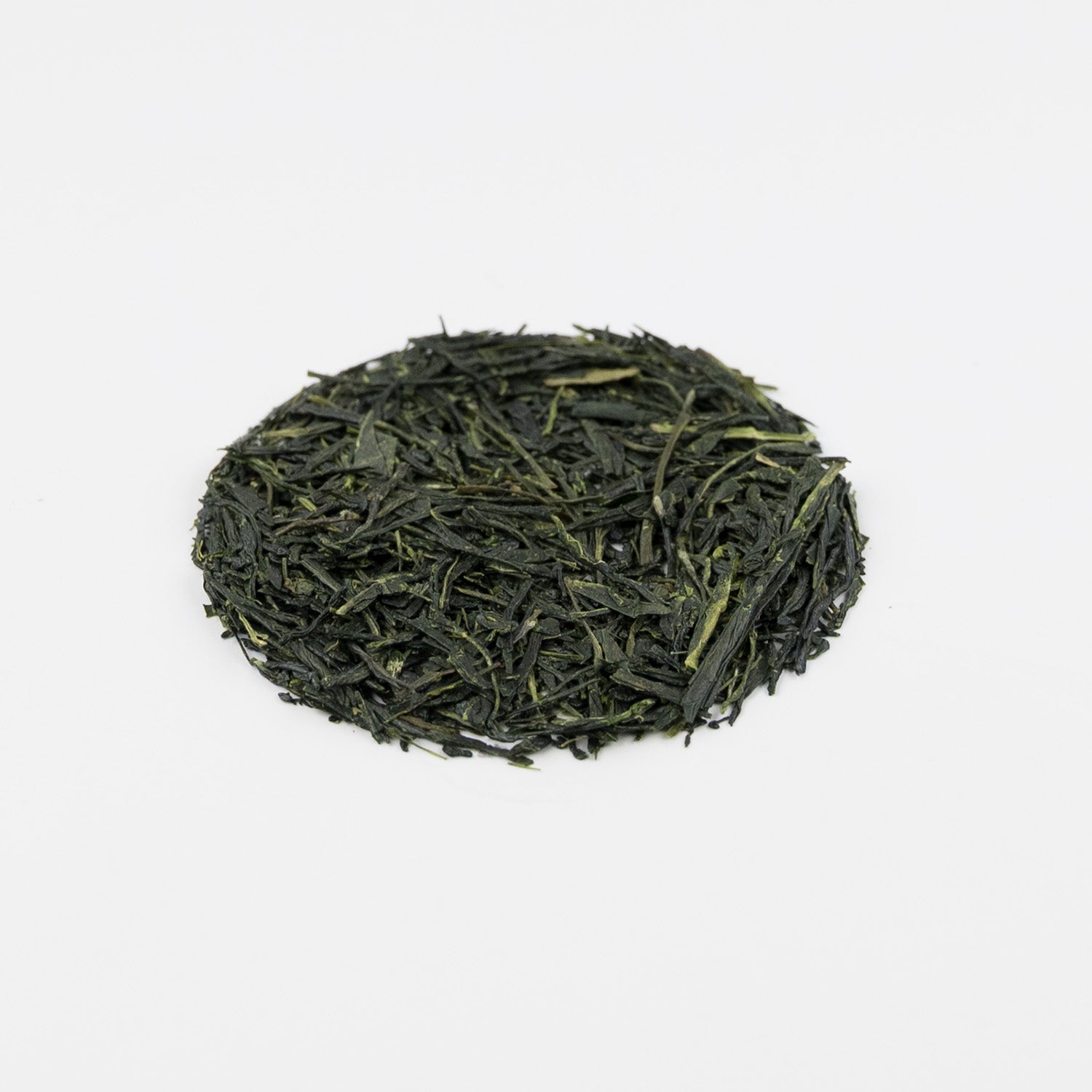
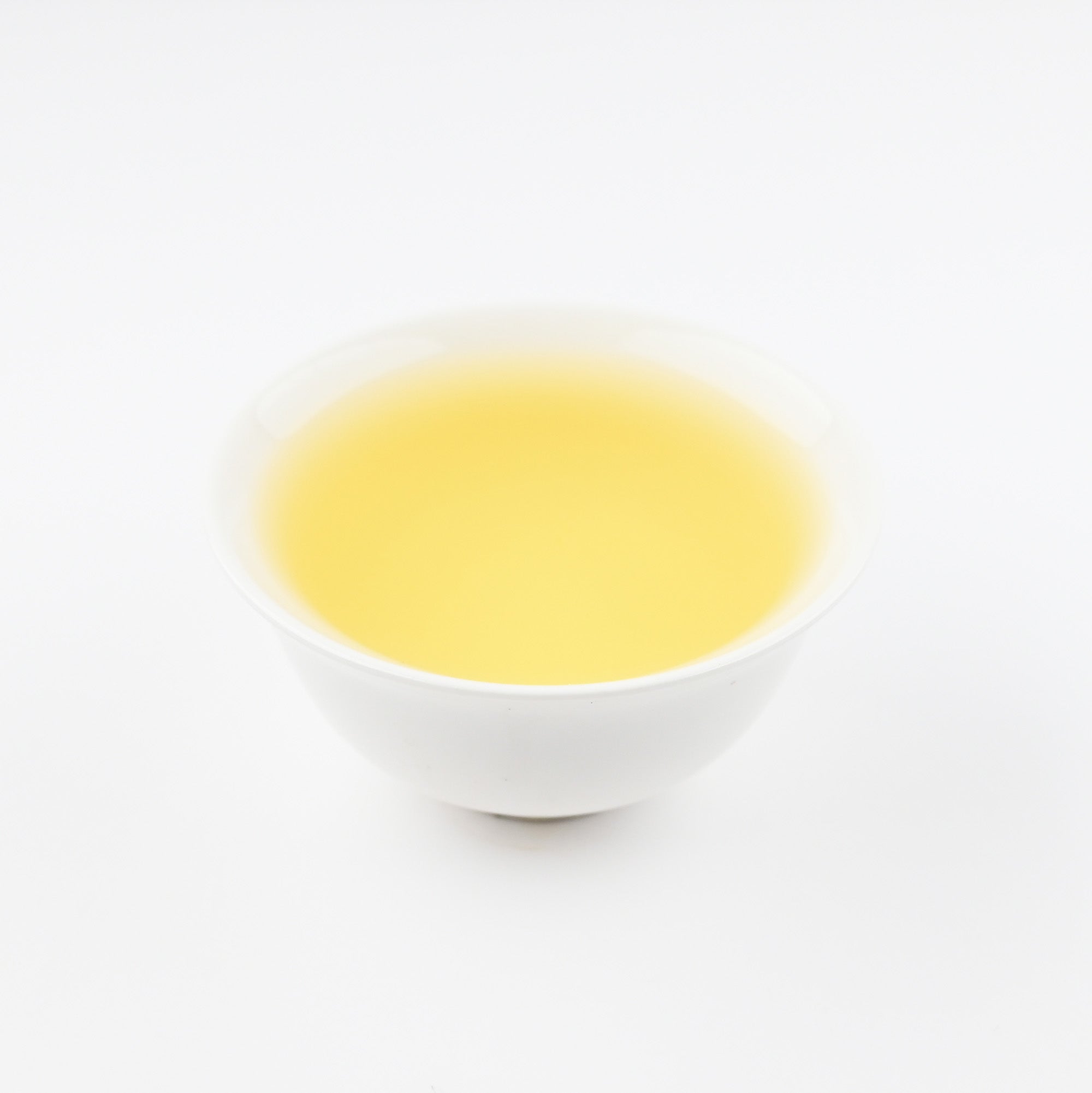
A green tea from Hoshino, Japan, shaded for weeks with rice straw mats.
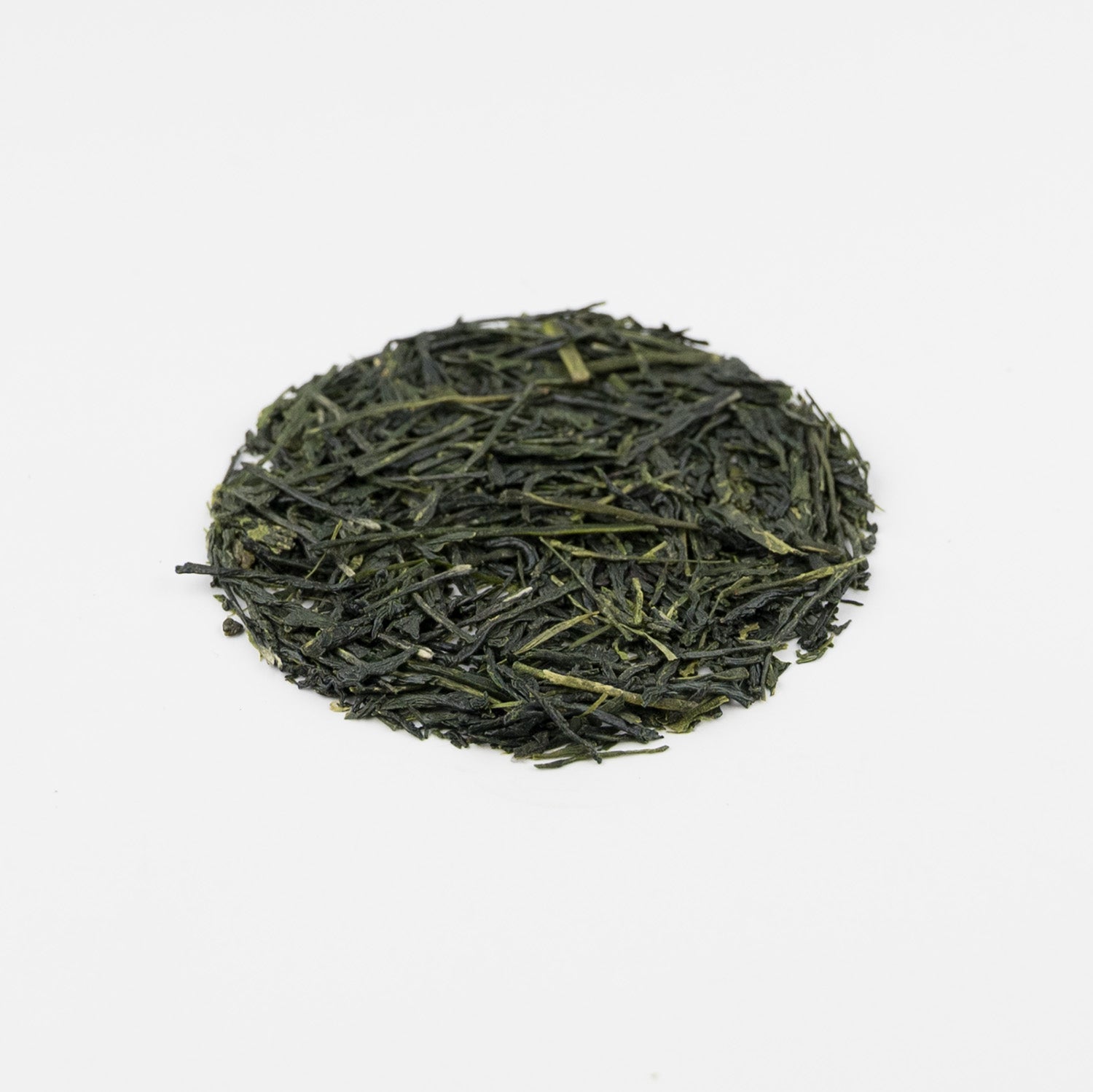
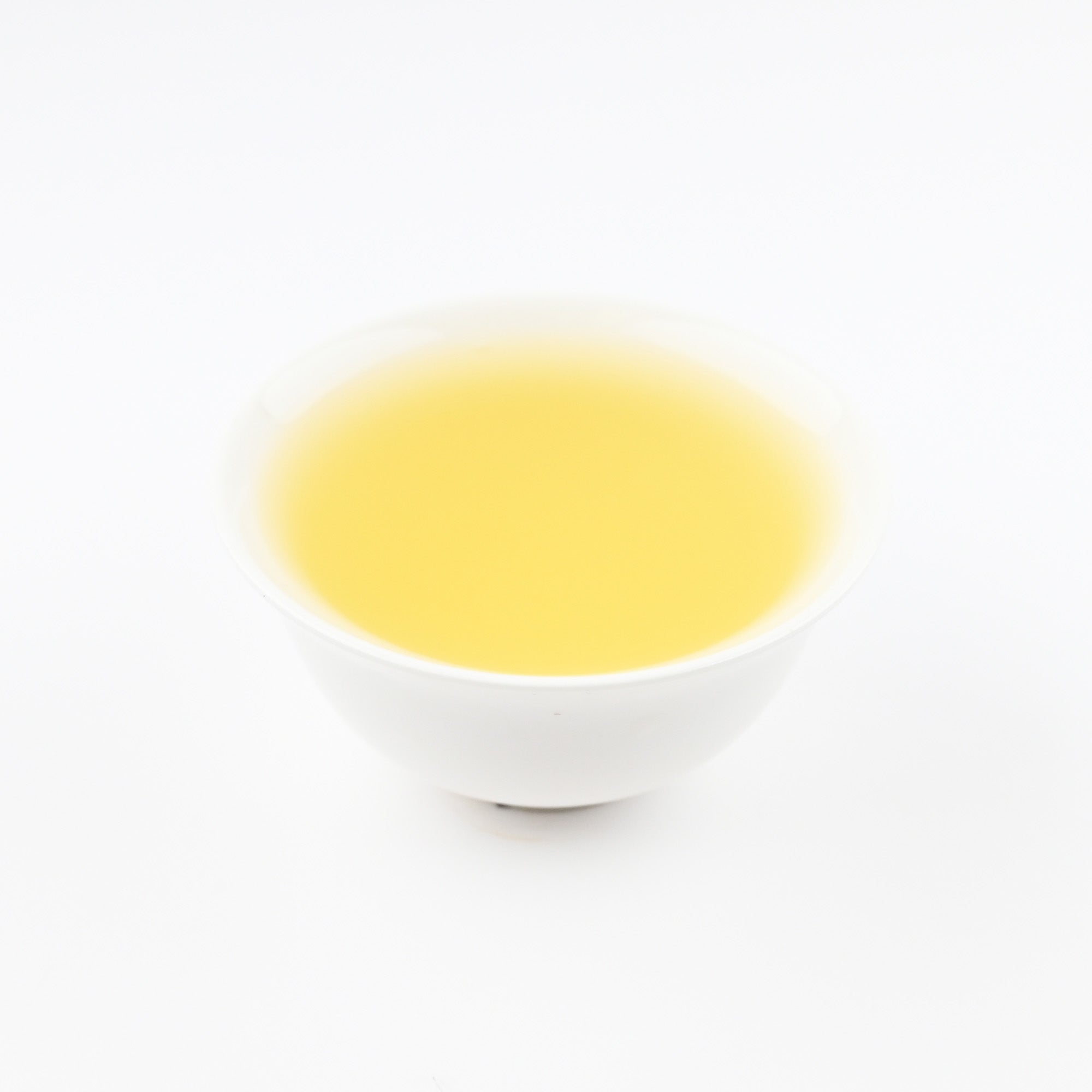
A green tea from Hoshino, Japan, briefly shaded from sunlight before the harvest.
Free Delivery
From €50 in BE and NL.

Pickup Available
In Zonhoven and Hasselt (BE).

Fast Shipping
Within 2-3 business days.

Secure Payment
Multiple payment options.