

Free Delivery
From €50 in BE and NL.

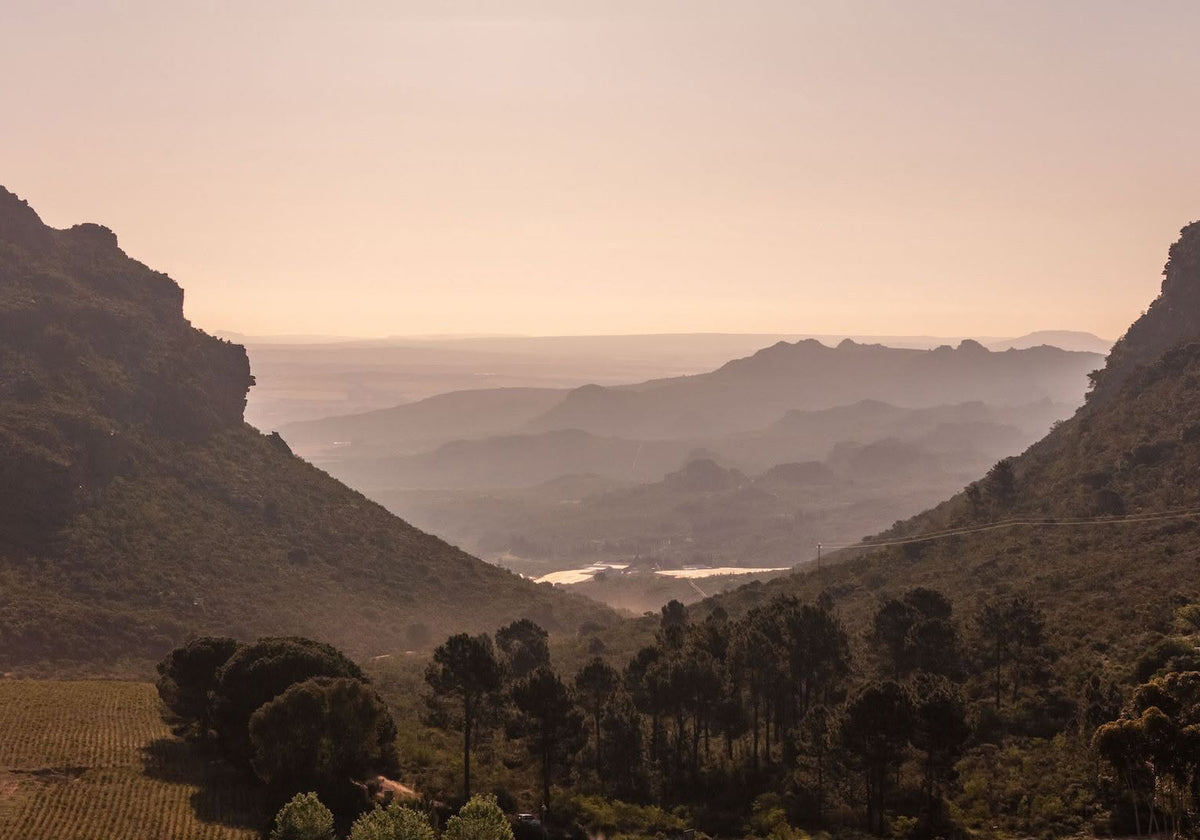
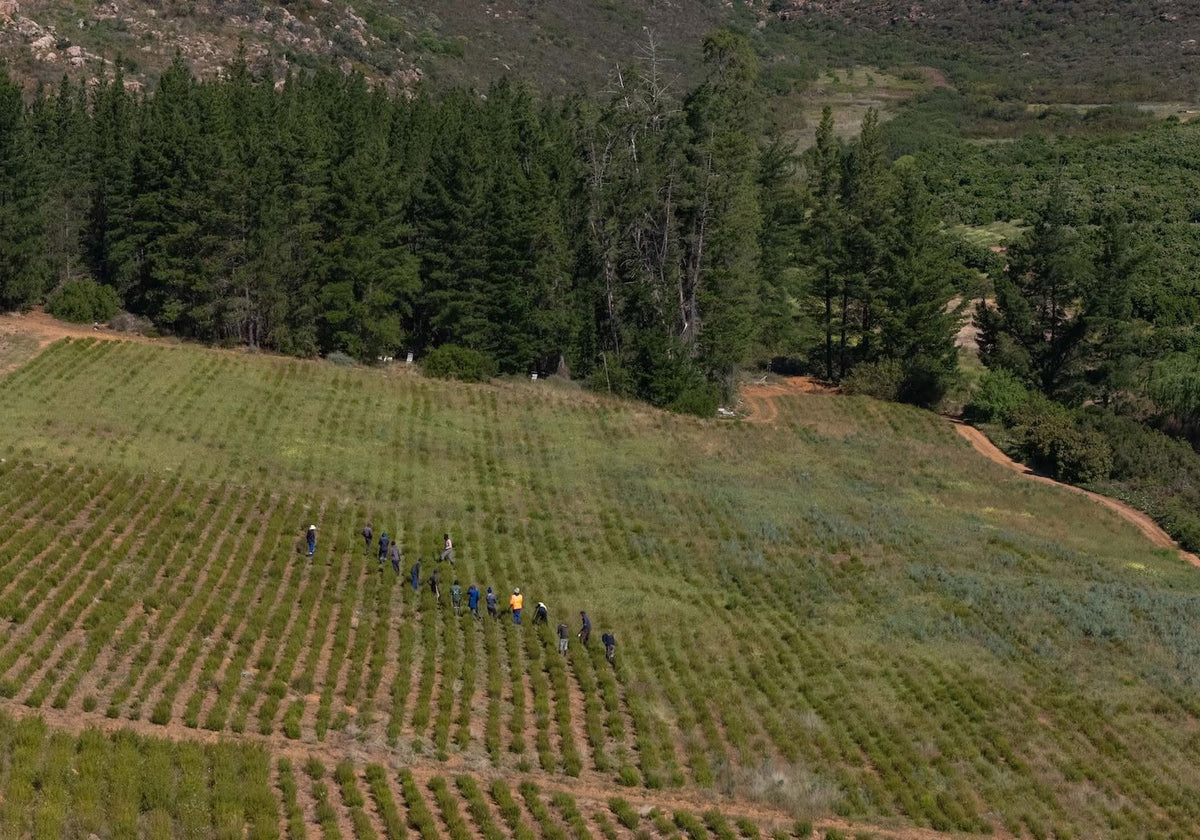
The Cederberg is a mountainous region north of Cape Town in South Africa, known for its wild landscapes and exceptional plant diversity. Two of those plants are found growing wild nowhere else in the world: rooibos and buchu.
On the Waterval farm, at the foot of the Skimmelberg, the family business of the same name has worked with these two plants for generations. Not as raw materials for a mass-market product, but as the starting point for a way of working that puts the nature, history, and community of the Cederberg at its centre.
Two herbs from the Cape
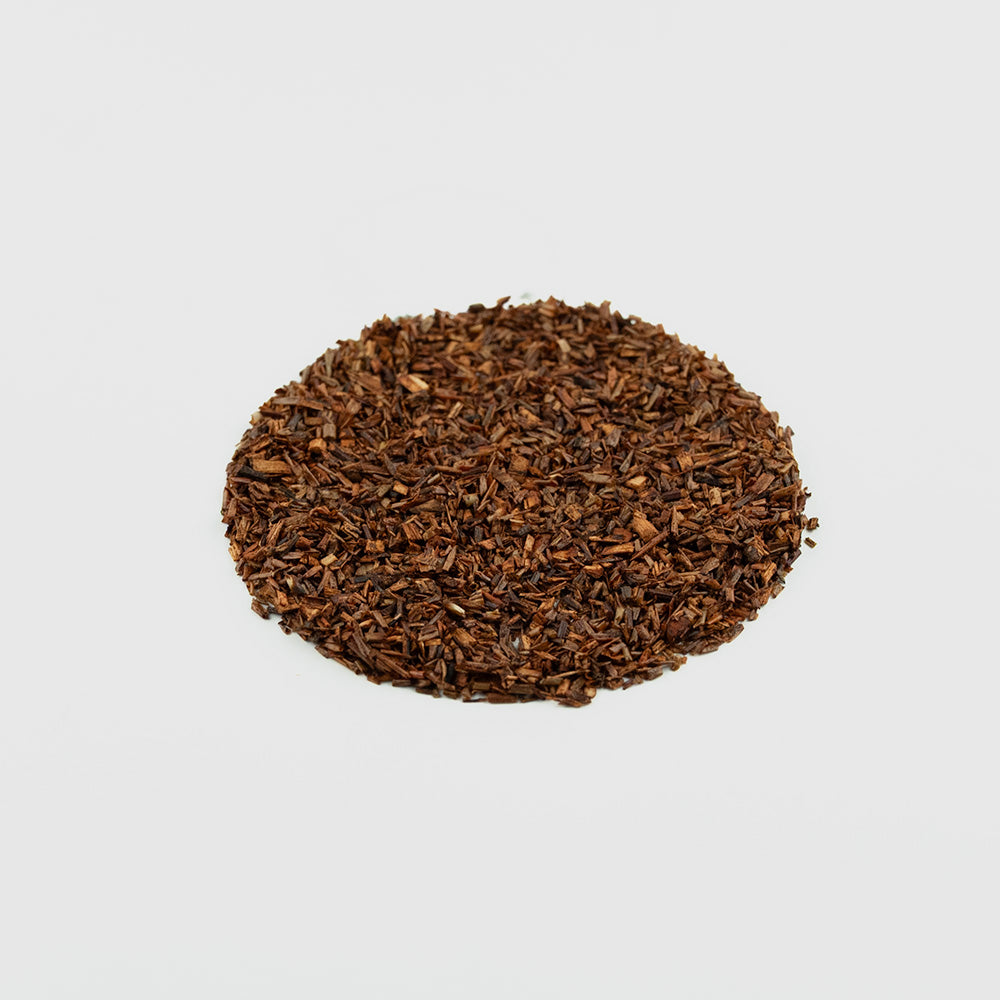
Rooibos and buchu are both considered herbal infusions. Rooibos (Aspalathus linearis) is the best known of the two worldwide, thanks to its reddish-brown colour and soft, lightly sweet flavour. It contains no caffeine. Buchu (Agathosma betulina) is less well known outside South Africa, but its strong aromatic scent and traditional use as a medicinal herb go back centuries.
The Cederberg, a world apart
The Cederberg forms part of the Cape Floristic Region, the plant-rich area around Cape Town that has been recognised as a UNESCO World Heritage Site since 2004. The region covers less than 0.5% of Africa’s total land area, yet is home to nearly 20% of all plant species on the continent. Such diversity of plant species is found nowhere else on the continent.
Rooibos and buchu are both part of the fynbos, the characteristic, shrubby vegetation that dominates the hills and mountains of this region.
From wild harvest to international herb
Of the two herbs, buchu has the longer history as a medicinal plant. Khoi herders who traversed the Cederberg for centuries were aware of its healing properties long before the first colonists encountered it. Through them, buchu found its way to Europe: in 1821, the herb was included in the British Pharmacopoeia, the official British register of medicines. By the mid-nineteenth century, it was being used regularly in the United States for urinary tract complaints.
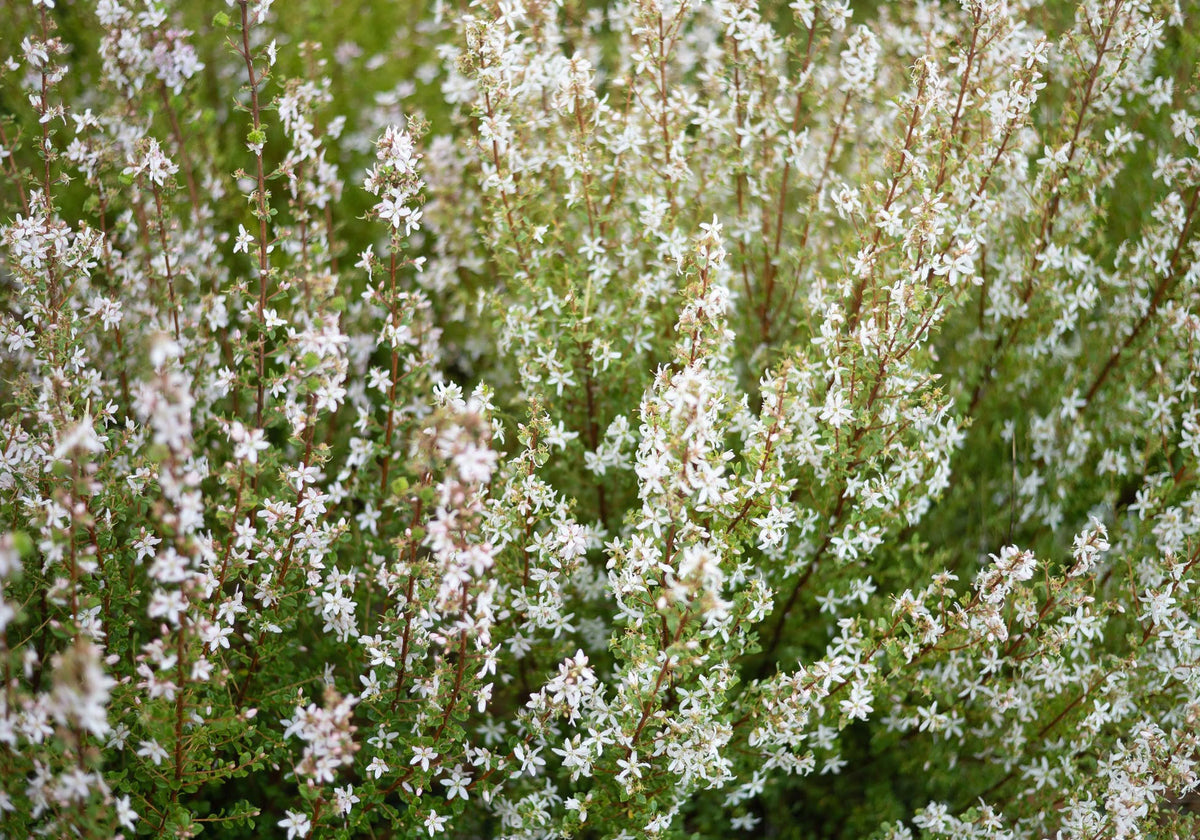
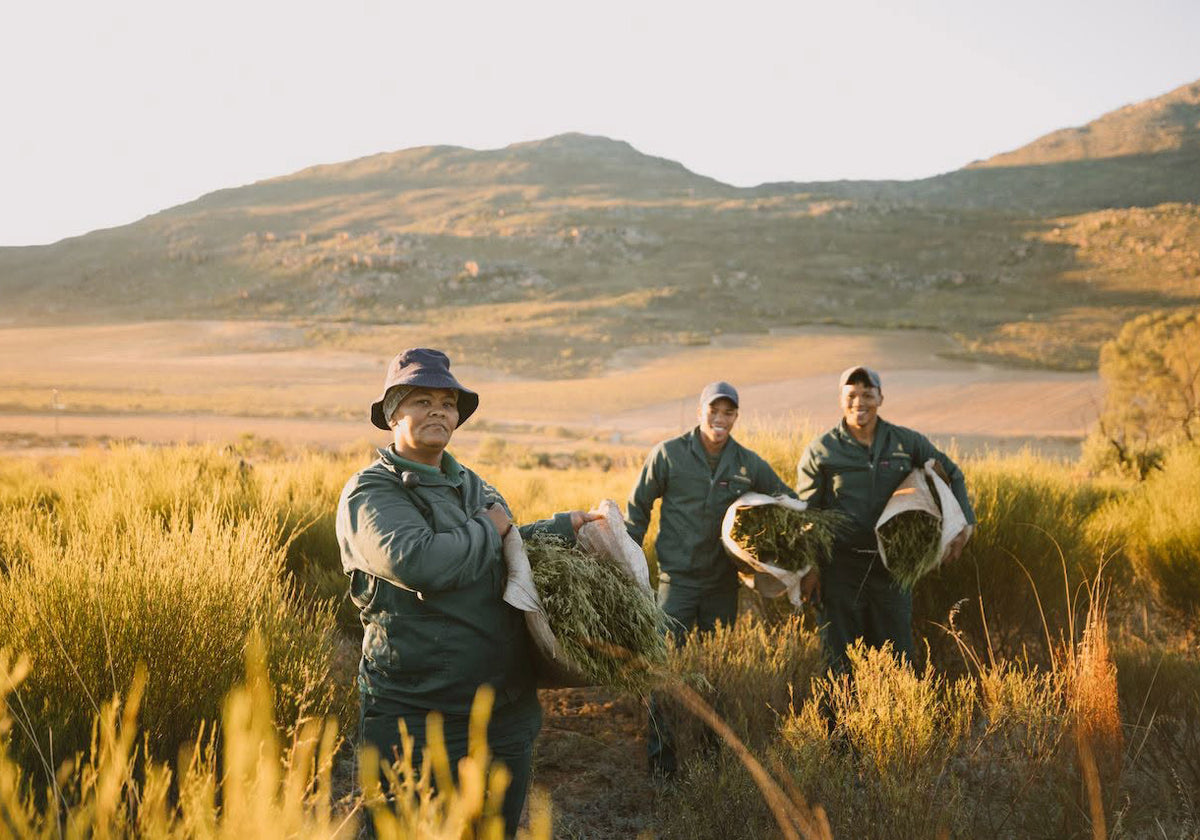
On the Skimmelberg estate, buchu was for a long time harvested exclusively from the wild: pickers carried the harvest down the mountain slopes on foot or by donkey. Rooibos was added later, as it grew steadily in popularity. Both plants are now cultivated rather than wild-harvested, which protects the wild populations from overexploitation and at the same time ensures a stable harvest.
Grower and processor in one
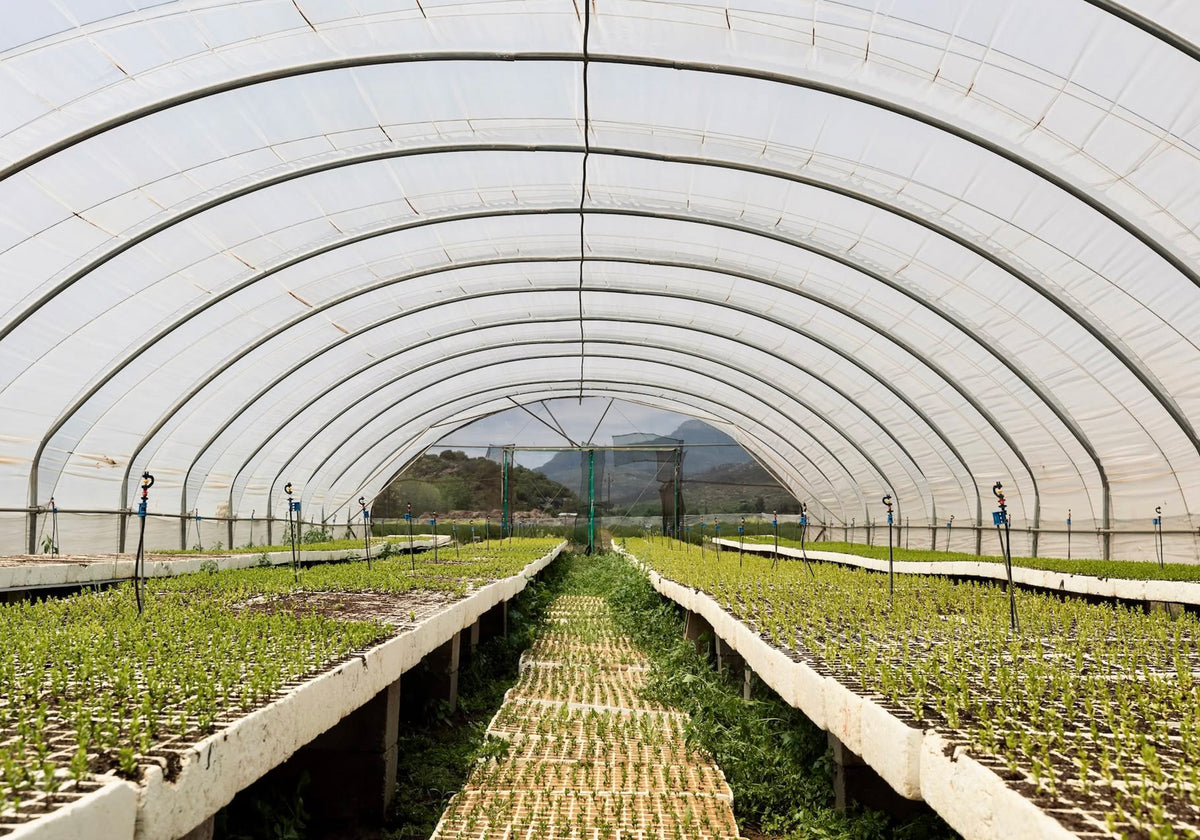
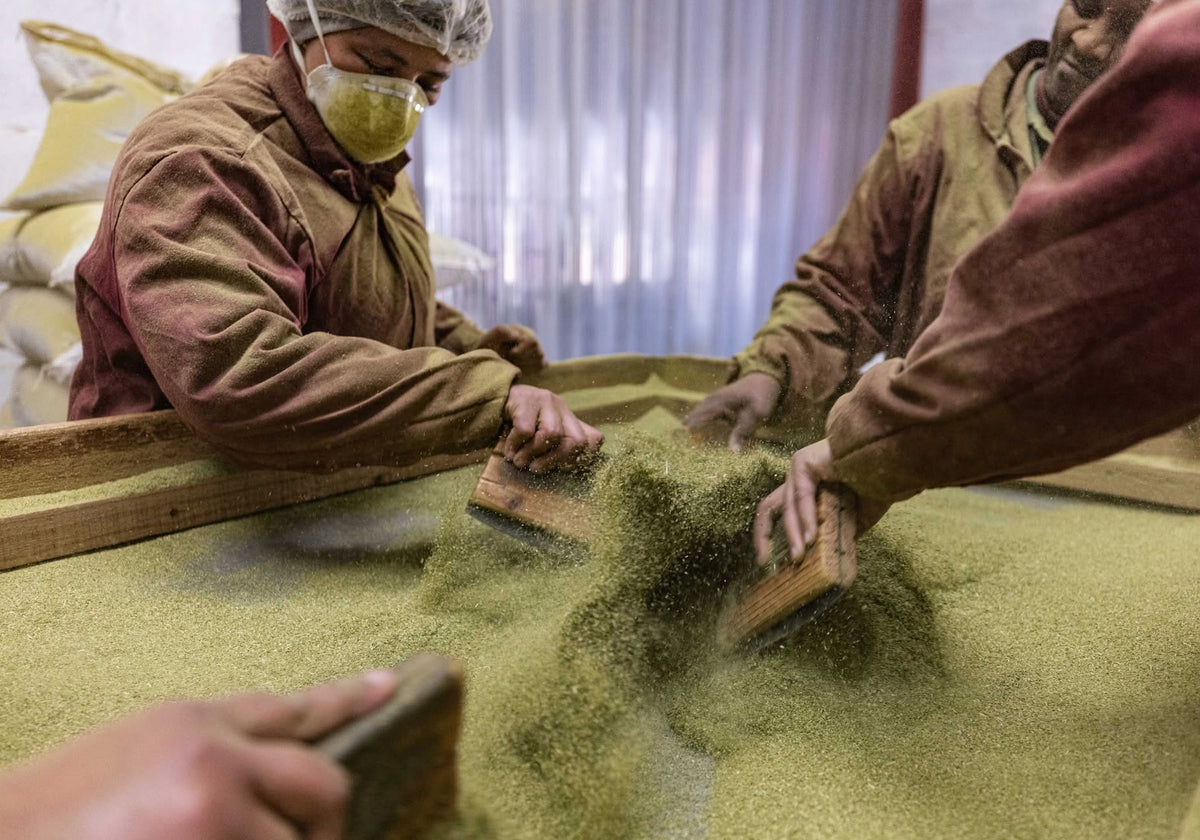
Skimmelberg is responsible for the harvesting, processing, and packaging. Everything takes place on the same site, by the same people, without the involvement of external parties. This way of working builds up a wealth of experience and knowledge: when a plant is ready to harvest, how the soil responds to a dry season, what adjustment a particular harvest requires. Such insights only grow from one generation to the next.
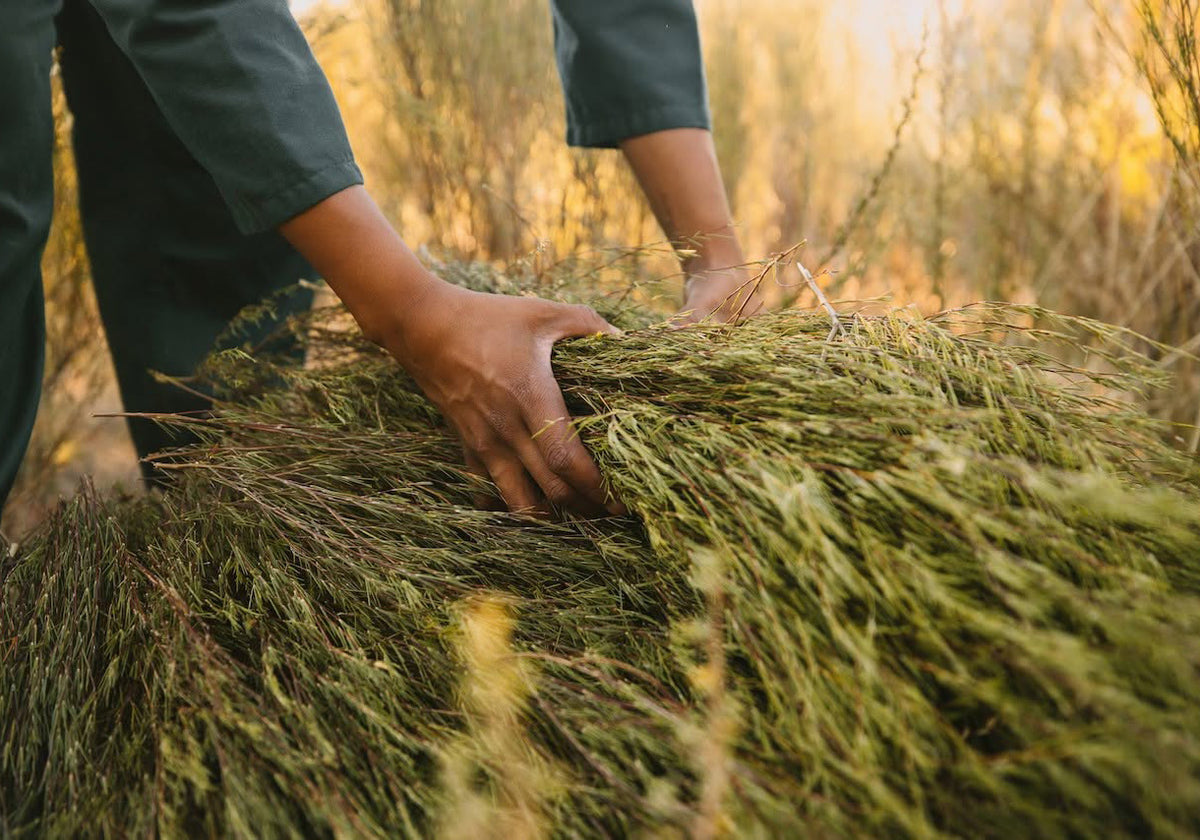
Harvesting is done selectively to protect the plant. Soil sensors help to calibrate irrigation precisely to what the plants need at any given moment. Light mechanisation takes over physically demanding work without compromising quality. After the harvest, each batch is tested separately to monitor flavour and quality.
Land returned to nature
The greater part of the Waterval farm is not designated for production, but for conservation. Through an agreement with CapeNature, the official nature conservation authority of the Western Cape, the Skimmelberg Nature Reserve was established on the farm itself.
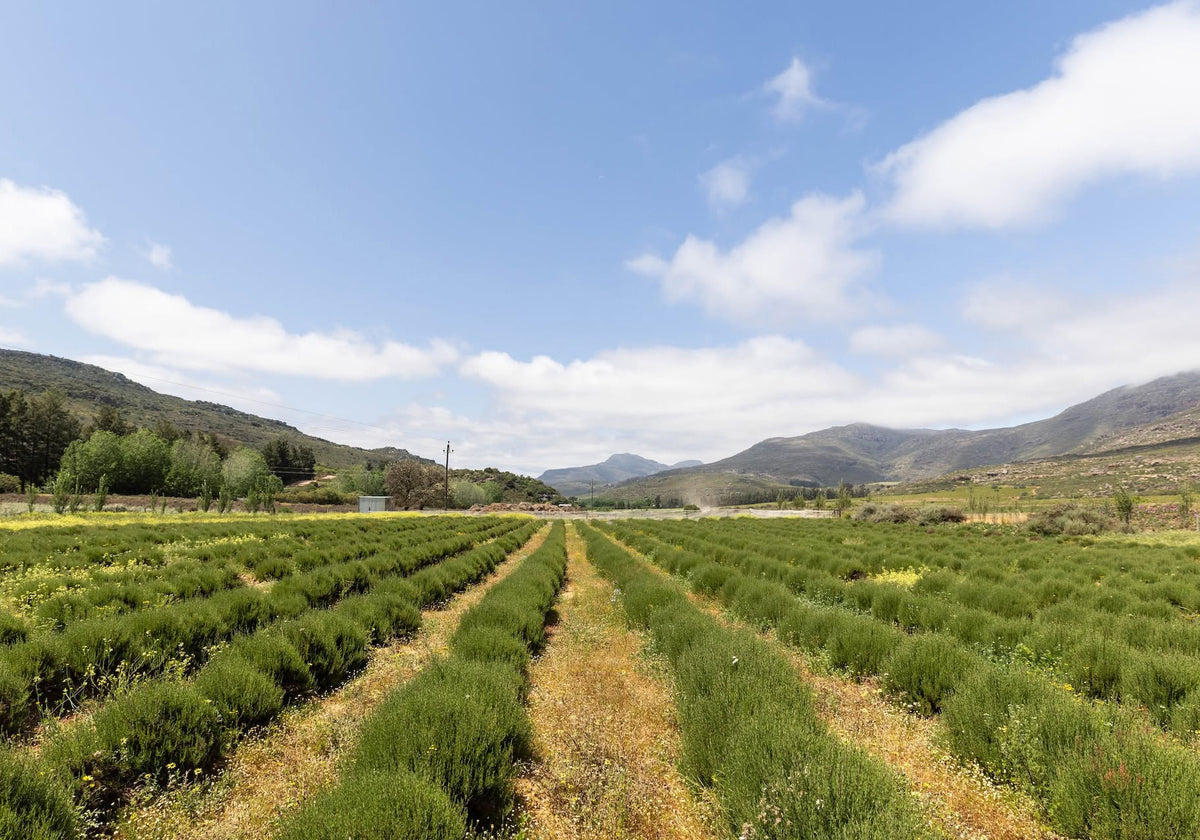
Skimmelberg also forms part of the Greater Cederberg Biodiversity Corridor, a collaboration between various landowners in the region. The aim is to connect a fragmented landscape so that animals and plants can move freely between the separate nature reserves.
That connection to the surroundings is also reflected in the logo: the Protea Magnifica, known as the queen protea, is a flower with the second-largest flowerhead of all protea species, and grows on the summit of the Skimmelberg itself.

The Benefit Sharing Agreement with the Khoi-Khoi and San
In 2013, Skimmelberg received a bioprospecting permit, an official licence that allows the company to process and sell buchu commercially, something that is not permitted without it.
A Benefit Sharing Agreement with the San and the Khoi-Khoi followed later. These are the communities who were the first to know of buchu’s healing properties. Such agreements are legally required in South Africa when a company builds on traditional knowledge. They ensure that this knowledge cannot be used without formal recognition for the original knowledge holders.
Methods and certification
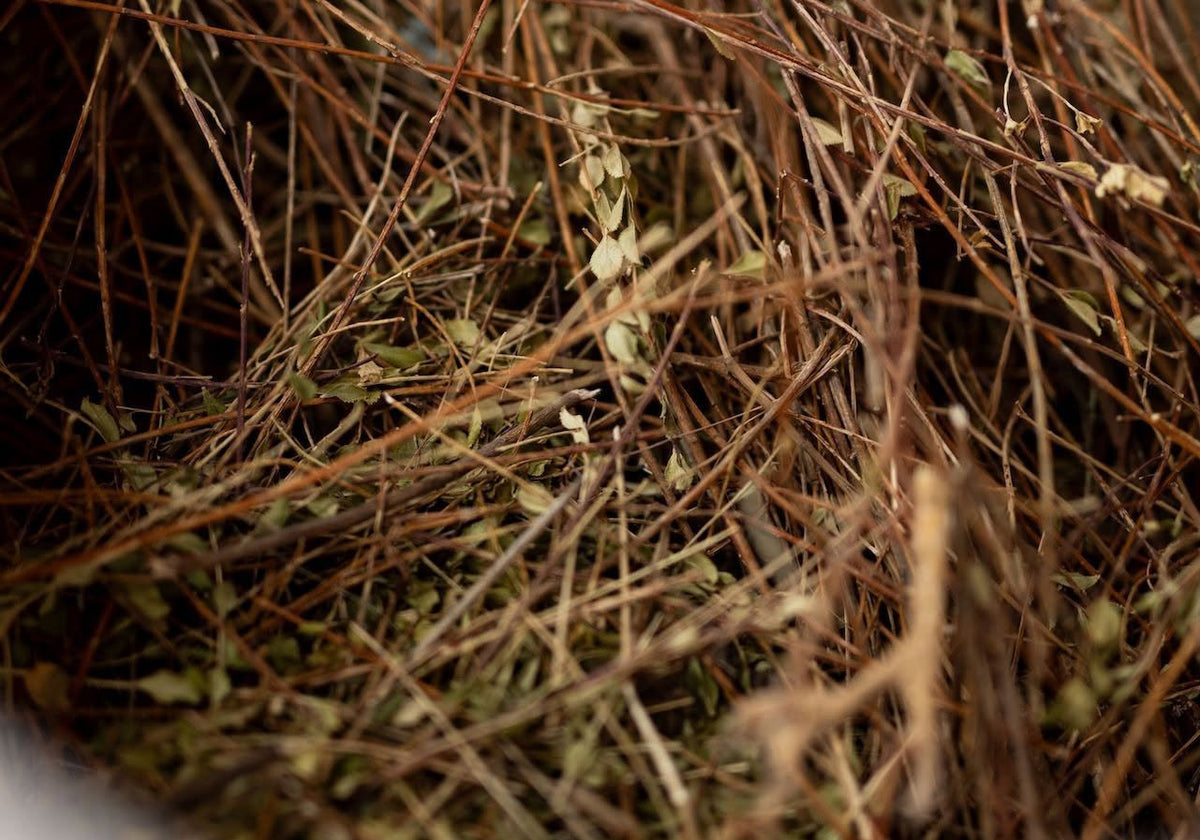
No artificial fertiliser is used on the farm. Instead, worms convert plant matter into organic compost that feeds the soil. In addition to rooibos and buchu tea, Skimmelberg also processes the plants into essential oils and skincare products such as soap. The equipment for this runs on carbon-neutral fuel. CERES, an organisation that audits farms for organic practices, certifies Skimmelberg’s production.
Those who wish to visit the farm can join a guided tour to see the nurseries where the rooibos and buchu seedlings are grown, and the worm-based composting system that produces the organic fertiliser. The tour ends with a tea tasting on the estate itself.
Skimmelberg and Tea Kulture
Skimmelberg works without pesticides or artificial fertiliser. The company grows and processes entirely in-house, and through the Benefit Sharing Agreement recognises the Khoi-Khoi and San as the original holders of knowledge about buchu. These are precisely the criteria against which Tea Kulture assesses its producers: direct trade without intermediaries, respect for nature, and fair recognition of who does the work.
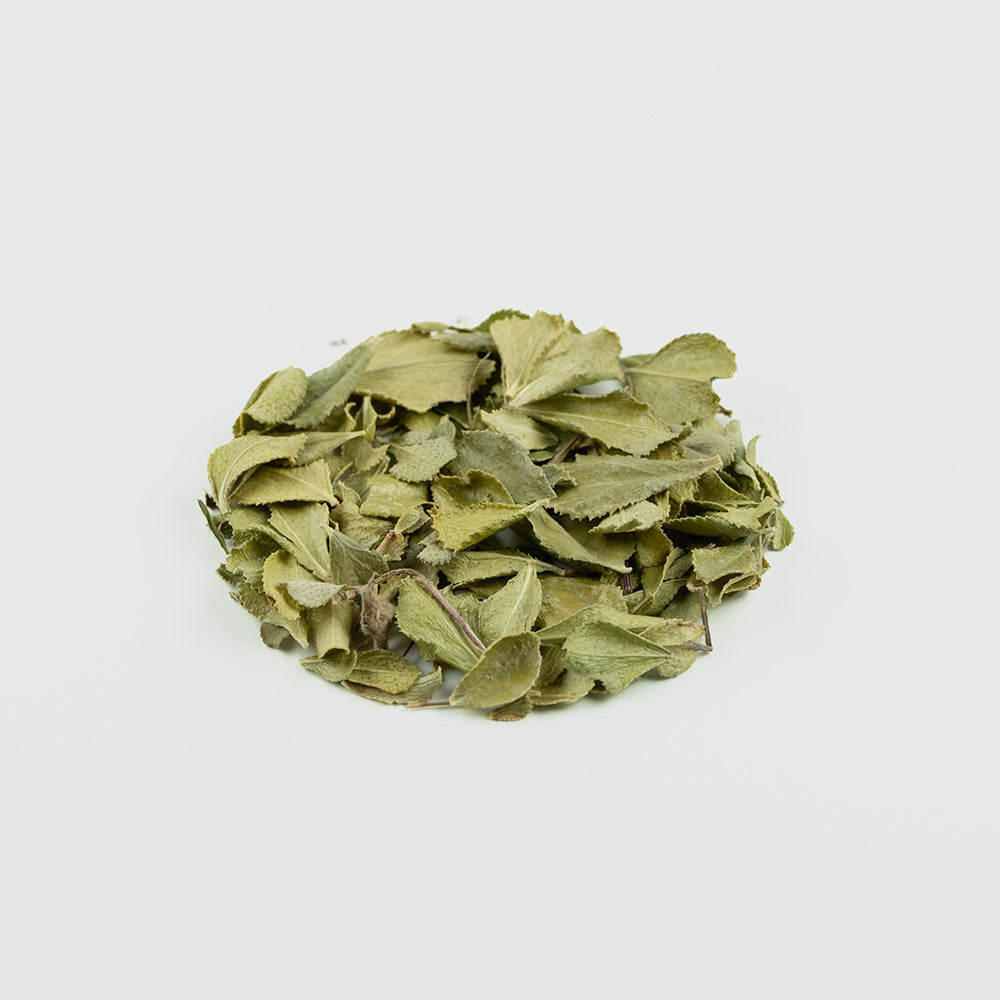
A herbal infusion from the Cederberg with notes of mint and blackcurrant.
Free Delivery
From €50 in BE and NL.

Pickup Available
In Zonhoven and Hasselt (BE).

Fast Shipping
Within 2-3 business days.

Secure Payment
Multiple payment options.