
%20was%20established%20in%202020%20by%20a%20group%20of%20eig...)

Free Delivery
From €50 in BE and NL.
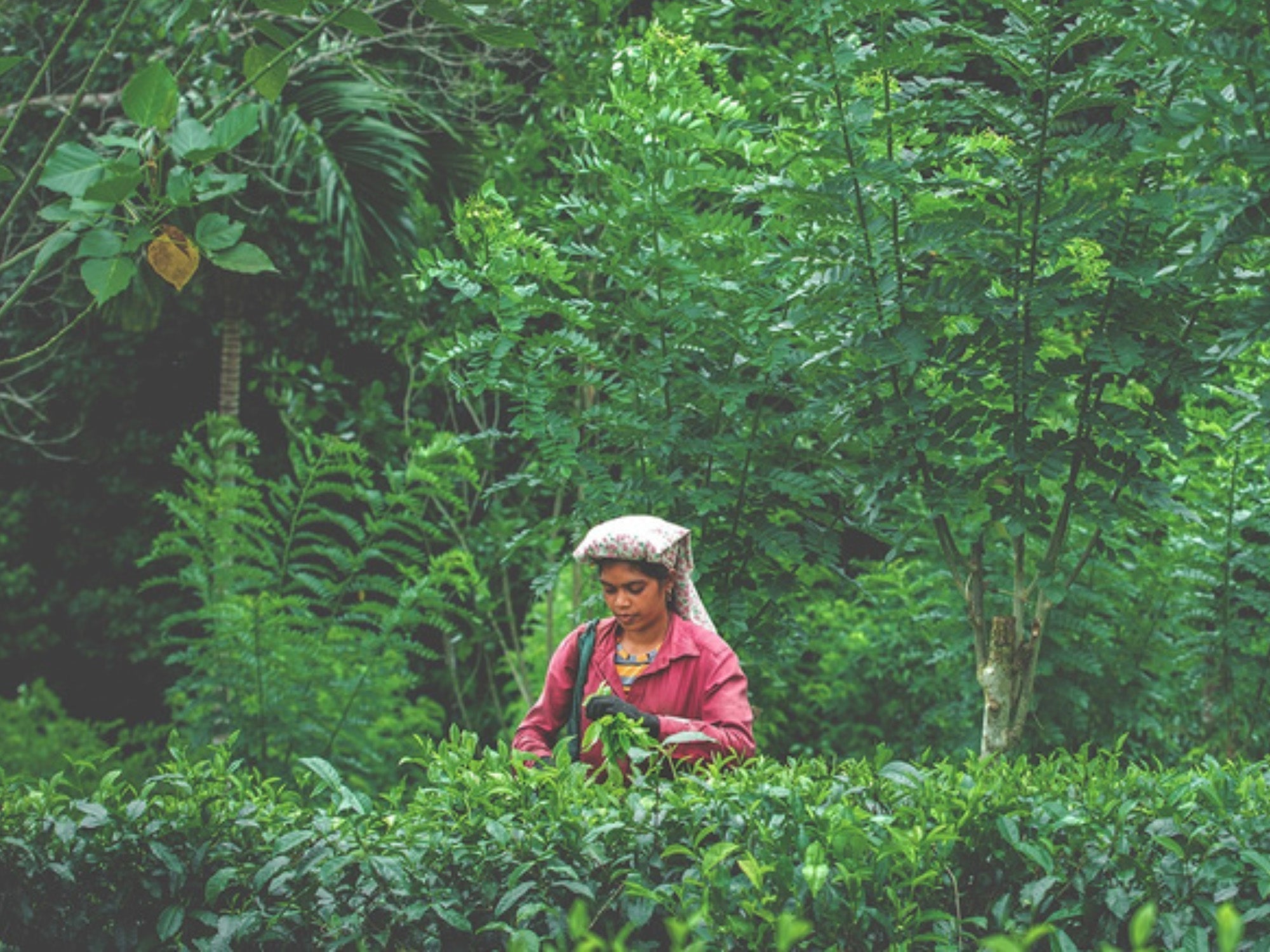
Sri Lanka is a country with a rich tea history and home to Ceylon tea. The island is today known for some of the finest teas in the world. While the majority of production goes into familiar teabags, demand for artisan, hand-picked tea is growing worldwide.
Tea lovers are looking for provenance, craftsmanship, and character: precisely what Sri Lanka has in abundance.
The Ceylon Artisanal Tea Association (CATA) was established in 2020 by a group of eight small-scale tea farmers. Together they bring a range of unique teas to market. Each member works in a different region, creating a natural diversity of terroirs.
From the hills of Uva and the rugged ridges of the Knuckles, through the highlands of Dimbula and Nuwara Eliya, to the slopes of Sri Pada and the rainforests of Ruhunu: each area has its own character. Altitude, mist, sun, rain, and soil types differ across each microclimate and give tea a recognisable profile: fresh and floral, full and spicy, or earthy and deep.

CATA has one clear ambition: to strengthen the production of handcrafted tea in Sri Lanka and to showcase the richness of Ceylon tea internationally through a distinctive, high-quality offering. Transparency, small-scale processing, and respect for provenance are central to everything they do.
At the same time, the network focuses on better wages and living conditions for tea farmers and workers, with attention to the environment.
Read more about Tea Leaf Trust, an organisation that gives young people on Sri Lankan tea plantations access to education and new opportunities.
Smaller batches, careful selection of tea leaves, and artisan techniques produce exceptional teas, while short supply chains and direct relationships with customers strengthen the bond between producer and enthusiast.
Tea Kulture works with four tea gardens within CATA. Each plantation has its own story, landscape, and style.
Kaley Tea is situated in the southern lowlands, surrounded by large areas of forest and bordering the Sinharaja rainforest. Sunshine and tropical monsoons alternate, while natural streams feed the terroir.
The hand-picked leaves wither under the influence of the characteristic forest winds. The low altitude and warm conditions produce teas with aromas of ripe fruit and spiced undertones, depending on the cultivar and picking time.
Kaley Tea works with respect for biodiversity: forest edges are kept intact, waterways are protected, and the garden remains interwoven with the surrounding ecosystem.
Read more about Kaley Tea Estate.

At 1,000 metres, above the Ravana Ella waterfalls in Uva, lies Amba Tea Estate. The philosophy is simple and effective: if it grows, make something beautiful from it.
All processing of the tea leaves is done by hand, from withering and rolling to drying and sorting. Amba pioneered hand-rolling and has since become a reference point for artisan quality. Amba tea features in the assortment of renowned shops and restaurants worldwide.
Read more about Amba Tea Estate.
At the foot of Adam's Peak, in Sabaragamuwa at an altitude of 900 metres, Forest Hill Tea is located on the historic Warnagala plantation. The land remained largely untouched for a long period and developed into a forested landscape with great biodiversity.
Among tall tea trees, some ten to twenty metres high, many native plants grow. That combination of shade, variety, and deep roots gives the leaves access to nutrient-rich soil layers. The result: tea with a pronounced earthy and natural character.
Processing takes place in small quantities, by hand, and with attention to sustainability, from care for the soil to preservation of the forest edge.
Read more about Forest Hill Tea.

Monkeytail Tea is based at Gammaduwa Bungalow and Organic Tea Gardens. It is a small-scale social enterprise offering guests an intimate experience in the hills, while artisan teas are produced in the garden and factory.
All employees come from the nearby village. This keeps knowledge within the community and supports local employment. The style ranges from refreshing, more lightly processed teas with floral notes to more pronounced, spiced profiles.
CATA brings together skilled producers from diverse landscapes, from misty highlands to rainforest valleys, and gives small tea gardens a shared platform. Tea Kulture brings these stories together in a selection that lets provenance and craftsmanship speak for themselves: hand-picked, artisan-processed, small-scale, and full of character. The diversity of Ceylon tea comes fully to life, with respect for people, nature, and tradition.
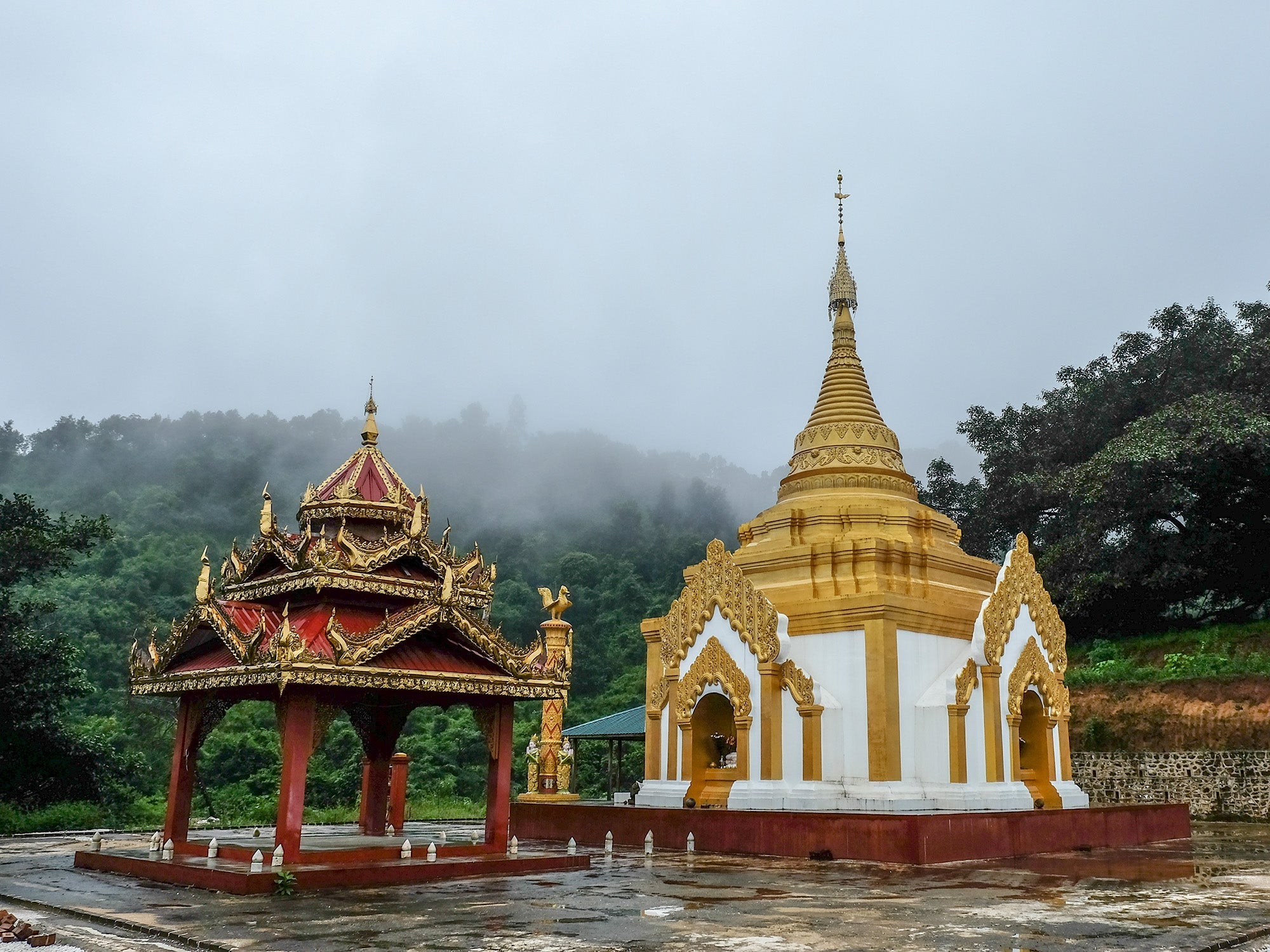
The origins of Mogok Tea in the Valley of Rubies
Ancient banyan trees, ruby mines, and tea fields: in Mogok, a region in northern Myanmar, they have existed alongside each other for centuries. Mogok has been known for its rubies for 800 years and...
Read more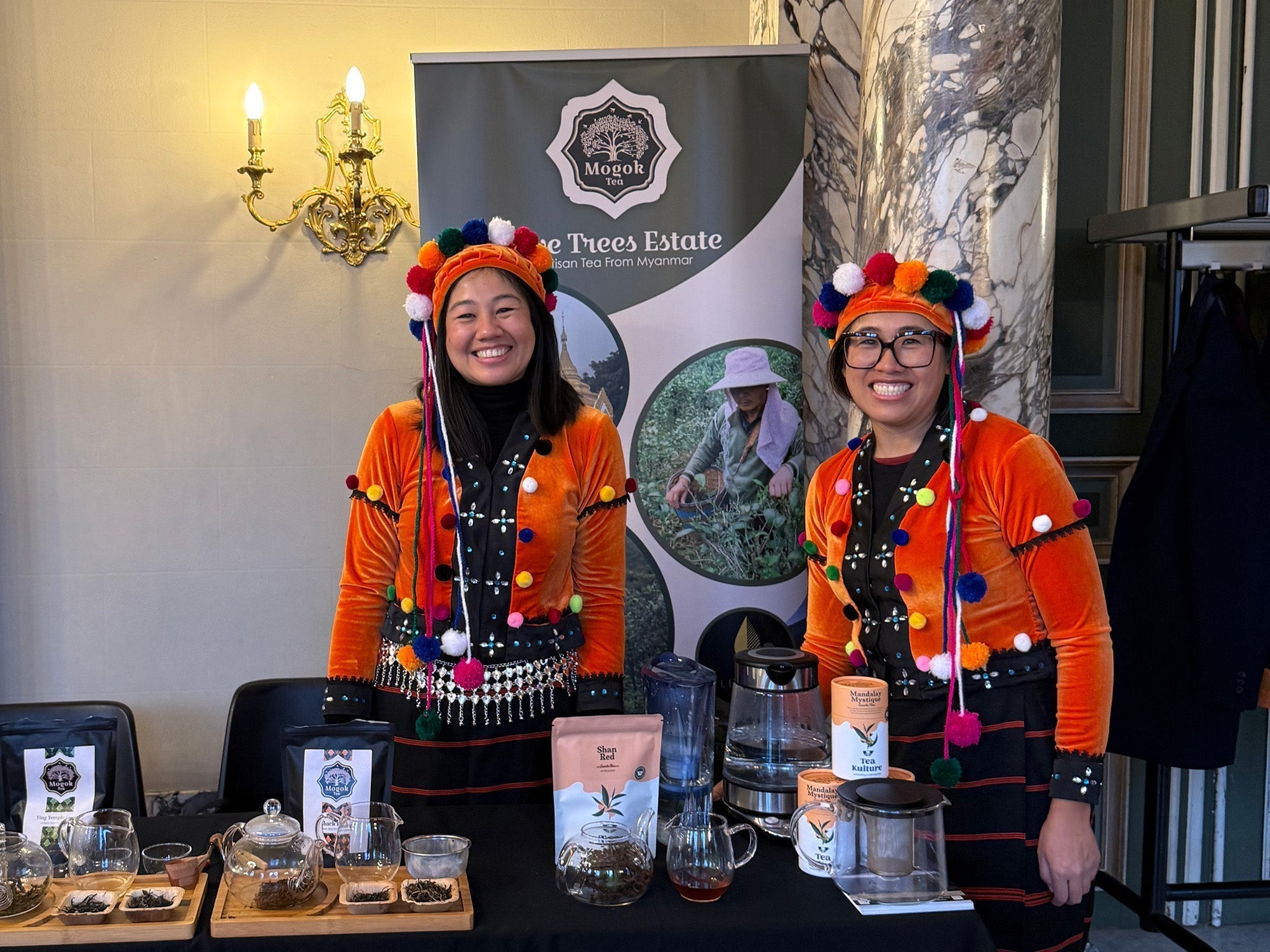
PUUR Photography Exhibition: Images in Support of Myanmar
Four photographers brought their lenses together at the beautiful Kasteel Borluut (Sint-Denijs-Westrem) during the second edition of PUUR. An exhibition of genuine, honest, and pure images.
Read more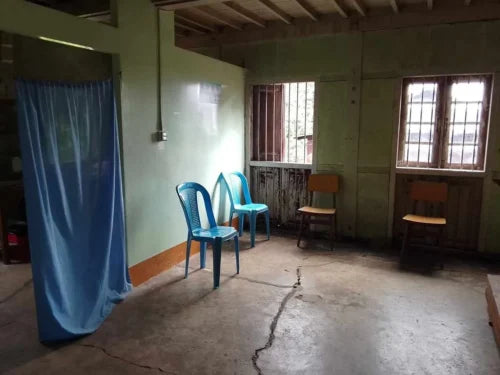
Medical care for Kyauk Saung in Myanmar
In the heart of Myanmar lies the village of Kyauk Saung, home to Mogok Tea. Against the backdrop of an ongoing civil war and an acute lack of healthcare, Tea Kulture provided medical assistance to ...
Read moreFree Delivery
From €50 in BE and NL.

Pickup Available
In Zonhoven and Hasselt (BE).

Fast Shipping
Within 2-3 business days.

Secure Payment
Multiple payment options.