

Free Delivery
From €50 in BE and NL.

When people think of tea, they often think of China, India, or Japan. Myanmar, once known as Burma, is less present in that picture, though tea has held a place here for centuries. From the misty mountains of Shan State to the busy teahouses of Mandalay, tea runs through daily life like a red thread.
In Myanmar, tea is never only about taste. It embodies the bond between land, people, and tradition. Every bush carries the stories of generations. Producers such as Mogok Tea, active in the Mandalay region, continue this heritage.
Despite political instability, international interest is growing, as more tea lovers discover an origin defined by diversity, distinctive styles, and strong character.
Legends and trade routes
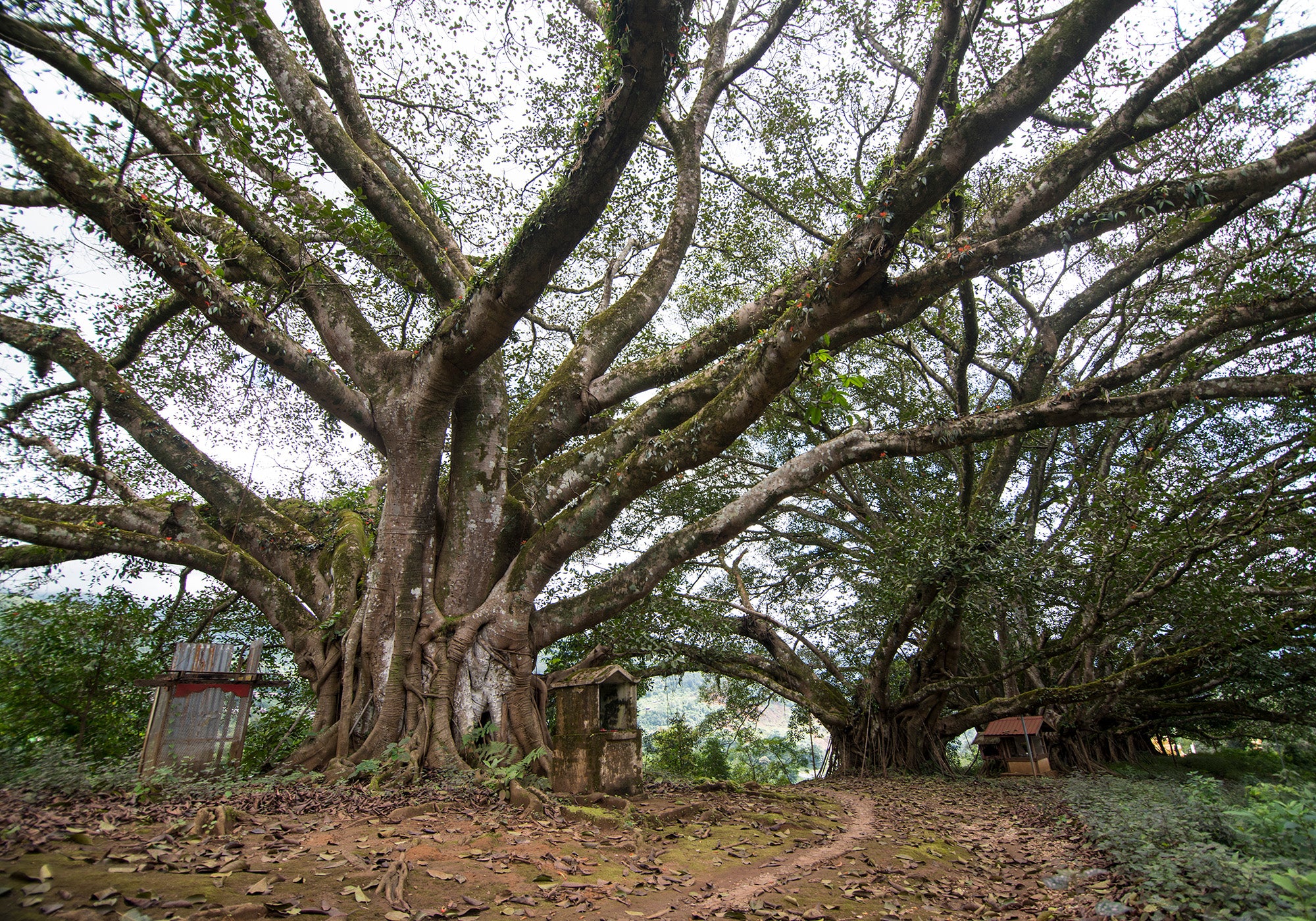
To understand tea in this region, one must go back centuries. According to legend, King Alaungsithu gifted tea seeds to the Palaung people in the twelfth century. To this day they harvest the slopes around Namhsan, maintaining a tradition passed down through countless generations.
Centuries later, merchants carried sacks of tea along the Ancient Tea Horse Road, a network of mountain trails linking the region with China, Tibet, and beyond. Tea travelled alongside spices, crops, and ideas.
Features of production
The country now produces between sixty and seventy thousand tons of tea each year. Around seventy percent is green tea, about twenty percent is post fermented such as laphet, and roughly ten percent is black.
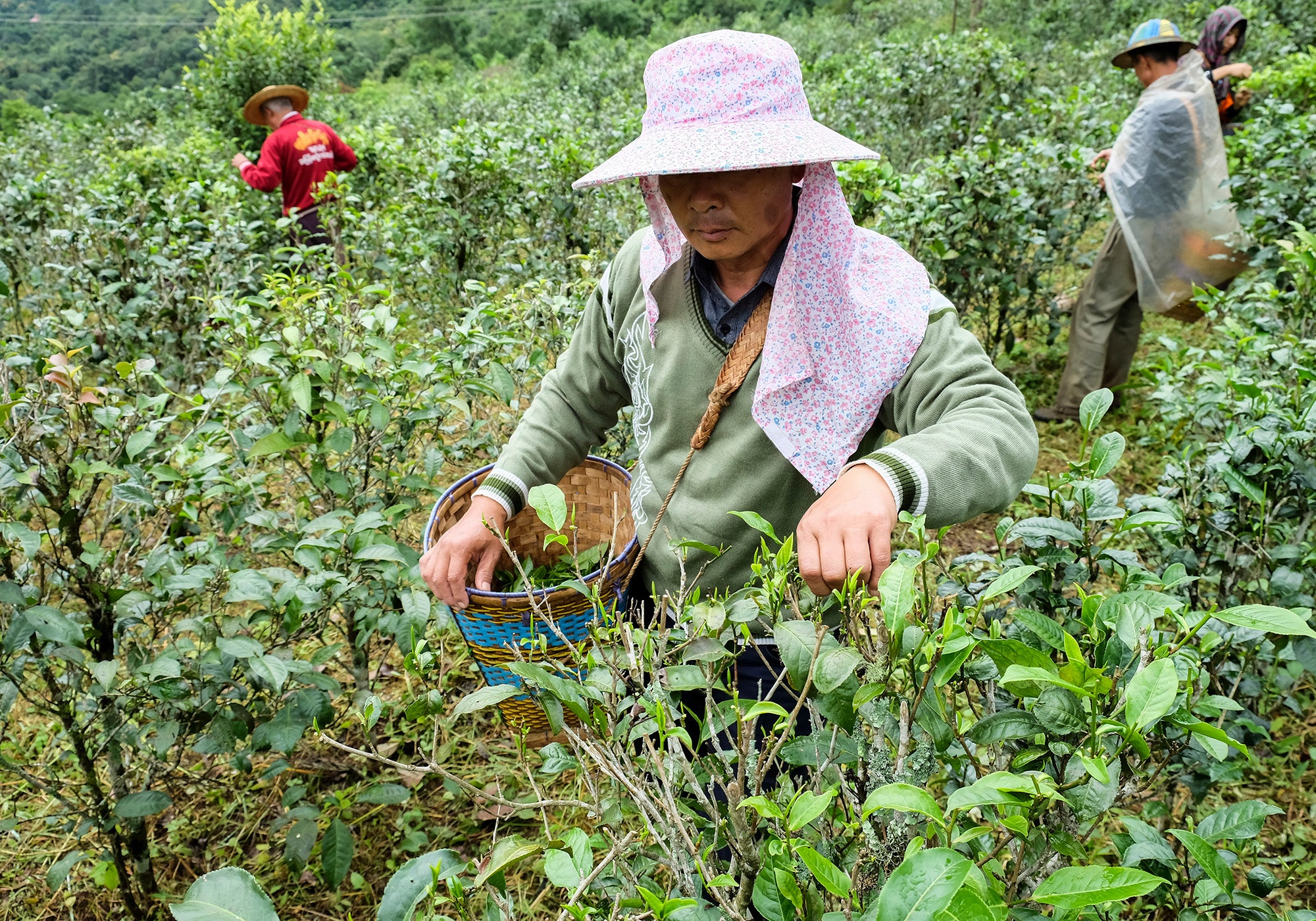
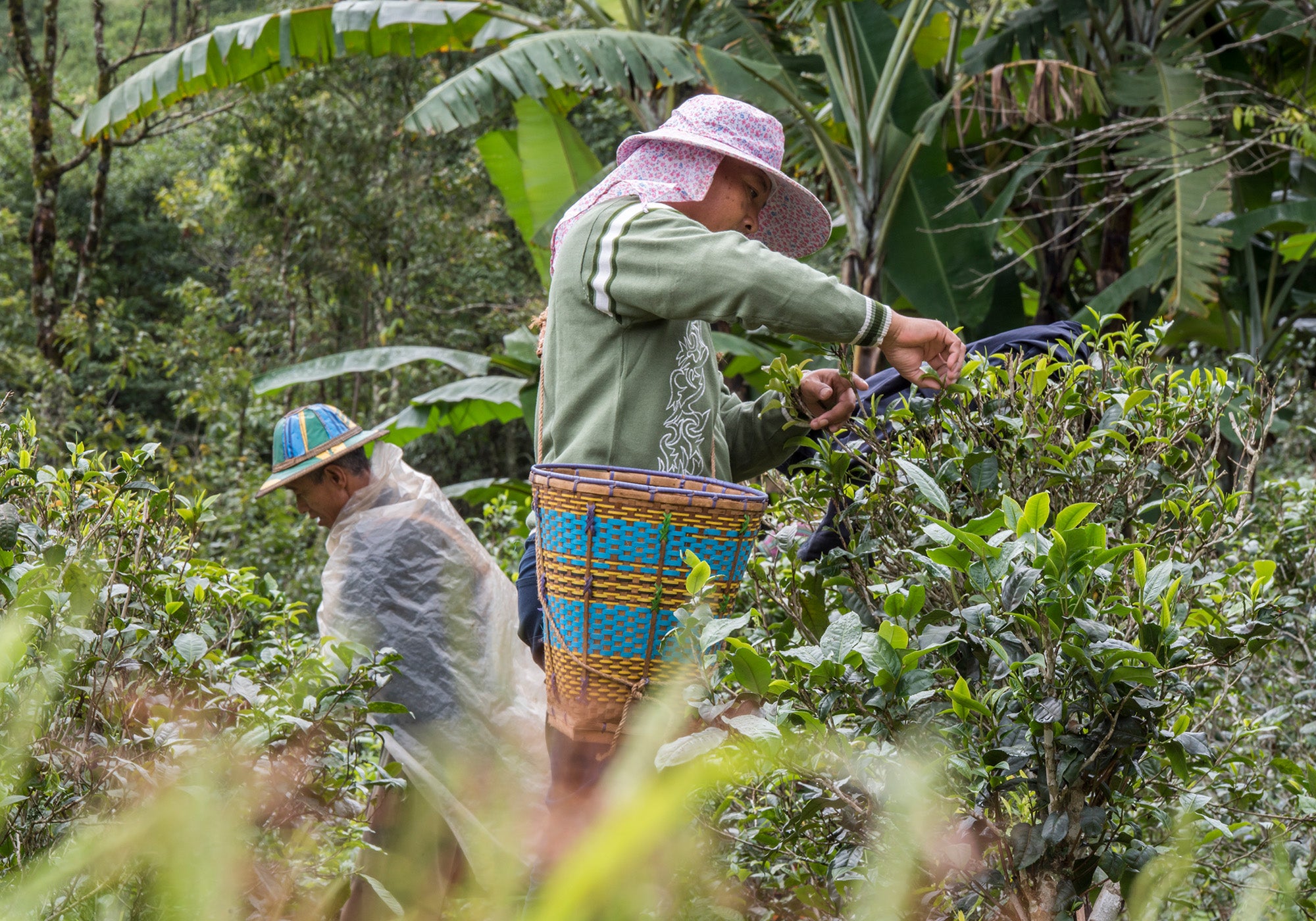
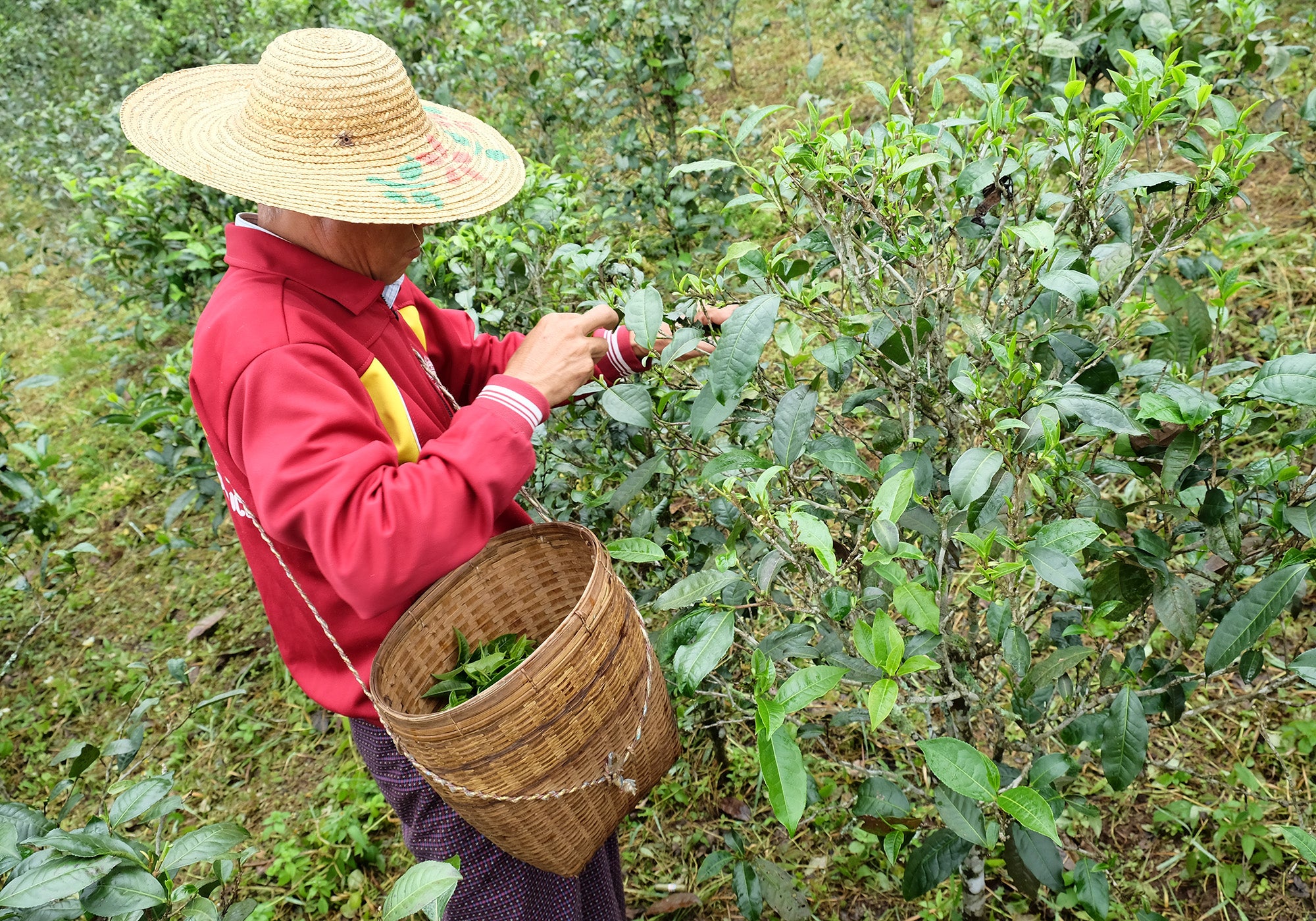
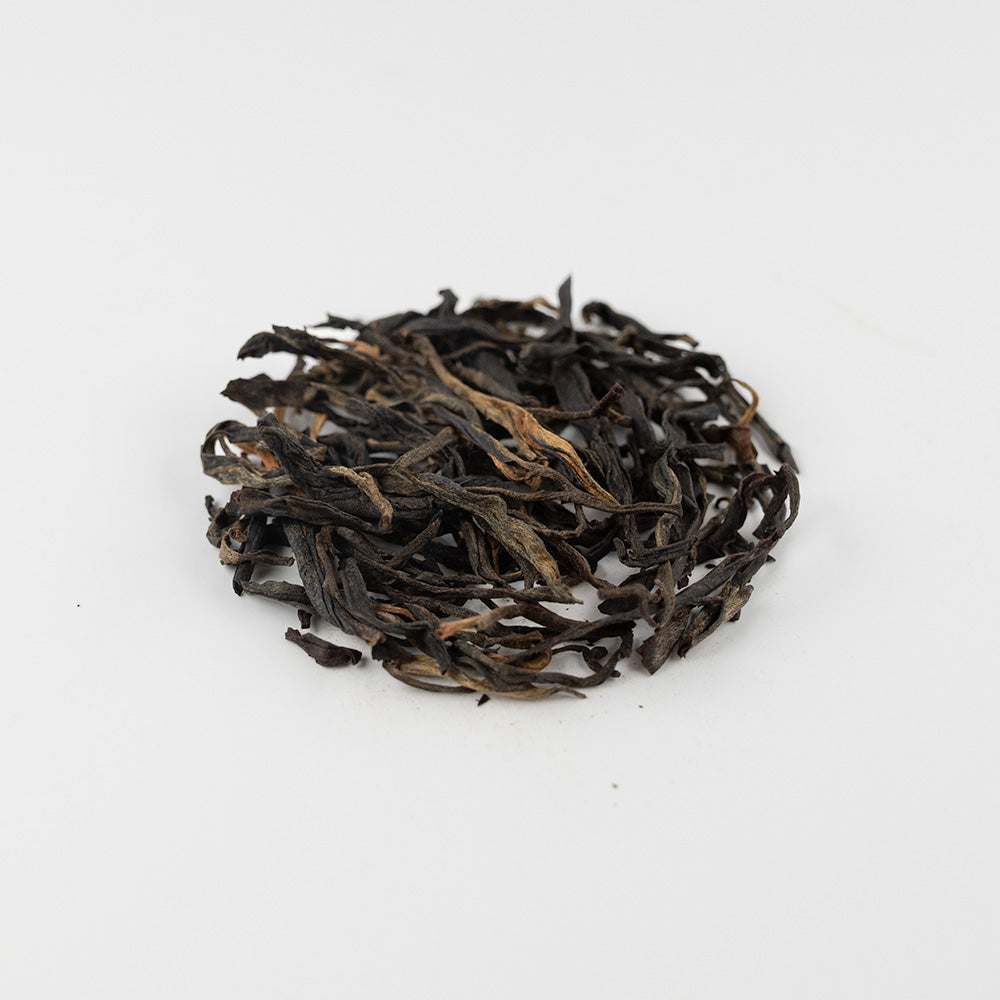
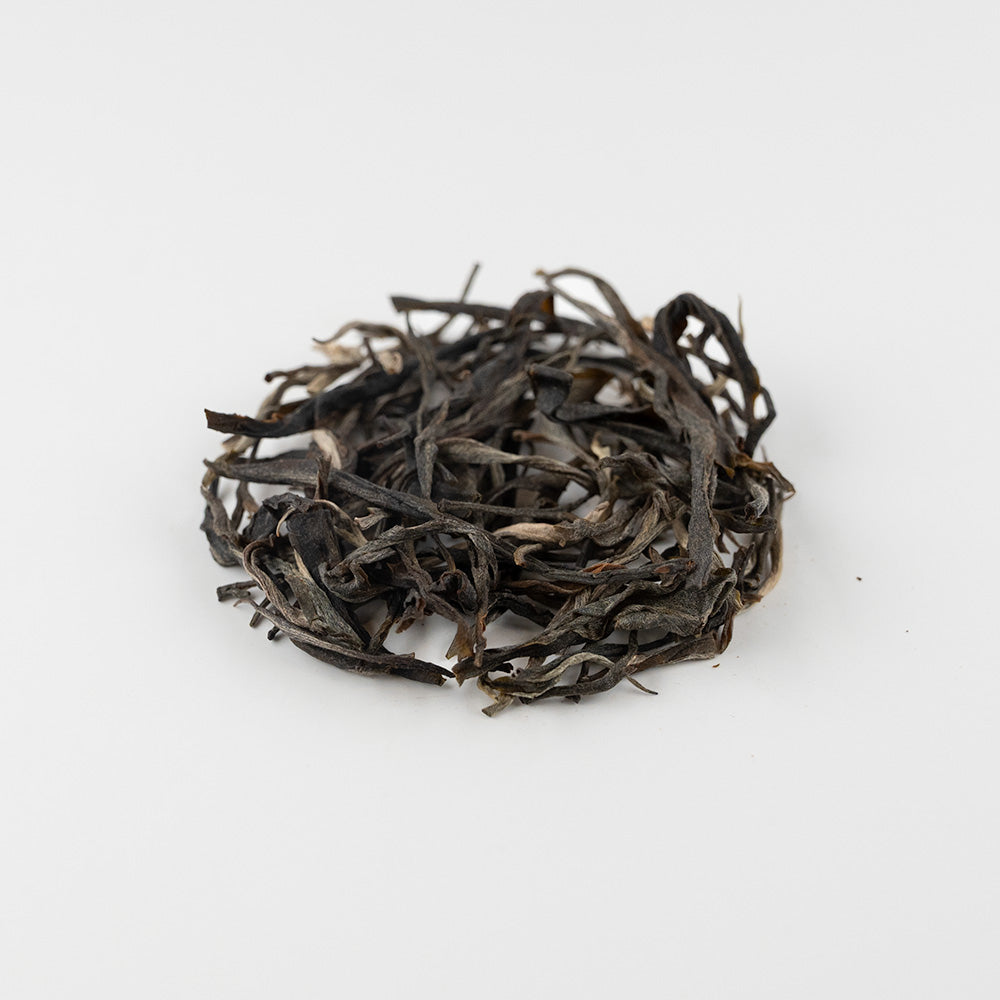
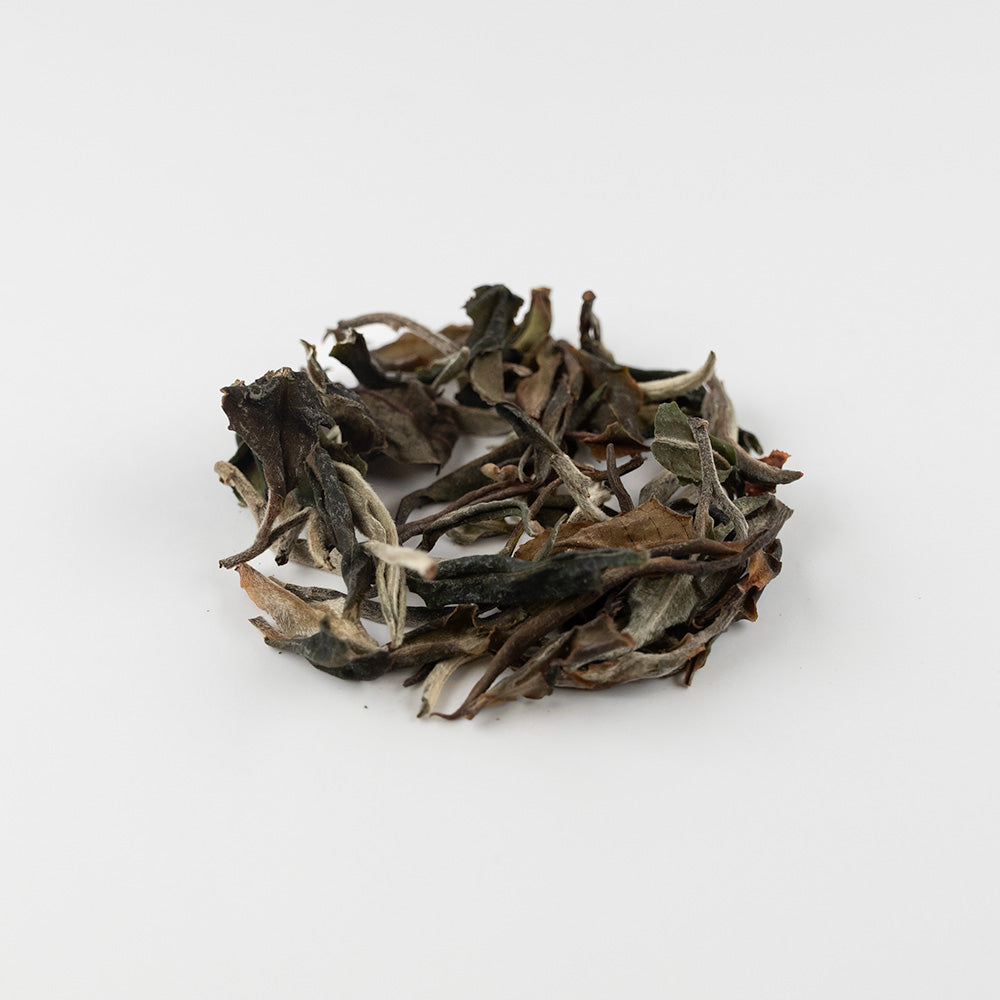
For export, the focus lies on artisanal, high quality production. In Shan State in particular, small farming families hand pick and process their leaves with care. Their skill produces teas that range from delicate whites to bold blacks with floral notes. This diversity makes it an attractive origin for global markets increasingly focused on provenance and terroir.
Three harvest seasons
The climate shapes three distinct harvests, each leaving its mark on flavour:
For farmers, these rhythms decide income, workload, and the styles they bring to market.
Key regions
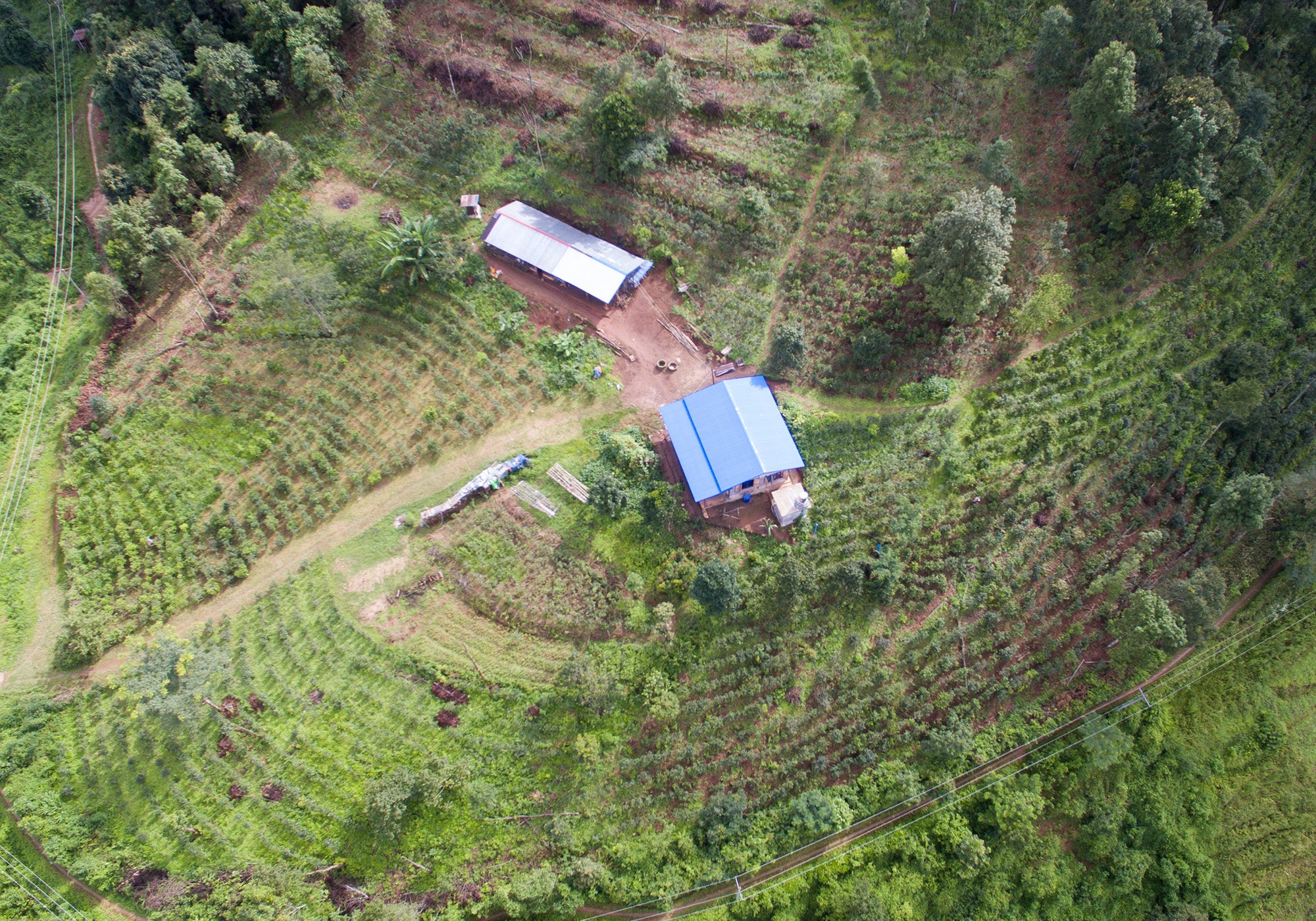
Each region offers a different expression shaped by climate, soil, and tradition.
Mandalay Mystique
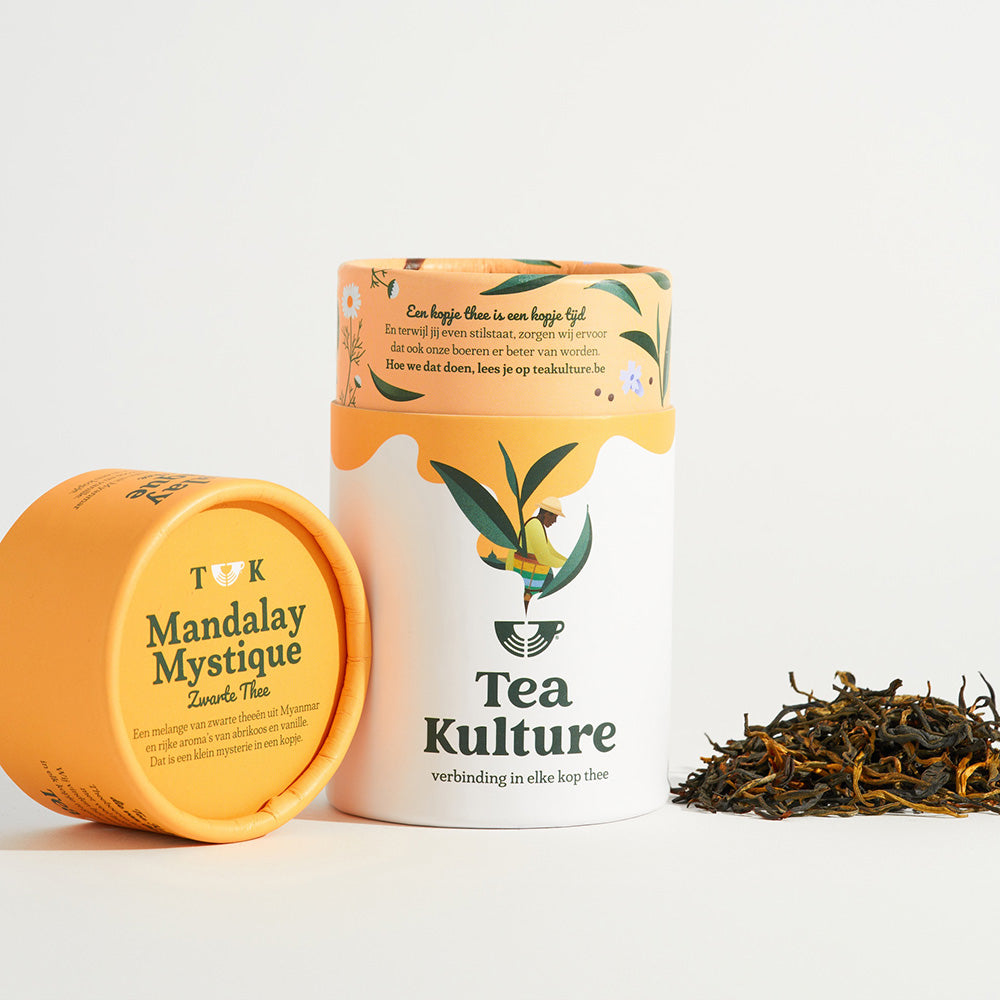
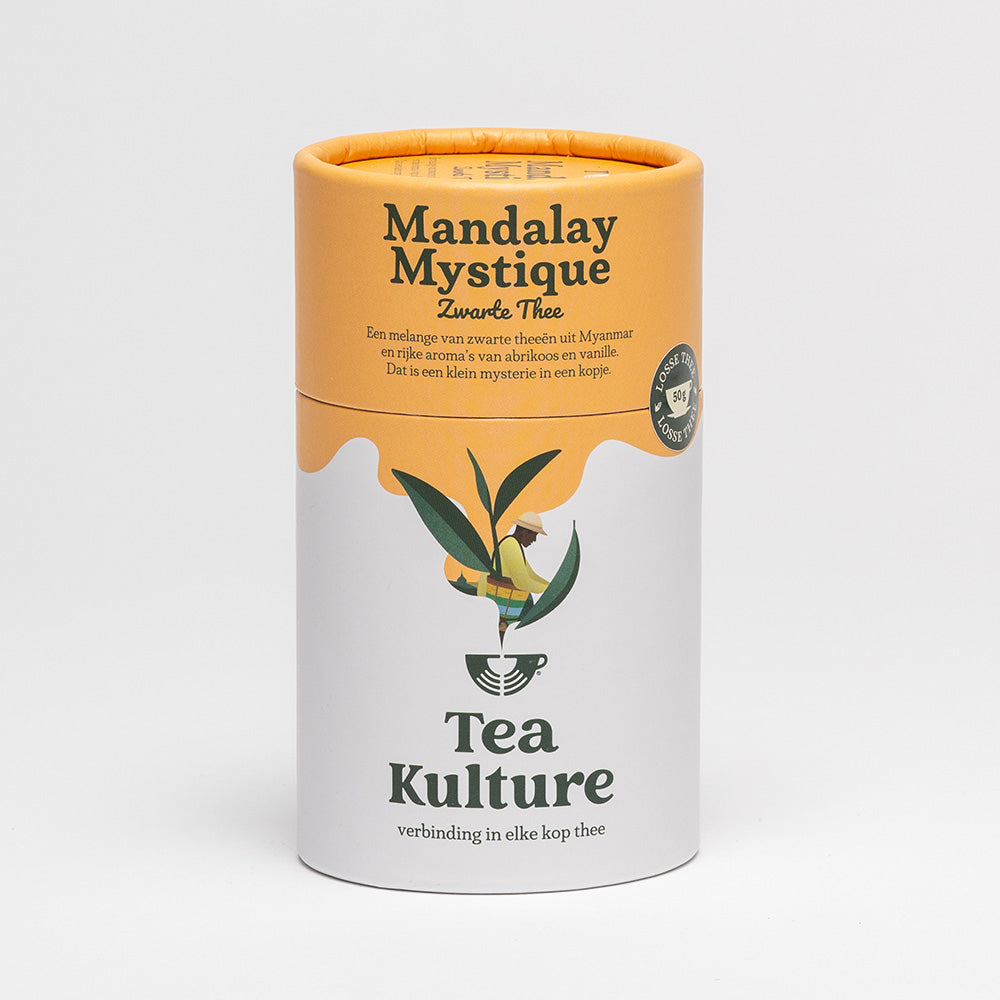
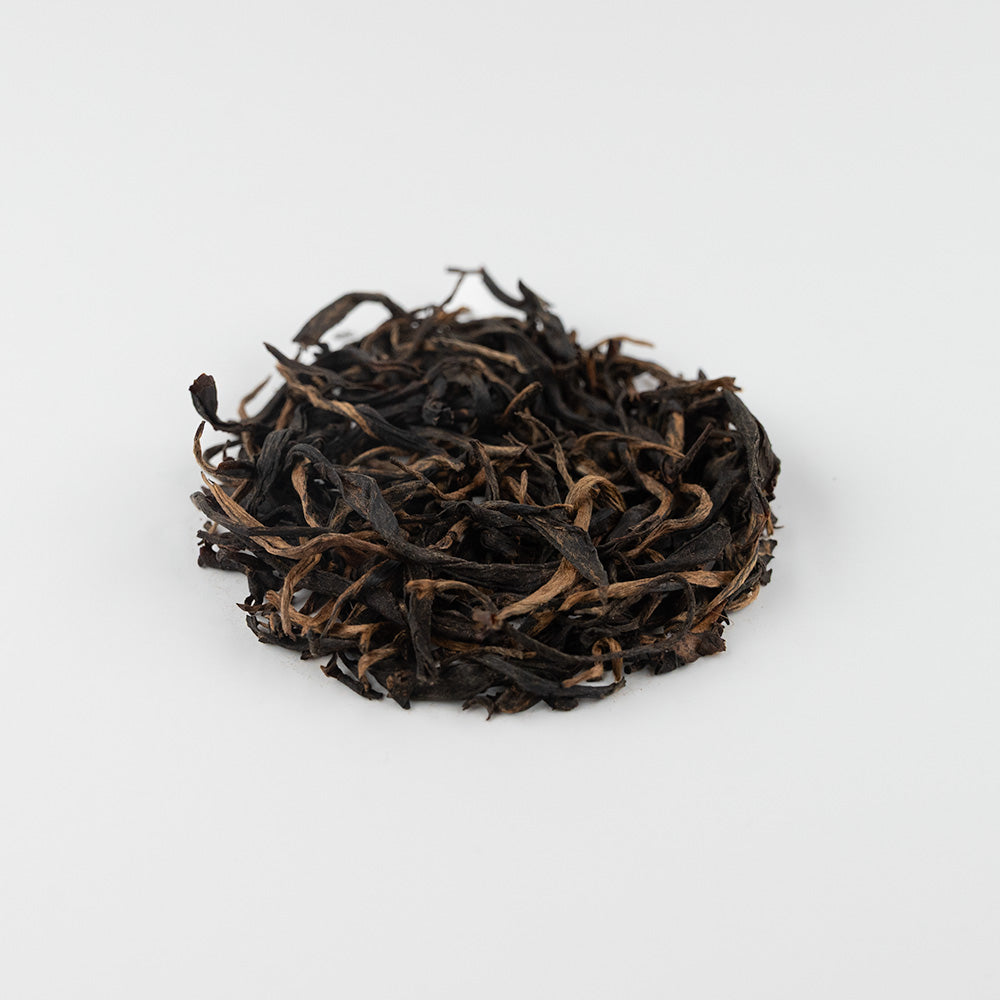
Mandalay Mystique is a unique black tea made with leaves from two different regions: Shan State and Mogok. It is the result of a collaboration between Mogok Tea, Tea Kulture, and The Scottish Tea Factory.
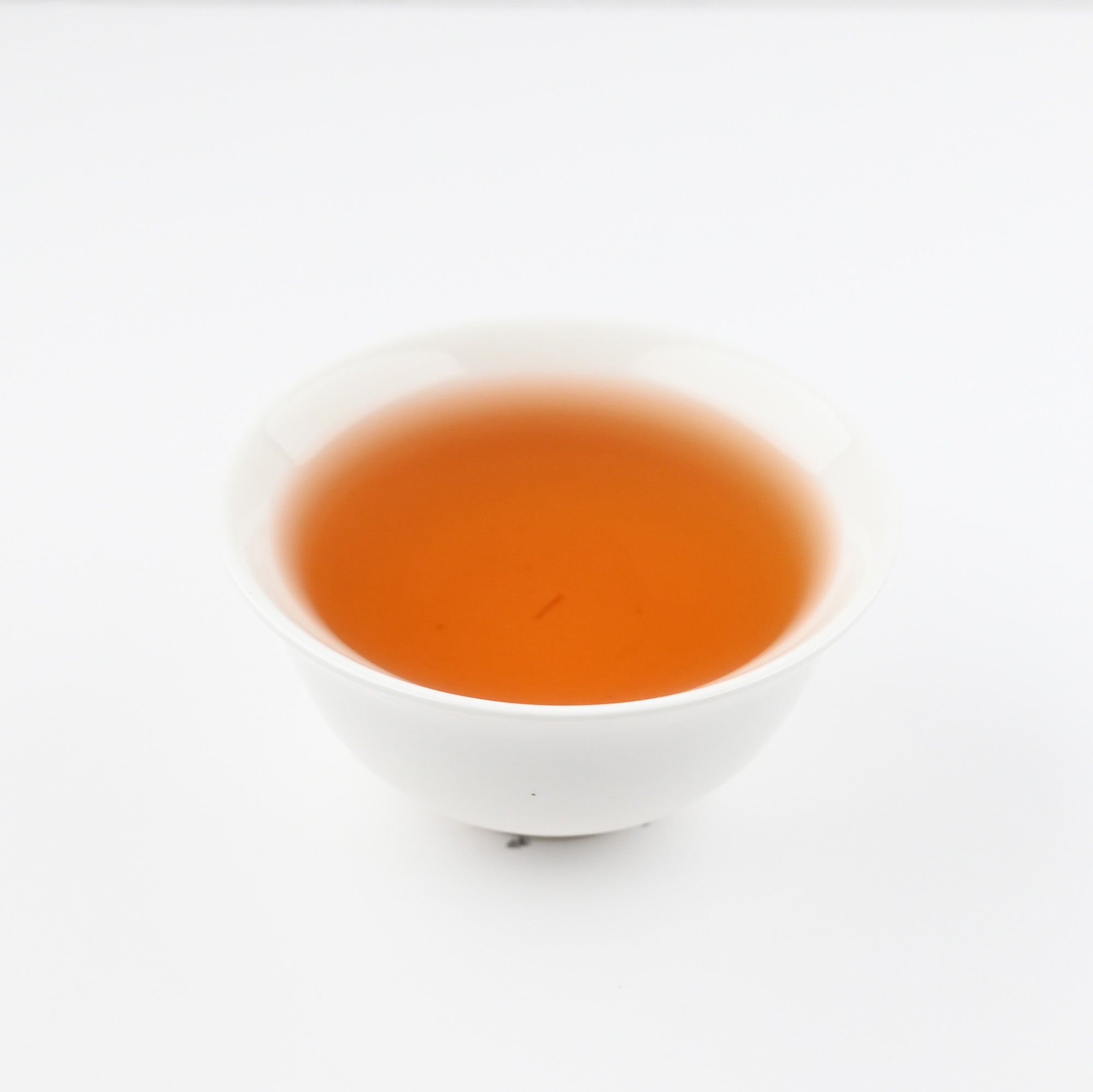
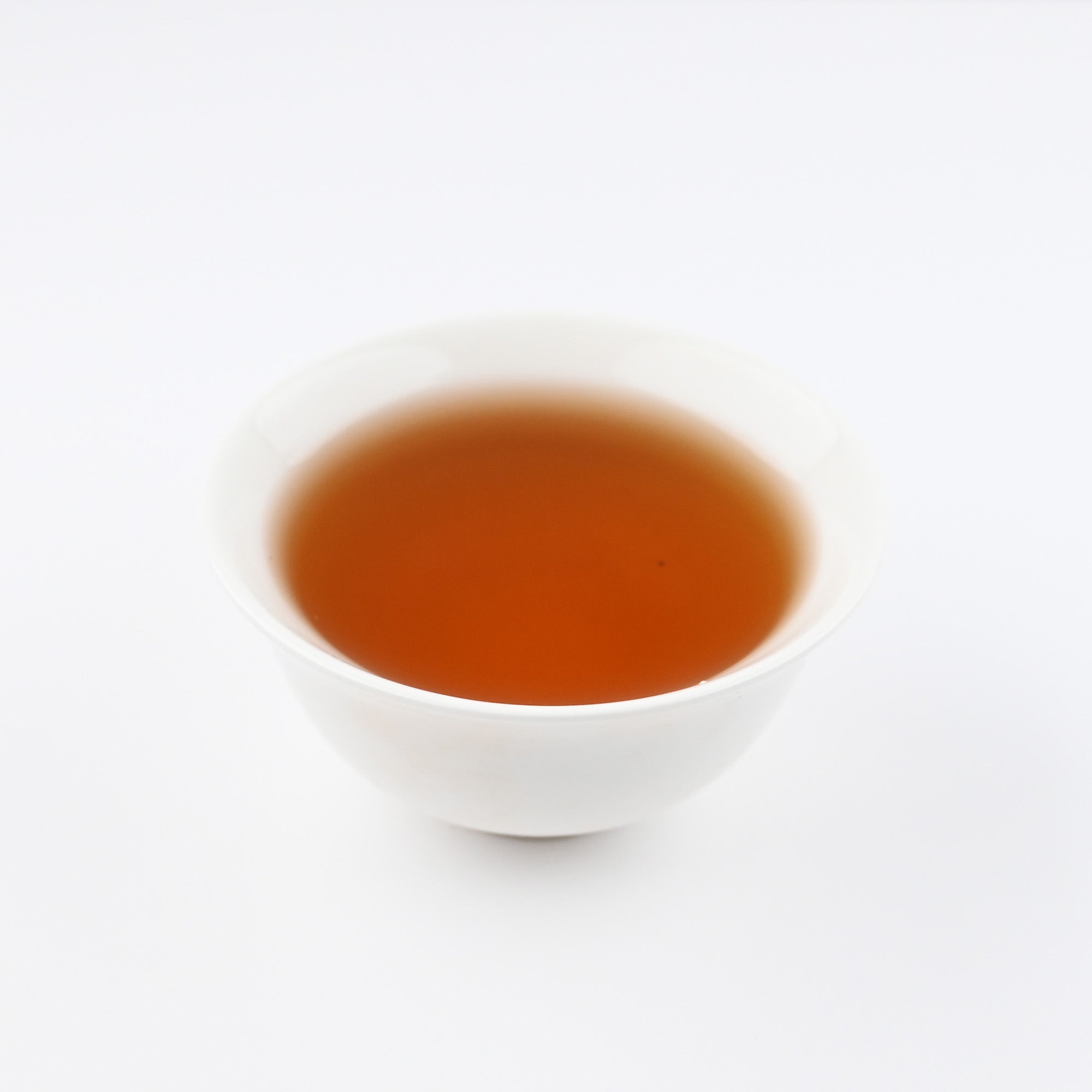
The amber coloured infusion has earthy and woody aromas. In the flavour you will find fruity, floral, and malty notes that remain beautifully balanced.
Tea in daily life
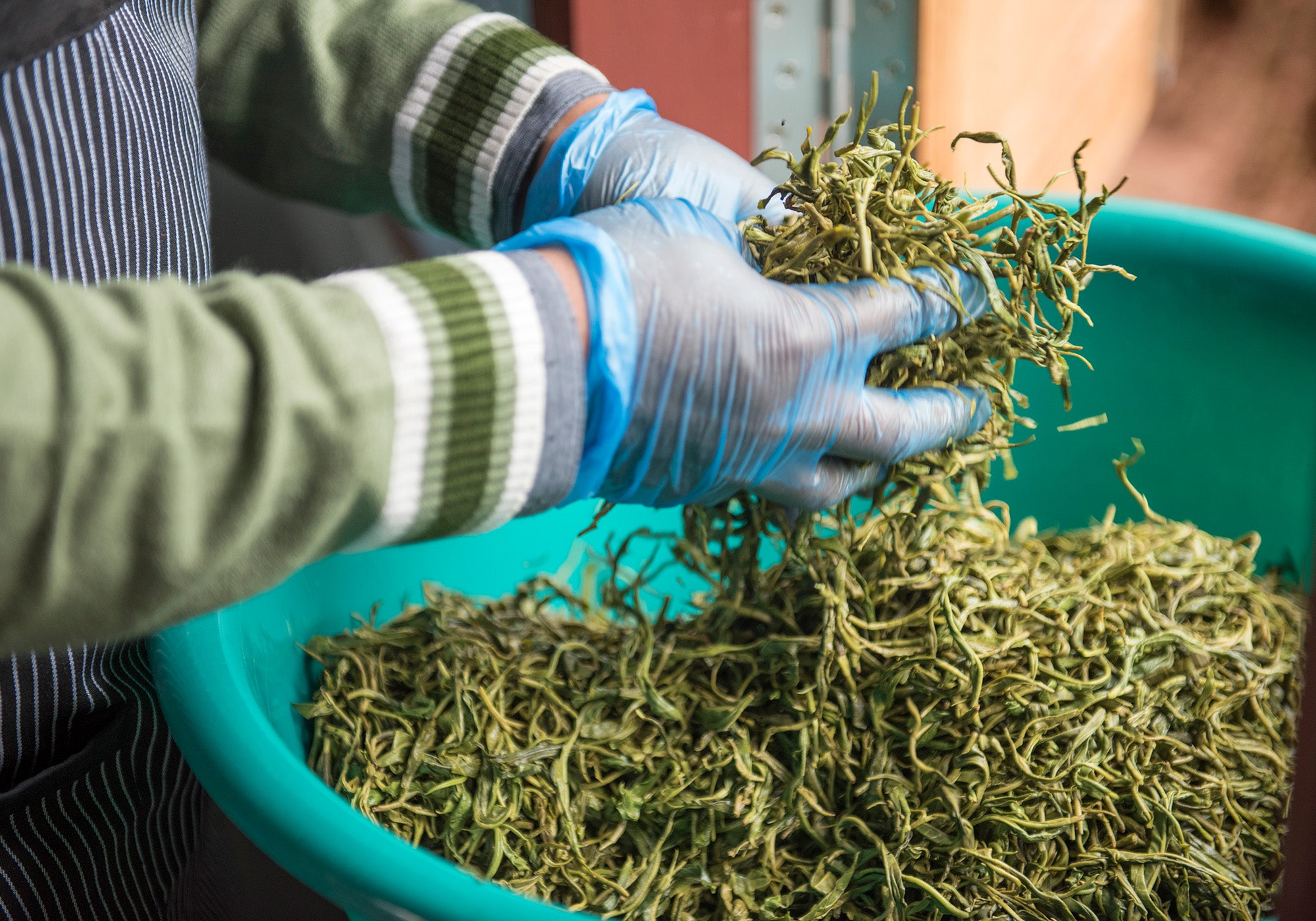
Laphet thoke gives tea a special place in food culture. This salad of fermented leaves mixed with garlic, beans, chili, and sesame is inseparable from the national cuisine. With flavours bitter, sour, spicy, and savoury all at once, it reflects how deeply tea is woven into everyday life.
Teahouses add another dimension. Found in every town and village, they are places to read, talk, do business, or simply sit with a cup. For many, they serve as a second living room, the centre of community and connection.
Between crisis and hope
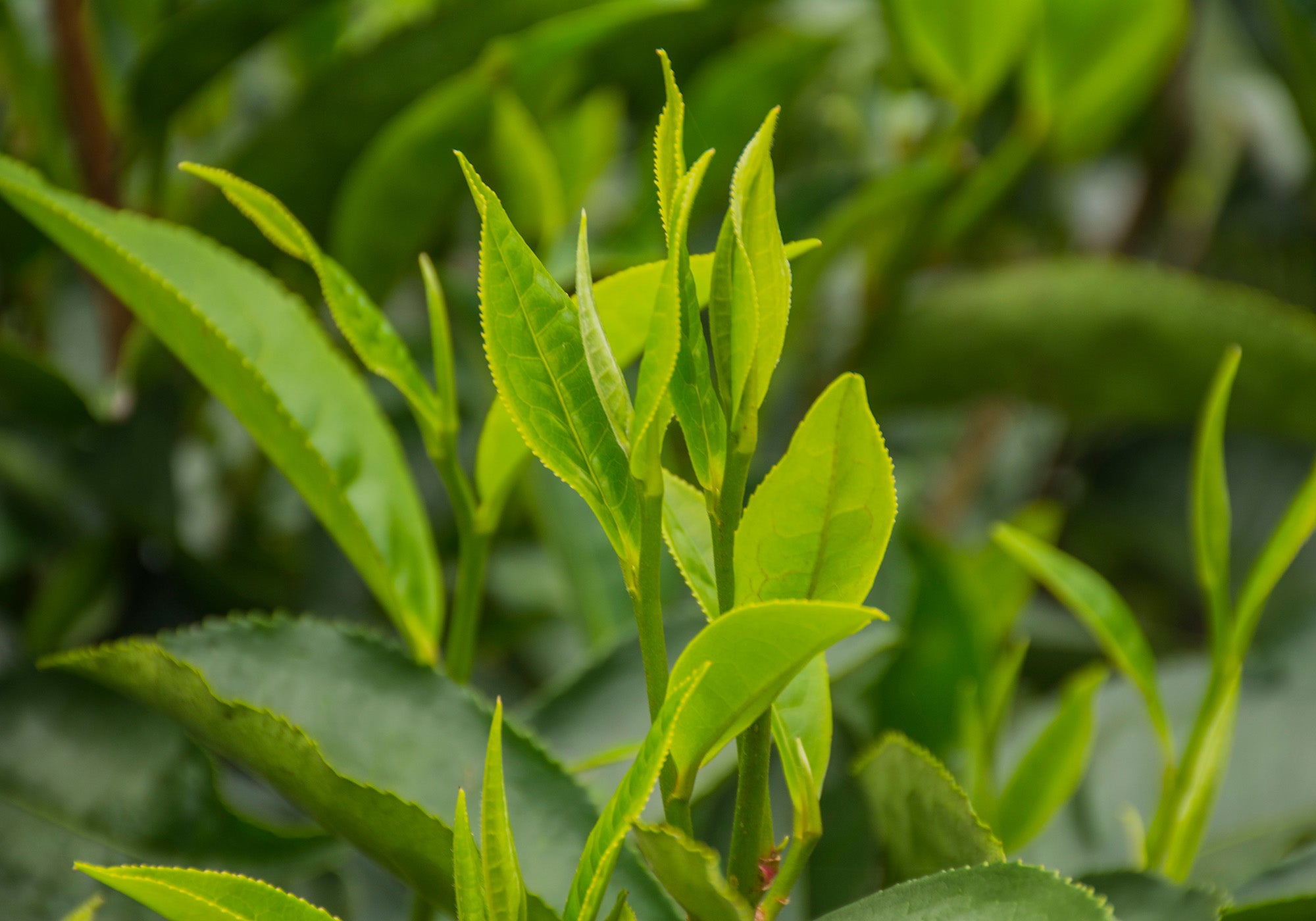
Since the coup of 2021, the country has faced turmoil. Violence, economic hardship, and isolation have affected the tea industry directly. Exports slowed, tourism collapsed, and farmers faced unpredictable markets. Yet they continue their work with resilience.
Myanmar holds all the elements to earn a lasting place on the world tea map. Centuries of knowledge, unique styles, and favourable conditions. The future depends on stability and fair market access, but the potential remains strong.
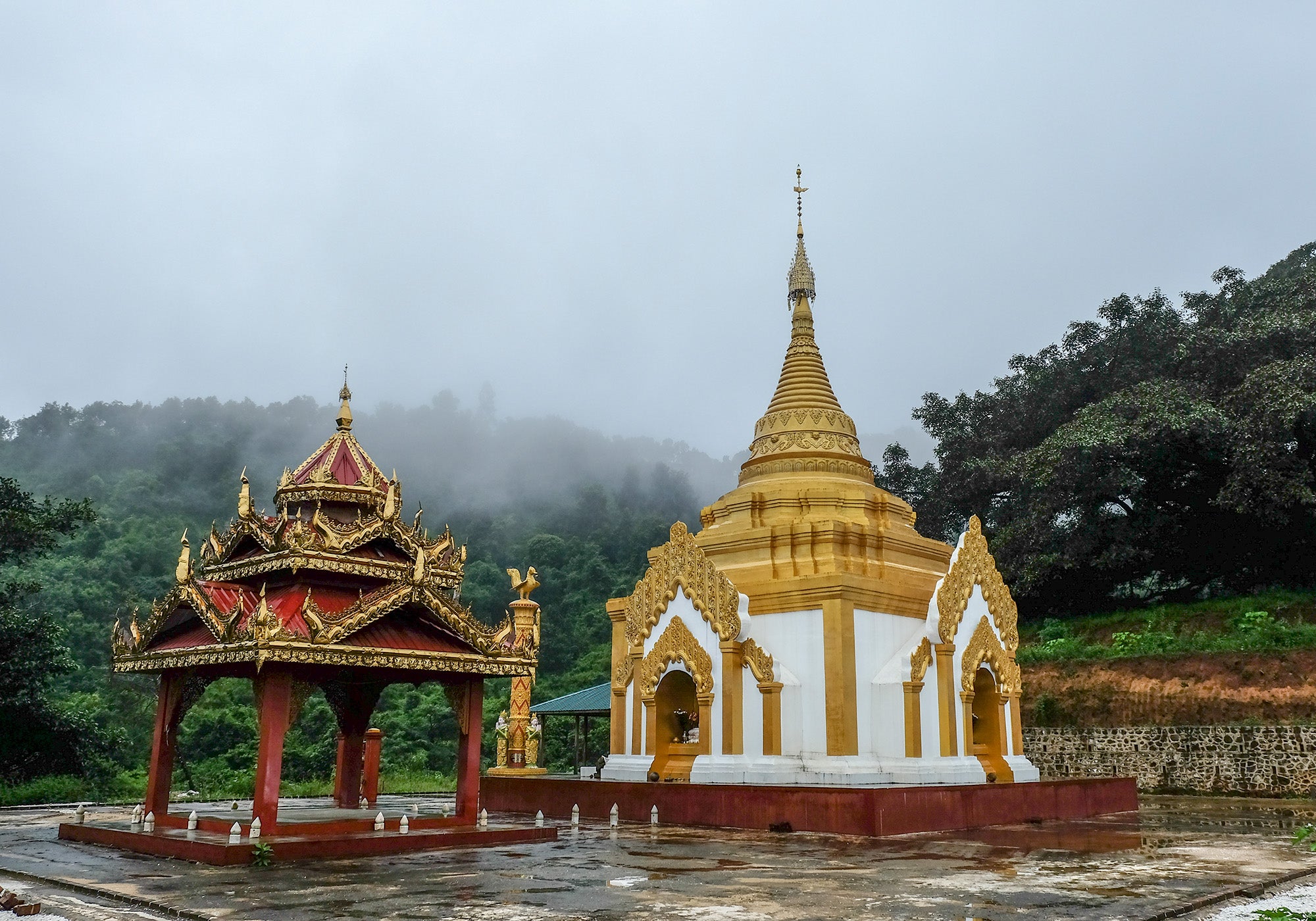
An origin worth discovering
For those who look beyond the familiar tea nations, Myanmar offers much to explore. Its teas reflect the land, the skill of the pluckers, and traditions carefully carried forward through the generations.
Mandalay Mystique shows how these different expressions can come together in one tea.
Free Delivery
From €50 in BE and NL.

Pickup Available
In Zonhoven and Hasselt (BE).

Fast Shipping
Within 2-3 business days.

Secure Payment
Multiple payment options.