


Free Delivery
From €50 in BE and NL.
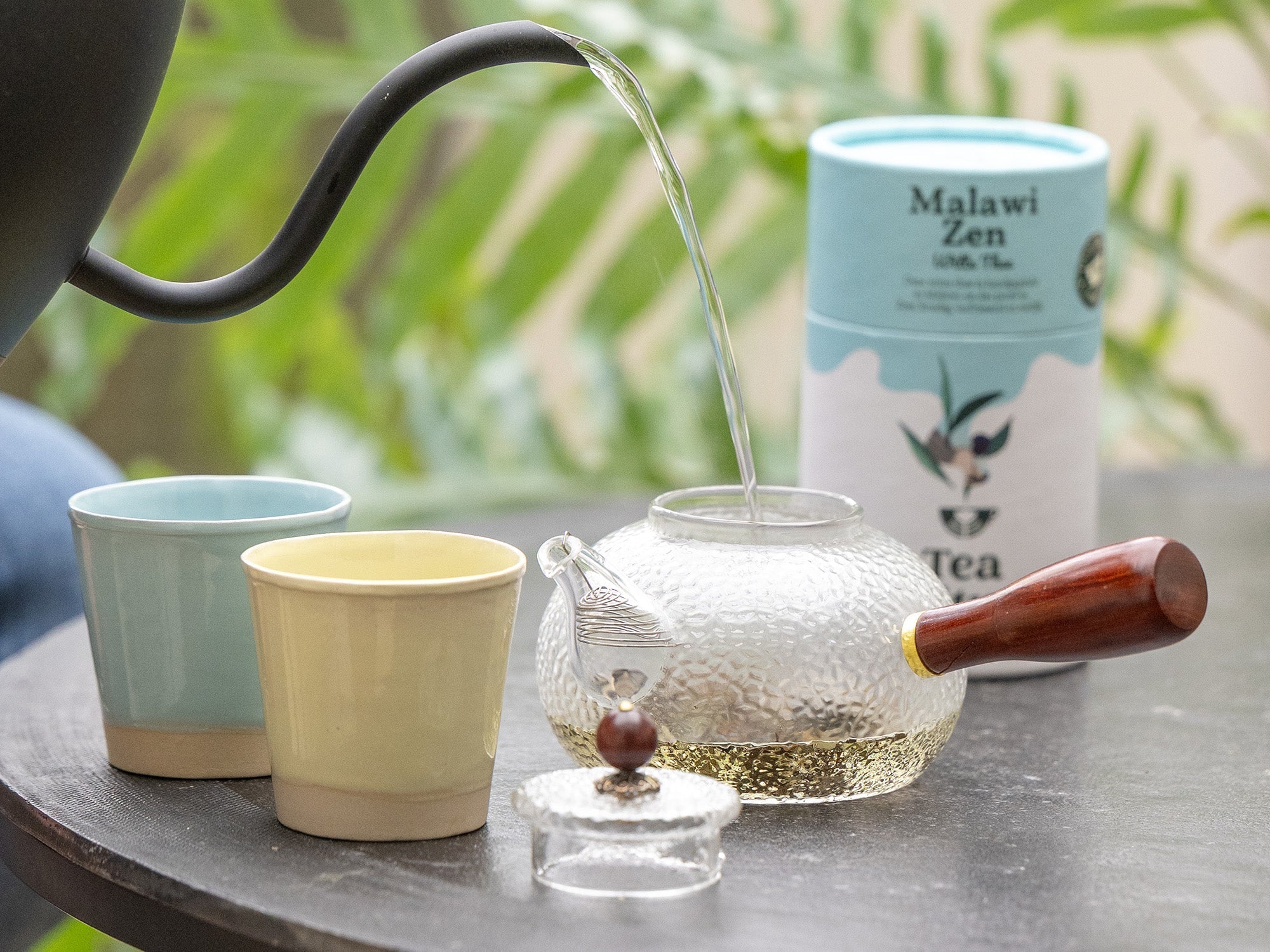
Tea consists of approximately 99 per cent water. The composition of that water therefore largely determines what you taste. Hard water and chlorine can make even the most exceptional tea leaves completely unrecognisable.
When brewing tea, warm water absorbs aromatic compounds, polyphenols, caffeine, and amino acids from the tea leaves. The easier this process, the more flavour ends up in the infusion. Minerals in the water influence that process. Calcium and magnesium, the substances that make water "hard", bind to polyphenols and inhibit extraction. The result is a flat cup with a cloudy surface. With green and white tea, where the aroma is often delicate and subtle, this is immediately noticeable. With a robust black tea the effect is smaller, and sometimes even beneficial.
How caffeine and other compounds are released during brewing is explained in The subtle power of caffeine in tea leaves.
Alongside hardness, pH plays a role. Slightly acidic to neutral water (pH 6 to 7.5) gives the best results. Water with a high pH (alkaline water, the opposite of acidic) accelerates the oxidation of catechins in green tea, leading to bitter infusions. Scientific research confirms that hard water with a high pH significantly reduces the catechin content in green tea.
Beyond hardness and pH, there is chlorine. Almost all Belgian and Dutch water treatment plants add chlorine to keep water safe. But what is good for public health is not always equally good for tea: chlorine has its own flavour that can disturb the delicate aromas of green and white tea. Full evaporation of chlorine requires 24 to 48 hours in an open jug at room temperature, or 15 to 20 minutes in boiling water. A faster and more reliable solution is an activated carbon filter, such as in a BRITA jug or comparable system.

Anyone who delves deeper into water for tea will quickly encounter the term TDS: Total Dissolved Solids, the total amount of dissolved substances, expressed in milligrams per litre (mg/l) or parts per million (ppm). It is a rough measure of how many minerals are present in the water.
The Tea Association of the USA recommends 50 to 150 ppm as ideal for most tea types. For delicate teas such as a fine green or white tea, a TDS of 30 to 80 ppm is better. For a robust black tea, it may go slightly higher, even towards 150 ppm.

Not every tea requires the same water:
More about the differences between green, white, black and oolong tea can be found in An introduction to the world of tea.
Belgium generally has medium-hard to hard water, with considerable regional variation. Flanders has water with TDS values that vary significantly by region, reaching 300 to 400 mg/l in some municipalities. Limburg typically has softer tap water. Wallonia is usually softer due to different sources. Brussels, which draws most of its water from Wallonia, ranges from medium-hard to hard depending on the municipality, according to Vivaqua.
Official figures per municipality can be found with your water supplier: in Flanders usually De Watergroep, Pidpa, or FARYS; in Brussels Vivaqua; in Wallonia SWDE.

Good water does not make mediocre tea great, but bad water makes great tea mediocre. Anyone investing in high-quality loose-leaf tea would do well to consider the water used to brew it. A simple carbon filter solves the biggest problem for most people.
Those who want to make the comparison can brew the same tea with tap water, filtered water, and for example Spa Reine bottled water.
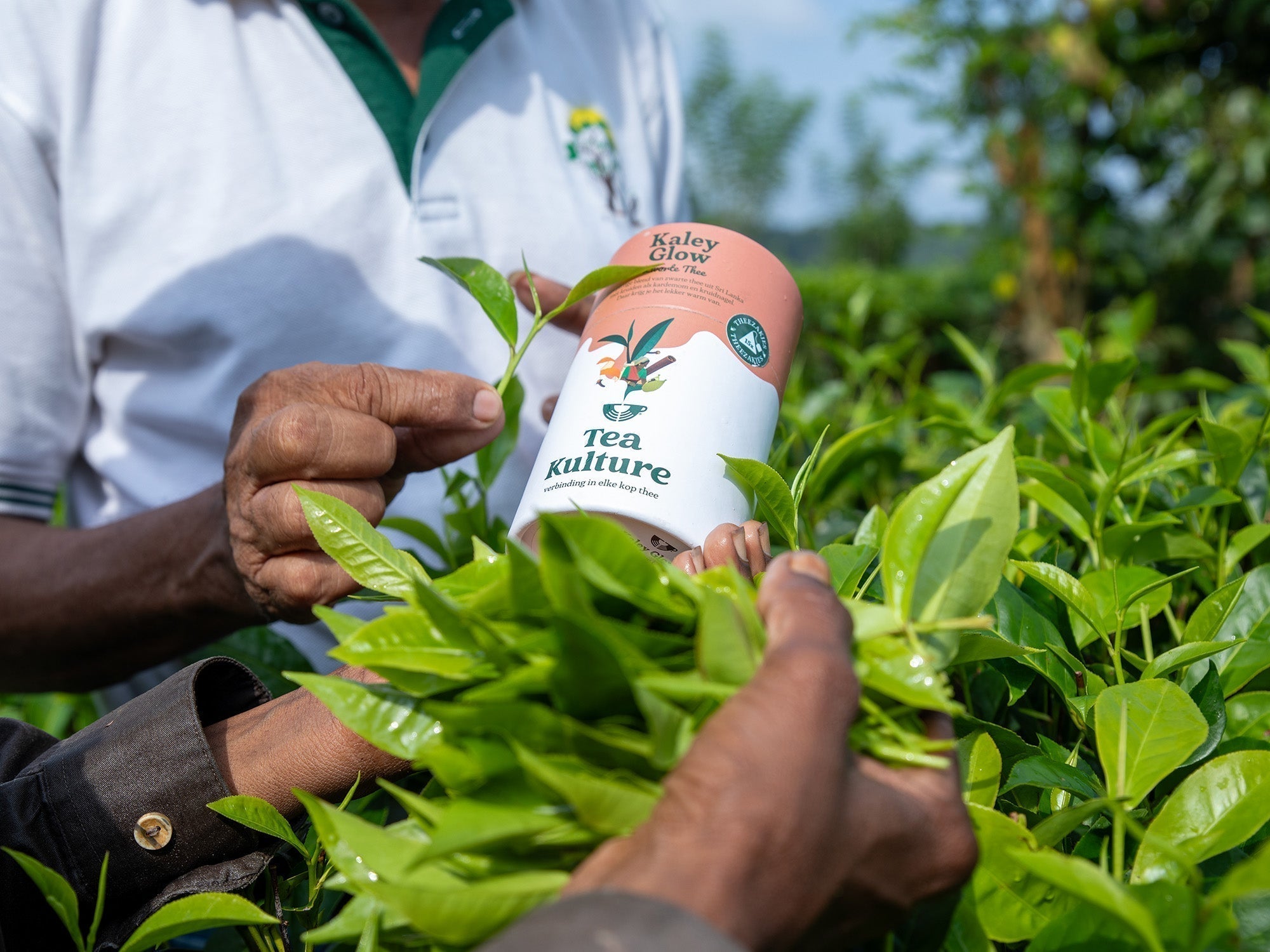
Nothing beats a wonderful cup of tea to start your day. But did you know that the way you store your tea leaves has a significant effect on their freshness and flavour?
Read more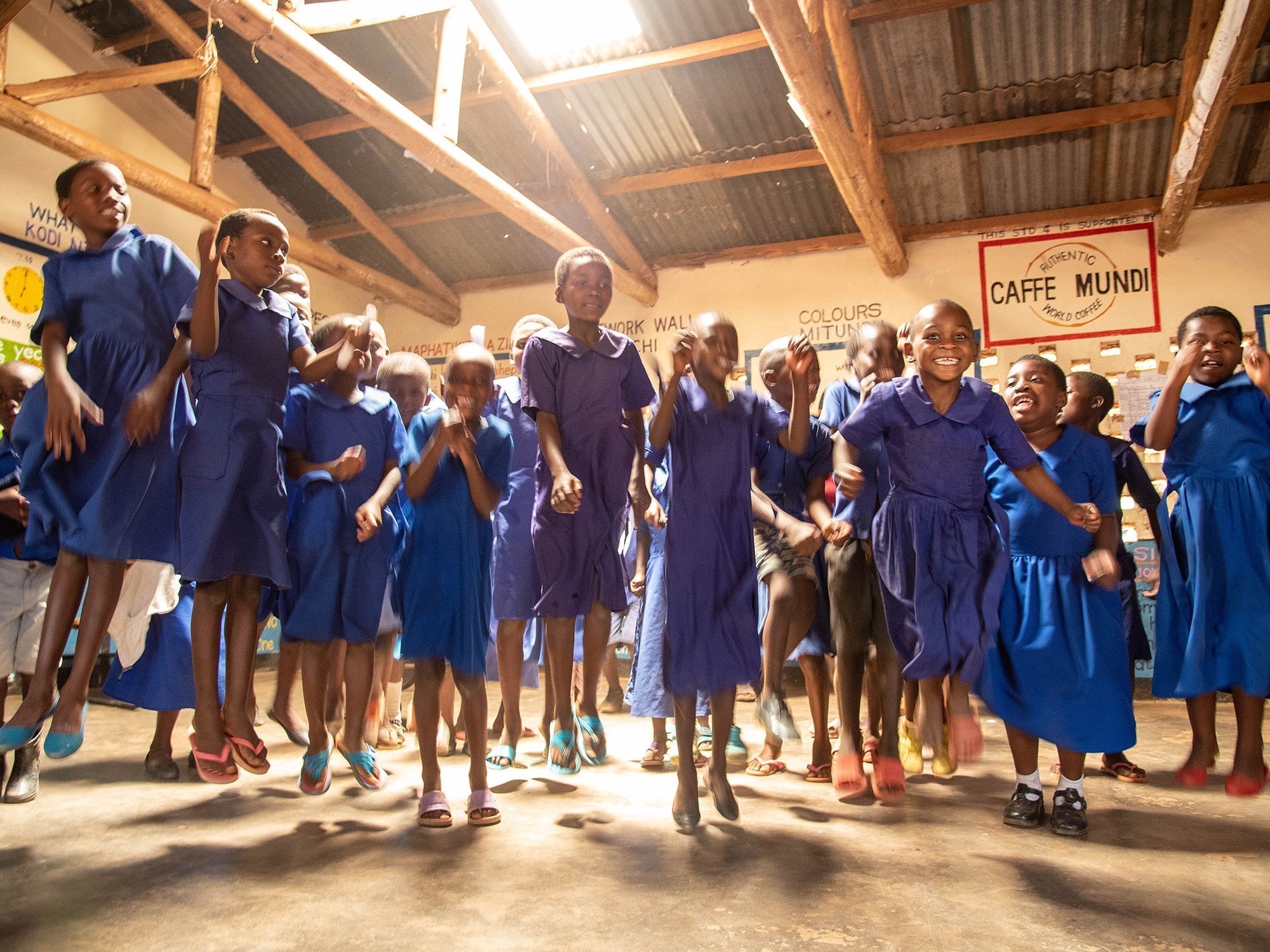
Schoolbooks for Satemwa: a small contribution with direct impact
More than a thousand children attend school on Satemwa Tea Estate in Thyolo, Malawi. Many of them are the children of workers who live and work on the plantation. Without this school, most of them ...
Read more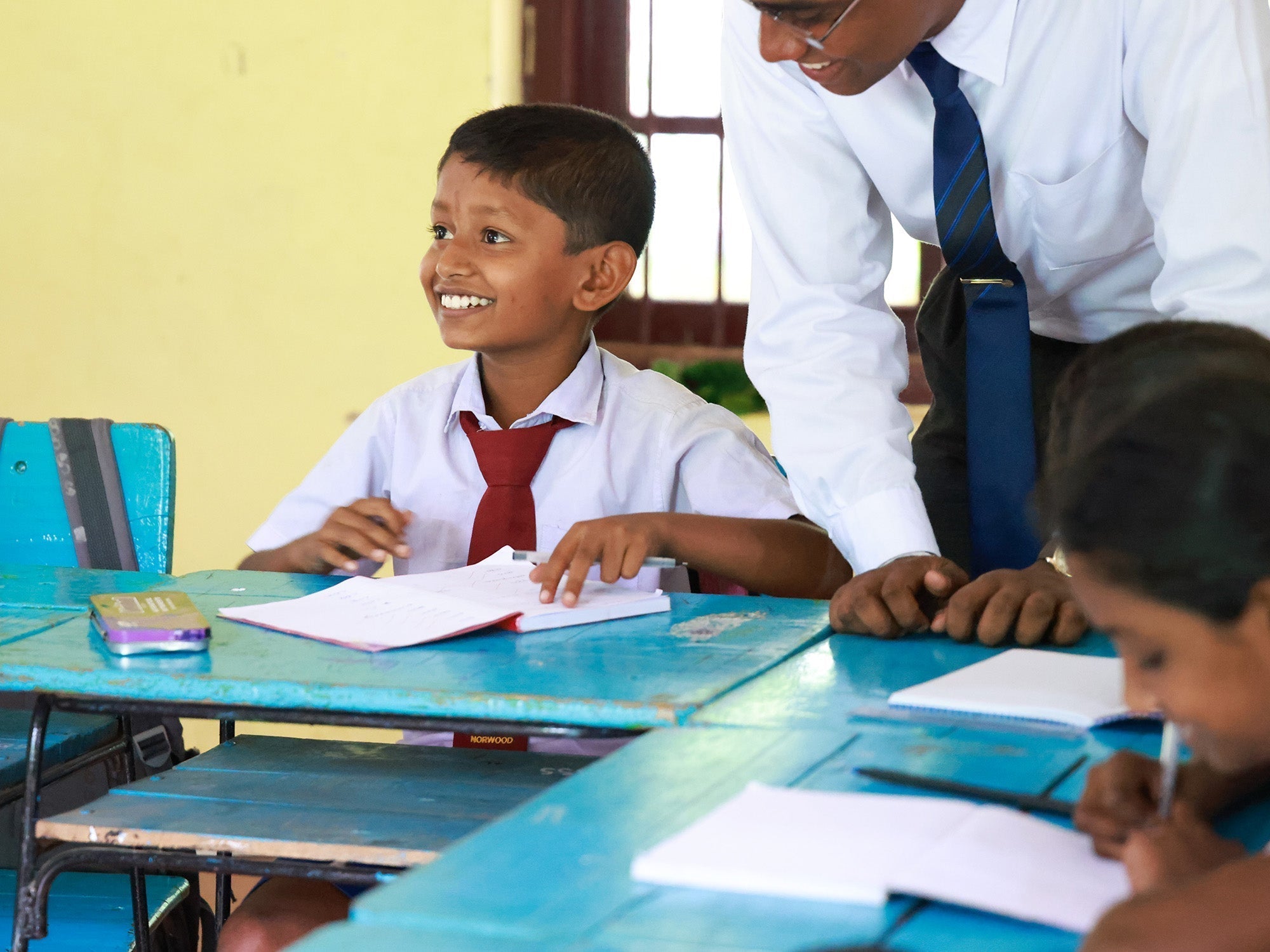
Tea Leaf Trust: a future for young people on tea plantations
On the tea plantations of Sri Lanka, education is not a given. The people who live and work there are largely Malaiyaha Tamils, a community with its own history and its own place in Sri Lankan soci...
Read moreFree Delivery
From €50 in BE and NL.

Pickup Available
In Zonhoven and Hasselt (BE).

Fast Shipping
Within 2-3 business days.

Secure Payment
Multiple payment options.