


Free Delivery
From €50 in BE and NL.
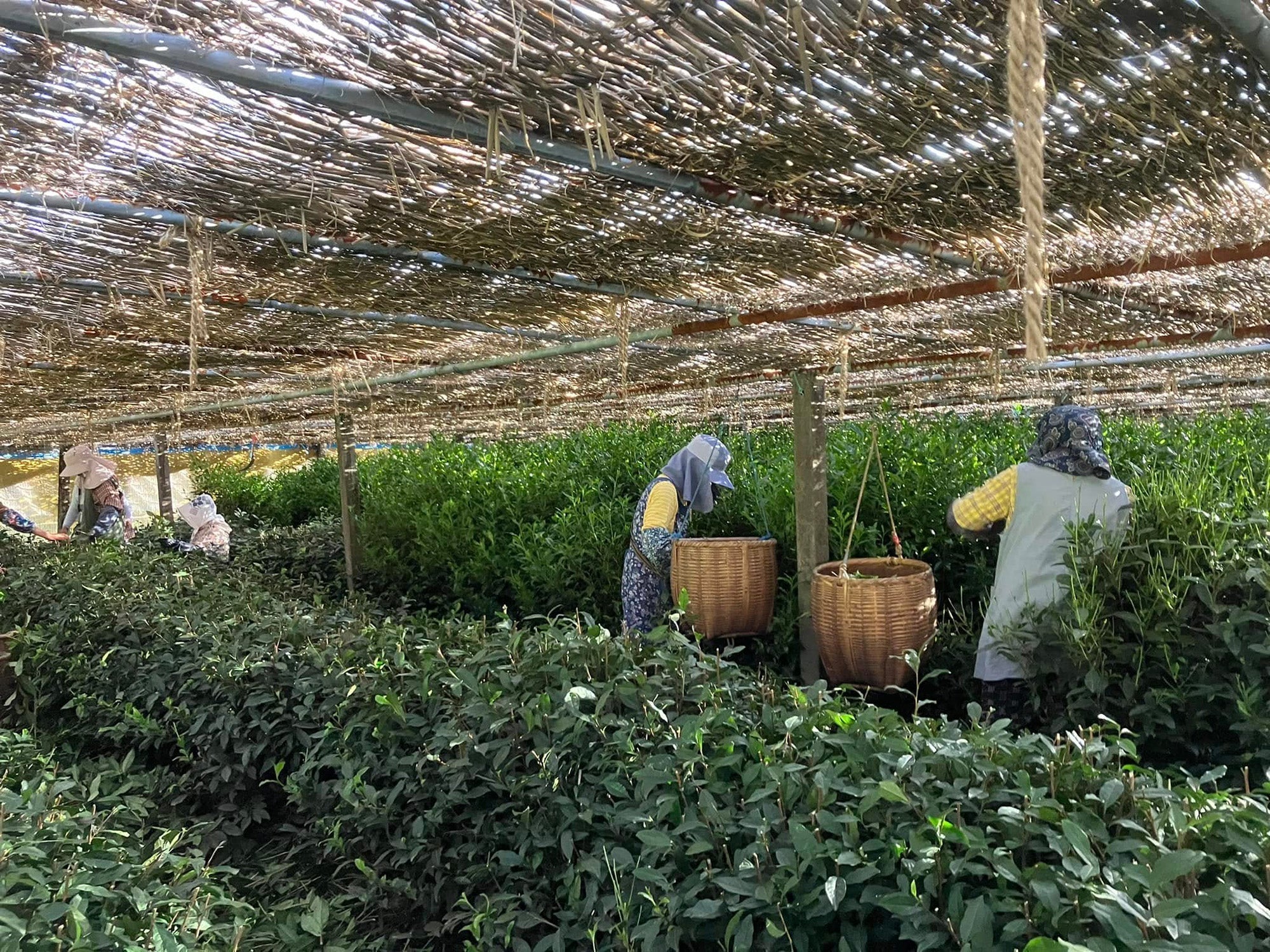
In the world of wine, a Burgundy bears no comparison to a Loire. In coffee, “single-origin” has grown, since the 2000s, into an outright mark of quality. That same movement is now taking hold in tea. More and more tea drinkers want to know exactly where their tea comes from: not just the country, but the region, the estate, and sometimes even the specific plot. That interest has a name: single-origin tea.
Article: Single-origin tea: how origin shapes flavour
There is no fixed definition of the term single-origin. In practice, several levels can be distinguished.
The more specific the level, the clearer the story. A blend drawn from three different continents is hard to place, unlike a tea from Kaley Natural Farms in Kotapola, in southern Sri Lanka.

In the world of wine, the concept of terroir has long been established. A chardonnay from Burgundy tastes different from a wine made from the same grape in Australia, partly because of soil, climate and location. Terroir is just as decisive for the tea plant.
Location, variety and craft together determine the character of a single-origin tea, producing a result found nowhere else.

Until the early 2000s, coffee was, for most people, simply a supermarket brand. Since then, specialty coffee has emerged alongside it: coffee with an origin and a story. Terms like “single-origin”, “natural processed” (a specific drying method) and “Q-grade” (a quality score awarded by certified tasters) became part of coffee culture.
Specialty tea is going through a similar development today.
Most tea on the world market is a blend. Large brands buy leaves at the historic tea auctions of, for example, Mombasa, Colombo or Calcutta, and blend them into a consistent flavour. This blend is standardised for a long shelf life and is rarely traceable.
That has its advantages: price, availability, predictability. A large chain wants its Earl Grey to taste the same this week as it did last month.
Single-origin is the counter-movement:

Single-origin is not just good for you. It works at least as well for the tea farmer.
In the classic auction model, a tea farmer sells to a middleman, who sells on to a large trader, who in turn sells to a brand. The farmer never meets the end customer and is paid a price based on quality categories that have little to do with his actual work.
Single-origin breaks that chain. The buyer knows the farmer directly. There is contact, sometimes personal, often spanning several years. The price reflects both quality and what is fair to the farmer.
At Tea Kulture, we have worked this way for years. Our partnership with Kaley Natural Farms in Sri Lanka is a good example: long-standing relationships, direct contact, and, since 2026, a fixed monthly contribution to their Meals for Everyone project, which provides the community’s children with a daily breakfast. You can read more about this in Meals for Everyone: a daily breakfast for every child at Kaley.. That kind of involvement is only possible because we know the farmers and the people on the ground.

Drinking single-origin tea asks a little more engagement of you. You have to look into origin, harvests and cultivars. In return, though, the tea gains a story and a face: it is no longer an anonymous blend from a bag.
For Tea Kulture, single-origin is the foundation of how we work. We choose small farmers we are in direct contact with, in countries such as Sri Lanka and Malawi, and we tell the story behind the tea.
The subtle role of caffeine in tea leaves
Caffeine in tea is a complex interplay of chemistry, the terroir of the tea plant, and different production methods. In this article, we take a closer look at the presence of caffeine in the variou...
Read more
Schoolbooks for Satemwa: a small contribution with direct impact
More than a thousand children attend school on Satemwa Tea Estate in Thyolo, Malawi. Many of them are the children of workers who live and work on the plantation. Without this school, most of them ...
Read more
Tea Leaf Trust: a future for young people on tea plantations
On the tea plantations of Sri Lanka, education is not a given. The people who live and work there are largely Malaiyaha Tamils, a community with its own history and its own place in Sri Lankan soci...
Read moreFree Delivery
From €50 in BE and NL.

Pickup Available
In Zonhoven and Hasselt (BE).

Fast Shipping
Within 2-3 business days.

Secure Payment
Multiple payment options.