



Free Delivery
From €50 in BE and NL.
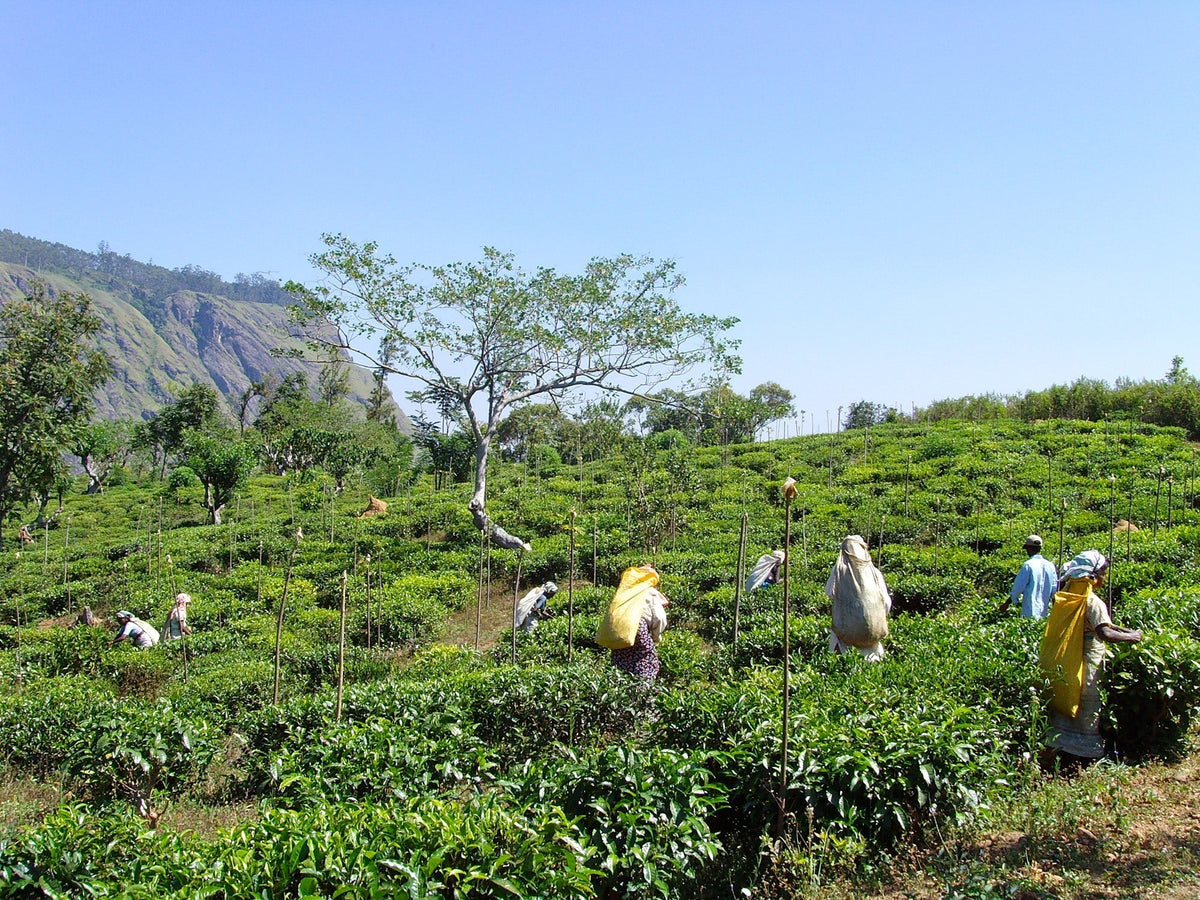
From the misty mountaintops of Nuwara Eliya to the tropical coastal plains of Ruhuna: Sri Lanka is small enough to cross in a single day. But it also comprises seven tea regions, each with exceptional flavours and aromas, shaped by a combination of mountain ranges, monsoons, and a centuries-old history.
Sri Lanka is a small island, but the central mountain range makes the climate exceptionally varied. At 1,800 metres, the mist is thicker, the temperature lower, and the growth of the tea plant slower compared with the southern coast. The slower the plant grows, the more aromatic compounds build up in the leaf.
Based on altitude, the seven regions are divided into three official categories: high-grown (above 1,200 metres), mid-grown (600 to 1,200 metres), and low-grown (below 600 metres). High-grown tea is generally known for a finer and more complex aroma. Low-grown tea has a fuller and more robust flavour. Anyone who places a tea from Nuwara Eliya next to a tea from Ruhuna can taste the difference in the infusion: delicate and floral versus dark and full.
The mountain range has a second notable effect. It divides the island into a western and an eastern part, each with its own monsoon and its own harvest season.
The name of a region is also protected: a tea may only be called "Uva" or "Dimbula" if it has genuinely been grown and processed in that district. These rules are enforced by the Sri Lanka Tea Board, the government body that oversees the entire tea sector in Sri Lanka.
For the history of the sector in Sri Lanka and how it developed: Tea from Sri Lanka: a living heritage in motion.

Nuwara Eliya
Nuwara Eliya is the highest-situated and best-known tea district in Sri Lanka. The plantations lie at over 1,800 metres, in a climate that is cooler and mistier compared with the rest of the island. The tea plant grows exceptionally slowly here, and that is precisely why tea from this district is so delicate: golden-yellow in the cup, floral in aroma, and fresh in structure.
The harvest from Nuwara Eliya is at its best from January to March. Dry westerly winds blow through the valleys at that time, growth is slowed even further, and the most aromatic infusions of the season emerge.
Dimbula
Dimbula lies to the west of the central mountain range, at 1,250 to 1,700 metres. The south-west monsoon brings rain from May to September. Outside that period, from January to March, conditions are dry and cool. The harvest is then at its best: golden-orange in the cup, fresh and mild in flavour, sometimes with a hint of jasmine or cypress. Dimbula is considered one of the most approachable Ceylon styles.

Uva
Uva lies on the eastern slopes of the central mountain range, between 1,000 and 1,600 metres. What makes this district distinctive is its exposure to both monsoons simultaneously. During the dry period from July to September, a dry, sharp wind blows across the Uva plantations. The tea plant struggles to absorb water, which slows growth and forces the leaves to concentrate their aromatic compounds. The result is a harvest with a notably high concentration of aromatic substances.
Thomas Lipton, the British tea magnate who brought Ceylon tea to worldwide attention at the end of the 19th century, built his name partly on tea from Uva. It was his estates that first introduced Americans to tea from Sri Lanka.
Tea Kulture works with Amba Tea Estate, one of the pioneers of the artisan tea movement in Sri Lanka, located in the Uva highlands above the Ravana waterfall.
Uda Pussellawa
Uda Pussellawa is the smallest of the seven districts, to the east of Nuwara Eliya, bordering Kandy and Uva, at 950 to 1,600 metres. Tea from this district has something of both its neighbours: somewhat more delicate than tea from Uva, somewhat fuller than tea from Nuwara Eliya.
In the dry, cold months at the end of the year, some batches add a light floral note to the harvest.
As the only one of the seven regions, Uda Pussellawa benefits from two quality seasons: the western part from January to March, and the eastern part from June to September.

Kandy
James Taylor, originally from Scotland, planted the first commercial tea trees here in 1867 on the Loolecondera Estate, shortly before the island's coffee plantations were devastated by a leaf fungus. The region lies at 600 to 1,300 metres, between the higher-altitude districts and the lowlands.
Tea from Kandy is robust and full, with a copper-coloured infusion and a nutty or spiced character. Sturdy enough to drink with milk, which is the customary way in Sri Lanka.
Sabaragamuwa
Sabaragamuwa is the largest tea district in Sri Lanka by area. The district is bounded by the Sinharaja rainforest to the south and the Adam's Peak wilderness area to the north. Cultivation takes place from sea level up to 610 metres. The harvest from Sabaragamuwa produces a dark golden-brown infusion with a reddish tint, and a sweet, lightly caramel-like aroma.
Forest Hill Tea, with whom Tea Kulture works, is located in this district, at the foot of the Adam's Peak mountain range. On the abandoned Warnagala estate, tea trees have grown wild for more than 130 years into trees reaching up to 12 metres in height.

Ruhuna
Ruhuna covers the southern lowlands of Sri Lanka, with plantations up to a maximum of 600 metres. The warm, tropical climate of this coastal region means the tea plant grows quickly and produces a large leaf. The harvest from Ruhuna is dark and full, with notes of cacao or wood.
The tea leaves often end up in blends, sourced from various plantations or regions. Yet there are smaller producers who deliberately opt for pronounced single-origin teas: tea from one plantation or one district, without blending with other origins.
One of them is Kaley Tea Estate in Kotapola, on the edge of the Sinharaja rainforest. Kaley works organically and regeneratively, and is one of the driving forces behind the artisan tea movement in Sri Lanka. Tea Kulture works directly with Kaley and through them supports the Meals for Everyone project, a nutrition programme for the children on the plantation.

Two monsoons, two seasonal peaks
The seven regions do not all follow the same rhythm. The south-west monsoon reaches the western regions of the island from May to September. The north-east monsoon affects the eastern districts from December to March. The mountain range in the centre of the island keeps both monsoons apart, so that the quality seasons are geographically spread.
The harvest from Dimbula and Nuwara Eliya is at its best from January to March. Uva reaches its peak from July to September. Uda Pussellawa benefits from both windows. Sabaragamuwa and Ruhuna have no pronounced seasonal peaks and harvest throughout the year.
In closing
Sri Lanka is small enough to drive from north to south in a day, but varied enough to produce seven entirely different teas. That has everything to do with the mountains at the centre of the island, the monsoons, and the people who have been working there for generations.
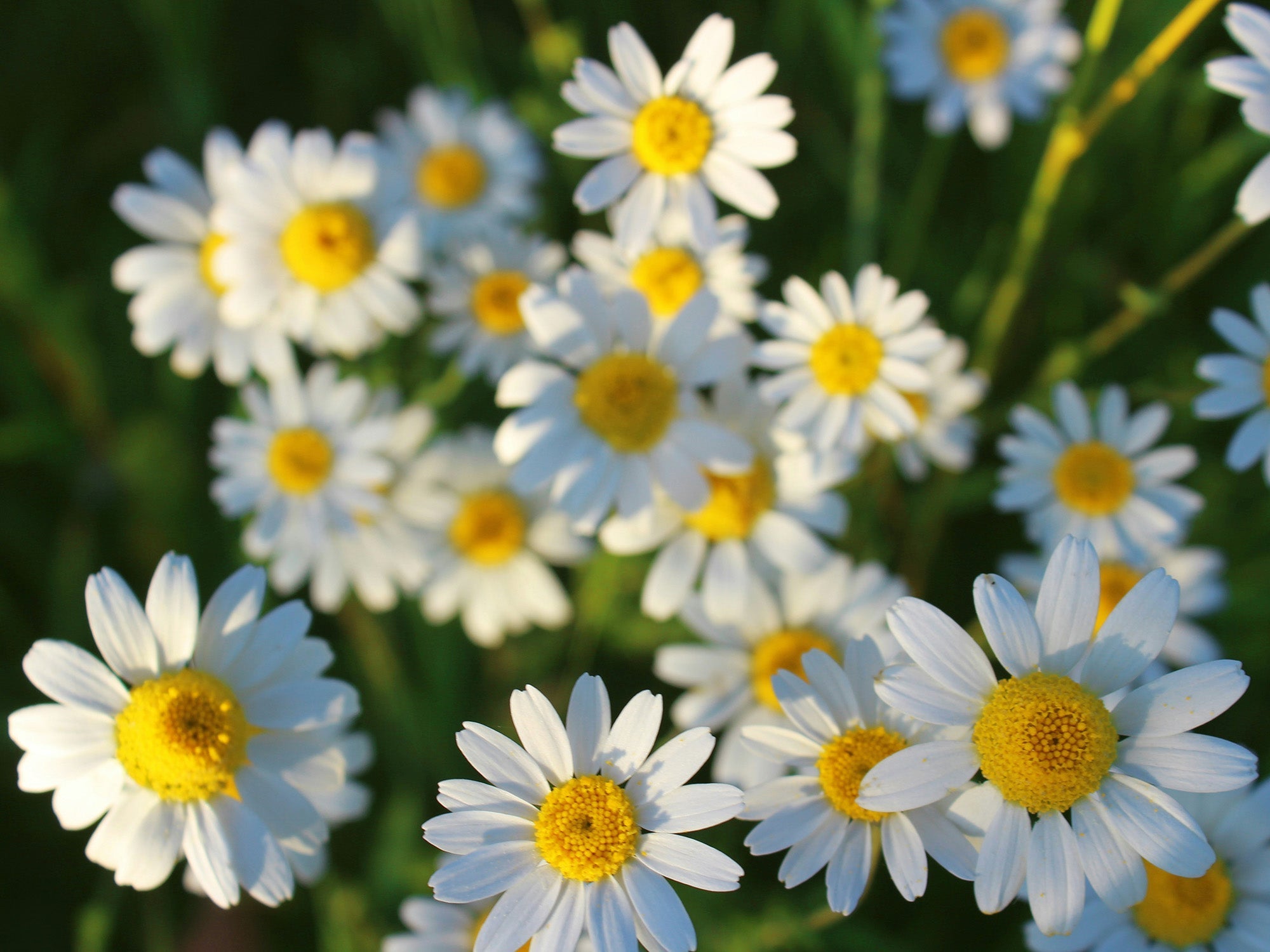
The surprising history of chamomile
Chamomile has been used for thousands of years. From the ancient Egyptians to the monastery gardens of the Middle Ages, from Hippocrates to Beatrix Potter: this modest herb has a remarkably rich hi...
Read more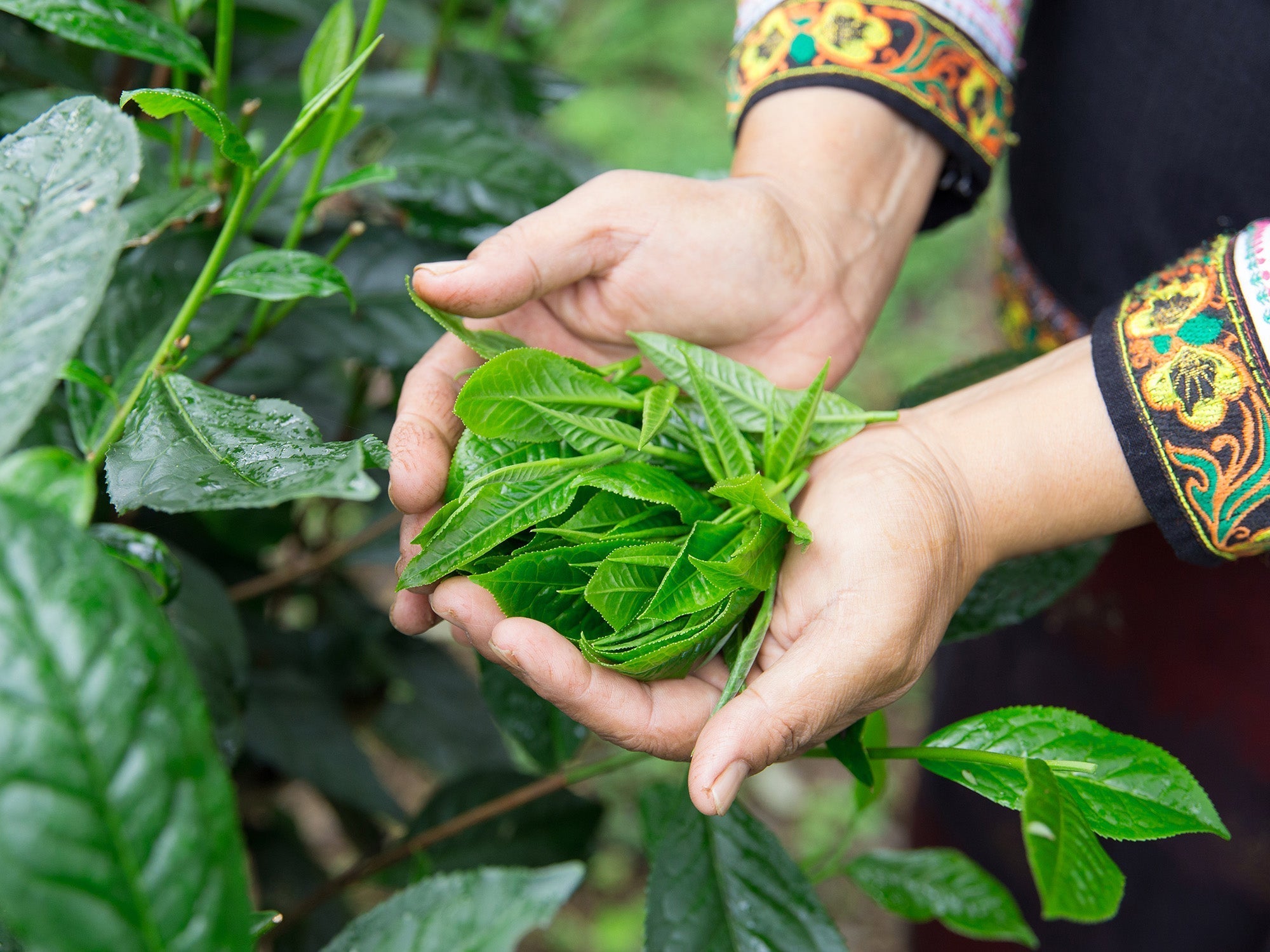
Varieties and cultivars: the basis of every tea aroma
Tea has an enormous richness of aromas and characters. As with wine and coffee, the story begins with the plant itself. The choice between varieties and cultivars determines the aroma and quality o...
Read more
The gentle power of chamomile tea
Chamomile is one of the most widely used ingredients in herbal infusions and blends worldwide. Its gentle, floral flavour and calming character make chamomile an ideal companion for moments of rela...
Read moreFree Delivery
From €50 in BE and NL.

Pickup Available
In Zonhoven and Hasselt (BE).

Fast Shipping
Within 2-3 business days.

Secure Payment
Multiple payment options.