


Free Delivery
From €50 in BE and NL.
Many children on the tea plantations of Sri Lanka eat just once a day. Often nothing at all before leaving for school. What we take for granted is, on many tea plantations, a daily uncertainty. At Kaley Tea Estate in the south of Sri Lanka, things are no different.
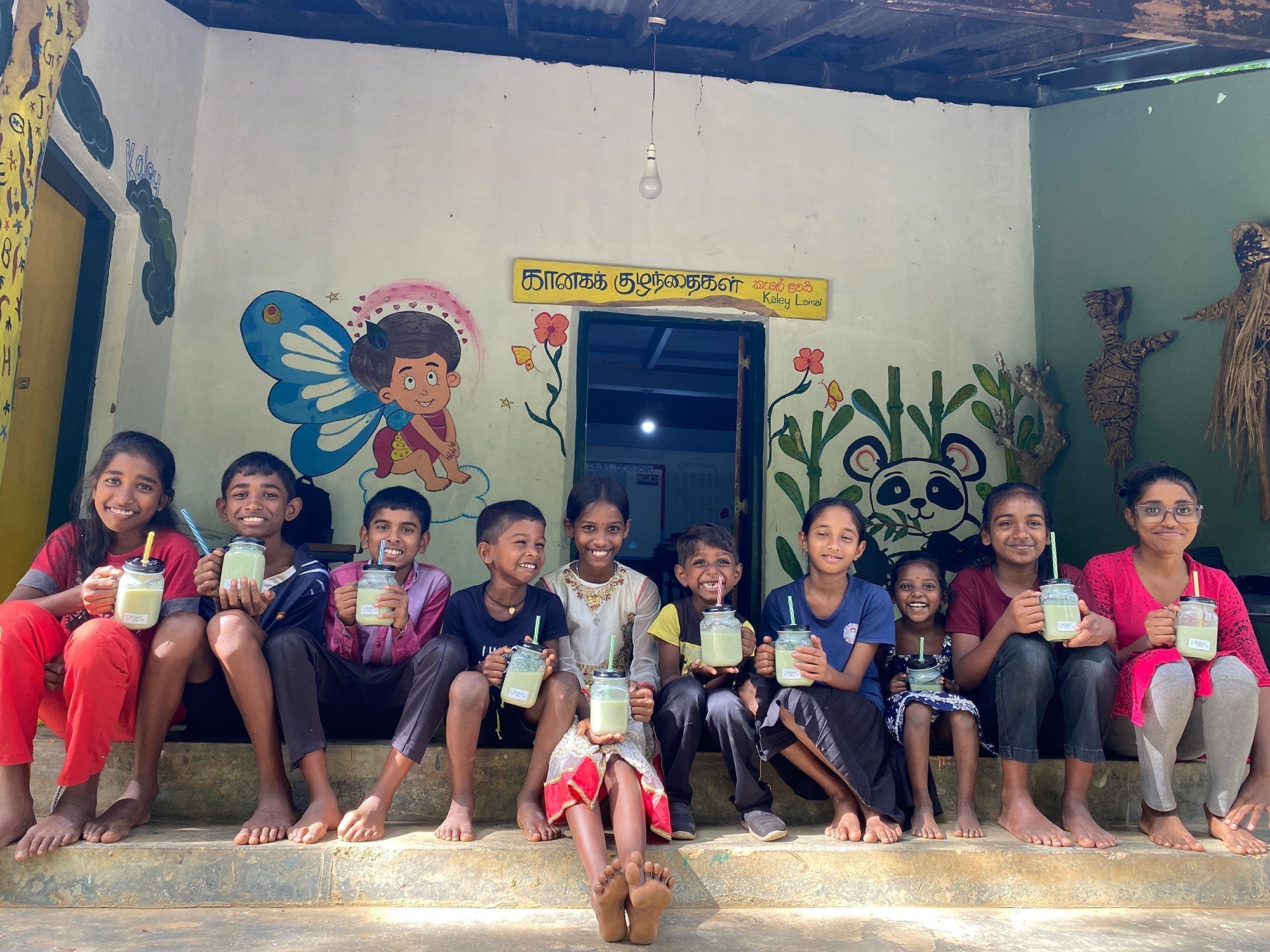
Under the name Meals for Everyone, all 19 children on this plantation receive a nutritious meal every morning. Tea Kulture has supported the project since the end of 2025 through a fixed monthly contribution.

Kaley Tea Estate is located in Kotapola, nestled between the Sinharaja rainforest and the ocean. The estate's official name is Enasaldola, but the tea is known under the brand name Kaley, a shortened form of the Sinhala word kalé: forest.
That is not a coincidental name. The estate borders Sinharaja, the last large tract of lowland rainforest in Sri Lanka and a UNESCO World Heritage Site. Across around 48 hectares, the tea plants are grown organically and regeneratively, while 23 hectares of rainforest are protected. Between the tea bushes, cinnamon, pepper, herbs, and fruit grow side by side. It is a deliberate choice for an agroforestry system.
Since 2015, the estate has been in the hands of Udena Wickremesooriya, who gradually converted the plantation to fully organic cultivation. The last pesticides were removed in 2019, and in February 2022 Kaley received USDA Organic certification. Since 2020, tea has been produced by hand on the estate itself in a small artisan factory. The picking and rolling is carried out by a permanent group of female workers.
Kaley is a co-founder of the Ceylon Artisanal Tea Collective, a group of small producers who openly share knowledge, recipes, and techniques with one another.
The social dimension plays a significant role throughout this story. Education, healthcare, and housing for the people on the estate are at least as important as the tea itself.
Read more about Kaley Tea Estate.

Most of the families living on the Kaley estate are Malaiyaha Tamils, also known as Hill Country Tamils or Indian Tamils. Their ancestors came to Sri Lanka from southern India almost two centuries ago. British colonial authorities brought them to this region to work on the tea, coffee, and rubber plantations.
Today, generations later, the Malaiyaha Tamils still form a distinct community within Sri Lanka. They have their own language, their own culture, and their own history. Despite their significant contribution to the Sri Lankan economy, however, they remain a marginalised group. Access to education, healthcare, nutrition, and equal opportunities remains limited for them. Many families on the plantations struggle with poverty, unemployment, and a sense of exclusion.

Through many conversations with workers at Kaley Tea Estate, one problem came up repeatedly: malnutrition. Not the extreme hunger seen on television, but a persistent lack of sufficient and nutritious food.
Many adults eat one, at most two meals a day, often with a nutritional value that is far too low. Alcohol misuse is also a significant factor in many households: money goes primarily towards drink, not food or health.
Some children are raised by their grandmother because their parents have died or are working abroad. In families with several children in particular, little money is left over for food and education. Quick and cheap meals are the norm. The consequences are predictable: less energy, less concentration, fewer chances of doing well at school.
It is precisely in situations like these that a daily breakfast can make the difference.

Since the start of 2026, Kaley has provided a nutritious breakfast every morning for the children on the plantation. During the week, parents prepare a meal for the children. At the weekend, meals are cooked communally, with a Saturday breakfast for the whole community.
SpaceEka plays a central role in sustaining this entire initiative. Its members, Jayampathi Guruge and Shalini Wanninayake, are living full-time within the Kaley community, working alongside residents to improve living conditions while supporting education, art, environmental restoration, food security, and long-term community development.
The approach goes beyond distributing food. It is a community project with several layers. A shared kitchen means the children can prepare food and tea for themselves when there is nothing at home. Vegetables, herbs, and fruit come from the estate itself. Alongside this, systematic vegetable cultivation has begun to support long-term self-sufficiency.
Educational sessions on nutrition, health, and the social and cultural value of food have been set up around the cooking activities.
In the first quarter of 2026, the programme reached:

After only a few months, the first effects are clearly visible. Every child on the plantation receives at least one nutritious meal per day. The communal weekend meals bring the whole community together, strengthening bonds and breaking the isolation of some families.
The children themselves provide the biggest surprise. They are developing enthusiasm for preparing food, and older residents notice how they take on responsibility. Eating now happens with dignity, not out of necessity. Around the meals, moral values, empathy, and a sense of care for one another are growing.

A project like this also brings challenges. Not all parents participate actively, and hygiene is an important concern that requires constant attention. Not all children showed equal enthusiasm for taking on responsibility at the start. A system had to be put in place to track supplies and costs transparently.
These issues are gradually being addressed through better structures and shared responsibility.
The goal is to make the community less dependent on external support. In time, it should be able to sustain the project independently.
In concrete terms, that means:
Over time, part of the running costs is to be funded by increased income from the plantation itself and by creative projects run by the children, with the proceeds flowing back into the community.

Tea Kulture has been working with Kaley Natural Farms for some time. Their tea has been part of our collection for years, and the relationship with Udena Wickremesooriya, founder of Kaley, has grown out of years of contact and shared values around quality and provenance.
Since the start of Meals for Everyone, Tea Kulture has supported the project with a fixed monthly contribution. Anyone who buys tea from Sri Lanka through us contributes indirectly to this remarkable plantation.
For Tea Kulture, this is not a marketing story. It is how we believe a specialty tea business should operate: we pay attention not only to flavour, provenance, and quality, but also to the people behind the tea.

The project runs on a limited budget. Every euro counts, and even a small contribution makes a difference.
Three ways to contribute:

The body survives only on food, wrote the initiators of Meals for Everyone. But this project is about more than food alone. It is about equality, education, and shared care. By nourishing bodies, they are nourishing responsibility, compassion, and a future generation capable of building a healthier, more self-sufficient community.
For Tea Kulture, this is the kind of partnership that gives meaning to our work. Good tea begins with the plant, but its real value lies in the people.
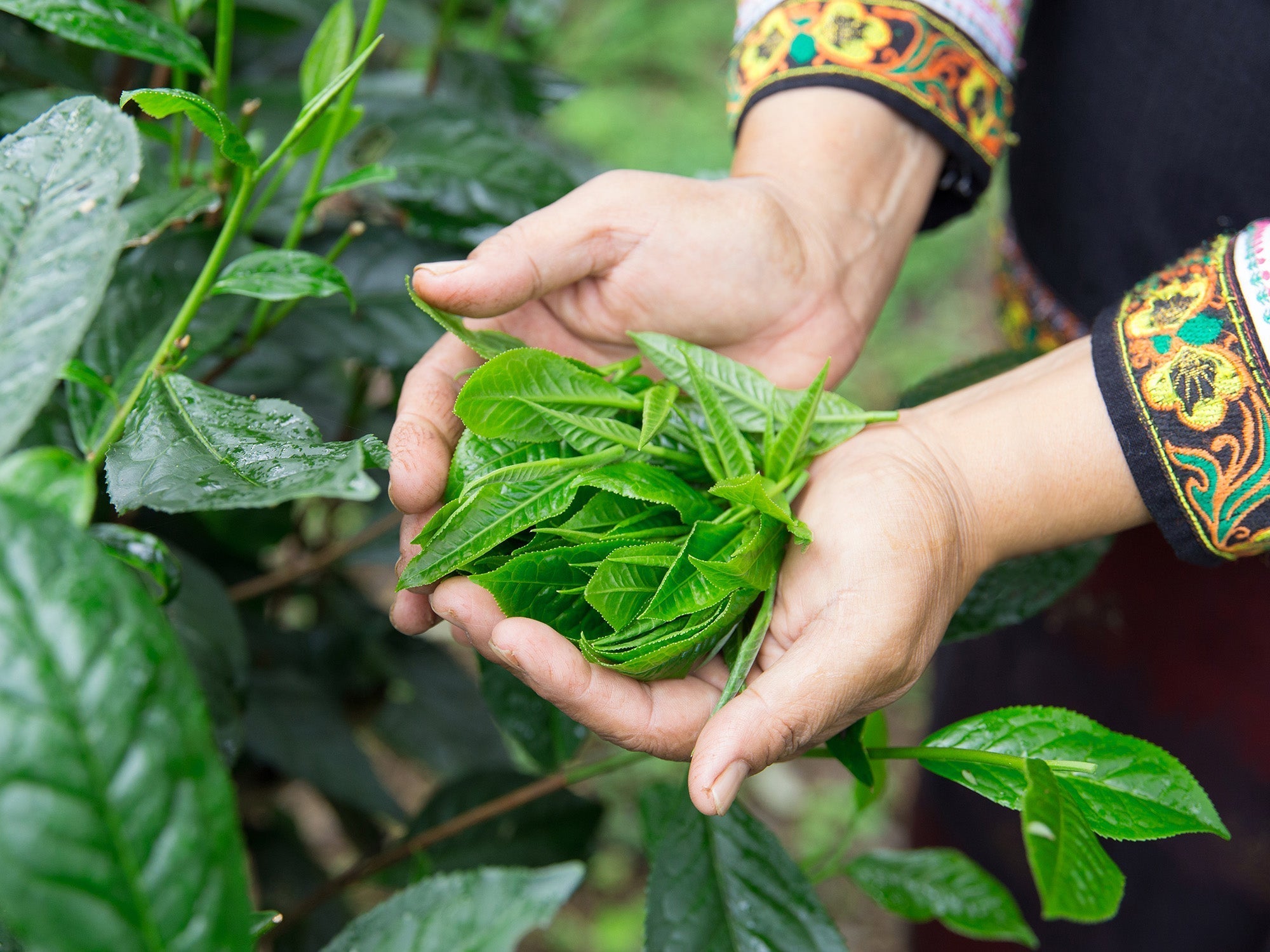
Varieties and cultivars: the basis of every tea aroma
Tea has an enormous richness of aromas and characters. As with wine and coffee, the story begins with the plant itself. The choice between varieties and cultivars determines the aroma and quality o...
Read more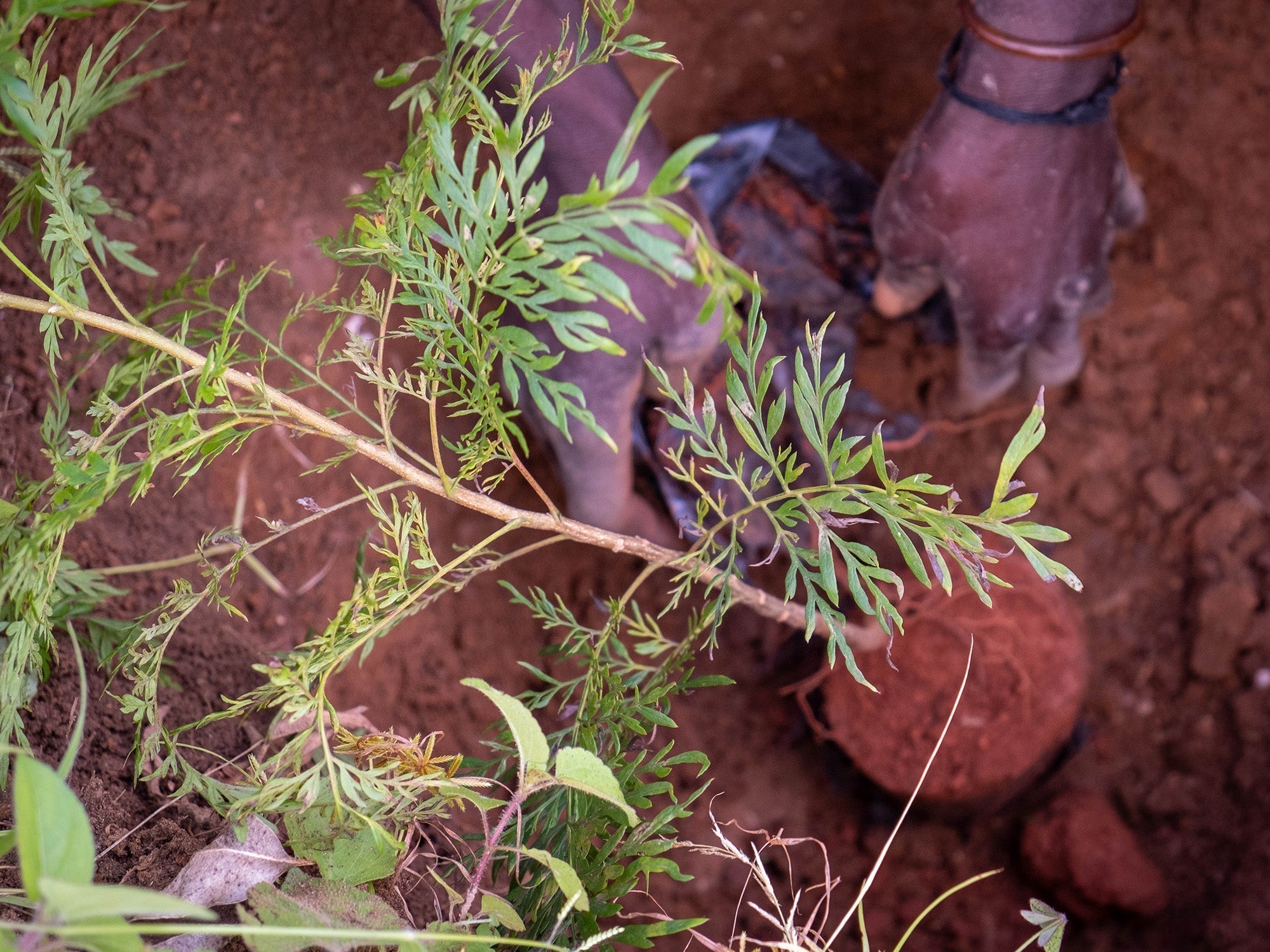
Tree planting in Malawi: an income for farmers
Malawi loses an estimated 33,000 hectares of forest per year. Barely a tenth of the population is connected to the electricity grid, meaning demand for firewood and charcoal remains high and pressu...
Read more
The gentle power of chamomile tea
Chamomile is one of the most widely used ingredients in herbal infusions and blends worldwide. Its gentle, floral flavour and calming character make chamomile an ideal companion for moments of rela...
Read moreFree Delivery
From €50 in BE and NL.

Pickup Available
In Zonhoven and Hasselt (BE).

Fast Shipping
Within 2-3 business days.

Secure Payment
Multiple payment options.