



Free Delivery
From €50 in BE and NL.
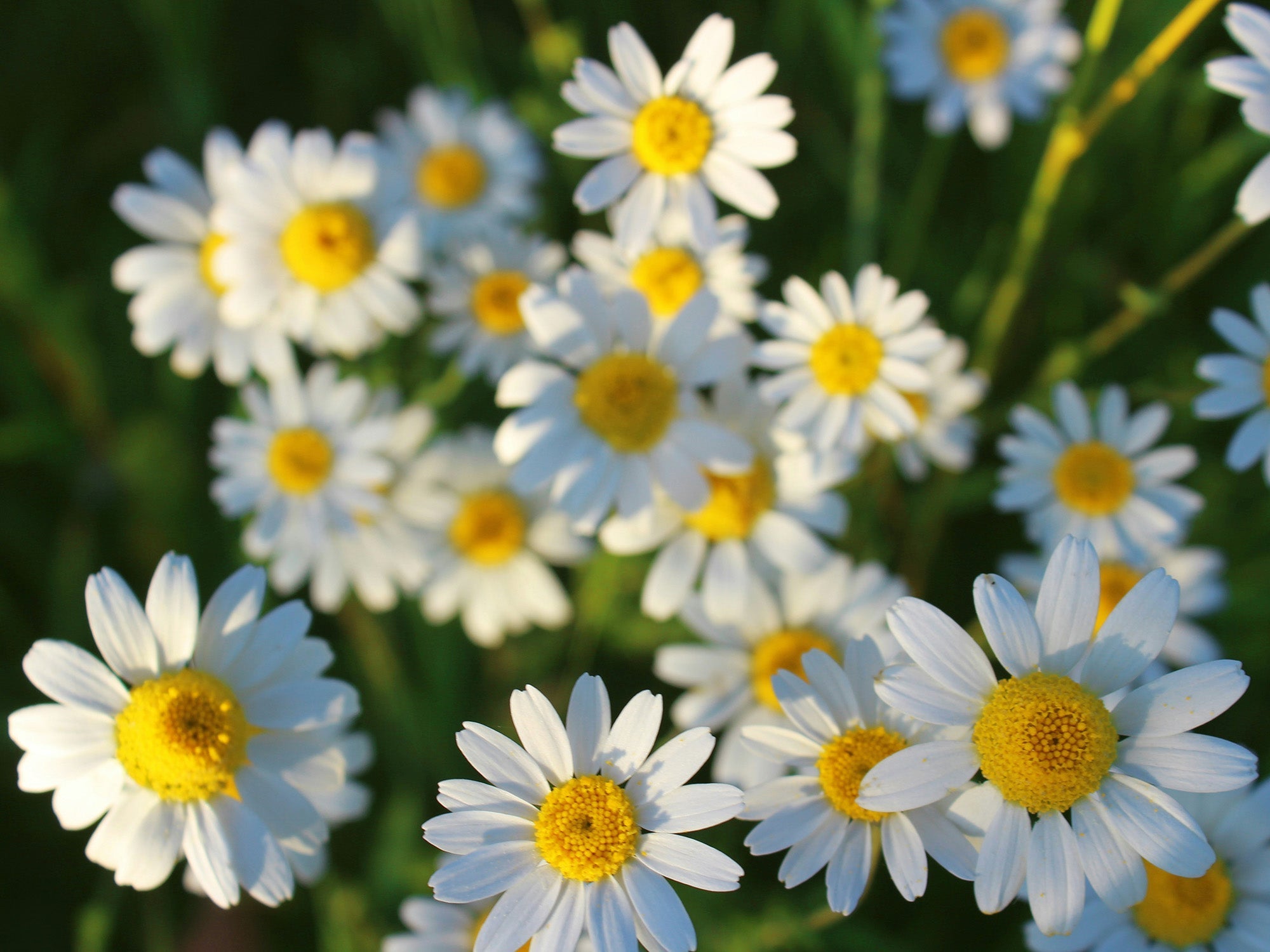
Chamomile has been used for thousands of years. From the ancient Egyptians to the monastery gardens of the Middle Ages, from Hippocrates to Beatrix Potter: this modest herb has a remarkably rich history.
The name "chamomile" comes from the Greek chamaimēlon, literally "apple of the earth", referring to the sweet, apple-like scent of the flowers. In ancient stories, chamomile symbolised patience and peace.
The history of chamomile takes us back to one of the oldest civilisations in the world. The Papyrus Ebers, an Egyptian medical document from 1550 BC, already describes the use of chamomile. It is therefore one of the earliest mentions of this herb in a written source.
The Egyptians used chamomile not only medicinally, but also in the embalming of mummies and in their cosmetic preparations. The golden colour of the flower's centre reminded them of the sun, and according to tradition chamomile was therefore held in a special, almost sacred regard.

The ancient Greeks and Romans continued the tradition. They used chamomile flowers primarily to treat skin conditions and fever. Even Hippocrates, the "father of medicine", acknowledged the properties of chamomile and described it in his works.
The Romans also burned chamomile as incense and added it to drinks. They discovered that it helped with headaches and used it to find calm.
By the 10th century, chamomile had attained a special status. The herb was given a place among the nine sacred herbs in the Lacnunga, an Anglo-Saxon manuscript on herbs and healing charms.
During the Middle Ages, people drank chamomile tea to relieve pain and combat fatigue. Monks cultivated chamomile in monastery gardens, where it held a regular place among medicinal herbs. In this way, chamomile, along with the knowledge surrounding it, travelled through all of Europe via monastic communities.
There are two main species of chamomile, each with its own character. Both were used in antiquity, but only received their scientific description and distinction at a later stage.
Chamomile also found its way into the arts. In Beatrix Potter's The Tale of Peter Rabbit, the mischievous rabbit is given chamomile tea by his mother after making himself ill in Mr McGregor's garden. That scene confirms an image that has existed for generations: chamomile as a comforting remedy for children.
In the language of flowers, popular during the Victorian era, chamomile symbolised patience in adversity. The plant continues to flower even on the most well-trodden paths. Chamomile therefore became a symbol of resilience.

Chamomile remains a versatile herb today. People use it in a variety of ways.
For centuries, chamomile has been associated above all with its calming character. In a time when we are constantly connected and reachable, a cup of chamomile tea offers an invitation to rest and unwind. Just as it did thousands of years ago.
At Tea Kulture, we select chamomile with care, directly from small producers.

From Nuwara Eliya to Ruhuna: The Seven Tea Regions of Sri Lanka
From the misty mountaintops of Nuwara Eliya to the tropical coastal plains of Ruhuna: Sri Lanka is small enough to cross in a single day. But it also comprises seven tea regions, each with exceptio...
Read more
Varieties and cultivars: the basis of every tea aroma
Tea has an enormous richness of aromas and characters. As with wine and coffee, the story begins with the plant itself. The choice between varieties and cultivars determines the aroma and quality o...
Read more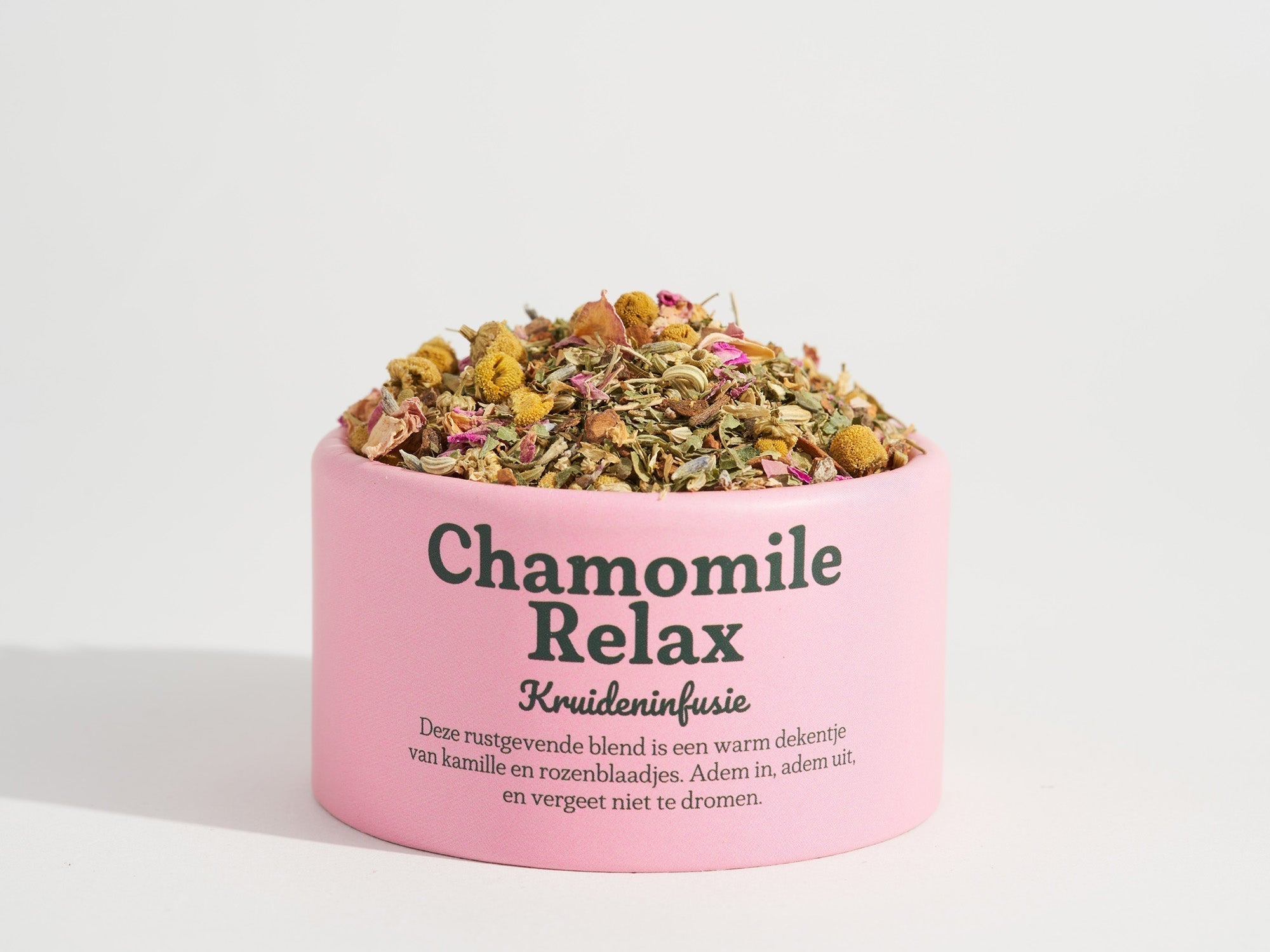
The gentle power of chamomile tea
Chamomile is one of the most widely used ingredients in herbal infusions and blends worldwide. Its gentle, floral flavour and calming character make chamomile an ideal companion for moments of rela...
Read moreFree Delivery
From €50 in BE and NL.

Pickup Available
In Zonhoven and Hasselt (BE).

Fast Shipping
Within 2-3 business days.

Secure Payment
Multiple payment options.