


Free Delivery
From €50 in BE and NL.
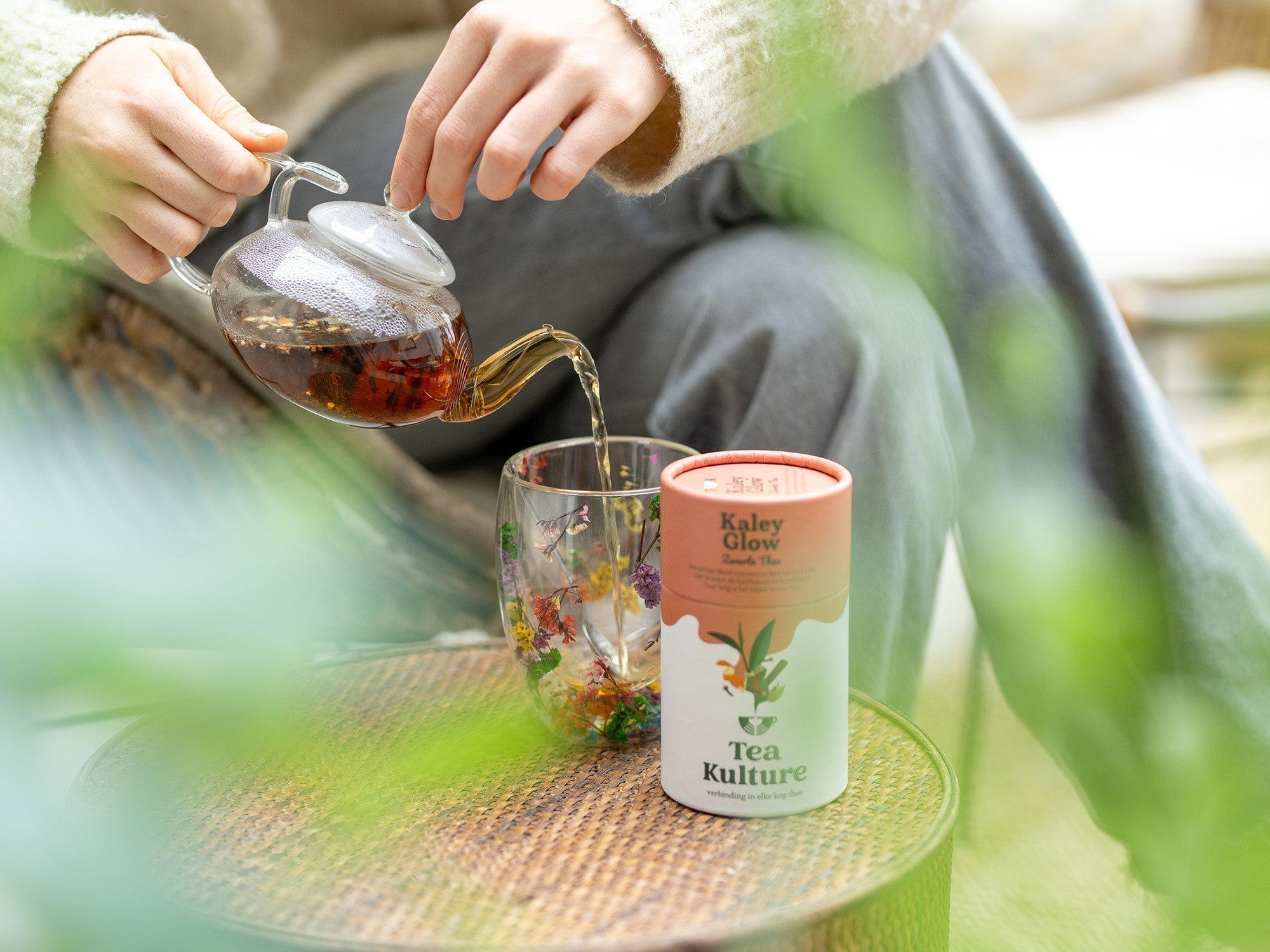
The world of tea is enormously diverse: there are many different forms, sizes, flavours, and emotions. Brewing tea is an art form in many countries. Consider the authentic Chinese or Japanese tea ceremony, where extraordinary flavours and aromas are drawn into the cup. It can take years to master such a ceremony.
That said, brewing a good cup of tea is a skill anyone can learn. The step-by-step guide below is a good place to start.
The most important rule here: the tea leaves need space to release their flavours. A teapot with a built-in strainer is ideal. A cup or mug with a separate strainer works just as well.
There are many different types of strainer, but a small ball infuser is not recommended for large loose-leaf tea. The leaves have too little space to expand and release their flavours.
A few methods for steeping your tea:
"If the leaf is the soul of tea, then water is its heart."
A cup of tea consists of 99 per cent water. Its quality has a direct influence on the flavour, aroma, colour, and clarity of your tea.
Avoid water that is too high in limestone. Excess minerals can negatively affect the lively flavours and aromas of delicate tea leaves.
To make the most of the flavour potential of your tea leaves, aim for water with a dry residue of less than 50 mg per litre and a pH value between 6 and 7. Spa Reine, Mont Roucous, and Mont Calme all meet these requirements. Filtered water is also a good option.
As well as a clear colour, low-mineral water gives your tea a pleasant aroma and flavour.
Read more about this in our article on the important role of water in tea.
The correct water temperature is crucial for a good brew. Each type of tea has a different optimal temperature.
There are various ways to bring water to the right temperature:
The general rule here is one teaspoon of loose tea leaves per cup. If you have a simple kitchen scale, you can measure the exact weight of the tea leaves straight away.
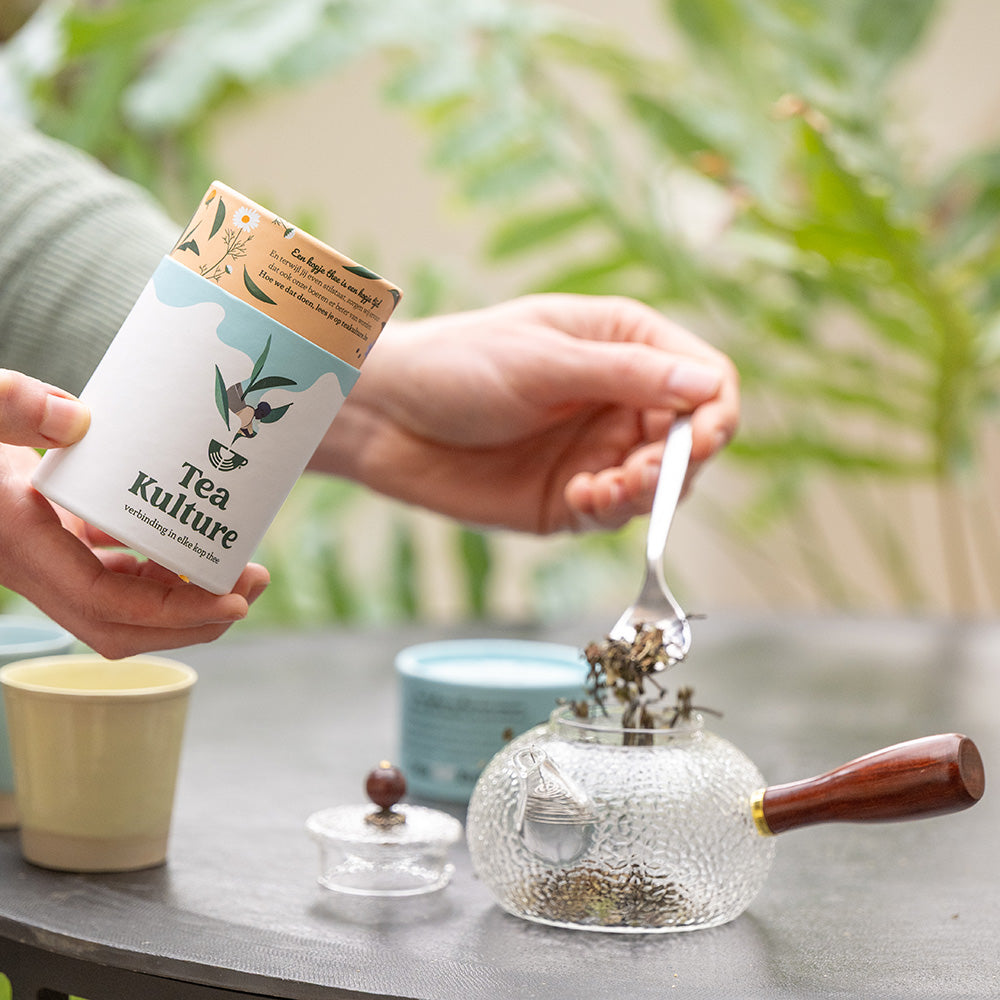
Place the tea leaves in the strainer of your teapot or cup.
It is perfectly fine to adjust these amounts to your own taste preferences. Using fewer tea leaves will produce a lighter, milder cup. Using more leaves gives a richer, stronger, and sometimes slightly more bitter result.
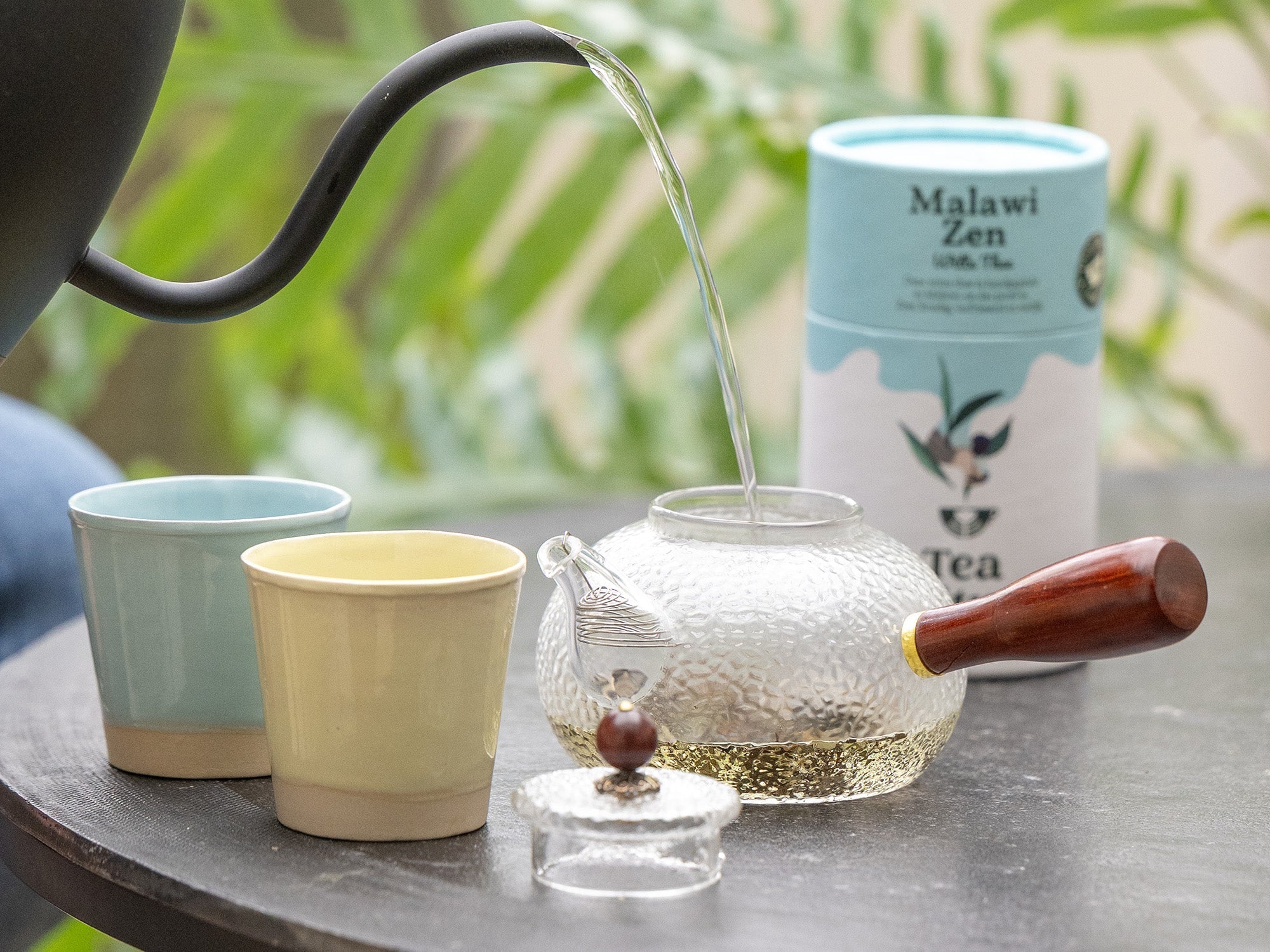
Now gently pour the hot water over your tea leaves. The water-to-leaf ratio matters here: too much or too little water will affect the flavour of your tea.
From this point, the steeping time is an important factor. This also varies by tea type:
Remove the strainer from your teapot or cup as soon as the tea leaves have steeped for the right amount of time.
Thanks to their high quality, all our loose tea leaves can be used multiple times. Do not discard the leaves after the first brew. Experiment with a second and third infusion and play with the steeping time.
Brewing tea is a matter of experimentation. Two common problems and how to solve them:
Your cup of tea is ready. Take a moment to breathe in the calming aromas, taste the flavour, and enjoy the warmth.
By using loose tea leaves, you enjoy the natural flavour palette of tea. We recommend enjoying it pure, without added milk or sugar.
Brewing tea is a simple and calming process. Above all, remember that there are no strict rules for making tea. It is all about personal preference.
Want to know how best to store your tea? Read our article on storing loose-leaf tea.
Tea consists of approximately 99 per cent water. The composition of that water therefore largely determines what you taste. Hard water and chlorine can make even the most exceptional tea leaves com...
Read more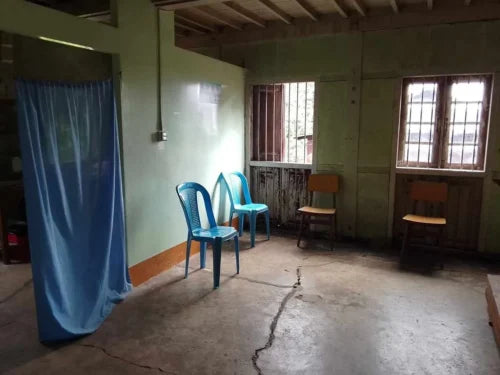
Medical care for Kyauk Saung in Myanmar
In the heart of Myanmar lies the village of Kyauk Saung, home to Mogok Tea. Against the backdrop of an ongoing civil war and an acute lack of healthcare, Tea Kulture provided medical assistance to ...
Read more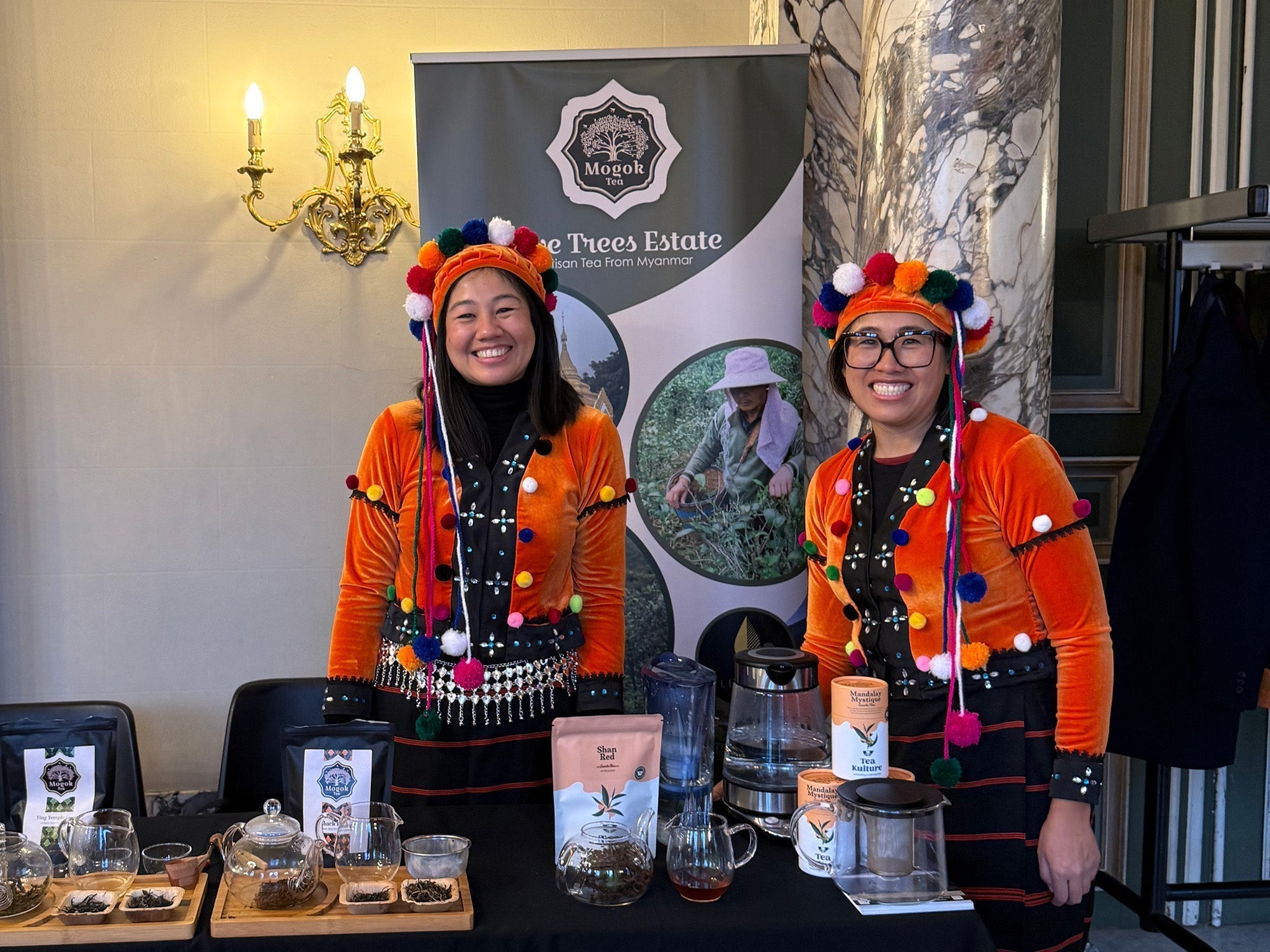
PUUR Photography Exhibition: Images in Support of Myanmar
Four photographers brought their lenses together at the beautiful Kasteel Borluut (Sint-Denijs-Westrem) during the second edition of PUUR. An exhibition of genuine, honest, and pure images.
Read moreFree Delivery
From €50 in BE and NL.

Pickup Available
In Zonhoven and Hasselt (BE).

Fast Shipping
Within 2-3 business days.

Secure Payment
Multiple payment options.