


Free Delivery
From €50 in BE and NL.
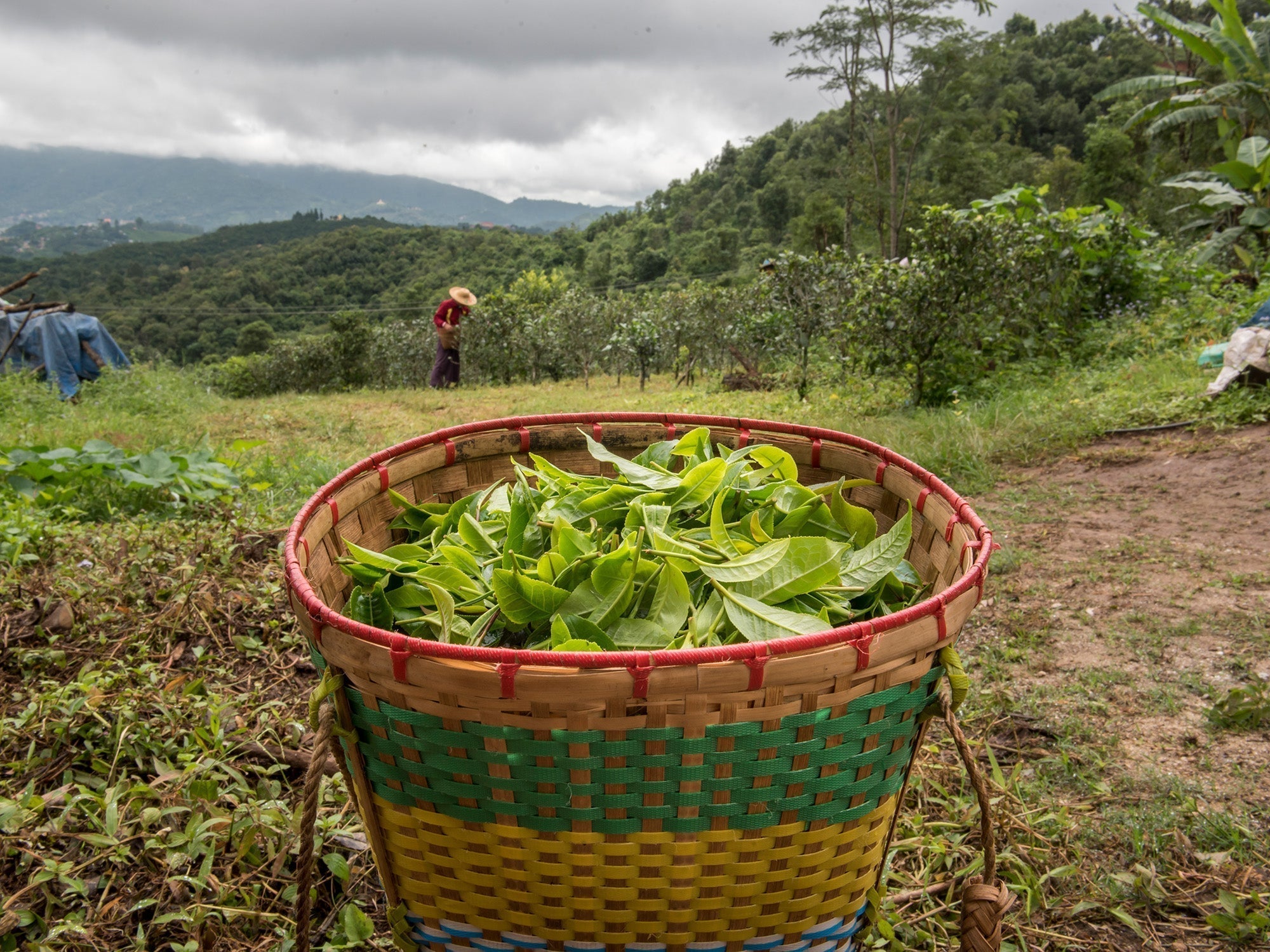
Tea comes in many forms: orthodox tea, CTC tea, organic tea, herbal infusions. The range is vast and the traditions are diverse. In this article, we provide an overview of the key concepts and what tea actually is.
All tea comes from the leaves of the Camellia sinensis plant. It is available in various forms, each with its own flavour and aroma profile.
The main varieties are:
Both varieties are also used for other tea types: Assamica, for example, for green tea in parts of India and Vietnam.
Various other Camellia species, including wild varieties, also play a valuable role in tea production.
Discover more about varieties and cultivars.
Tea falls into six main classes:
Each type undergoes specific processing methods and different levels of oxidation. Within these broad categories, there is also a wide range of styles and flavours, shaped by the different production techniques, terroirs, varieties, and cultivars introduced by countries and even individual farmers.
All of these tea styles offer a varied range of sensory experiences, inviting tea enthusiasts to explore the rich world of flavours, aromas, and traditions.

The origins of tea involve many stories and myths and go back at least four to five millennia. One of the best-known stories takes place in ancient China, where Emperor Shen Nong, a herbalist, is said to have discovered tea. This legend places the discovery around 2737 BC, though this is a mythical date with no historical basis. Tea initially became known for its medicinal properties.
In the early 9th century, tea made its way to Japan via Buddhist monks who had been studying in China. The monk Saichō brought tea seeds back from China in 805. These monks also brought with them the culture of tea drinking, which led to a distinctly Japanese tea ceremony and the now famous matcha. By the 17th century, tea had reached Europe, where it was associated above all with refinement and luxury. The British afternoon tea is a well-known example.
The story of tea is interwoven with important historical events, including trade routes such as the ancient Tea Horse Road and the Silk Road, the Opium Wars, and the Boston Tea Party. The tea plant, rooted in ancient traditions, carries the weight of centuries of culture, art, philosophy, and poetry. At the same time, it moves with the times and gives rise to new trends that connect seamlessly with the world today.
Tea is known as a universal symbol of warmth and hospitality, representing the confluence of history, culture, and contemporary trends.

Orthodox tea refers to traditional tea production methods that emphasise craftsmanship and quality. The tea leaves retain their natural characteristics through careful picking and processing. The result is complex flavour profiles in which experienced tea drinkers often recognise the distinct qualities of specific regions.
CTC tea (Crush, Tear, Curl) is a more modern and mechanical approach to tea production. The method was developed in 1930 by British engineer William McKercher in Assam, India. The tea leaves undergo a process of crushing, tearing, and curling, producing granular and dusty tea particles. CTC tea is known for its strong and robust flavour. It is a popular choice for a robust black tea, often used in convenient tea bags and combined with milk.
In common usage, herbal infusions are often called tea, but technically this is not entirely accurate. Herbal infusions contain no tea leaves from the Camellia sinensis plant, but rather a range of herbs, fruits, flowers, and spices, such as chamomile, peppermint, and hibiscus. Herbal infusions are often a caffeine-free alternative to tea, offering a broad range of flavours.
The story behind chamomile is told in our article on the surprising history of chamomile.
There are exceptions when it comes to caffeine in herbal infusions. Yerba mate, for example, produced in South America, is botanically not a tea but does contain caffeine and acts more like a natural energy drink.

We live in a time when consumers place great importance on environmental and social impact. As a result, demand for organic products, including tea, is growing. Choosing organic protects the environment and supports the wellbeing of farmers, wildlife, and biodiversity.
Organic tea production avoids the use of harmful chemicals. Certification by bodies such as EU Bio, USDA, or the Soil Association verifies compliance with chemical-free principles.
A nuanced approach to organic tea is important, however: for small tea farmers, certification costs are often unaffordable. Despite their financial limitations, these artisan farmers still contribute to a rich diversity of flavours in the world of tea.
Tea Kulture's approach involves supporting both organic and traditional tea farmers. Some may not have expensive certifications, yet still produce organic and natural tea. This approach ensures a varied range, while maintaining our commitment to a sustainable tea community.
How small tea farmers in Sri Lanka work together is explained in our article on the network of artisanal tea farmers.
Discovering tea is a personal experience. As you explore the diverse world of tea, consider your flavour preferences, desired caffeine level, and the unique characteristics of each tea class.
Whether you enjoy a delicate, artisan orthodox tea or the aromas of a herbal infusion: there is a tea for every taste.
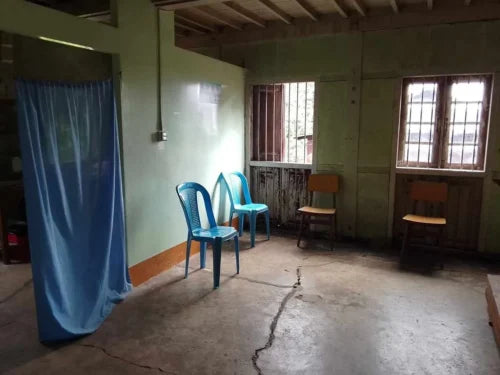
Medical care for Kyauk Saung in Myanmar
In the heart of Myanmar lies the village of Kyauk Saung, home to Mogok Tea. Against the backdrop of an ongoing civil war and an acute lack of healthcare, Tea Kulture provided medical assistance to ...
Read more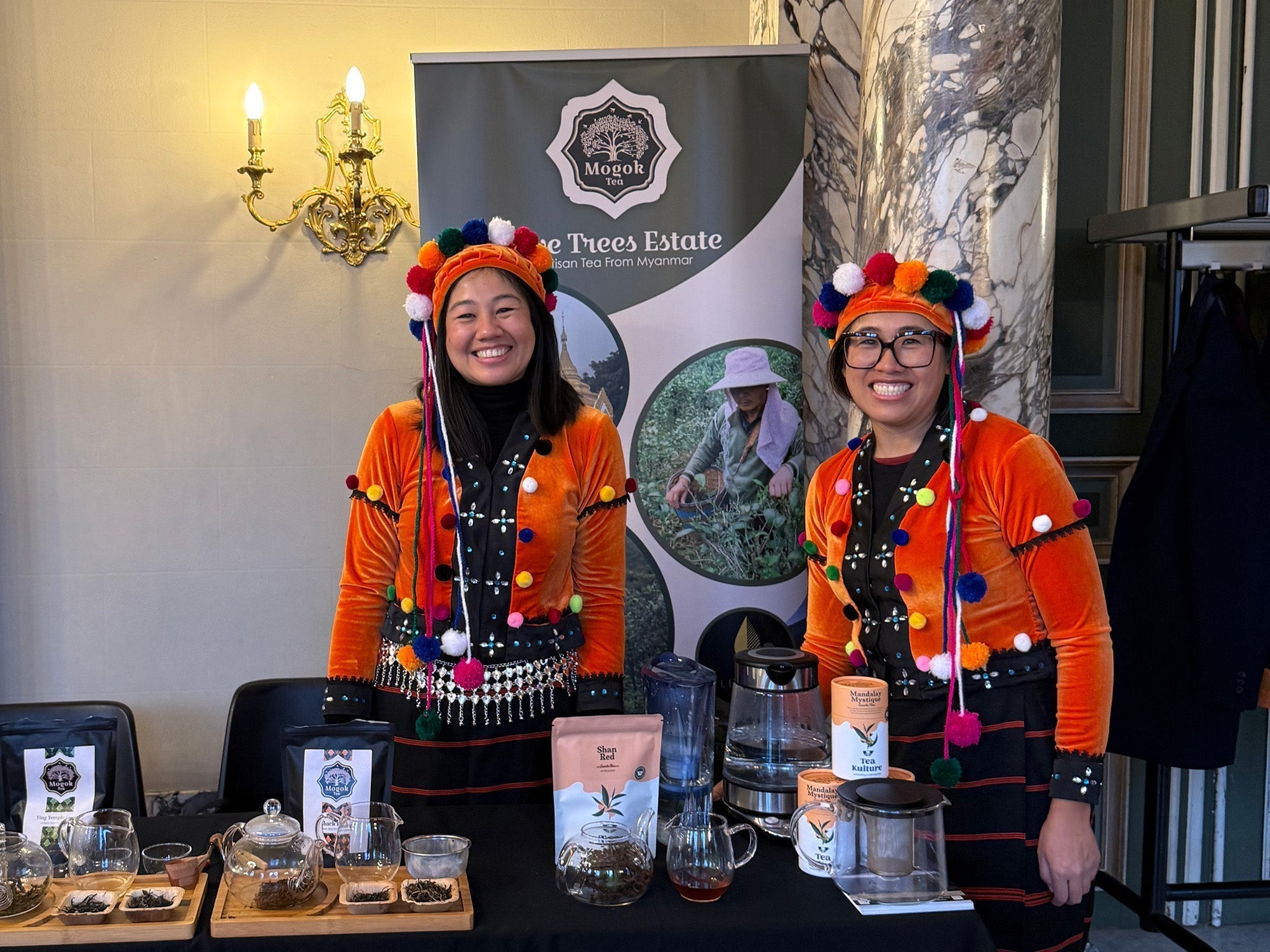
PUUR Photography Exhibition: Images in Support of Myanmar
Four photographers brought their lenses together at the beautiful Kasteel Borluut (Sint-Denijs-Westrem) during the second edition of PUUR. An exhibition of genuine, honest, and pure images.
Read more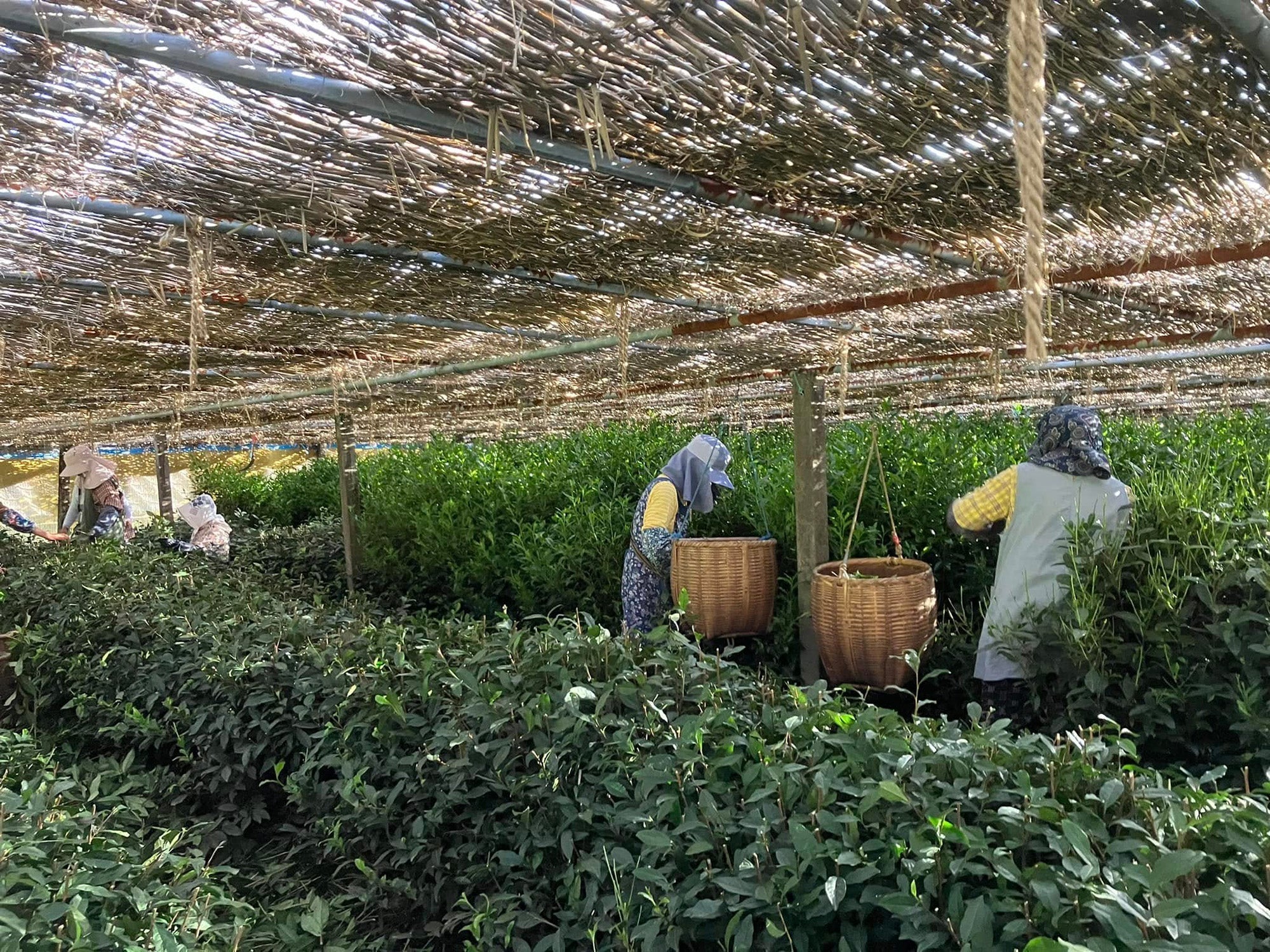
Single-origin tea: how origin shapes flavour
In the world of wine, a Burgundy bears no comparison to a Loire. In coffee, “single-origin” has grown, since the 2000s, into an outright mark of quality. That same movement is now taking hold in te...
Read moreFree Delivery
From €50 in BE and NL.

Pickup Available
In Zonhoven and Hasselt (BE).

Fast Shipping
Within 2-3 business days.

Secure Payment
Multiple payment options.