






Free Delivery
From €50 in BE and NL.

In the highlands of Tanzania, tea fields have been part of the landscape for generations. The country ranks among Africa’s most important tea producers, yet most tea departs anonymously as a base for blends and tea bags.
Tanzania, however, has everything needed to compete in specialty tea: the altitude, the seasons, the fertile soil and the people who have worked the fields for decades. And increasingly, producers are seizing that opportunity. They process, blend and pack their tea entirely within the country.
The history of tea in Tanzania begins early in the twentieth century, when German colonists introduced the first tea plants in the Usambara Mountains and in Rungwe. The climate and soil proved exceptionally suitable.
After the First World War the British took over administration and commercial cultivation began. The first large plantations emerged in the years that followed, but independence in 1961 brought nationalisation. The sector collapsed and only recovered after privatisation in the late 1980s—a pattern that also affected Uganda under Idi Amin.
Four production regions
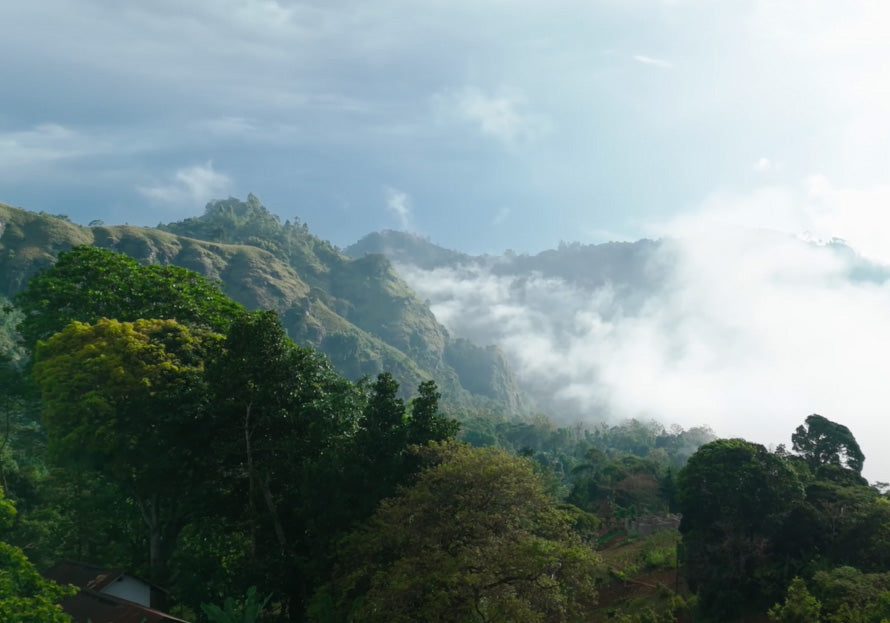
The Southern Highlands form the centre of Tanzanian tea production, with Mufindi, Njombe and Rungwe as the main regions. The plantations lie at 1,700 to 2,200 metres altitude, where dark volcanic soil, cool nights and misty mornings create ideal conditions.
The Usambara Mountains in the northeast are lower, with a warmer and more humid climate. Tea plants grow year-round and have a milder character compared to those from the highlands.
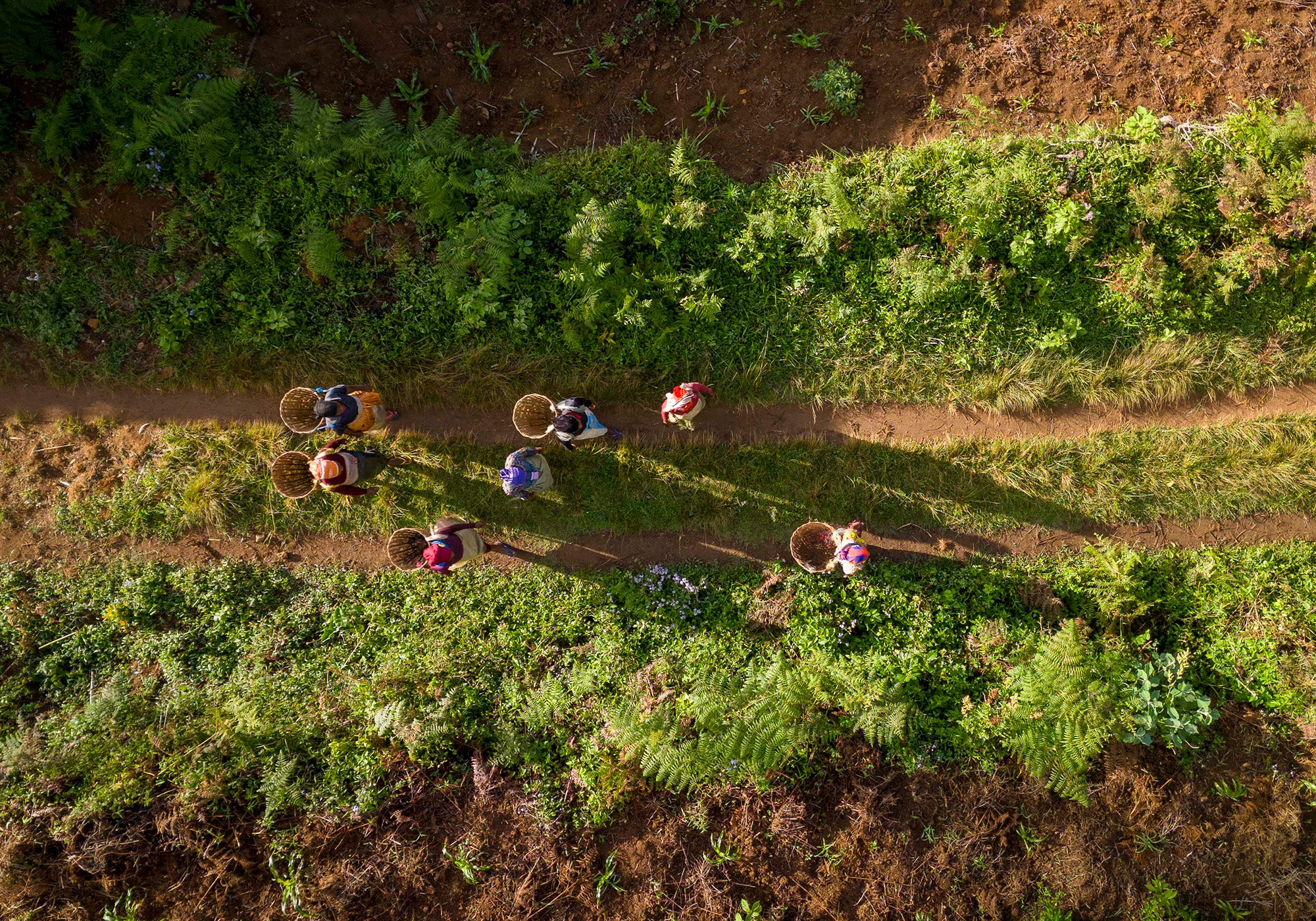
Around Lake Victoria lies Kagera, where the tropical climate and proximity to water ensure constant humidity.
In the far north lies Mara, the smallest of the four regions. Production is modest, but the tea plant benefits from the exceptionally fertile soils that characterise the area.
Production methods
The CTC method dominates the Tanzanian tea sector: leaves are mechanically crushed, rolled and cut into small granules. The result is a strong, robust tea ideal for blends and tea bags. The majority goes to the United Kingdom, Pakistan and Europe.
Tanzania shares this reality with Malawi and Uganda, among others, where CTC likewise determines the market. Yet a growing number of producers are deliberately moving away from this method by choosing orthodox processing. Green, white and even oolong teas are finding their way to international enthusiasts. Luponde Tea Estate and Kazi Yetu are the best-known examples.
The Dar es Salaam tea auction
For decades virtually all Tanzanian tea was traded through the auction in Mombasa, the world’s largest tea auction by volume. That changed on 13 November 2023 when the Tanzania Mercantile Exchange organised its own auction for the first time.
The ambition reaches further than the country itself. Tanzania wants to develop the auction into a regional platform for neighbouring countries such as Burundi, the Democratic Republic of Congo, Malawi and Uganda. In this way the country takes control of how tea reaches the world market, while also playing a broader role in the region.
Seasons under pressure
The harvest of tea leaves follows the rhythm of two rainy seasons. Most precipitation falls from March to May, and to a lesser extent from August to December. But climate change is profoundly disrupting that pattern. The dry period between seasons lasts longer than before: in the past farmers had to bridge a period of five months without significant rain. Meanwhile this period has extended to almost seven months. At the same time rainfall becomes more erratic: sometimes too little, sometimes too much in too short a time.
The consequences are visible. Many plantations date from the 1980s and are becoming exhausted. In the Tanga region entire fields have disappeared because bushes did not survive the persistent drought. The Tea Research Institute is developing cultivars that are more resistant to heat and water scarcity. It is necessary work, but recovery takes time.
Working in tea
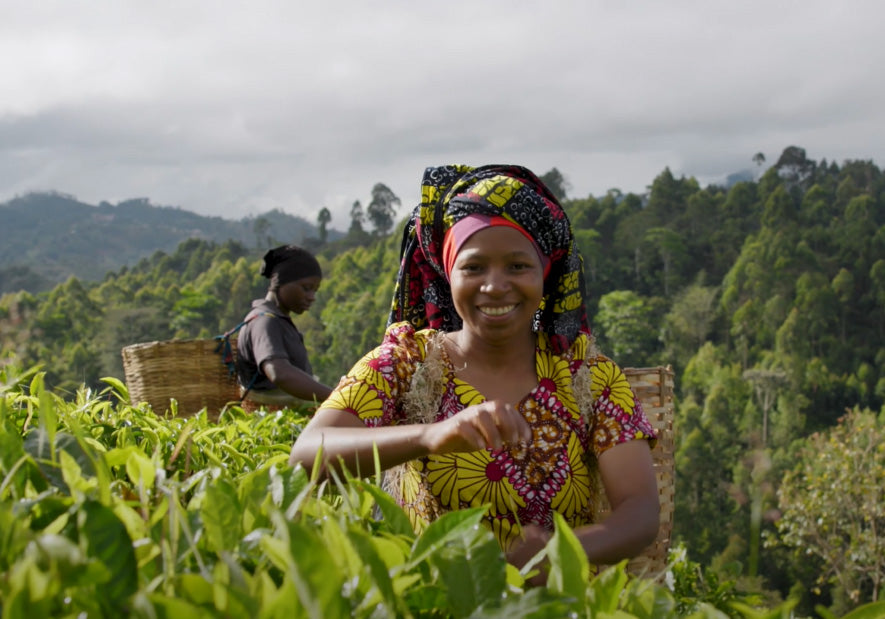
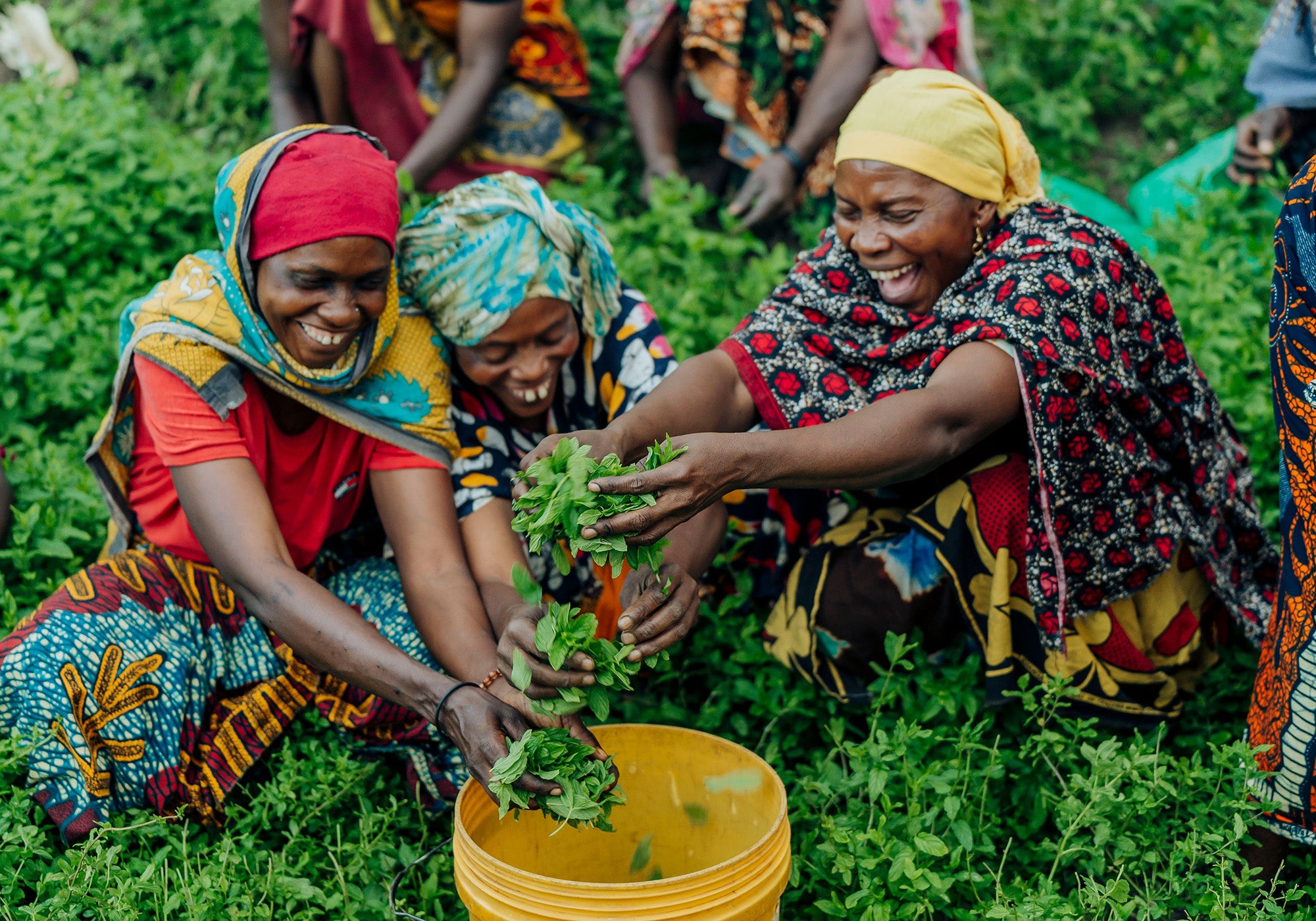
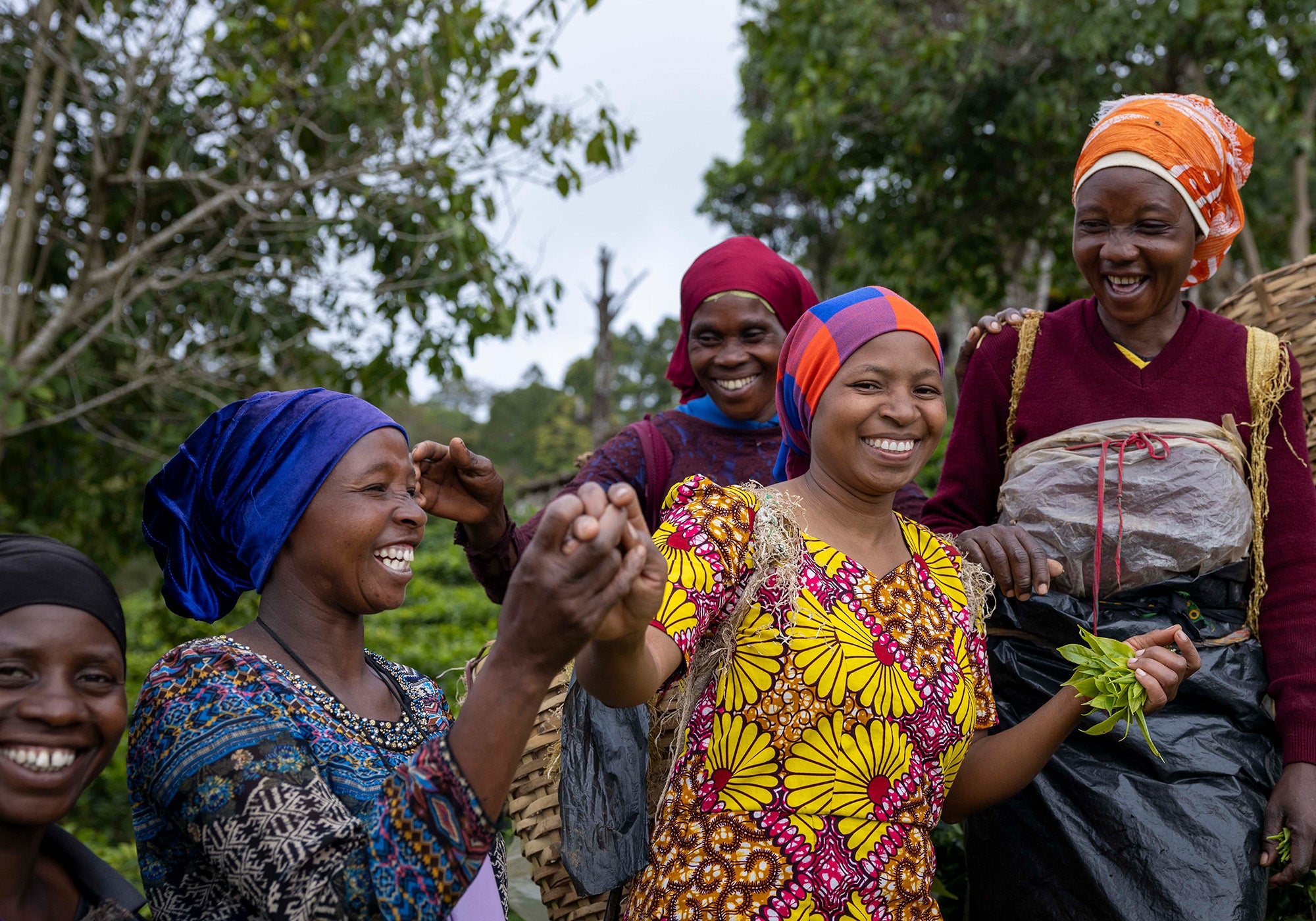
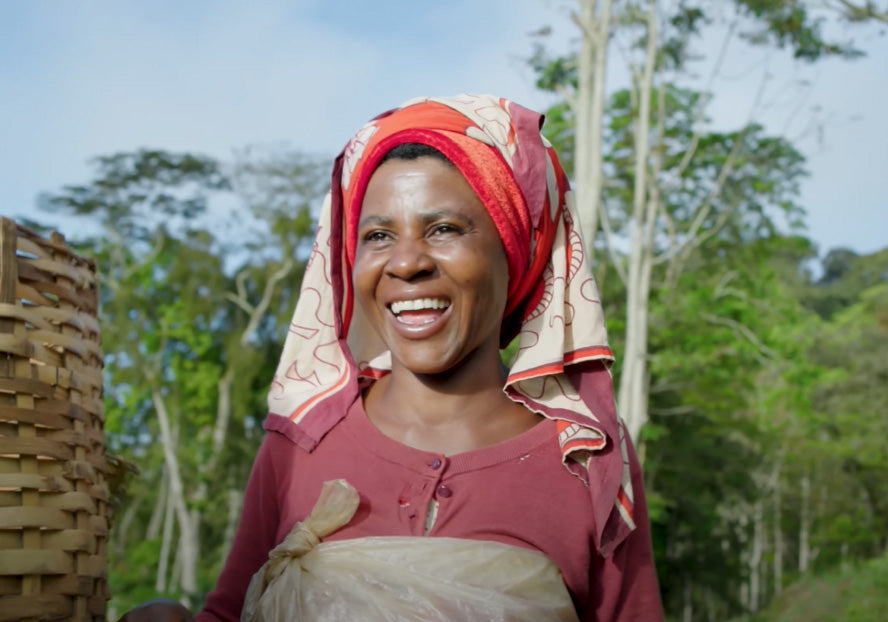
Some 32,000 smallholder farmers work plots often smaller than one hectare, combined with other crops. Together they account for approximately one third of total tea production. It is mainly women—around 70 percent—who do the plucking work.
The income that follows is usually managed by men. Access to training or financial services remains limited for many women. It is a persistent inequality, but a growing network of cooperatives and government projects is giving women a more visible position in the supply chain.
Kazi Yetu
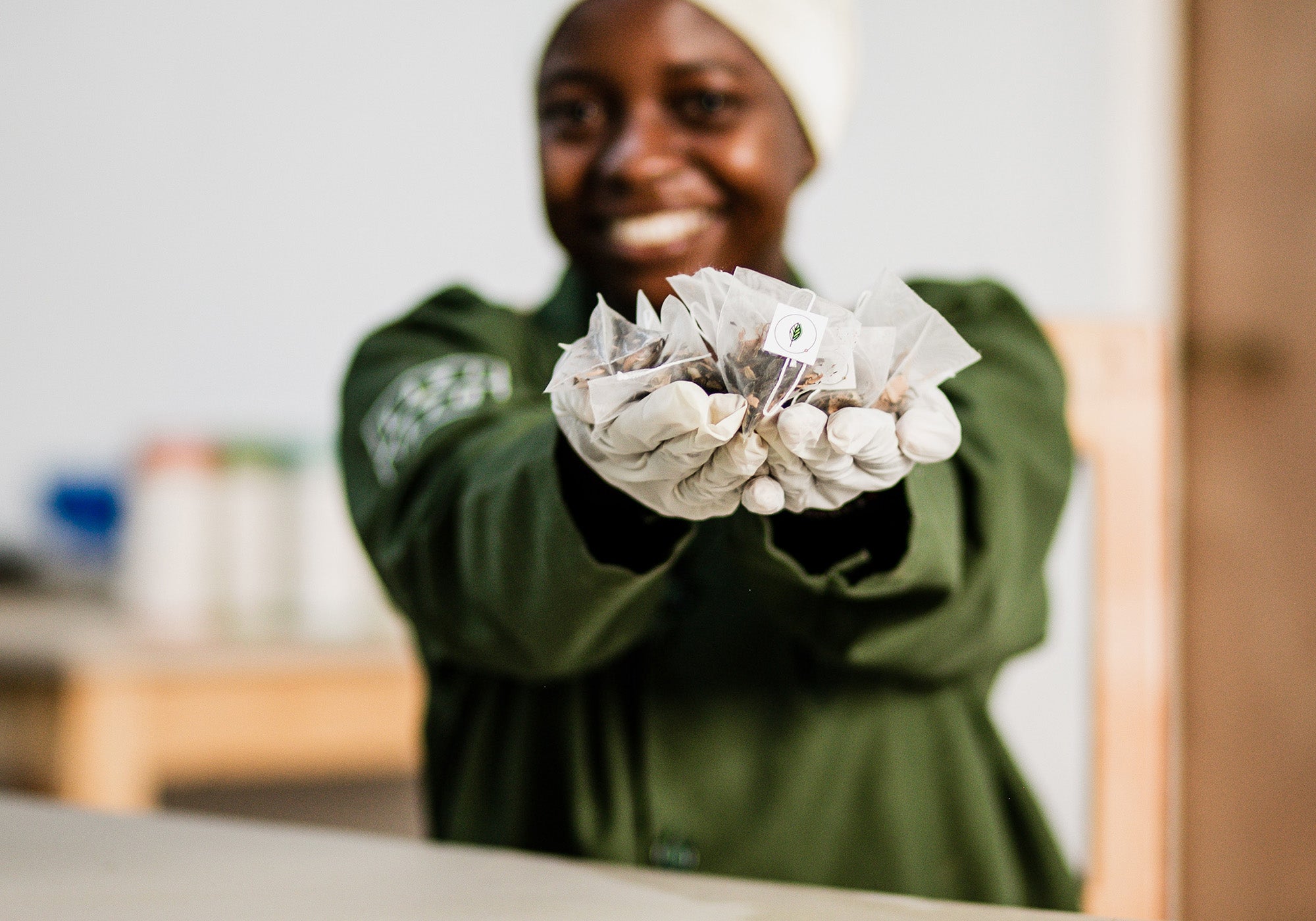
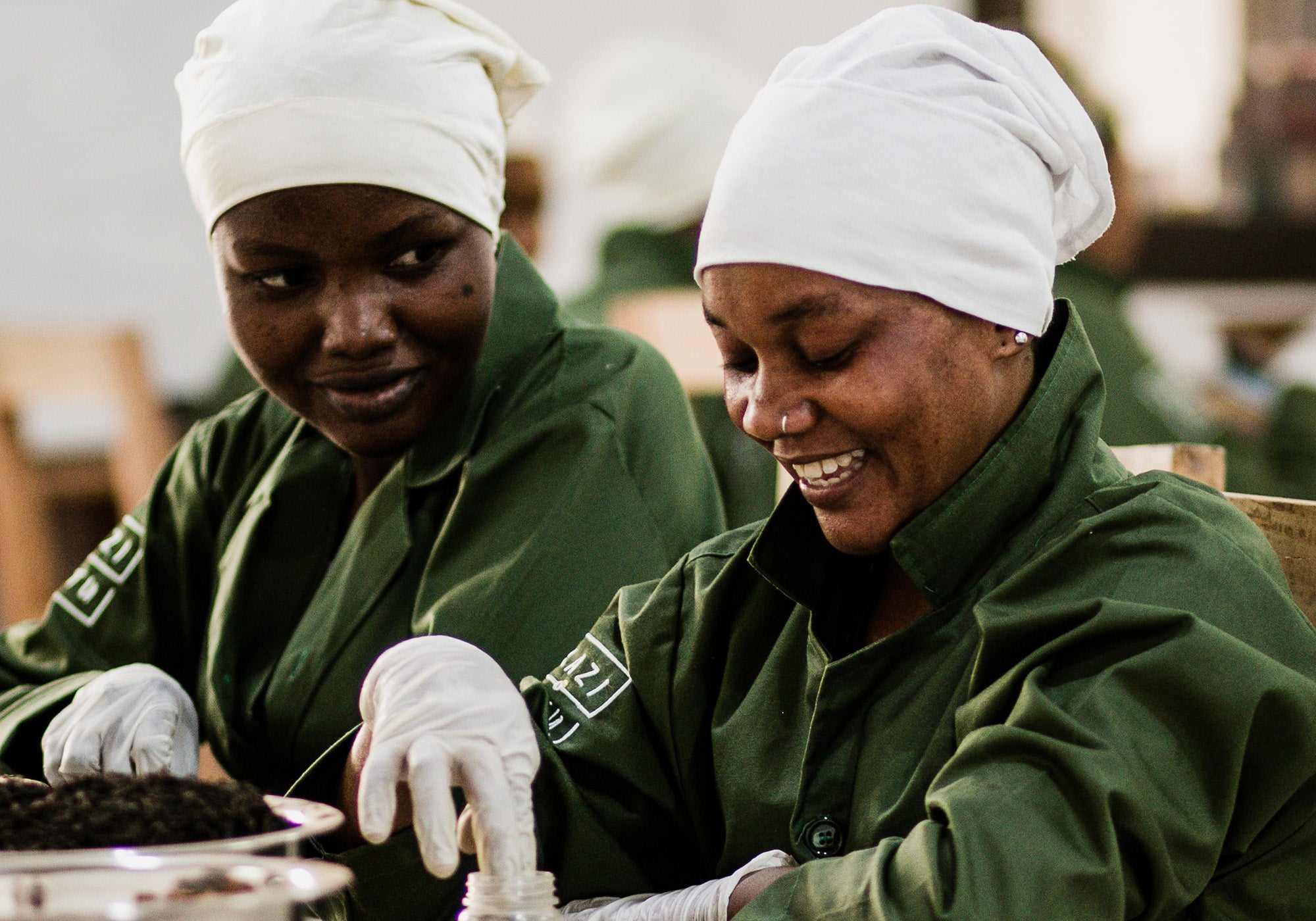
Kazi Yetu means ‘our work’ in Swahili. Tahira Nizari and Hendrik Buermann founded the social enterprise in 2018 in Dar es Salaam with one great mission: keeping the work at origin. Tea from Tanzania is not only plucked here but also processed, blended and packed.
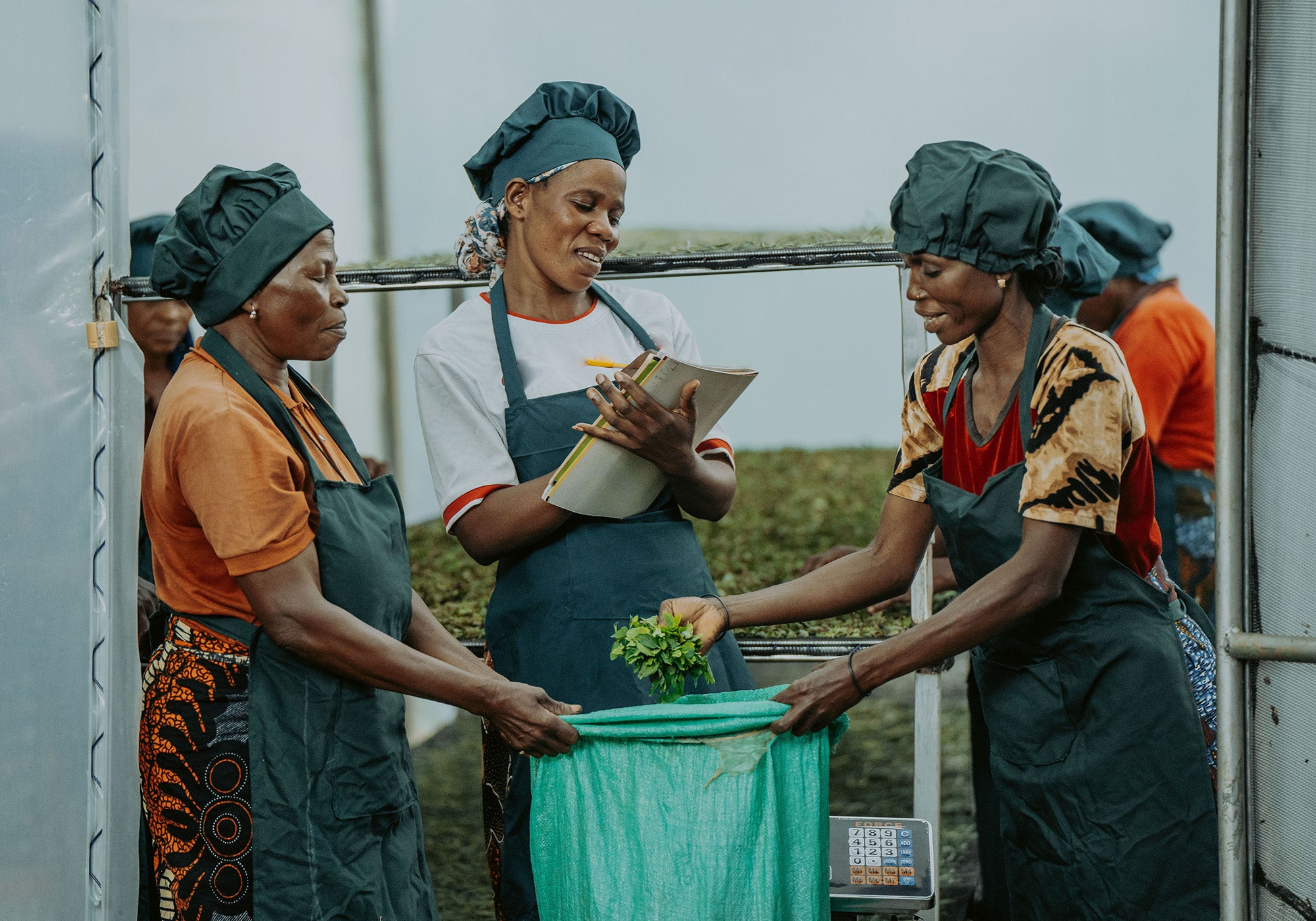
In 2023 Kazi Yetu established the Sakare Specialty Tea Company in the Usambara region. The factory is owned by the farmers. More than a thousand families from 23 villages process their own tea leaves into green and black tea—at many times what they would otherwise receive.
Tea from Tanzania in our collection
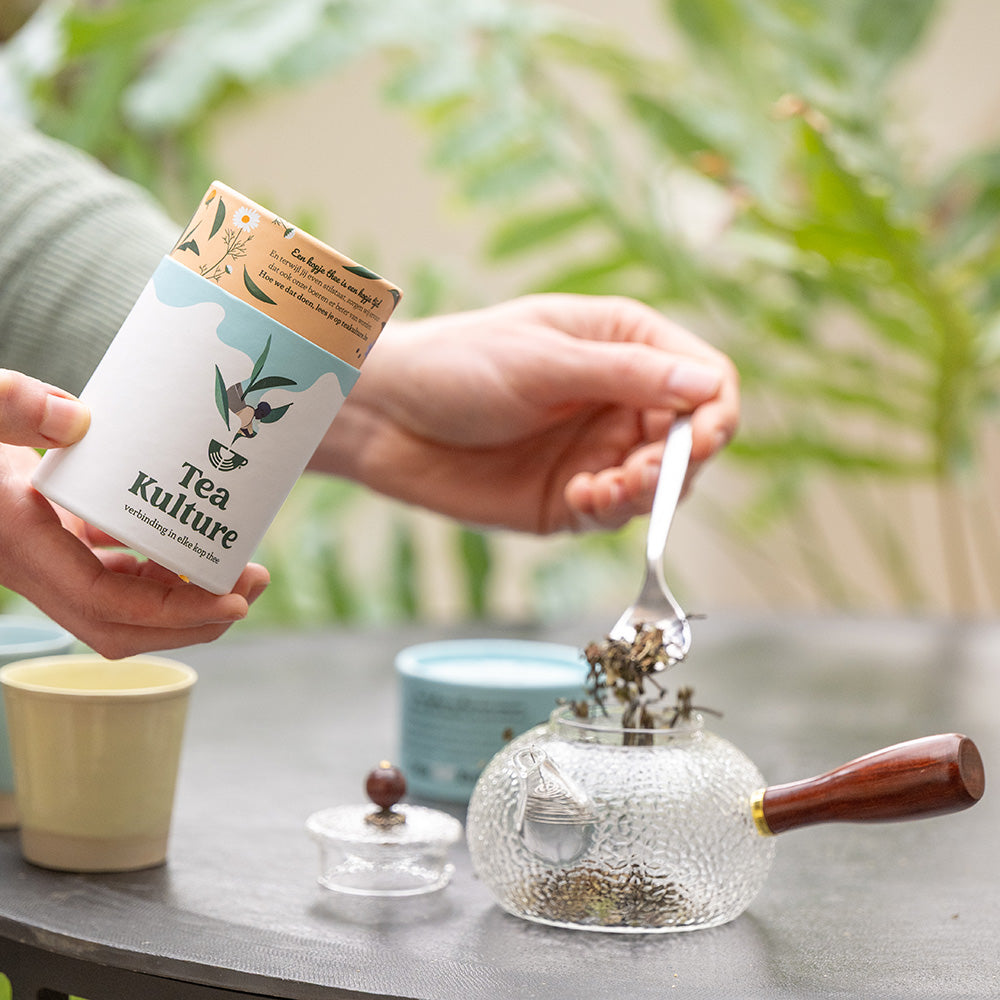
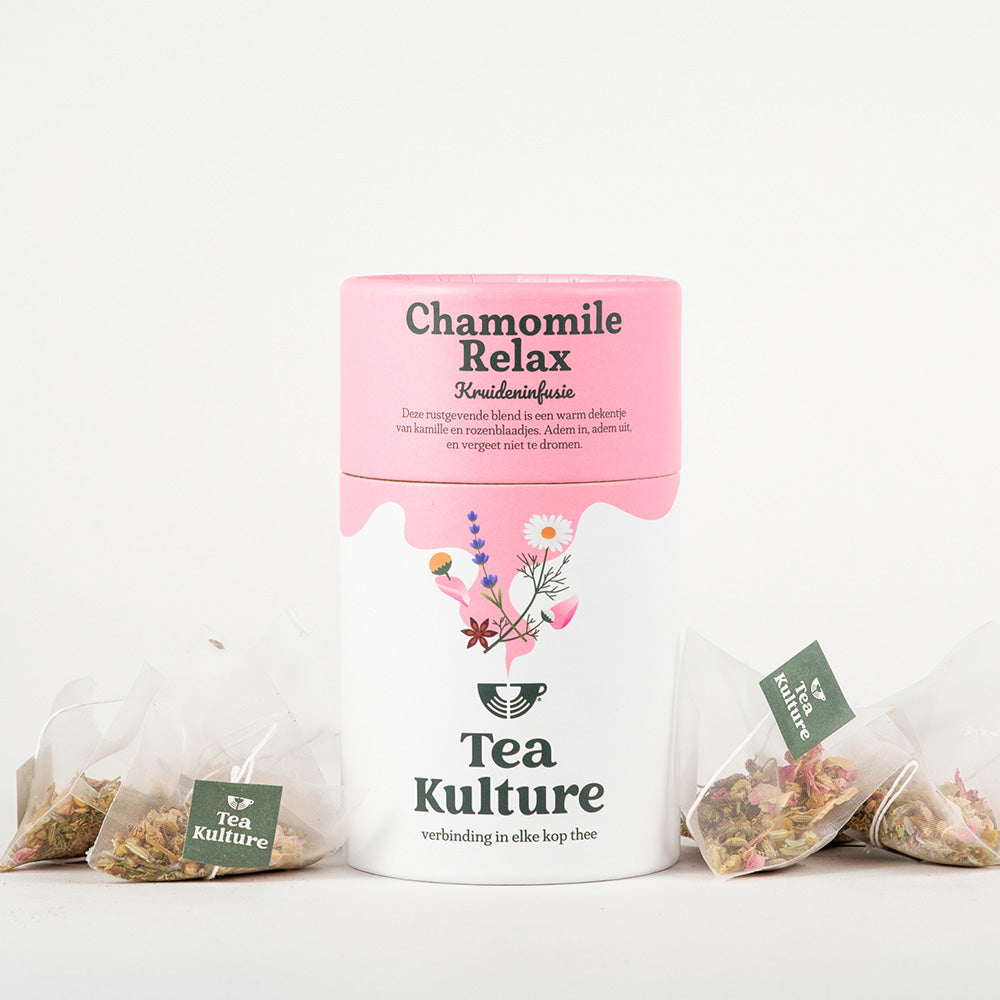
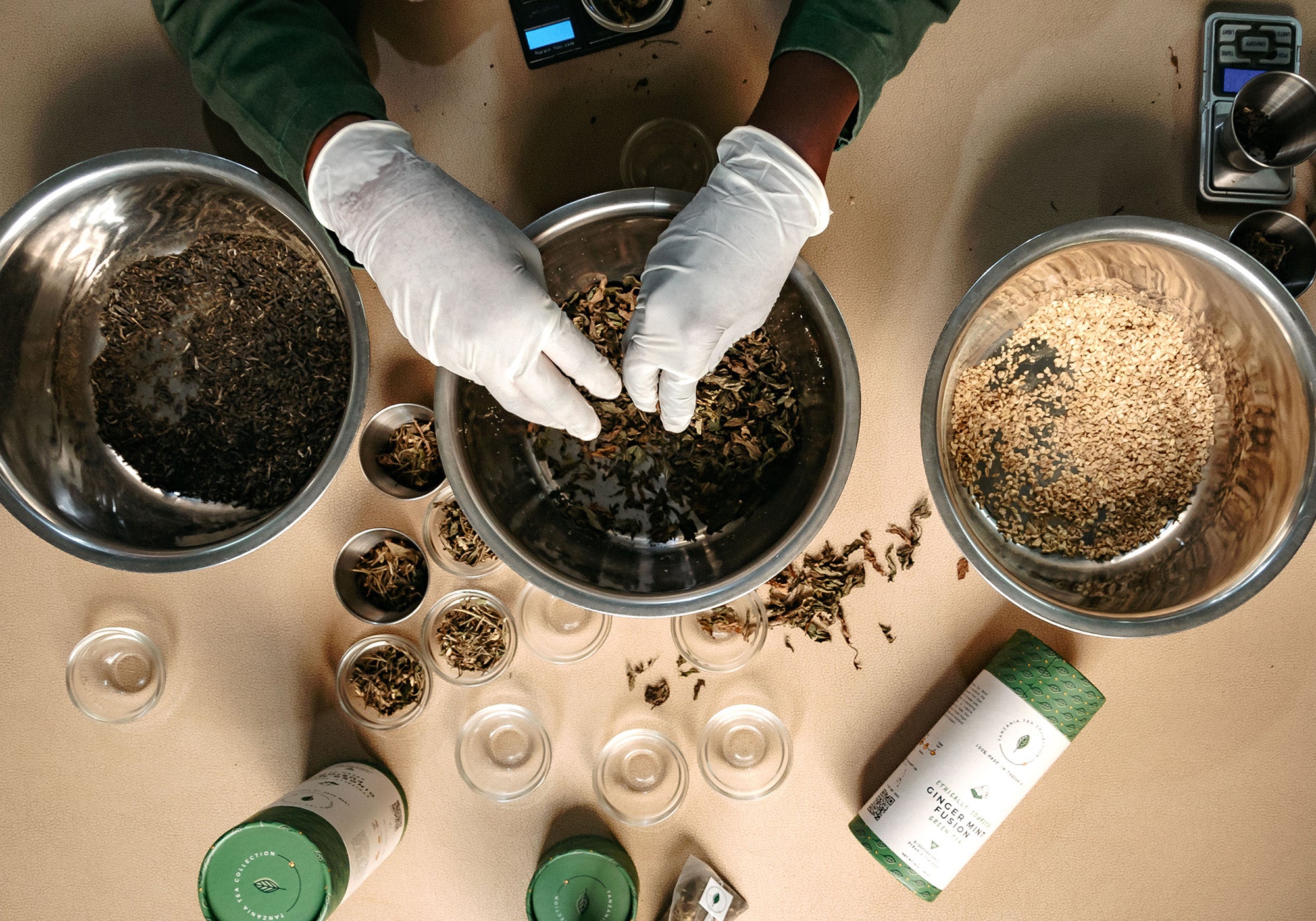
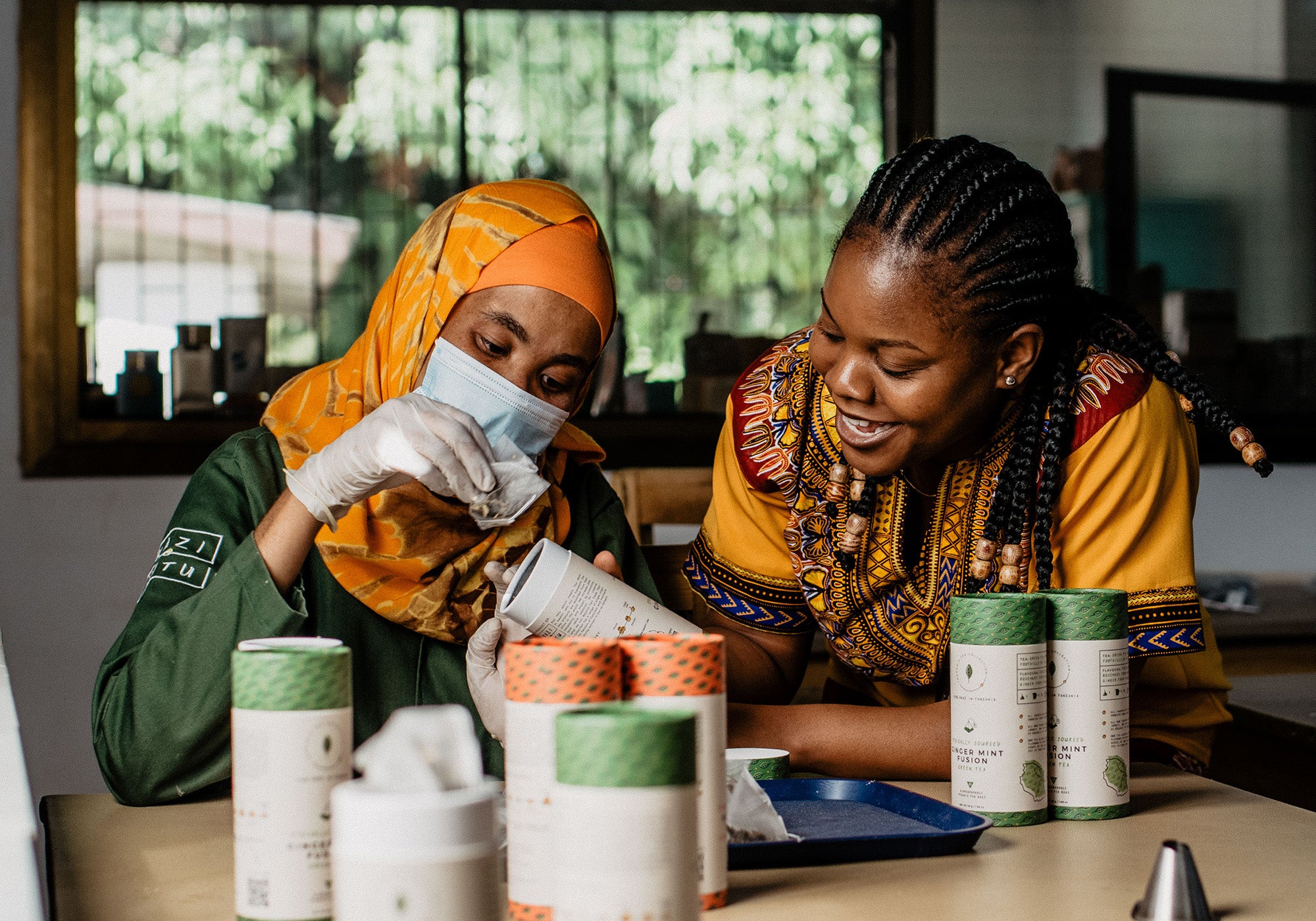
In the Tea Kulture collection you will find various teas from Kazi Yetu. Sakare Green is a green tea from the Usambara Mountains. The leaves are briefly heated in a pan to stop oxidation. The infusion is clear and light green, with a soft, fresh taste.
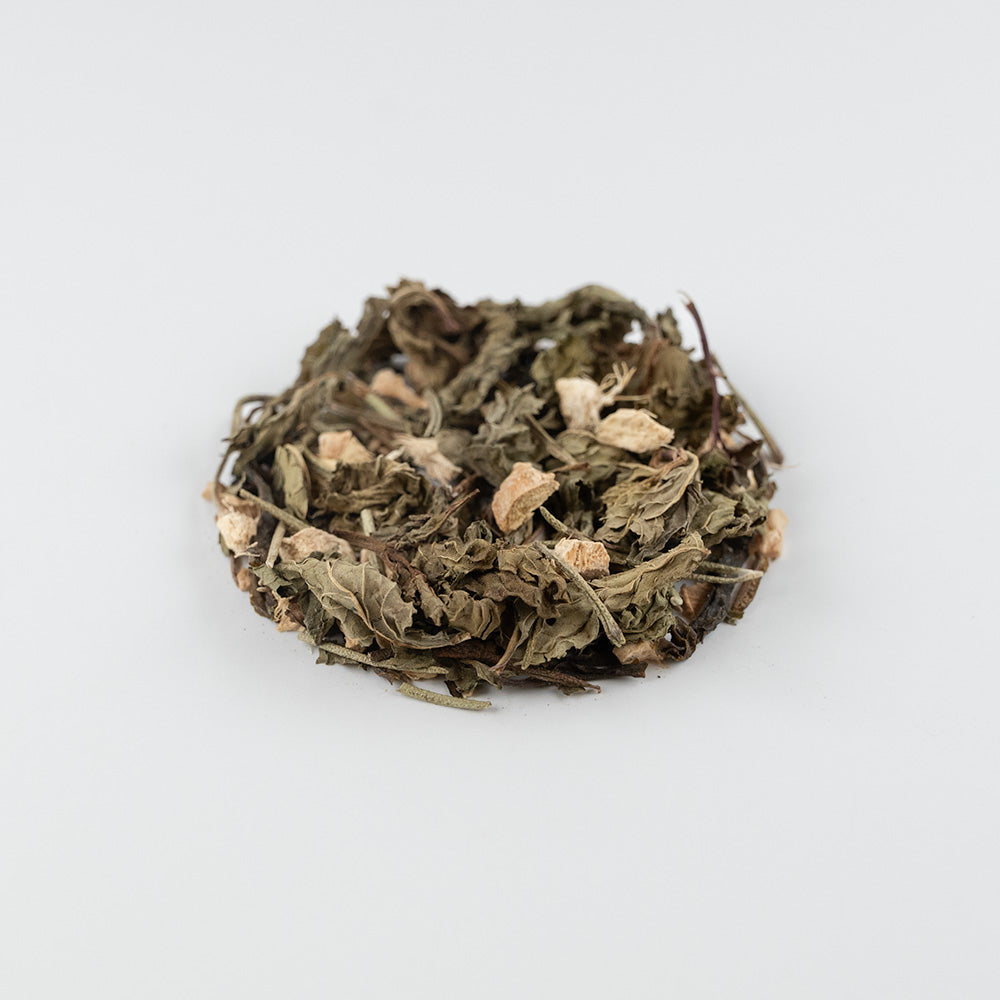
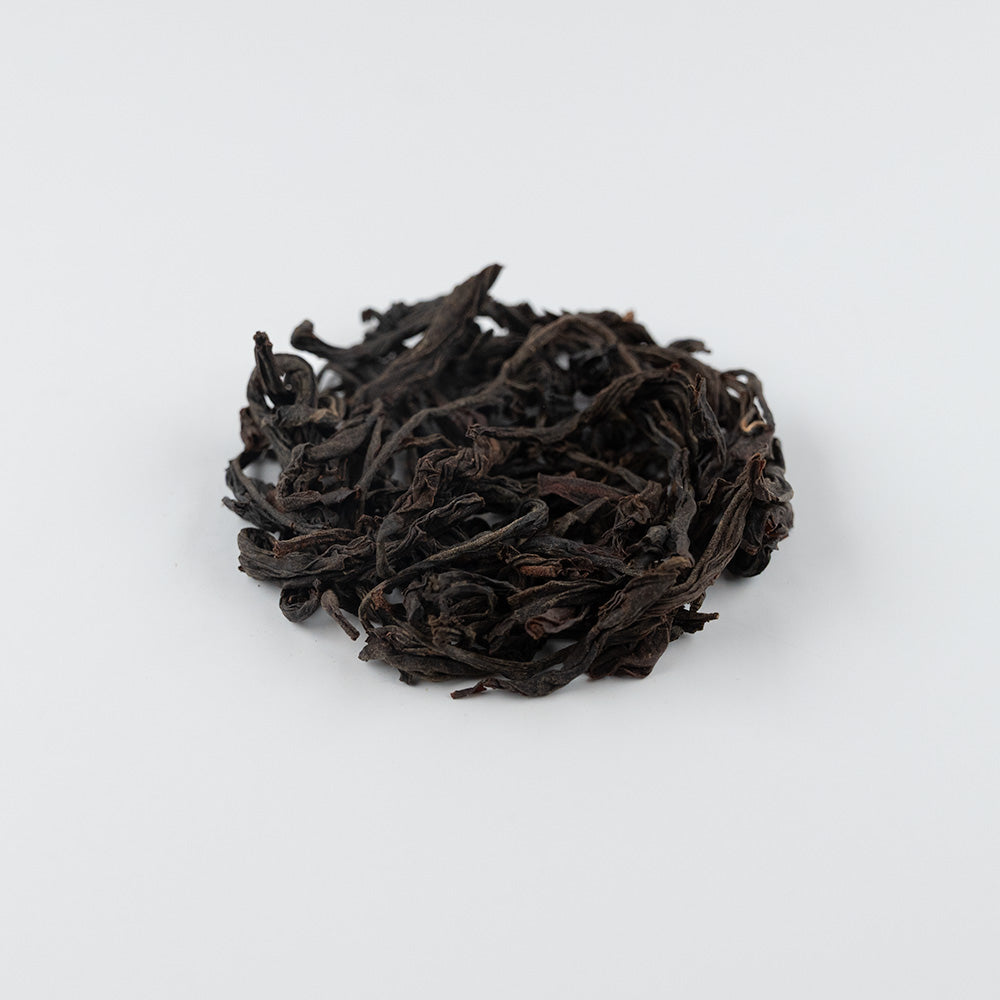
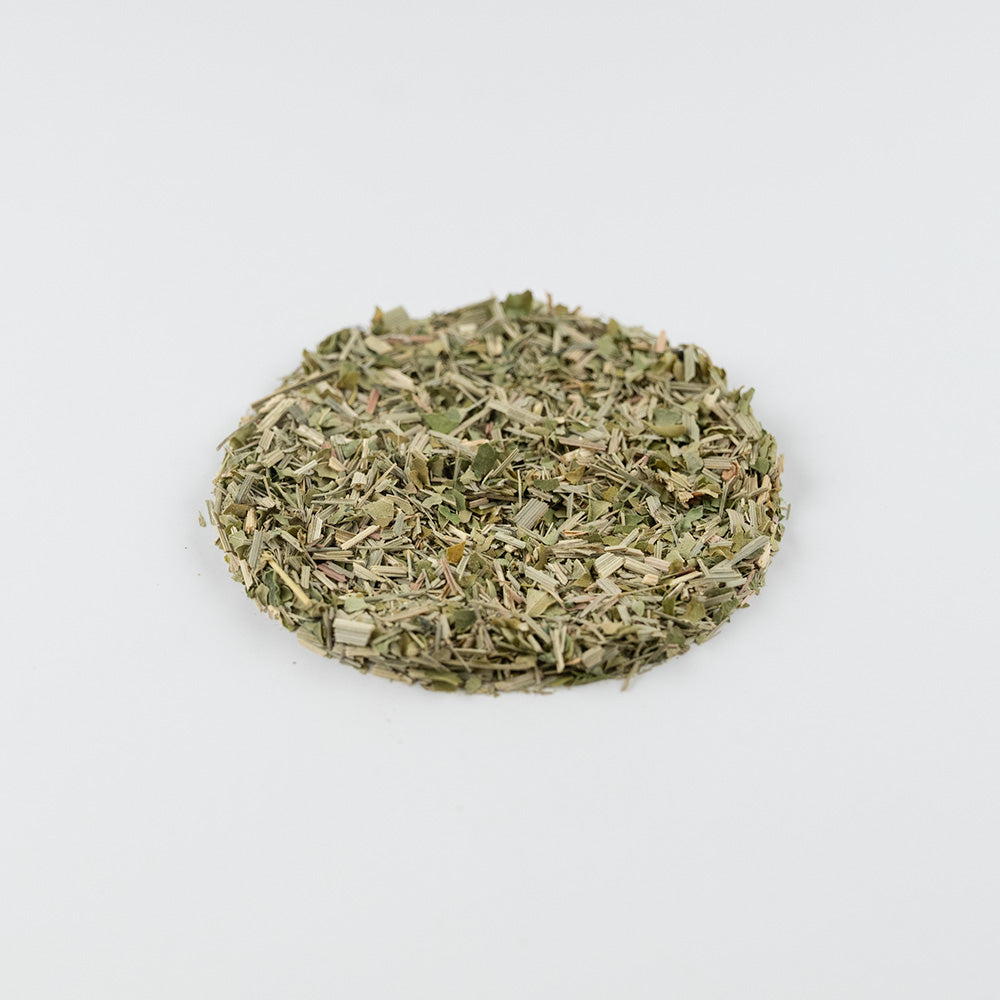
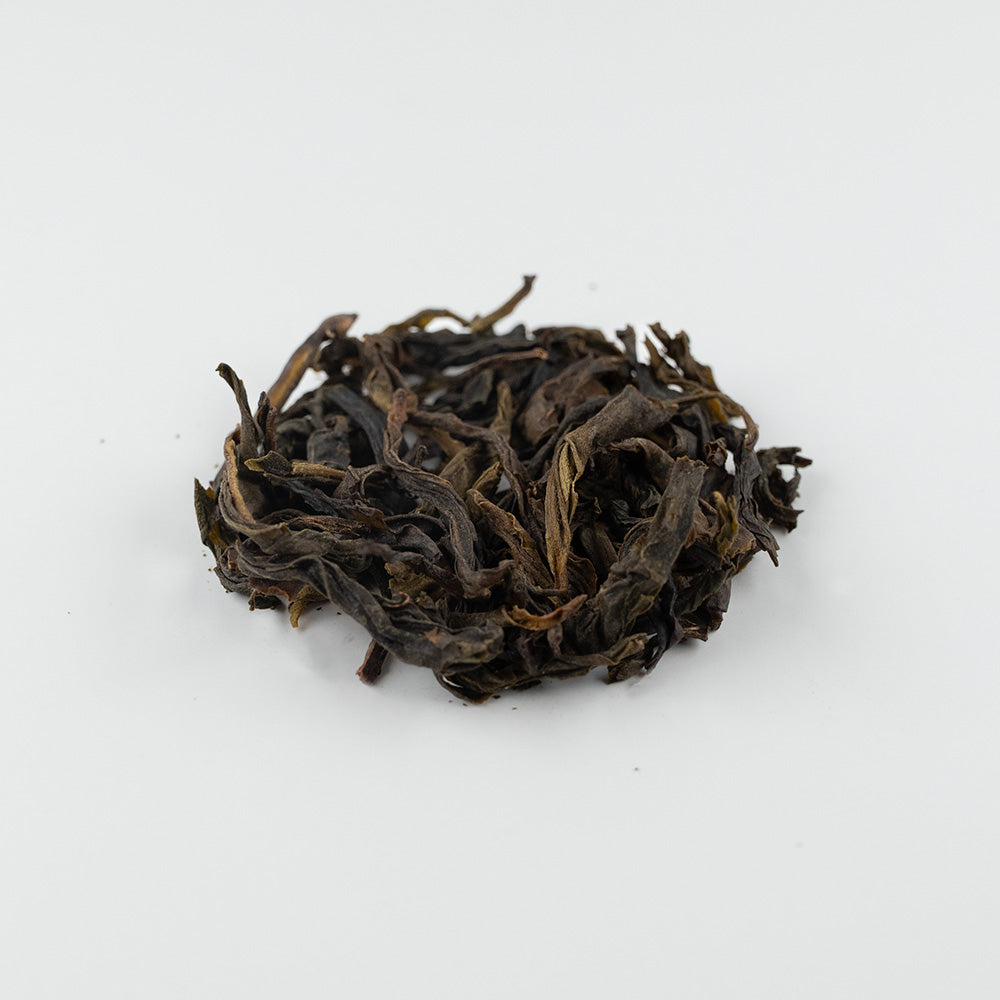
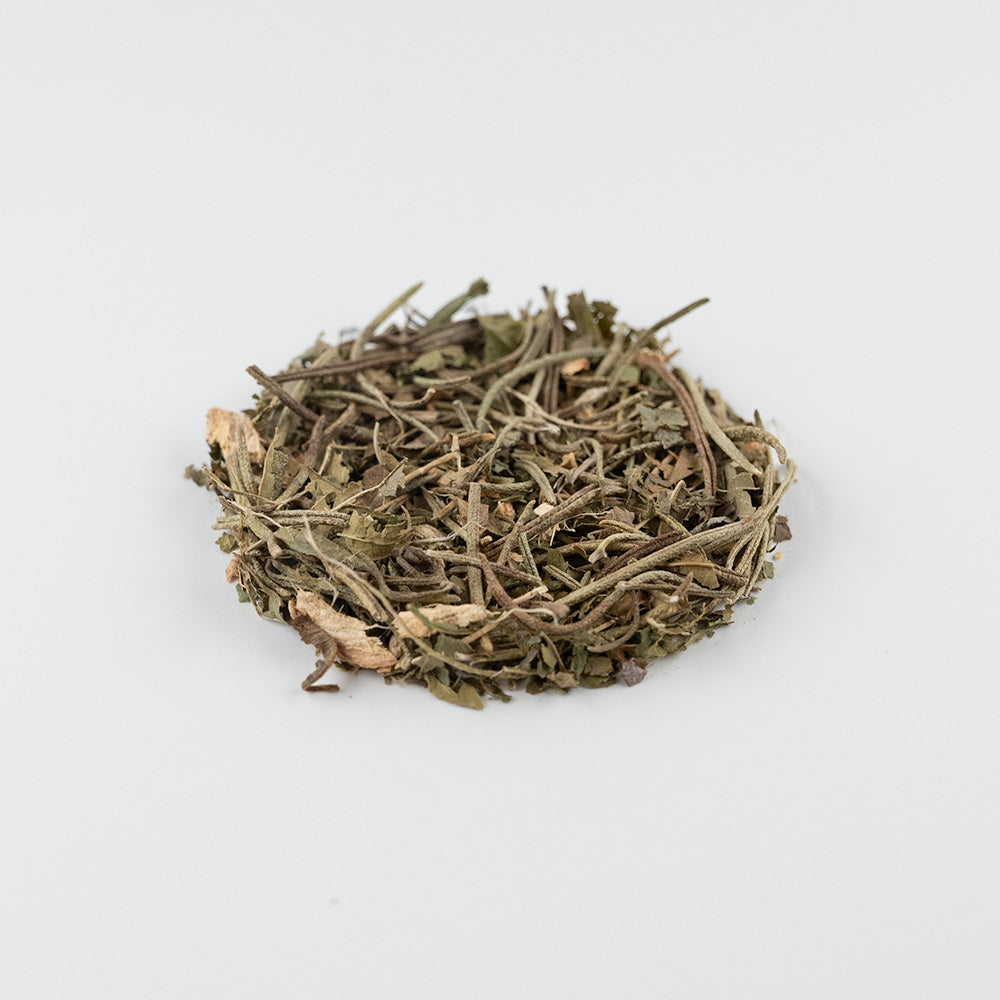
Sakare Black undergoes full oxidation and produces a copper-coloured infusion with malty tones and natural sweetness. Lemongrass Moringa combines lemongrass from the Usambara Mountains with moringa leaves from eastern Tanzania.
Chai in daily life
In Tanzania tea belongs to every moment of the day. Chai ya asubuhi in the morning, chai ya jioni when evening falls. The preparation is the same everywhere: black tea simmered with milk and sugar, often spiced with ginger, cardamom or cinnamon. At breakfast it accompanies mandazi—lightly sweet fried dough balls—or chapatti.
Throughout the country you find vibanda vya chai: small tea houses along busy roads and at markets. They are places where people come together to talk, to eat, or simply to do nothing.
Future
The government aims to triple tea production to 90,000 tons by 2030, with more tea fields, better irrigation and five new processing factories modelled on Sakare. The Tea Board has plans for five similar factories.
These are large ambitions for a sector in full motion. Whether it succeeds depends on the climate, on financing, and on buyers willing to pay for tea whose origin they know and whose makers they can identify.
Free Delivery
From €50 in BE and NL.

Pickup Available
In Zonhoven and Hasselt (BE).

Fast Shipping
Within 2-3 business days.

Secure Payment
Multiple payment options.